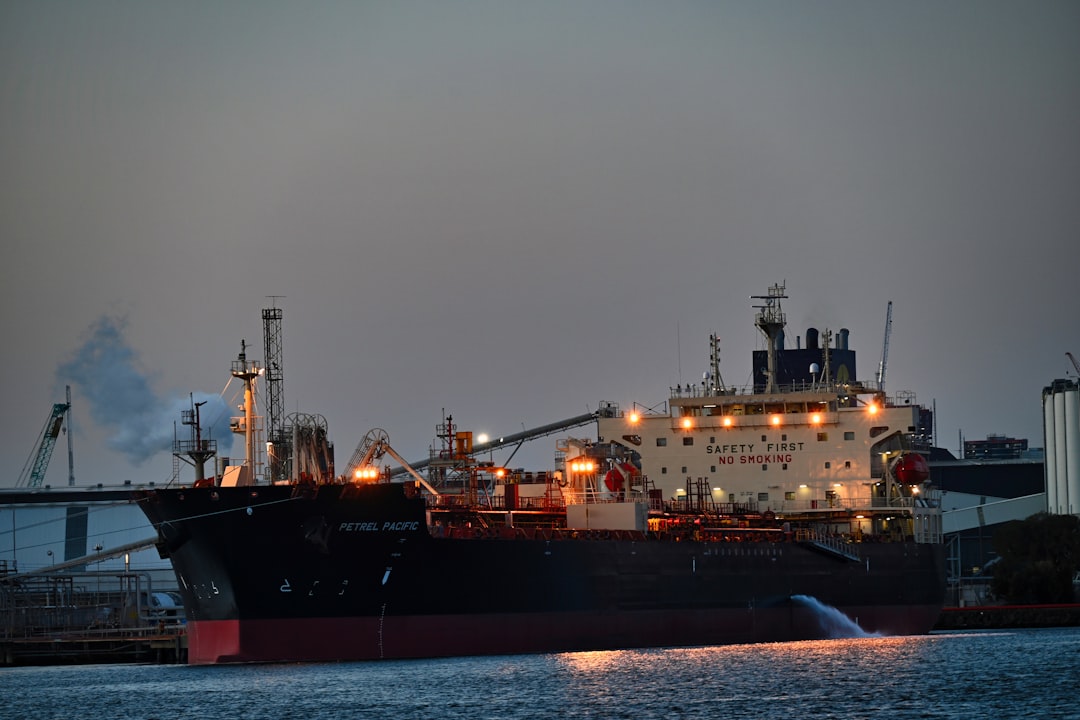
In recent months, the world has witnessed a series of oil tanker seizures that have sent shockwaves through the global energy market. These incidents, often rooted in geopolitical tensions, have raised concerns about the stability of oil supply and the potential for escalating conflicts in key maritime routes. The seizure of oil tankers is not merely an isolated event; it reflects broader issues of international relations, trade security, and the intricate web of dependencies that characterize the global oil market.
As nations grapple with these challenges, the implications of such actions extend far beyond the immediate loss of cargo or revenue. The motivations behind these seizures can vary significantly, ranging from political statements to economic leverage. In some cases, state actors may seize vessels to assert territorial claims or retaliate against perceived aggressions.
In others, non-state actors may engage in piracy or hijacking for financial gain. Regardless of the underlying reasons, the consequences of these actions reverberate throughout the global economy, affecting everything from oil prices to international relations. Understanding the dynamics at play in these situations is crucial for stakeholders across various sectors, including governments, businesses, and consumers.
Key Takeaways
- The recent seizure of an oil tanker has raised concerns about the stability of global oil markets and energy security.
- Global oil prices have surged in response to the seizure, leading to increased costs for consumers and businesses worldwide.
- The disruption of oil supply chains has resulted in delays and shortages, impacting industries and economies that rely heavily on oil imports.
- Oil-dependent economies are facing significant challenges as they grapple with the uncertainty and volatility caused by the tanker seizure.
- The shipping and maritime industry is experiencing heightened security measures and increased insurance costs as a result of the incident.
Impact on Global Oil Prices
The seizure of oil tankers has a direct and often immediate impact on global oil prices. When a vessel carrying crude oil is taken hostage or detained, it creates uncertainty in the market. Traders react swiftly to such news, leading to fluctuations in oil prices as they assess the potential for supply disruptions.
The fear of reduced availability can drive prices upward, as buyers scramble to secure alternative sources of oil. This volatility can be particularly pronounced in an already sensitive market, where geopolitical tensions are high and supply chains are fragile. Moreover, the impact on oil prices is not limited to the immediate aftermath of a seizure.
The longer-term effects can be equally significant. If a pattern of tanker seizures emerges, it can lead to sustained price increases as market participants adjust their expectations for future supply. This can create a feedback loop where higher prices lead to increased production from other regions, which in turn can affect global supply dynamics.
As countries seek to stabilize their economies and manage inflationary pressures, the fluctuations in oil prices resulting from tanker seizures can have far-reaching consequences.
Disruption of Oil Supply Chains
The disruption of oil supply chains is another critical consequence of tanker seizures. Oil is a globally traded commodity, and its transportation relies heavily on maritime routes. When a tanker is seized, it not only halts the flow of oil from one point to another but also creates a ripple effect throughout the supply chain.
Refineries may face shortages of crude oil, leading to reduced output and potential layoffs in related industries. Additionally, shipping companies may need to reroute vessels or increase security measures, further complicating logistics and increasing costs. The impact on supply chains can extend beyond immediate disruptions.
Companies may begin to reassess their reliance on certain shipping routes or regions, leading to long-term changes in sourcing strategies. This could result in a diversification of supply sources as businesses seek to mitigate risks associated with geopolitical instability. However, such adjustments take time and resources, and in the short term, they can exacerbate existing supply chain challenges.
Effect on Oil-Dependent Economies
| Country | Impact on Economy | Oil Dependency |
|---|---|---|
| Saudi Arabia | Decrease in government revenue | High |
| Venezuela | Economic crisis and inflation | High |
| Nigeria | Reduced foreign exchange earnings | High |
| Russia | Impact on budget and trade balance | High |
Oil-dependent economies are particularly vulnerable to the repercussions of tanker seizures. Many nations rely heavily on oil exports for revenue, and disruptions in supply can lead to significant economic challenges. For countries that are already facing fiscal pressures or economic instability, the loss of oil shipments can exacerbate existing issues, leading to budget shortfalls and increased public discontent.
The social and political ramifications can be profound, as citizens may express frustration over rising fuel prices and declining economic prospects. Furthermore, the impact on oil-dependent economies is not uniform; it varies based on factors such as geographic location and economic diversification. Countries that are heavily reliant on a single export commodity may find themselves at greater risk during periods of instability.
In contrast, nations with more diversified economies may be better positioned to weather such disruptions. However, even these countries can feel the effects through increased energy costs and potential inflationary pressures that ripple through their economies.
Impact on Shipping and Maritime Industry
The shipping and maritime industry faces significant challenges in the wake of oil tanker seizures. Increased risks associated with piracy and geopolitical tensions can lead to higher insurance premiums for shipping companies, which may subsequently pass these costs onto consumers. Additionally, shipping routes that were once considered safe may become subject to heightened scrutiny and security measures, leading to longer transit times and increased operational costs.
Moreover, the maritime industry must adapt to changing regulations and security protocols in response to these incidents. Governments may impose stricter guidelines for vessels operating in high-risk areas, requiring additional investments in security technology and personnel. This shift not only affects shipping companies but also has implications for port authorities and logistics providers who must navigate an increasingly complex regulatory landscape.
Implications for Energy Security
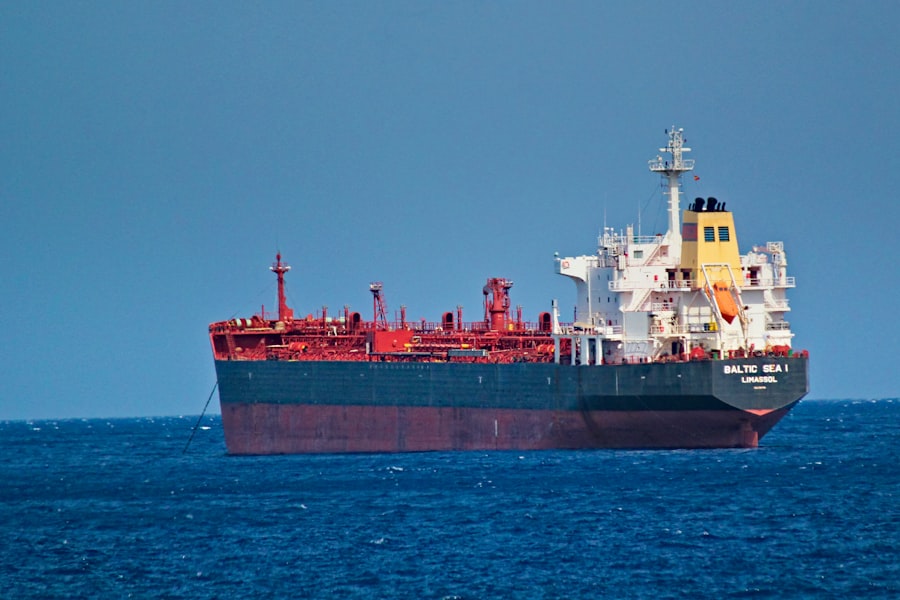
The implications for energy security are profound when oil tankers are seized. Energy security refers to the availability of reliable and affordable energy sources for a nation’s economy and its citizens. When tanker seizures occur, they threaten this stability by creating uncertainty about future supplies.
Countries that rely heavily on imported oil may find themselves vulnerable to sudden price spikes or supply shortages, prompting them to reconsider their energy strategies. In response to these threats, nations may seek to diversify their energy sources or invest in alternative energy technologies. This shift could lead to increased interest in renewable energy projects or strategic partnerships with other countries that offer more stable energy supplies.
However, transitioning away from fossil fuels takes time and investment, meaning that immediate vulnerabilities may persist even as long-term strategies are developed.
Response from Oil Market Players
In light of recent tanker seizures, responses from oil market players have been varied and strategic. Major oil companies are likely to reassess their risk exposure in certain regions and may choose to invest more heavily in security measures for their operations. This could include hiring private security firms or collaborating with governments to enhance maritime security in high-risk areas.
Additionally, companies may explore alternative shipping routes or logistics solutions that minimize exposure to potential disruptions. Traders and investors also play a crucial role in responding to these events. Market participants often react quickly to news of tanker seizures by adjusting their positions based on perceived risks and opportunities.
This behavior can lead to increased volatility in oil markets as traders speculate on future price movements and supply availability. As a result, the overall market sentiment can shift rapidly in response to geopolitical developments.
Geopolitical Ramifications
The geopolitical ramifications of oil tanker seizures extend far beyond economic considerations; they can reshape international relations and influence diplomatic strategies among nations. Countries involved in such incidents often find themselves at odds with one another, leading to heightened tensions and potential conflicts. The strategic importance of oil transportation routes means that any disruption can have implications for national security and foreign policy.
Furthermore, alliances may shift as nations respond to these challenges. Countries that share common interests in maintaining stable energy supplies may strengthen their partnerships or form new coalitions aimed at ensuring maritime security. Conversely, adversarial relationships may become more pronounced as nations seek to assert their interests in contested waters.
The geopolitical landscape is thus continually evolving in response to these incidents, with far-reaching consequences for global stability.
Legal and Regulatory Consequences
The legal and regulatory consequences of oil tanker seizures are complex and multifaceted. International law governs maritime activities, including the rights of nations over territorial waters and the treatment of vessels operating within those jurisdictions. When a tanker is seized, it raises questions about legality and jurisdiction that can lead to protracted legal battles between nations or private entities.
Additionally, regulatory frameworks may evolve in response to these incidents as governments seek to enhance maritime security and protect their interests. New laws or regulations could be introduced to address issues such as piracy prevention or environmental protection during shipping operations. These changes can create additional compliance burdens for shipping companies while also shaping the future landscape of international maritime law.
Long-Term Economic Outlook
The long-term economic outlook following a series of oil tanker seizures remains uncertain but is likely influenced by several key factors. The ongoing volatility in oil prices could lead to sustained economic challenges for both producing and consuming nations alike. As countries grapple with fluctuating energy costs, they may need to implement policies aimed at stabilizing their economies while also addressing broader energy security concerns.
Moreover, the potential for increased investment in alternative energy sources could reshape the global energy landscape over time. As nations seek to reduce their dependence on fossil fuels amid rising geopolitical tensions, there may be a shift toward more sustainable energy solutions that prioritize resilience against future disruptions. This transition could ultimately lead to a more diversified energy portfolio for many countries but will require careful planning and investment.
Conclusion and Recommendations
In conclusion, the seizure of oil tankers presents significant challenges that reverberate throughout the global economy and geopolitical landscape. The immediate impacts on oil prices, supply chains, and oil-dependent economies highlight the interconnectedness of modern markets while underscoring vulnerabilities inherent within them. As nations navigate these complexities, it is essential for stakeholders across various sectors—governments, businesses, and consumers—to adopt proactive strategies aimed at mitigating risks associated with such incidents.
Recommendations include investing in enhanced maritime security measures to protect shipping routes from potential threats while fostering international cooperation among nations sharing common interests in maintaining stable energy supplies. Additionally, diversifying energy sources through investments in renewable technologies can help reduce reliance on fossil fuels and enhance overall energy security in an increasingly uncertain world. By taking these steps, stakeholders can better position themselves to navigate the challenges posed by tanker seizures while contributing to a more resilient global economy.
The economic impact of oil tanker seizures can be profound, affecting global oil prices, trade routes, and geopolitical stability. Such incidents often lead to increased insurance costs, rerouting of shipping lanes, and heightened tensions among nations involved. For a deeper understanding of the broader implications of these events, you can explore a related article on this topic by visiting MyGeoQuest. This resource provides insights into how these maritime disruptions can ripple through the global economy, influencing everything from energy markets to international relations.
WATCH THIS! One Narrow Strait Holds Global Economy Hostage
FAQs
What is the economic impact of oil tanker seizure?
The economic impact of oil tanker seizure refers to the effects on global oil prices, trade disruptions, and potential geopolitical tensions resulting from the seizure of oil tankers by a country or group.
How does the seizure of oil tankers affect global oil prices?
The seizure of oil tankers can lead to a decrease in global oil supply, which can in turn drive up oil prices. This is particularly true if the seized tankers were carrying a significant amount of oil and were destined for major global markets.
What are the trade disruptions caused by the seizure of oil tankers?
The seizure of oil tankers can disrupt the flow of oil and other goods through key shipping lanes, leading to delays and increased transportation costs. This can have a ripple effect on global trade and supply chains, impacting various industries and economies.
How does the seizure of oil tankers contribute to geopolitical tensions?
The seizure of oil tankers can escalate geopolitical tensions between the country or group responsible for the seizure and the affected tanker’s origin country or other global powers. This can lead to diplomatic conflicts, sanctions, and other measures that further impact global economic stability.
What are the potential long-term effects of oil tanker seizure on the global economy?
The long-term effects of oil tanker seizure on the global economy can include increased uncertainty in energy markets, higher transportation costs, and shifts in geopolitical alliances. These factors can impact investment decisions, economic growth, and overall stability in the global economy.