
The Strait of Hormuz, a narrow waterway connecting the Persian Gulf to the Gulf of Oman, serves as a critical juncture for global maritime trade. Spanning approximately 21 nautical miles at its narrowest point, this strait is not only a vital passage for oil and gas shipments but also a strategic geopolitical hotspot. The significance of the Strait of Hormuz is underscored by the fact that it facilitates the transit of nearly 20% of the world’s petroleum, making it an essential artery for energy supplies.
The surrounding nations, including Iran, Oman, and the United Arab Emirates, have vested interests in the strait, which often leads to heightened tensions and complex diplomatic relations. Navigating through the Strait of Hormuz is a task that requires careful planning and execution due to its strategic importance and the volume of maritime traffic it accommodates. The strait is flanked by several countries with varying degrees of political stability, which can influence shipping routes and safety protocols.
As global demand for liquefied natural gas (LNG) continues to rise, the role of LNG carriers in this vital waterway has become increasingly prominent. Understanding the dynamics of the Strait of Hormuz is essential for comprehending the broader implications for international energy trade and security.
Key Takeaways
- The Strait of Hormuz is a critical chokepoint for global energy trade, with a significant portion of the world’s LNG passing through it.
- LNG carriers play a crucial role in the global energy trade, transporting natural gas from exporting countries to importing nations.
- Navigating LNG carriers through the narrow and congested Strait of Hormuz presents challenges such as strong currents, narrow channels, and high traffic volume.
- LNG carriers have specific technical specifications designed to ensure safe and efficient navigation through the strait, including size, propulsion systems, and cargo containment.
- Safety measures for navigating through the strait include strict adherence to international regulations, regular safety drills, and advanced navigation technology.
Importance of LNG carriers in global energy trade
LNG carriers have emerged as pivotal players in the global energy landscape, facilitating the transportation of liquefied natural gas from production sites to markets around the world. As countries seek to diversify their energy sources and reduce reliance on coal and oil, LNG has gained traction as a cleaner alternative. The flexibility offered by LNG carriers allows for the efficient movement of gas across vast distances, enabling nations to access energy resources that may not be available domestically.
This shift towards LNG has significant implications for energy security and economic stability in various regions. The importance of LNG carriers extends beyond mere transportation; they are integral to the supply chain that supports energy markets globally. The ability to transport LNG efficiently can influence pricing dynamics and availability in different regions, thereby impacting energy policies and economic strategies.
As countries invest in infrastructure to support LNG imports and exports, the role of these specialized vessels becomes even more critical. In this context, the Strait of Hormuz stands out as a key transit point for LNG carriers, underscoring its significance in global energy trade.
Challenges of navigating LNG carriers through the Strait of Hormuz

Navigating LNG carriers through the Strait of Hormuz presents a unique set of challenges that require careful consideration and expertise. The strait’s narrow width and heavy traffic can create congestion, making it essential for vessels to adhere to strict navigation protocols. Additionally, the presence of various naval forces in the region adds another layer of complexity, as vessels must remain vigilant to avoid potential conflicts or misunderstandings.
The combination of these factors necessitates a high level of coordination among shipping companies, port authorities, and maritime agencies. Moreover, environmental conditions in the Strait of Hormuz can pose significant challenges for LNG carriers. Strong currents, shifting tides, and unpredictable weather patterns can affect navigation and maneuverability.
These factors require crews to be well-trained and prepared for rapid changes in conditions. The need for precise navigation becomes even more critical when considering the potential consequences of an accident or spill in such a strategically important area. As a result, LNG carriers must be equipped with advanced technology and skilled personnel to navigate these challenges effectively.
Technical specifications of LNG carriers
| Specification | Value |
|---|---|
| Capacity | 100,000 – 266,000 cubic meters |
| Length | 280 – 345 meters |
| Width | 43 – 50 meters |
| Draft | 11 – 12 meters |
| Speed | 19 – 21 knots |
| Propulsion | Steam turbine or dual fuel diesel-electric |
LNG carriers are designed with specific technical specifications that enable them to transport liquefied natural gas safely and efficiently. These vessels typically feature a double-hulled structure, which provides an additional layer of protection against leaks or spills. The cargo tanks are insulated to maintain the low temperatures required to keep natural gas in its liquid state, often reaching temperatures as low as -162 degrees Celsius.
This insulation is crucial for ensuring that the LNG remains stable during transit and does not evaporate or expand. In terms of capacity, modern LNG carriers can vary significantly, with some capable of transporting up to 266,000 cubic meters of LNG. This capacity allows for economies of scale in shipping operations, making it more cost-effective to transport larger quantities of gas over long distances.
Additionally, advancements in propulsion technology have led to the development of more fuel-efficient engines that reduce emissions and operational costs. These technical specifications not only enhance the performance of LNG carriers but also contribute to their overall safety and environmental sustainability.
Safety measures for navigating through the strait
Safety measures are paramount when navigating LNG carriers through the Strait of Hormuz due to the potential risks associated with transporting hazardous materials in such a strategically sensitive area. One key safety measure involves rigorous training for crew members, who must be well-versed in emergency protocols and navigation techniques specific to the strait. Regular drills and simulations are conducted to ensure that crews are prepared for various scenarios, including adverse weather conditions or mechanical failures.
In addition to crew training, technological advancements play a crucial role in enhancing safety during navigation. Modern LNG carriers are equipped with sophisticated navigation systems that provide real-time data on weather conditions, traffic patterns, and potential hazards. These systems enable crews to make informed decisions while navigating through congested waters.
Furthermore, collaboration with local maritime authorities ensures that vessels receive timely updates on any changes in regulations or safety advisories, further bolstering safety measures in this critical region.
Impact of geopolitical tensions on LNG carrier navigation
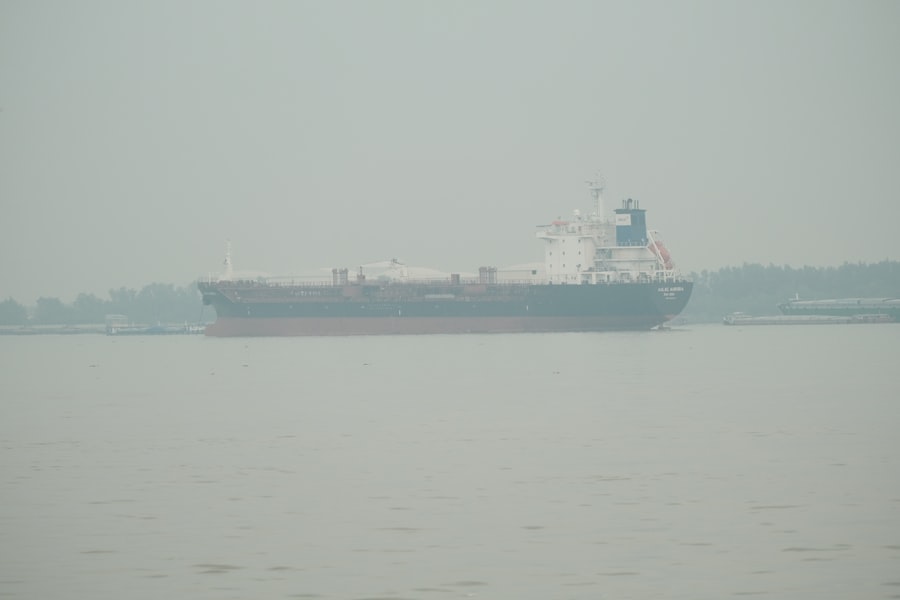
Geopolitical tensions in the Middle East have a profound impact on LNG carrier navigation through the Strait of Hormuz. The strait’s strategic location makes it a focal point for regional conflicts and power struggles, which can disrupt shipping routes and create uncertainty for vessel operators. Incidents involving naval confrontations or threats to maritime security can lead to increased insurance costs and heightened security measures for LNG carriers transiting through the area.
For instance, if tensions escalate between Iran and other nations, it may lead to disruptions in oil and gas shipments through the strait, prompting countries to seek alternative sources or routes for their energy needs. This volatility can create ripple effects throughout the global economy, highlighting the interconnectedness of geopolitical stability and energy trade.
Weather and environmental factors affecting navigation through the strait
Weather conditions play a significant role in determining safe navigation through the Strait of Hormuz. The region is characterized by its arid climate, but it can also experience sudden changes in weather patterns that pose challenges for LNG carriers. Strong winds, fog, and rough seas can hinder visibility and maneuverability, making it essential for crews to remain vigilant and adaptable during their journeys.
Environmental factors such as currents and tides also impact navigation in this narrow waterway. The strait’s unique geography creates complex tidal patterns that can affect vessel speed and course stability. Understanding these environmental dynamics is crucial for ensuring safe passage through the strait.
As climate change continues to influence weather patterns globally, it is imperative for maritime operators to stay informed about potential shifts that could affect navigation in this vital region.
Role of pilotage and tug assistance in navigating LNG carriers through the strait
Pilotage and tug assistance are integral components of safely navigating LNG carriers through the Strait of Hormuz. Pilots with local knowledge are often employed to guide vessels through challenging waters, providing expertise on navigation routes, traffic patterns, and potential hazards. Their familiarity with the strait’s unique characteristics allows them to make informed decisions that enhance safety during transit.
Tugboats also play a crucial role in assisting LNG carriers during critical maneuvers such as docking or navigating tight turns. These powerful vessels provide additional thrust and control, helping larger ships navigate safely through congested areas or adverse conditions. The collaboration between pilots and tug operators ensures that LNG carriers can transit through the Strait of Hormuz with minimal risk, reinforcing safety protocols in this strategically important waterway.
Navigation regulations and restrictions in the Strait of Hormuz
Navigation regulations in the Strait of Hormuz are designed to ensure safe passage for all vessels transiting this busy waterway. These regulations are enforced by various maritime authorities and are subject to change based on geopolitical developments or environmental considerations. Compliance with these regulations is essential for maintaining safety standards and minimizing risks associated with maritime traffic.
Restrictions may include designated shipping lanes, speed limits, and requirements for communication with local authorities. Additionally, vessels may be required to adhere to specific protocols during times of heightened tension or military activity in the region. Understanding these regulations is crucial for shipping companies operating LNG carriers through the strait, as non-compliance can result in penalties or increased risks during transit.
Emergency response and contingency plans for LNG carriers in the strait
Emergency response plans are vital for ensuring the safety of LNG carriers navigating through the Strait of Hormuz. Given the potential risks associated with transporting liquefied natural gas, shipping companies must develop comprehensive contingency plans that outline procedures for various emergency scenarios. These plans typically include protocols for addressing spills, fires, or mechanical failures while at sea.
Collaboration with local authorities is essential for effective emergency response efforts.
This collaboration ensures that all parties are familiar with their roles during an incident and can respond swiftly to mitigate potential impacts on both human safety and environmental integrity.
Future developments and innovations in LNG carrier navigation through the strait
As global demand for LNG continues to rise, future developments in LNG carrier navigation through the Strait of Hormuz are likely to focus on enhancing safety, efficiency, and environmental sustainability. Innovations such as autonomous vessels may revolutionize maritime operations by reducing human error and improving navigational precision. These advancements could lead to safer transit through congested waters while minimizing operational costs.
Additionally, ongoing research into alternative fuels and propulsion technologies may further enhance the environmental performance of LNG carriers. As shipping companies strive to meet stricter emissions regulations, investments in cleaner technologies will become increasingly important. The future landscape of LNG carrier navigation will likely be shaped by a combination of technological advancements and evolving regulatory frameworks aimed at promoting safe and sustainable maritime operations in this critical region.
In conclusion, navigating LNG carriers through the Strait of Hormuz presents a complex interplay of challenges and opportunities within global energy trade. The strategic importance of this waterway necessitates a multifaceted approach that encompasses safety measures, regulatory compliance, technological innovation, and geopolitical awareness. As demand for liquefied natural gas continues to grow, understanding these dynamics will be essential for ensuring safe passage through one of the world’s most vital maritime corridors.
The strategic significance of LNG carriers navigating through the Strait of Hormuz cannot be overstated, as this narrow passage is a critical chokepoint for global energy supplies. An insightful article on this topic can be found on MyGeoQuest, which delves into the geopolitical and economic implications of LNG transportation through this vital waterway. For a deeper understanding, you can read the full article by visiting MyGeoQuest’s detailed analysis. This resource provides a comprehensive overview of the challenges and considerations faced by LNG carriers in this region.
WATCH THIS! One Narrow Strait Holds Global Economy Hostage
FAQs
What are LNG carriers?
LNG carriers are ships specifically designed to transport liquefied natural gas (LNG) from one location to another. They are equipped with specialized tanks and insulation to keep the LNG at its extremely low temperature.
What is the significance of the Strait of Hormuz for LNG carriers?
The Strait of Hormuz is a crucial chokepoint for global energy supplies, as it is the narrow passage through which a significant portion of the world’s LNG and oil shipments pass. It is particularly important for LNG carriers as it is the only sea passage from the Persian Gulf to the open ocean.
What are the potential risks for LNG carriers passing through the Strait of Hormuz?
The main risks for LNG carriers passing through the Strait of Hormuz include geopolitical tensions, piracy, and the potential for accidents or collisions in the narrow and busy waterway.
How are LNG carriers protected when passing through the Strait of Hormuz?
LNG carriers passing through the Strait of Hormuz are often accompanied by naval escorts from various countries to ensure their safe passage. Additionally, shipping companies and international organizations implement strict security measures and protocols to mitigate the risks.
What are the alternative routes for LNG carriers to bypass the Strait of Hormuz?
Alternative routes for LNG carriers to bypass the Strait of Hormuz include the longer journey around the southern tip of Africa or through the Suez Canal and the Mediterranean Sea. However, these routes are less economical and efficient compared to the direct passage through the strait.