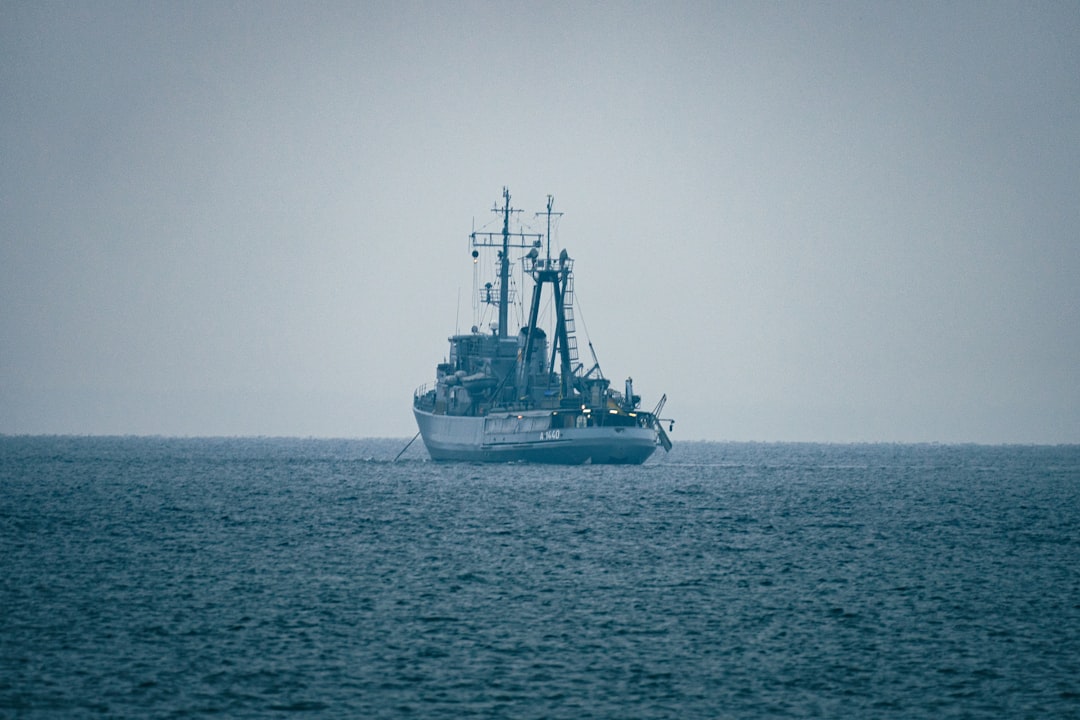
Maritime security in the Persian Gulf is a critical concern for regional and global stability. This vital waterway serves as a conduit for a significant portion of the world’s oil supply, making it a focal point for international trade and economic activity. The Gulf’s strategic importance is underscored by its role in connecting various nations, facilitating not only the transportation of energy resources but also the movement of goods and services.
As such, any disruption in maritime security can have far-reaching implications, affecting global markets and geopolitical relations. Moreover, the Persian Gulf is characterized by its complex geopolitical landscape, where multiple nations with varying interests coexist. The presence of vital shipping lanes, coupled with ongoing tensions among regional powers, heightens the risk of maritime threats such as piracy, smuggling, and military confrontations.
Ensuring maritime security in this region is not merely a national concern for the Gulf states; it is a global imperative that requires collaborative efforts to safeguard trade routes and maintain peace.
Key Takeaways
- Maritime security in the Persian Gulf is crucial for global trade and energy security.
- Historical conflicts and geopolitical tensions have contributed to maritime security challenges in the Persian Gulf.
- International efforts, such as naval patrols and diplomatic initiatives, are being made to secure the Persian Gulf.
- The United States plays a significant role in securing the Persian Gulf through military presence and alliances with regional partners.
- Regional cooperation and initiatives, along with technological advancements, are essential for enhancing maritime security in the Persian Gulf.
Historical Context: Maritime Security Challenges in the Persian Gulf
The history of maritime security challenges in the Persian Gulf is marked by a series of conflicts and tensions that have shaped the region’s geopolitical dynamics. The Iran-Iraq War in the 1980s exemplified how maritime routes could become battlegrounds, with both nations targeting oil tankers and commercial vessels to undermine each other’s economies. This conflict highlighted the vulnerability of maritime trade in the Gulf and set a precedent for future security concerns.
In the years that followed, incidents such as the tanker wars and the Gulf War further underscored the precarious nature of maritime security in the region. The 1991 Gulf War saw coalition forces engage in extensive naval operations to ensure safe passage for commercial shipping, demonstrating the international community’s recognition of the need for a secure maritime environment. These historical events have laid the groundwork for contemporary security challenges, as unresolved tensions continue to pose risks to maritime operations.
International Efforts to Secure the Persian Gulf

In response to the persistent threats to maritime security in the Persian Gulf, various international efforts have been initiated to enhance safety and stability in the region. Multinational coalitions have been formed to conduct joint naval exercises, share intelligence, and coordinate responses to potential threats. These collaborative initiatives aim to deter piracy, protect shipping lanes, and foster a sense of collective security among nations with vested interests in the Gulf.
Organizations such as the United Nations and regional bodies like the Gulf Cooperation Council (GCC) have also played pivotal roles in promoting dialogue and cooperation among member states. Through diplomatic channels and security frameworks, these entities work to address underlying tensions and foster an environment conducive to maritime security. The establishment of protocols for information sharing and joint operations has become increasingly important as nations recognize that collective action is essential for safeguarding their maritime interests.
Role of the United States in Securing the Persian Gulf
| Metrics | Data |
|---|---|
| Number of military bases in the Persian Gulf | Several |
| Number of naval patrols in the Persian Gulf | Frequent |
| Amount of military aid to Gulf countries | Billions of dollars |
| Number of troops stationed in the Persian Gulf | Thousands |
The United States has historically played a significant role in ensuring maritime security in the Persian Gulf. Following the Iranian Revolution in 1979, U.S. naval presence in the region increased dramatically as part of a broader strategy to deter aggression and protect vital shipping routes.
The U.S. Navy’s Fifth Fleet, based in Bahrain, serves as a cornerstone of American military operations in the Gulf, conducting regular patrols and exercises to maintain a visible deterrent against potential threats. In addition to its military presence, the United States has engaged in diplomatic efforts to build partnerships with regional allies.
By providing military assistance, training, and intelligence sharing, the U.S. has sought to enhance the capabilities of Gulf states to address their own maritime security challenges. However, this involvement has not been without controversy, as differing perspectives on U.S.
influence in the region continue to shape debates about its role in ensuring stability.
Regional Cooperation and Maritime Security Initiatives
Regional cooperation is essential for addressing maritime security challenges in the Persian Gulf effectively. Countries within the region have recognized that collaborative efforts can enhance their collective security posture and mitigate risks associated with piracy, smuggling, and military confrontations. Initiatives such as joint naval exercises and information-sharing agreements have become increasingly common as nations seek to bolster their capabilities.
The establishment of frameworks for regional dialogue has also proven beneficial in fostering trust among neighboring states. By engaging in discussions about shared security concerns, countries can work towards common goals while addressing underlying tensions that may threaten maritime stability. Such cooperation not only enhances regional security but also contributes to broader international efforts aimed at ensuring safe passage through one of the world’s most critical waterways.
Technology and Innovation in Maritime Security Measures

As maritime threats evolve, so too must the strategies employed to counter them. Technological advancements have become integral to enhancing maritime security measures in the Persian Gulf.
These technologies provide critical situational awareness that allows naval forces to respond swiftly to emerging challenges. Furthermore, cybersecurity has emerged as a vital component of maritime security in an increasingly digital world. With many shipping operations relying on sophisticated information systems, protecting these networks from cyberattacks is paramount.
Investments in cybersecurity measures are essential to safeguard not only vessels but also port facilities and logistics networks that underpin maritime trade.
Legal Framework for Maritime Security in the Persian Gulf
The legal framework governing maritime security in the Persian Gulf is complex and multifaceted. International conventions such as the United Nations Convention on the Law of the Sea (UNCLOS) provide a foundation for establishing rights and responsibilities related to navigation and resource exploitation. However, differing interpretations of these laws can lead to disputes among nations regarding territorial waters and exclusive economic zones.
Regional agreements also play a crucial role in shaping maritime security policies. Bilateral treaties between Gulf states often address issues such as piracy prevention, search and rescue operations, and environmental protection. These legal instruments facilitate cooperation among nations while providing mechanisms for dispute resolution that can help mitigate tensions arising from competing interests.
Private Sector Involvement in Securing the Persian Gulf
The private sector plays an increasingly important role in enhancing maritime security in the Persian Gulf. Shipping companies, port operators, and logistics providers are recognizing that their operations are vulnerable to various threats, prompting them to invest in security measures that protect their assets and ensure safe passage for goods. Collaborations between private entities and governmental organizations have become essential for developing comprehensive security strategies.
Moreover, private security firms are often contracted to provide additional layers of protection for vessels transiting high-risk areas. These firms offer services ranging from armed escorts to risk assessments, helping companies navigate potential threats while maintaining operational efficiency. The involvement of private actors underscores the need for a holistic approach to maritime security that encompasses both public and private interests.
Environmental and Humanitarian Considerations in Maritime Security
While maritime security primarily focuses on protecting trade routes and national interests, it is essential to consider environmental and humanitarian factors as well. The Persian Gulf is home to diverse marine ecosystems that can be adversely affected by military activities or oil spills resulting from maritime incidents. Ensuring that security measures do not compromise environmental integrity is crucial for sustainable development in the region.
Additionally, humanitarian considerations must be integrated into maritime security strategies. The movement of refugees or displaced persons across maritime borders can pose challenges for coastal states while highlighting the need for coordinated responses that prioritize human rights and safety. By addressing these considerations alongside traditional security concerns, stakeholders can foster a more comprehensive approach to maritime security that benefits both people and ecosystems.
Future Challenges and Opportunities in Securing the Persian Gulf
Looking ahead, several challenges will shape the future of maritime security in the Persian Gulf. Geopolitical rivalries among regional powers continue to create an environment fraught with tension, raising concerns about potential conflicts that could disrupt maritime operations. Additionally, climate change poses significant risks to coastal infrastructure and marine ecosystems, necessitating adaptive strategies that account for environmental vulnerabilities.
However, these challenges also present opportunities for innovation and collaboration. As nations recognize the interconnectedness of their security interests, there is potential for enhanced dialogue and cooperation that transcends traditional rivalries. Embracing technological advancements can lead to more effective monitoring and response capabilities while fostering partnerships that strengthen regional stability.
The Way Forward for Maritime Security in the Persian Gulf
In conclusion, securing maritime safety in the Persian Gulf is an intricate endeavor that requires multifaceted approaches involving international cooperation, technological innovation, legal frameworks, and private sector engagement. As historical tensions persist alongside emerging challenges, stakeholders must prioritize collaboration over competition to foster a secure maritime environment conducive to trade and stability. The path forward necessitates a commitment from both regional actors and global partners to address not only immediate threats but also long-term sustainability concerns.
By integrating environmental considerations into security strategies and promoting humanitarian values alongside national interests, stakeholders can work towards a more secure future for one of the world’s most vital waterways. Ultimately, a collective effort will be essential to navigate the complexities of maritime security in the Persian Gulf while ensuring peace and prosperity for all nations involved.
Maritime security in the Persian Gulf is a critical issue due to the region’s strategic importance and the high volume of oil transported through its waters. The Gulf’s narrow straits and geopolitical tensions make it a hotspot for potential conflicts and security challenges. For a deeper understanding of the complexities surrounding maritime security in this region, you can explore a related article on the topic by visiting this page. This article provides insights into the various factors influencing maritime security and the measures being implemented to ensure safe passage for vessels navigating these crucial waters.
WATCH THIS! One Narrow Strait Holds Global Economy Hostage
FAQs
What is maritime security in the Persian Gulf?
Maritime security in the Persian Gulf refers to the measures and efforts taken to ensure the safety and security of commercial shipping, oil tankers, and other vessels operating in the waters of the Persian Gulf. This includes protection against piracy, terrorism, and other threats to maritime activities.
Why is maritime security important in the Persian Gulf?
The Persian Gulf is a strategically important waterway through which a significant portion of the world’s oil supply is transported. Ensuring maritime security in this region is crucial for global energy security and the stability of international trade.
What are the main threats to maritime security in the Persian Gulf?
The main threats to maritime security in the Persian Gulf include piracy, armed robbery, terrorism, and geopolitical tensions. These threats can disrupt shipping lanes, endanger the lives of seafarers, and have broader implications for global energy markets.
What measures are taken to enhance maritime security in the Persian Gulf?
Measures to enhance maritime security in the Persian Gulf include naval patrols, the deployment of maritime security forces, the use of maritime surveillance technology, and international cooperation among Gulf states and other stakeholders.
What role do international organizations play in maritime security in the Persian Gulf?
International organizations such as the United Nations, the International Maritime Organization (IMO), and the Combined Maritime Forces (CMF) play a role in promoting maritime security in the Persian Gulf through initiatives, guidelines, and collaborative efforts with regional stakeholders.