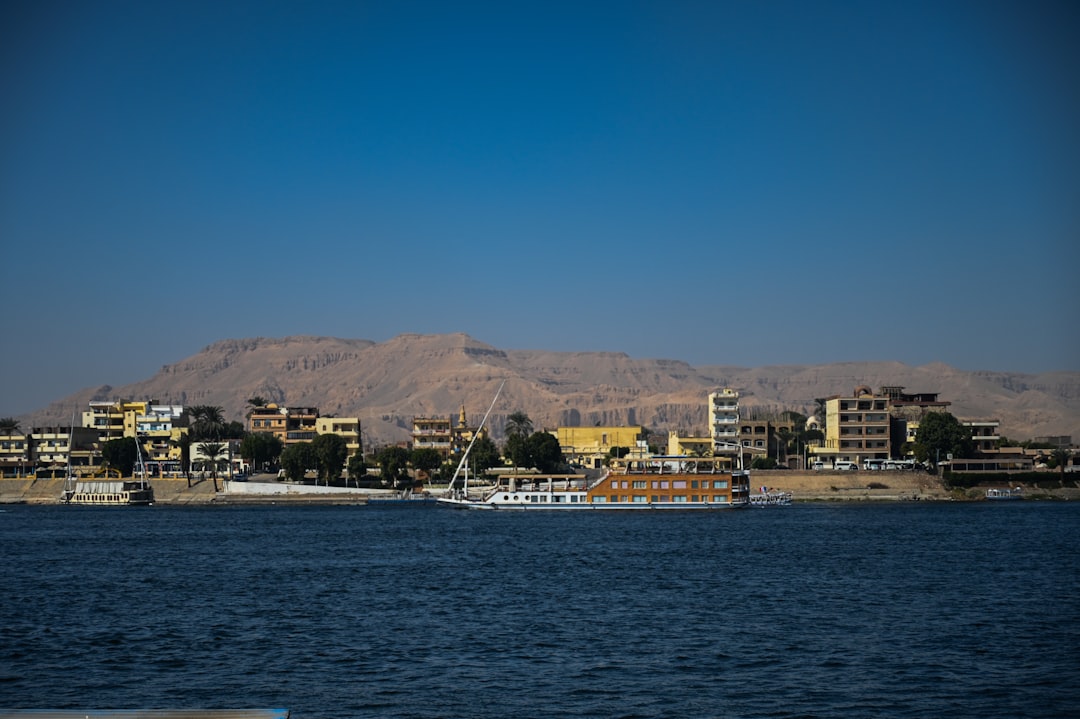
The Strait of Hormuz, a narrow waterway connecting the Persian Gulf to the Gulf of Oman, serves as a critical juncture for maritime navigation. Stretching approximately 21 miles wide at its narrowest point, this strait is flanked by Iran to the north and Oman to the south. Its strategic location has made it one of the most significant maritime passages in the world, facilitating the transit of oil and gas from the Middle East to global markets.
The strait’s importance is underscored by the fact that it is one of the busiest shipping lanes, with a substantial percentage of the world’s oil supply passing through its waters. Historically, the Strait of Hormuz has been a focal point for trade and military strategy. Its geographical features have made it a natural chokepoint, where any disruption can have far-reaching consequences.
The strait has been at the center of various geopolitical conflicts and negotiations, reflecting the complex interplay of regional and international interests. As global energy demands continue to rise, the significance of this waterway remains paramount, making it a subject of ongoing scrutiny and concern.
Key Takeaways
- The Strait of Hormuz is a narrow waterway that connects the Persian Gulf to the Gulf of Oman and the Arabian Sea, making it a crucial maritime chokepoint.
- Geopolitically, the strait is significant as it is a major transit route for oil and gas shipments, and its control can impact global energy security and regional stability.
- The economic importance of the strait lies in the fact that it facilitates the transportation of a significant portion of the world’s oil and natural gas supplies.
- The strait’s impact on global energy markets is substantial, as any disruption in the flow of oil and gas through the strait can lead to price spikes and supply shortages worldwide.
- The strait holds military significance due to its strategic location, making it a potential flashpoint for conflicts and a key area for naval power projection.
Geopolitical significance of the Strait of Hormuz
The geopolitical landscape surrounding the Strait of Hormuz is intricate and multifaceted. Given its role as a conduit for oil transportation, it has become a focal point for regional powers and international stakeholders alike. Countries such as Iran, Saudi Arabia, and the United States have vested interests in maintaining control over this vital passage.
Iran, in particular, views the strait as a critical element of its national security strategy, often asserting its influence over maritime activities in the region. Tensions in the Strait of Hormuz have historically been exacerbated by political rivalries and military posturing. The strait has been a flashpoint for conflicts, with incidents ranging from naval confrontations to threats of blockades.
The presence of foreign military forces, particularly from the United States and allied nations, has further complicated the geopolitical dynamics. As nations navigate their interests in this strategic waterway, the potential for conflict remains ever-present, underscoring the strait’s significance in global geopolitics.
Economic importance of the Strait of Hormuz

The economic implications of the Strait of Hormuz are profound, primarily due to its role in global energy supply chains. Approximately 20% of the world’s oil consumption passes through this narrow passage, making it an essential artery for energy trade. The economies of many nations are intricately linked to the stability and security of this strait, as disruptions can lead to significant fluctuations in oil prices and broader economic repercussions.
In addition to oil, liquefied natural gas (LNG) shipments also traverse these waters, further amplifying its economic importance. Countries like Qatar and Oman rely on this route for their energy exports, which are vital for their national economies. The strait’s significance extends beyond energy; it also plays a role in global trade routes for various goods and commodities.
As such, any instability or threat to navigation in the Strait of Hormuz can have cascading effects on international markets and economic stability.
Impact on global energy markets
| Metrics | Data |
|---|---|
| Global oil demand | Decreased by 9% |
| Renewable energy investment | Increased by 5% |
| Coal consumption | Decreased by 7% |
| Natural gas prices | Increased by 15% |
The impact of the Strait of Hormuz on global energy markets cannot be overstated. Fluctuations in oil prices are often directly correlated with events occurring in or around this strategic waterway. For instance, any perceived threat to shipping routes can lead to immediate spikes in oil prices as traders react to potential supply disruptions.
This volatility can have ripple effects across economies worldwide, influencing everything from fuel prices at the pump to inflation rates. Moreover, the reliance on this strait for energy transportation has led many countries to explore alternative routes and sources of energy. The geopolitical tensions surrounding the Strait of Hormuz have prompted nations to diversify their energy portfolios and invest in renewable energy sources.
However, despite these efforts, the strait remains a linchpin in global energy security, with its stability being crucial for maintaining consistent supply levels in an increasingly interconnected world.
Military significance of the strait
The military significance of the Strait of Hormuz is underscored by its strategic location and the potential for conflict that arises from its geopolitical importance. The presence of naval forces from various countries highlights the strait’s role as a theater for military operations and deterrence strategies. The United States maintains a significant naval presence in the region, aimed at ensuring freedom of navigation and countering potential threats from Iran.
Iran’s military capabilities also play a crucial role in shaping the security dynamics within the strait. The Iranian Revolutionary Guard Corps (IRGC) has established a formidable presence in the area, conducting exercises and showcasing its naval assets. This military posturing serves as both a deterrent against foreign intervention and a means to assert Iran’s influence over maritime activities.
The potential for military confrontation remains high, as any incident could escalate into broader regional conflict with global implications.
Environmental concerns and challenges
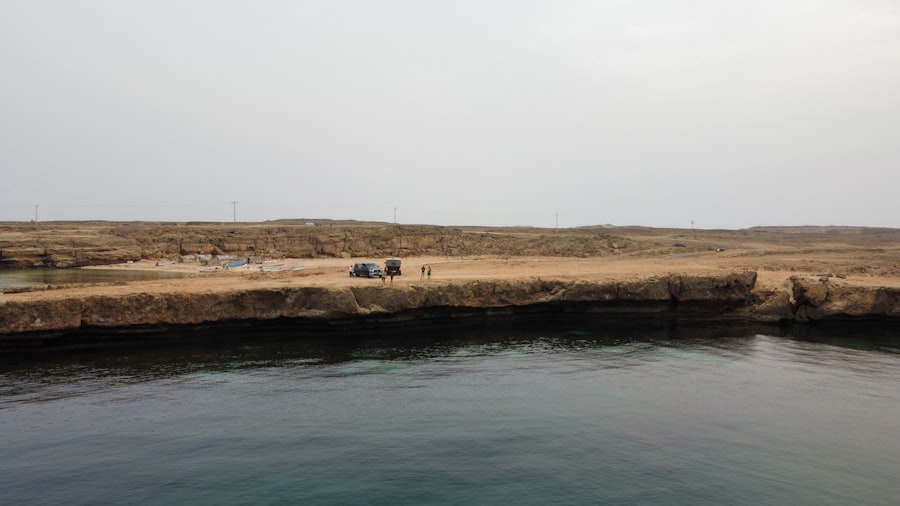
The environmental challenges associated with the Strait of Hormuz are significant and multifaceted. The heavy maritime traffic through this narrow waterway raises concerns about pollution and ecological degradation. Oil spills, accidents involving cargo ships, and other environmental hazards pose risks not only to marine life but also to coastal communities dependent on healthy ecosystems.
Additionally, the geopolitical tensions in the region complicate efforts to address environmental issues effectively. Cooperation among nations is often hindered by political rivalries, making it difficult to implement comprehensive environmental protection measures. As climate change continues to impact global weather patterns and sea levels, addressing these environmental challenges will become increasingly urgent for all nations that rely on or are affected by activities in the Strait of Hormuz.
International tensions and conflicts in the region
International tensions surrounding the Strait of Hormuz have been a persistent feature of Middle Eastern geopolitics. The strait has witnessed numerous incidents that reflect broader regional conflicts, including skirmishes between Iranian forces and U.S. naval vessels. These confrontations often serve as flashpoints for escalating tensions between Iran and Western powers, particularly amid ongoing disputes over nuclear programs and regional influence. The involvement of various international actors further complicates these tensions.
As these geopolitical rivalries play out in and around the Strait of Hormuz, they contribute to an environment fraught with uncertainty and potential conflict.
Security threats and piracy in the strait
Security threats in the Strait of Hormuz extend beyond state-sponsored military actions; piracy also poses a significant challenge to maritime safety in these waters. While piracy has historically been more prevalent in other regions, such as off the coast of Somalia, incidents have been reported in the Strait of Hormuz as well. The potential for piracy not only threatens shipping routes but also raises concerns about insurance costs and overall maritime security.
Moreover, non-state actors operating within or near the strait can exploit vulnerabilities in maritime security frameworks. These groups may engage in illicit activities that disrupt shipping or threaten vessels transiting through this critical passage. As nations work to enhance security measures in response to these threats, they must also navigate complex political landscapes that can complicate cooperative efforts.
International efforts to secure the strait
In response to the myriad security challenges facing the Strait of Hormuz, international efforts have been mobilized to enhance maritime security and ensure safe passage for vessels traversing this vital waterway. Multinational coalitions have been formed to patrol these waters and deter potential threats from hostile actors. These efforts often involve collaboration between regional powers and external allies seeking to maintain stability in this strategically important area.
Additionally, diplomatic initiatives aimed at de-escalating tensions between rival nations play a crucial role in securing the strait. Dialogue between Iran and Western powers has been attempted at various points, with negotiations focusing on nuclear agreements and regional security arrangements. While progress has been uneven, sustained diplomatic engagement remains essential for fostering an environment conducive to maritime safety and cooperation.
Future developments and potential risks
Looking ahead, several developments could shape the future dynamics surrounding the Strait of Hormuz. The ongoing evolution of global energy markets may lead to shifts in shipping patterns as countries seek alternative routes or sources for their energy needs. Additionally, advancements in technology may enhance maritime security measures but could also introduce new vulnerabilities that need to be addressed.
The potential for renewed conflicts or escalated tensions remains a significant risk factor for the region. As geopolitical rivalries persist and new actors emerge on the stage, maintaining stability in and around the Strait of Hormuz will require concerted efforts from both regional players and international stakeholders. The interplay between military posturing, economic interests, and environmental concerns will continue to shape discussions about security and cooperation in this critical maritime corridor.
The ongoing importance of the Strait of Hormuz
In conclusion, the Strait of Hormuz stands as a vital artery for global trade and energy transportation, with its significance extending far beyond its geographical confines. The interplay of geopolitical interests, economic dependencies, military strategies, environmental challenges, and international tensions underscores its complexity as a focal point in global affairs. As nations navigate their interests within this critical waterway, it is clear that maintaining stability will require ongoing dialogue, cooperation, and vigilance.
The future of the Strait of Hormuz will undoubtedly be shaped by evolving dynamics both within the region and on a global scale. As energy demands continue to rise and geopolitical rivalries persist, its importance will remain undiminished. The world will continue to watch closely as developments unfold in this strategic passageway that plays an indispensable role in shaping economic fortunes and geopolitical landscapes alike.
The Strait of Hormuz is a critical maritime chokepoint, playing a pivotal role in global energy security due to its strategic location and the volume of oil that passes through it daily. Understanding its significance can be further enriched by exploring related geographical insights. For instance, an article on MyGeoQuest delves into various geographical features and their global implications, providing a broader context to the importance of such strategic locations. This resource can offer additional perspectives on why regions like the Strait of Hormuz are vital to international trade and energy distribution.
WATCH THIS! One Narrow Strait Holds Global Economy Hostage
FAQs
What is the significance of the Strait of Hormuz?
The Strait of Hormuz is a crucial waterway that connects the Persian Gulf to the Gulf of Oman and the Arabian Sea. It is one of the world’s most important strategic chokepoints for the transportation of oil and natural gas.
How much oil passes through the Strait of Hormuz?
Approximately 20% of the world’s oil supply passes through the Strait of Hormuz, making it a critical artery for global energy trade.
Why is the security of the Strait of Hormuz important?
Ensuring the security and stability of the Strait of Hormuz is vital for global energy security and the uninterrupted flow of oil to international markets. Any disruption in the strait could have significant impacts on the global economy and energy prices.
What are the geopolitical implications of the Strait of Hormuz?
The strategic location of the Strait of Hormuz has made it a focal point for geopolitical tensions and conflicts. The control of this waterway has been a source of contention among regional and global powers.
How does the international community address security concerns in the Strait of Hormuz?
The international community, including the United States and its allies, has conducted naval patrols and security operations in the region to ensure the safe passage of vessels through the strait and to deter potential threats to maritime trade.