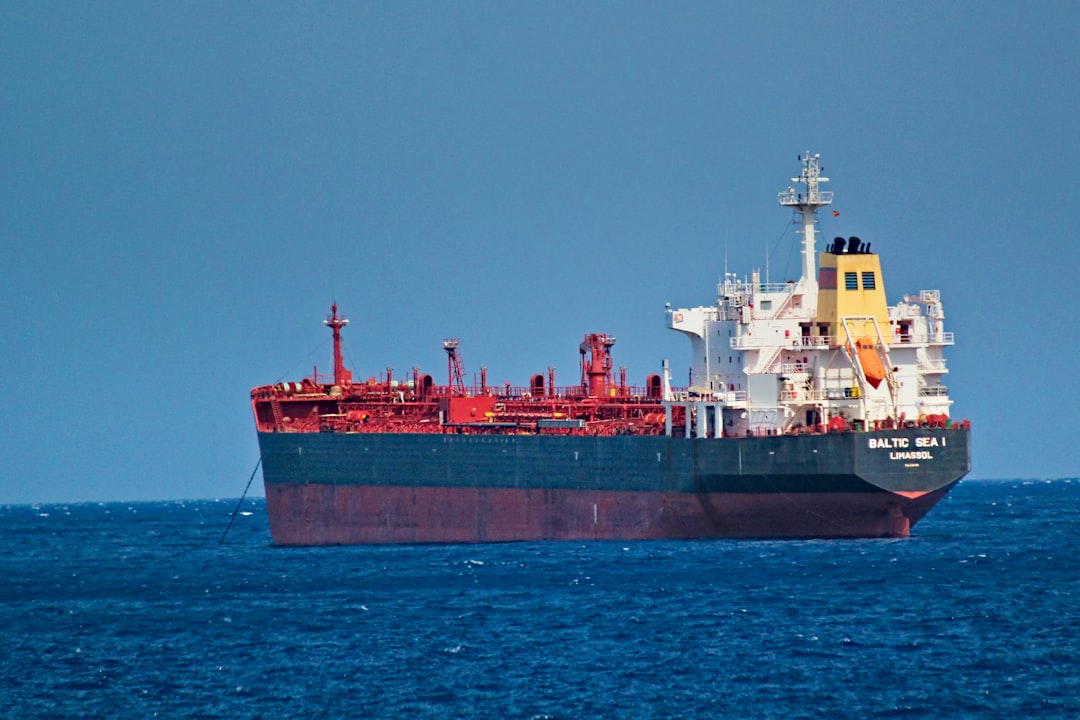
The Cape, often referred to in maritime contexts as the Cape of Good Hope, is a significant geographical landmark located at the southern tip of Africa. This region has long been a crucial waypoint for vessels traversing the treacherous waters of the Atlantic and Indian Oceans. Historically, it has served as a vital navigation point for explorers, traders, and modern shipping fleets alike.
The Cape’s strategic position not only offers a shortcut for ships traveling between Europe and Asia but also presents a unique set of challenges and opportunities for maritime navigation. The allure of the Cape lies not only in its breathtaking landscapes but also in its rich maritime history. The waters surrounding the Cape have witnessed countless shipwrecks and navigational mishaps, making it a focal point for discussions about maritime safety and environmental stewardship.
As global trade continues to expand, the importance of this region in oil tanker navigation has become increasingly pronounced, necessitating a closer examination of the complexities involved in traversing these waters.
Key Takeaways
- The Cape is a crucial point for oil tanker navigation due to its strategic location and economic significance.
- Navigating the Cape presents challenges such as strong currents, unpredictable weather, and narrow passages.
- Environmental concerns related to oil tanker navigation at the Cape include the risk of oil spills and their impact on marine life and coastal ecosystems.
- Local communities near the Cape are affected by oil tanker navigation through potential environmental damage and economic dependence on the oil industry.
- Technology and innovation play a key role in improving oil tanker navigation at the Cape, while international regulations and guidelines help ensure safety and environmental protection.
The Importance of Oil Tanker Navigation
Oil tankers play a pivotal role in the global economy, transporting vast quantities of crude oil and refined petroleum products across oceans. The Cape serves as a critical juncture for these vessels, facilitating the movement of energy resources from production regions to markets around the world. The significance of this navigation cannot be overstated; it underpins energy security for many nations and supports the intricate web of international trade.
Navigating the Cape is not merely a logistical challenge; it is an essential component of the global supply chain. The efficient movement of oil tankers through this region ensures that energy demands are met, contributing to economic stability and growth. As countries strive to secure their energy needs, the role of the Cape in facilitating these shipments becomes increasingly vital, highlighting the need for effective navigation strategies and safety protocols.
Challenges of Navigating the Cape
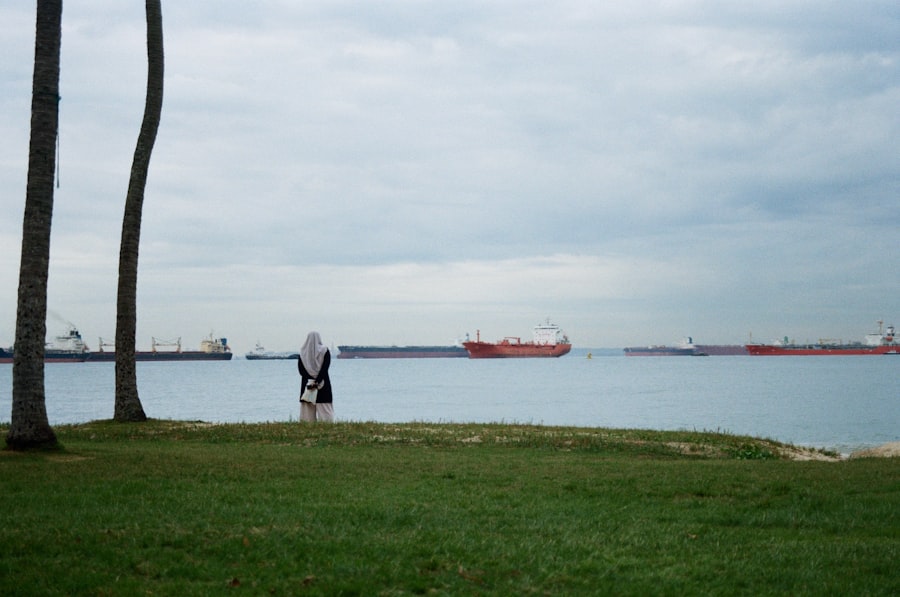
Despite its importance, navigating the Cape presents numerous challenges that can jeopardize both maritime safety and environmental integrity. The region is notorious for its unpredictable weather patterns, including strong winds and turbulent seas that can create hazardous conditions for even the most experienced mariners. These natural elements can lead to delays, accidents, and even catastrophic incidents involving oil spills.
In addition to weather-related challenges, the Cape is also characterized by complex maritime traffic patterns. The convergence of various shipping routes increases the risk of collisions and navigational errors. Oil tankers, often carrying millions of gallons of crude oil, must navigate these busy waters with precision and care.
The combination of environmental factors and heavy traffic creates a precarious situation that requires constant vigilance and advanced navigational techniques.
Environmental Concerns
| Category | Metrics |
|---|---|
| Carbon Emissions | CO2 emissions per capita |
| Water Usage | Water consumption per person |
| Waste Management | Percentage of waste recycled |
| Biodiversity | Number of endangered species |
The environmental implications of oil tanker navigation around the Cape are profound and far-reaching. The potential for oil spills poses a significant threat to marine ecosystems, which are already vulnerable due to climate change and overfishing. A single incident can have devastating effects on local wildlife, including endangered species that inhabit these waters.
The delicate balance of marine life can be disrupted, leading to long-term ecological consequences. Moreover, the Cape’s unique biodiversity is at risk from pollution and habitat degradation associated with shipping activities. The introduction of invasive species through ballast water discharge further complicates the environmental landscape.
As oil tankers traverse these waters, they inadvertently contribute to a range of ecological challenges that require urgent attention from policymakers and environmental advocates alike.
Impact on Local Communities
The communities surrounding the Cape are deeply intertwined with its maritime activities. Fishing, tourism, and other local industries rely on the health of the marine environment, making them vulnerable to the impacts of oil tanker navigation. When accidents occur or pollution levels rise, it is often these communities that bear the brunt of the consequences.
Fishermen may find their livelihoods threatened by contaminated waters, while tourism may suffer due to negative perceptions associated with oil spills. Furthermore, local communities often lack a voice in discussions about maritime regulations and practices that affect their lives. The economic benefits derived from oil tanker traffic must be weighed against the potential risks to local ecosystems and economies.
Engaging these communities in decision-making processes is essential to ensure that their concerns are addressed and that sustainable practices are prioritized.
Technology and Innovation in Oil Tanker Navigation
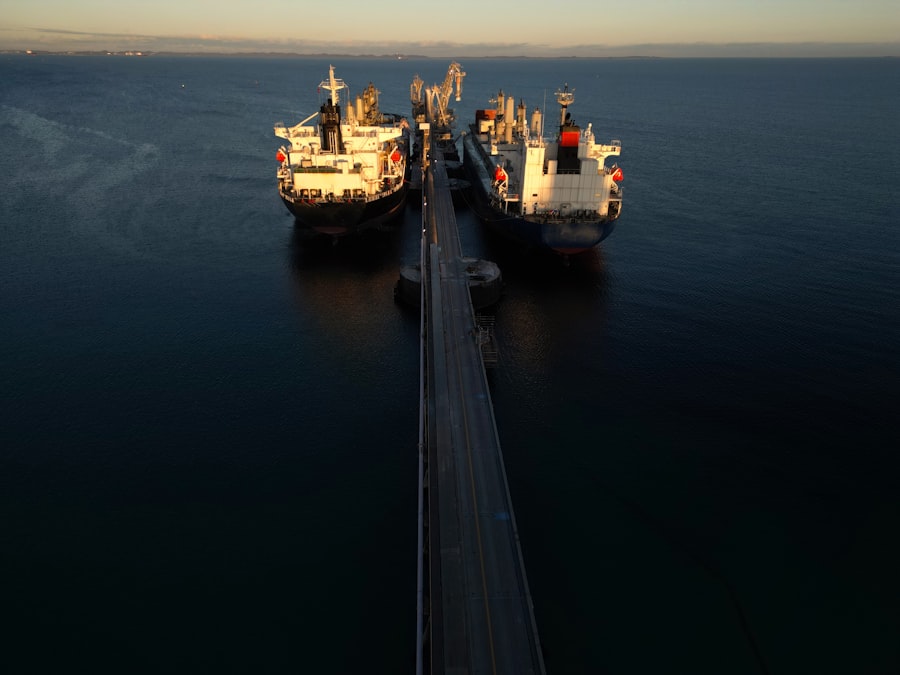
In response to the challenges posed by navigating the Cape, advancements in technology have emerged as a beacon of hope for improving safety and efficiency in oil tanker operations. Modern navigation systems equipped with sophisticated radar, GPS, and real-time weather data allow vessels to make informed decisions while at sea. These innovations enhance situational awareness and enable crews to respond swiftly to changing conditions.
Moreover, developments in vessel design have led to more fuel-efficient tankers that minimize environmental impact. Innovations such as double-hulled tankers reduce the risk of spills in case of accidents, while automated systems streamline operations and improve safety protocols. As technology continues to evolve, it holds the promise of transforming oil tanker navigation into a more sustainable endeavor.
International Regulations and Guidelines
The international community has recognized the need for robust regulations governing oil tanker navigation to mitigate risks associated with maritime transport. Organizations such as the International Maritime Organization (IMO) have established guidelines aimed at enhancing safety standards and protecting marine environments. These regulations encompass various aspects of shipping operations, including vessel design, crew training, and emergency response protocols.
Compliance with these international regulations is crucial for ensuring that oil tankers navigate the Cape safely and responsibly. However, enforcement can be challenging due to varying levels of commitment among nations and differences in regulatory frameworks. Strengthening international cooperation and fostering adherence to best practices are essential steps toward safeguarding both maritime safety and environmental health.
Rerouting Options for Oil Tankers
Given the challenges associated with navigating the Cape, rerouting options have emerged as a potential solution for oil tankers seeking safer passage. Alternative routes may offer less turbulent waters or reduced traffic congestion, thereby minimizing risks associated with navigation. However, rerouting comes with its own set of considerations, including increased travel distances and potential impacts on fuel consumption.
Exploring rerouting options requires careful analysis of various factors, including environmental implications, economic costs, and logistical feasibility. While some alternative routes may provide safer passage, they may also lead to longer transit times or increased operational expenses for shipping companies. Balancing safety with efficiency is paramount in determining whether rerouting is a viable solution for oil tankers navigating around the Cape.
Economic Implications of Rerouting
The economic implications of rerouting oil tankers are multifaceted and can significantly impact global trade dynamics.
Shipping companies must weigh these costs against potential savings from avoiding accidents or spills.
Moreover, rerouting can have broader implications for energy markets and supply chains. Changes in shipping routes may affect delivery times for crude oil and refined products, potentially leading to fluctuations in prices and availability. As countries strive to secure their energy needs amidst evolving geopolitical landscapes, understanding the economic ramifications of rerouting becomes essential for stakeholders across various sectors.
Potential Solutions and Best Practices
To navigate the complexities associated with oil tanker navigation around the Cape sustainably, a multifaceted approach is necessary. Implementing best practices such as enhanced training for crews on emergency response protocols can significantly improve safety outcomes. Additionally, fostering collaboration between shipping companies, local communities, and environmental organizations can lead to more informed decision-making processes that prioritize ecological health.
Investing in research and development for innovative technologies can also play a crucial role in enhancing navigation safety. From advanced weather forecasting systems to improved vessel designs that minimize environmental impact, embracing innovation is key to addressing the challenges posed by navigating the Cape. By prioritizing sustainability in oil tanker operations, stakeholders can work together to protect both maritime safety and local ecosystems.
Navigating the Cape Sustainably
Navigating the Cape presents both opportunities and challenges for oil tankers operating in one of the world’s most significant maritime corridors. As global demand for energy continues to rise, ensuring safe and sustainable navigation through this region becomes increasingly critical. By embracing technological advancements, adhering to international regulations, and engaging local communities in decision-making processes, stakeholders can work toward a future where oil tanker navigation around the Cape is both efficient and environmentally responsible.
Ultimately, navigating the Cape sustainably requires a collective commitment from all parties involved—shipping companies, governments, environmental organizations, and local communities alike. By prioritizing safety, ecological health, and economic viability, it is possible to chart a course toward a more sustainable future for oil tanker navigation at this vital maritime crossroads.
In recent years, the strategic decision to reroute oil tankers around the Cape of Good Hope has gained attention due to its implications on global shipping routes and economic impacts. This shift, primarily driven by geopolitical tensions and the quest for safer passage, has been extensively analyzed in various maritime studies. For a deeper understanding of the historical and geographical significance of the Cape of Good Hope in global trade, you can explore this related article that delves into the intricacies of maritime navigation and its evolving challenges.
WATCH THIS! One Narrow Strait Holds Global Economy Hostage
FAQs
What is the Cape of Good Hope?
The Cape of Good Hope is a rocky headland on the Atlantic coast of the Cape Peninsula in South Africa. It is a significant landmark for maritime navigation and is known for its challenging weather and sea conditions.
Why are oil tankers being rerouted around the Cape of Good Hope?
Oil tankers are being rerouted around the Cape of Good Hope due to the closure of the Suez Canal, which is a key shipping route for oil tankers. The closure of the Suez Canal has led to a significant increase in shipping traffic around the Cape of Good Hope.
What are the challenges of rerouting oil tankers around the Cape of Good Hope?
Rerouting oil tankers around the Cape of Good Hope presents challenges such as longer voyage durations, increased fuel consumption, and exposure to the region’s challenging weather and sea conditions. Additionally, the increased traffic around the Cape of Good Hope can lead to congestion and potential safety concerns.
How does rerouting oil tankers around the Cape of Good Hope impact the oil industry?
Rerouting oil tankers around the Cape of Good Hope can impact the oil industry by increasing transportation costs, causing delays in oil deliveries, and potentially affecting global oil prices. The longer voyage durations and increased fuel consumption can also have environmental and economic implications.