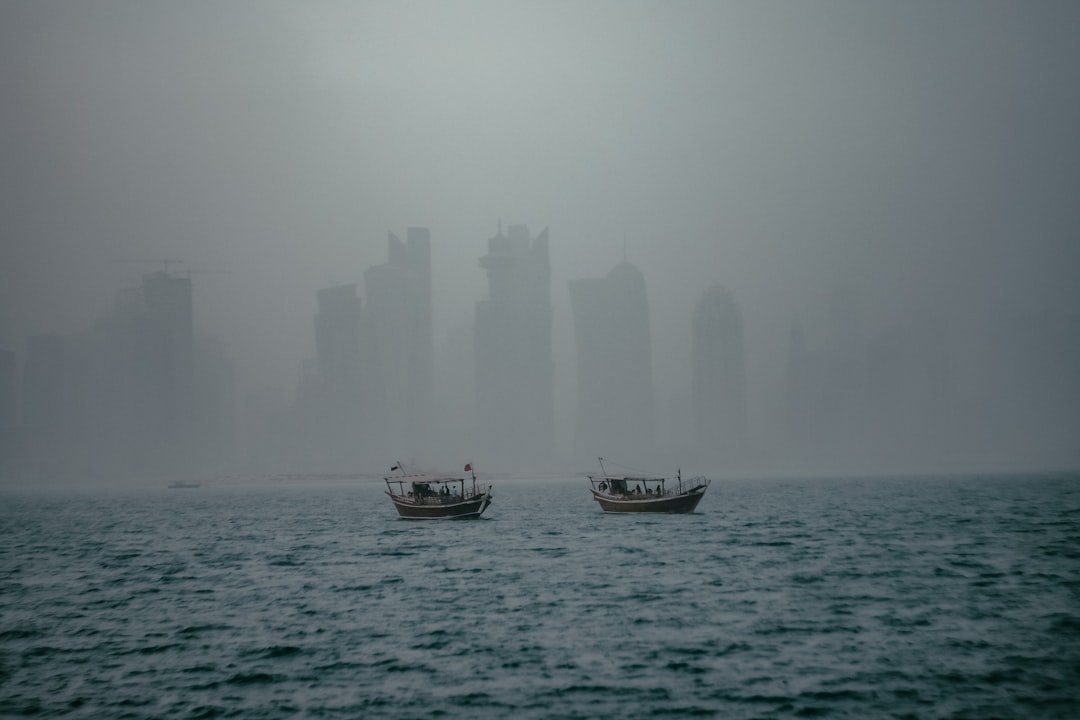
Qatar’s liquefied natural gas (LNG) industry has emerged as a cornerstone of its economy, transforming the nation into one of the world’s leading energy exporters. The country boasts some of the largest natural gas reserves globally, primarily located in the North Field, which is shared with Iran. This vast resource has enabled Qatar to develop a sophisticated LNG infrastructure, including state-of-the-art liquefaction plants and an extensive network of pipelines and shipping facilities.
The strategic development of this industry has not only bolstered Qatar’s economic standing but has also positioned it as a key player in the global energy market. The significance of Qatar’s LNG industry extends beyond mere economic metrics; it plays a vital role in the geopolitical landscape of energy supply. As countries around the world seek to transition from coal and oil to cleaner energy sources, Qatar’s LNG has become increasingly attractive due to its lower carbon emissions compared to other fossil fuels.
This shift in global energy consumption patterns has further solidified Qatar’s status as a reliable supplier, making it an essential partner for nations looking to diversify their energy portfolios.
Key Takeaways
- Qatar is a major player in the global LNG industry, with significant export capabilities.
- The country’s strategic position as a leading LNG exporter is supported by its vast natural gas reserves and advanced production facilities.
- Qatar’s LNG export vulnerability is influenced by factors such as regional political tensions and global market dynamics.
- Geopolitical tensions in the Middle East have the potential to impact Qatar’s LNG exports and create supply disruptions.
- Global demand and supply dynamics, as well as reliance on key shipping routes, also contribute to Qatar’s LNG export vulnerability.
Qatar’s position as a leading LNG exporter
Qatar’s ascendance as a leading LNG exporter is underscored by its impressive production capacity and strategic investments in infrastructure. The country has consistently ranked among the top three LNG exporters worldwide, often competing closely with Australia and the United States. With a production capacity exceeding 77 million tons per year, Qatar has established itself as a dominant force in the LNG market.
The country’s flagship projects, such as the Qatargas and RasGas ventures, have played a pivotal role in achieving this status, showcasing advanced technology and operational efficiency. Moreover, Qatar’s commitment to maintaining its position as a leading LNG exporter is evident in its ongoing expansion plans. The recent announcement of the North Field Expansion Project aims to increase production capacity by an additional 40%, further solidifying Qatar’s role in meeting global energy demands.
This proactive approach not only enhances Qatar’s competitive edge but also reflects its long-term vision for sustainable growth in the LNG sector. As global energy consumption continues to rise, Qatar’s ability to adapt and innovate will be crucial in maintaining its leadership position.
Factors contributing to Qatar’s LNG export vulnerability
Despite its strong position in the LNG market, Qatar faces several vulnerabilities that could impact its export capabilities. One significant factor is its heavy reliance on a single resource: natural gas. While this resource has been a boon for the country’s economy, it also poses risks associated with market fluctuations and geopolitical tensions.
Any disruption in natural gas production or changes in global demand could have immediate repercussions for Qatar’s export revenues and economic stability. Additionally, Qatar’s geographic location presents challenges that contribute to its vulnerability. The country is situated in a region marked by political instability and conflict, which can affect trade routes and shipping operations.
The reliance on specific shipping lanes for LNG exports means that any disruption—be it due to geopolitical tensions or natural disasters—could significantly impact Qatar’s ability to deliver its product to international markets. This precarious balance underscores the need for strategic planning and risk management within the industry.
Geopolitical tensions impacting Qatar’s LNG exports
| Geopolitical Tensions Impacting Qatar’s LNG Exports |
|---|
| 1. Diplomatic crisis with neighboring countries |
| 2. Disruption of shipping routes |
| 3. Impact on global LNG prices |
| 4. Diversification of LNG export markets |
| 5. Investment in LNG infrastructure security |
Geopolitical tensions in the Middle East have historically posed challenges for Qatar’s LNG exports. The blockade imposed by neighboring countries in 2017 exemplified how regional disputes can disrupt trade and create uncertainty in the energy market. During this period, Qatar faced significant hurdles in exporting its LNG, as key shipping routes were obstructed, and traditional markets became less accessible.
This situation highlighted the fragility of Qatar’s export framework and underscored the importance of diversifying trade partnerships. Furthermore, ongoing tensions with Iran and other regional actors continue to create an unpredictable environment for Qatar’s LNG exports. The potential for conflict or sanctions can lead to fluctuations in demand and supply dynamics, affecting pricing and market stability.
As countries navigate their own energy security concerns, Qatar must remain vigilant and adaptable to mitigate the risks associated with these geopolitical challenges. Building strong diplomatic relationships and exploring new markets will be essential for ensuring the resilience of its LNG export strategy.
Impact of global demand and supply dynamics on Qatar’s LNG exports
The global demand for LNG has experienced significant fluctuations over recent years, influenced by various factors such as economic growth, energy policies, and technological advancements. As countries strive to reduce their carbon footprints, the demand for cleaner energy sources like LNG has surged, presenting opportunities for Qatar to expand its market reach. However, this demand is not uniform across regions; it varies based on local energy policies and economic conditions.
Conversely, supply dynamics also play a crucial role in shaping Qatar’s LNG export landscape. The emergence of new players in the LNG market, particularly from the United States and Australia, has intensified competition. These countries have ramped up their production capabilities, leading to an oversupply situation that can depress prices and impact profitability for established exporters like Qatar.
To navigate these challenges, Qatar must remain agile and responsive to shifts in both demand and supply, ensuring that it can maintain its competitive edge in an evolving market.
Qatar’s reliance on key shipping routes for LNG exports
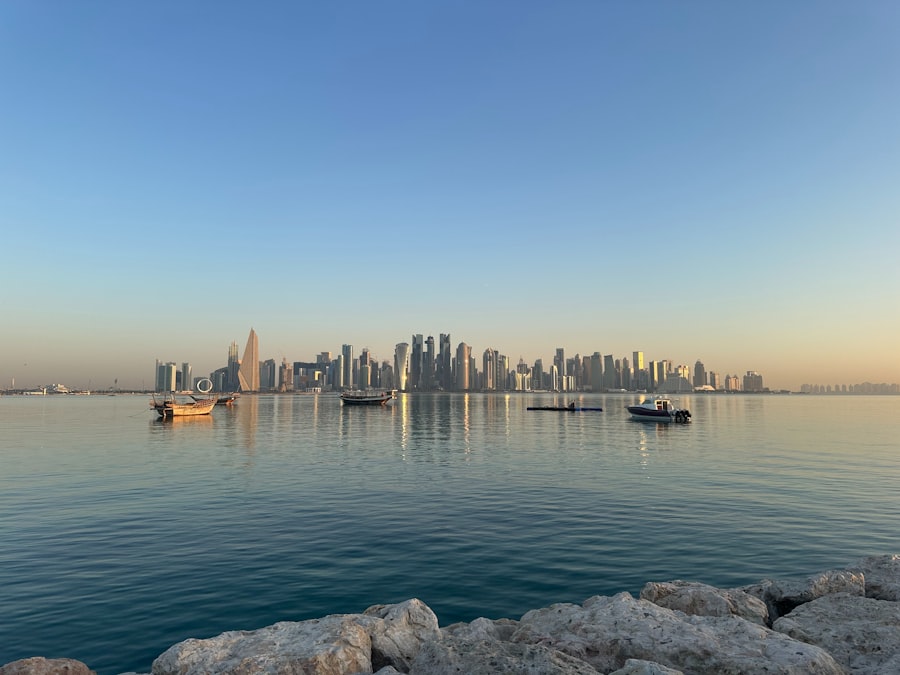
Qatar’s LNG export strategy is heavily dependent on key shipping routes that facilitate the transportation of its product to international markets. The Strait of Hormuz is particularly critical, as it serves as a vital passage for a significant portion of the world’s oil and gas shipments.
Moreover, the reliance on specific shipping routes also exposes Qatar to logistical challenges that can arise from increased competition for maritime resources. As more countries ramp up their LNG exports, congestion in key shipping lanes may become a concern, potentially leading to delays and increased transportation costs. To mitigate these risks, Qatar must invest in alternative shipping routes and enhance its logistical capabilities, ensuring that it can maintain a steady flow of exports even in times of uncertainty.
Vulnerability to disruptions in LNG production facilities
The integrity of Qatar’s LNG production facilities is paramount to its export success; any disruption—be it from technical failures, maintenance issues, or natural disasters—can have immediate repercussions on output levels. The country’s reliance on a limited number of large-scale liquefaction plants means that any operational hiccup can significantly impact overall production capacity. For instance, if one facility were to experience an unexpected shutdown, it could lead to reduced export volumes and financial losses.
Additionally, climate-related events pose an increasing threat to the stability of these production facilities. Rising sea levels and extreme weather patterns can jeopardize infrastructure integrity and operational efficiency. As such, Qatar must prioritize investments in resilience measures that enhance the durability of its facilities against potential disruptions.
This includes adopting advanced technologies for monitoring and maintenance while also developing contingency plans that ensure continuity of operations during unforeseen events.
Qatar’s efforts to diversify its LNG export markets
Recognizing the vulnerabilities inherent in relying on a limited number of markets, Qatar has actively pursued strategies to diversify its LNG export destinations. By expanding its reach into emerging markets across Asia, Europe, and beyond, Qatar aims to reduce its dependence on traditional buyers while tapping into new sources of demand. Countries like China and India have become increasingly important partners as they seek cleaner energy alternatives to support their growing economies.
In addition to geographical diversification, Qatar is also exploring new contractual arrangements that provide greater flexibility in pricing and delivery terms. By offering short-term contracts alongside long-term agreements, Qatar can better respond to fluctuations in global demand while ensuring that it remains competitive against other suppliers. This multifaceted approach not only enhances Qatar’s resilience but also positions it as a preferred partner for countries looking to secure reliable energy supplies.
Potential impact of climate change on Qatar’s LNG exports
As global awareness of climate change intensifies, the implications for Qatar’s LNG exports cannot be overlooked. While natural gas is often touted as a cleaner alternative to coal and oil, it is not without environmental concerns—particularly regarding methane emissions during extraction and transportation processes. As countries commit to ambitious climate targets, there may be increasing pressure on fossil fuel producers like Qatar to demonstrate their commitment to sustainability.
Moreover, climate change poses direct risks to Qatar’s physical environment and infrastructure. Rising temperatures and extreme weather events could impact production facilities and shipping routes alike. To address these challenges, Qatar must invest in research and development aimed at reducing emissions associated with LNG production while also exploring renewable energy alternatives that complement its existing portfolio.
By proactively addressing climate-related concerns, Qatar can enhance its reputation as a responsible energy supplier while safeguarding its long-term export viability.
Strategies for mitigating Qatar’s LNG export vulnerability
To navigate the complexities of the global LNG market effectively, Qatar must adopt comprehensive strategies aimed at mitigating its vulnerabilities. One key approach involves enhancing diplomatic relations with neighboring countries and key trading partners to foster stability within the region. By engaging in dialogue and collaboration on energy security issues, Qatar can reduce geopolitical risks that threaten its export capabilities.
Additionally, investing in technological advancements will be crucial for improving operational efficiency within the LNG sector. Embracing innovations such as digitalization and automation can streamline production processes while minimizing environmental impacts. Furthermore, developing robust contingency plans that address potential disruptions—whether from geopolitical tensions or climate-related events—will be essential for ensuring continuity in exports.
The future outlook for Qatar’s LNG exports
The future outlook for Qatar’s LNG exports remains promising yet fraught with challenges that require careful navigation. As global demand for cleaner energy sources continues to rise, Qatar is well-positioned to capitalize on this trend through strategic investments and diversification efforts. However, geopolitical tensions, climate change impacts, and market dynamics will necessitate ongoing vigilance and adaptability.
By prioritizing resilience through technological innovation and diplomatic engagement while addressing environmental concerns head-on, Qatar can secure its place as a leading player in the global LNG market for years to come. The path forward will require a balanced approach that embraces both economic growth and sustainability—a challenge that will ultimately define the future of Qatar’s LNG industry.
Qatar’s LNG export vulnerability is a topic of significant concern, especially given the geopolitical tensions and market dynamics that can impact its energy sector. An insightful article that delves into the intricacies of this issue can be found on MyGeoQuest. This article explores how Qatar’s reliance on LNG exports makes it susceptible to global market fluctuations and regional political developments. For a deeper understanding of these vulnerabilities and their potential implications, you can read the full article by visiting this link.
WATCH THIS! One Narrow Strait Holds Global Economy Hostage
FAQs
What is Qatar’s LNG export vulnerability?
Qatar’s LNG export vulnerability refers to the potential risks and challenges that could impact its liquefied natural gas (LNG) export industry, which is a crucial source of revenue for the country.
What are some factors that contribute to Qatar’s LNG export vulnerability?
Factors that contribute to Qatar’s LNG export vulnerability include geopolitical tensions in the region, potential disruptions to shipping routes, fluctuating global demand for LNG, and competition from other LNG-producing countries.
How important is Qatar’s LNG export industry to its economy?
Qatar’s LNG export industry is a major contributor to its economy, accounting for a significant portion of the country’s GDP and government revenue.
What measures is Qatar taking to address its LNG export vulnerability?
Qatar is taking measures to diversify its economy, strengthen its energy infrastructure, and expand its LNG market reach to mitigate the risks associated with its LNG export vulnerability.
What are the potential implications of Qatar’s LNG export vulnerability on the global energy market?
Qatar’s LNG export vulnerability could potentially impact the global energy market by affecting LNG supply, prices, and energy security for importing countries.