
The Hormuz Strait, a narrow passage connecting the Persian Gulf to the Gulf of Oman, holds immense geopolitical significance due to its strategic location. This waterway serves as a critical chokepoint for global oil transportation, with approximately 20% of the world’s oil supply passing through it daily. The strait’s narrowest point is just 21 miles wide, making it vulnerable to blockades and military confrontations.
The geopolitical importance of the Hormuz Strait extends beyond oil; it is also a vital route for liquefied natural gas (LNG) and other goods, underscoring its role in global trade dynamics. The strait’s significance is further amplified by the regional tensions involving Iran, the United States, and other Gulf states. Iran’s control over the northern coast of the strait allows it to exert influence over maritime traffic, leading to concerns among neighboring countries and international powers.
The potential for conflict in this region raises alarms about the stability of global energy markets and the security of maritime routes.
Key Takeaways
- The Hormuz Strait is a critical chokepoint for global oil trade and a geopolitical hotspot due to its strategic location.
- Historical tensions and conflicts in the region have shaped the current geopolitical landscape of the Hormuz Strait.
- Disruptions in the Hormuz Strait pose significant risks to global energy markets and can lead to economic instability.
- International cooperation and diplomacy are essential for managing geopolitical risks in the Hormuz Strait and ensuring stability in the region.
- Businesses and investors need to develop robust strategies to navigate geopolitical risks in the Hormuz Strait and protect their interests.
Historical Context: The Hormuz Strait in Global Trade and Politics
Historically, the Hormuz Strait has been a focal point of trade and political maneuvering for centuries. Its strategic location has made it a coveted asset for empires and nations alike, from ancient Persia to modern-day powers. The strait has long been a gateway for trade between East and West, facilitating the exchange of goods, culture, and ideas.
In the 16th century, the Portuguese established a stronghold in the region to control trade routes, highlighting its enduring importance in global commerce. In more recent history, the discovery of vast oil reserves in the Persian Gulf during the 20th century transformed the geopolitical landscape surrounding the Hormuz Strait. The strait became a critical artery for oil exports, leading to increased foreign interest and intervention in regional affairs.
The 1979 Iranian Revolution and subsequent tensions between Iran and Western nations further complicated the situation, as control over this vital waterway became intertwined with broader geopolitical rivalries. The historical context of the Hormuz Strait illustrates how trade routes can shape political dynamics and influence international relations.
Current Geopolitical Tensions and Risks in the Hormuz Strait
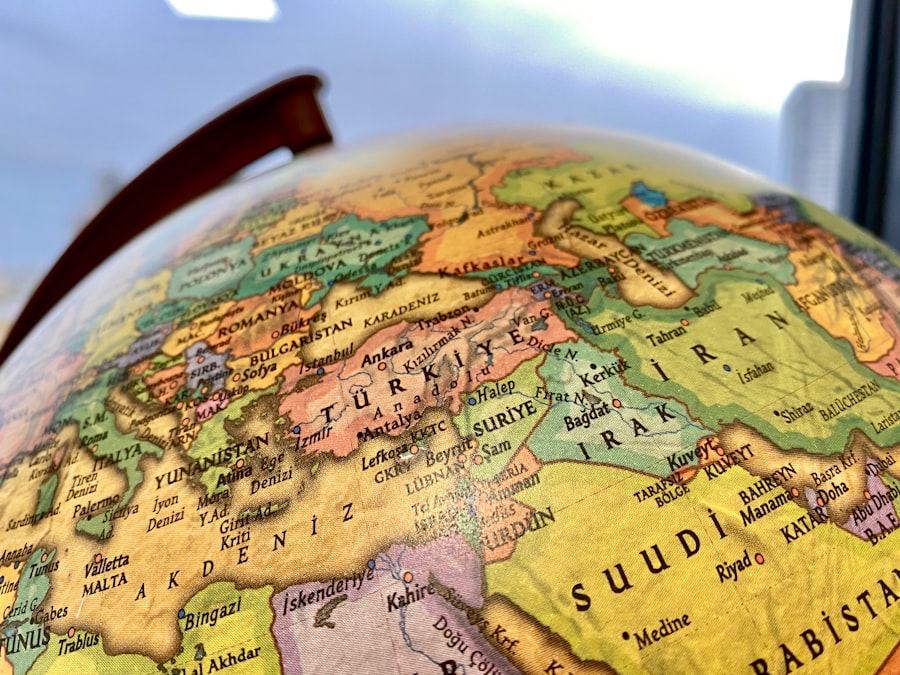
In contemporary times, the Hormuz Strait remains a flashpoint for geopolitical tensions, particularly between Iran and the United States. The U.S. has maintained a significant military presence in the region to ensure freedom of navigation and protect its interests, while Iran has threatened to disrupt shipping through the strait in response to sanctions and perceived aggressions.
Incidents such as the seizure of oil tankers and military confrontations have heightened fears of an escalation into open conflict. Moreover, regional rivalries involving Saudi Arabia, Israel, and other Gulf states add layers of complexity to the situation. These nations view Iran’s actions as a direct threat to their security and have sought to counter its influence through alliances and military preparedness.
The potential for miscalculation or unintended escalation in this volatile environment poses significant risks not only to regional stability but also to global energy markets reliant on uninterrupted access to oil supplies.
Economic Implications: The Impact of Hormuz Strait Disruption on Global Markets
| Metrics | Data |
|---|---|
| Oil Prices | Expected to increase by 15-20% |
| Shipping Costs | Expected to rise by 30-40% |
| Global GDP Growth | Projected to decrease by 0.5-1% |
| Stock Market Volatility | Anticipated to rise significantly |
The economic implications of any disruption in the Hormuz Strait are profound, given its role as a critical transit point for oil and gas shipments. A blockade or military conflict could lead to skyrocketing oil prices, affecting economies worldwide. For instance, even temporary disruptions can trigger panic in markets, leading to increased volatility and uncertainty.
Countries heavily reliant on oil imports would face immediate economic repercussions, potentially leading to inflationary pressures and reduced economic growth. Furthermore, disruptions in the Hormuz Strait could have cascading effects on global supply chains beyond energy markets. Industries dependent on timely deliveries of raw materials could experience delays, leading to production slowdowns and increased costs.
The interconnectedness of global trade means that instability in one region can reverberate across continents, highlighting the need for robust contingency planning among businesses and investors.
The Role of International Players in Managing Geopolitical Risks in the Hormuz Strait
International players play a crucial role in managing geopolitical risks associated with the Hormuz Strait. The United States, as a dominant military power in the region, has taken a proactive approach by conducting naval operations aimed at ensuring freedom of navigation. Additionally, European nations have sought diplomatic solutions to ease tensions with Iran while maintaining their energy security interests.
Regional organizations such as the Gulf Cooperation Council (GCC) also contribute to stability by fostering cooperation among member states. Collaborative efforts to enhance maritime security and intelligence sharing can mitigate risks associated with potential conflicts in the strait.
Navigating Geopolitical Risks: Strategies for Businesses and Investors
For businesses and investors operating in or reliant on trade through the Hormuz Strait, navigating geopolitical risks requires strategic foresight and adaptability. Companies should conduct thorough risk assessments to identify vulnerabilities within their supply chains and develop contingency plans that account for potential disruptions. Diversifying supply sources and routes can help mitigate reliance on any single chokepoint.
Moreover, staying informed about geopolitical developments is essential for making informed decisions. Engaging with local experts and leveraging intelligence resources can provide valuable insights into emerging risks. Businesses may also consider investing in insurance products that cover geopolitical risks to safeguard their assets against unforeseen events.
The Importance of Diplomacy and Multilateral Cooperation in Mitigating Geopolitical Risks in the Hormuz Strait
Diplomacy and multilateral cooperation are vital components in mitigating geopolitical risks associated with the Hormuz Strait. Engaging in dialogue among regional powers can help de-escalate tensions and foster mutual understanding. Initiatives aimed at building trust through confidence-building measures can create an environment conducive to peaceful resolution of disputes.
International organizations such as the United Nations can play a pivotal role in facilitating diplomatic efforts by providing platforms for dialogue and negotiation. Collaborative frameworks that involve multiple stakeholders can enhance collective security measures while addressing underlying grievances that contribute to instability in the region.
Military Presence and Security Measures in the Hormuz Strait
The military presence in the Hormuz Strait serves as both a deterrent against potential aggressors and a means of ensuring safe passage for commercial vessels. The United States has deployed naval forces to conduct regular patrols, demonstrating its commitment to maintaining freedom of navigation. Additionally, allied nations have joined these efforts through joint exercises aimed at enhancing maritime security.
However, an increased military presence also raises concerns about escalation and miscommunication between rival forces. Incidents involving naval encounters or misunderstandings can quickly spiral into larger conflicts if not managed carefully. Therefore, establishing clear communication channels among military forces operating in the region is essential for preventing unintended confrontations.
Environmental and Humanitarian Concerns in the Hormuz Strait
Beyond geopolitical considerations, environmental and humanitarian concerns are increasingly relevant in discussions about the Hormuz Strait. The potential for oil spills or other environmental disasters resulting from military actions poses significant risks to marine ecosystems and coastal communities. Protecting these environments is not only an ethical imperative but also essential for sustaining livelihoods dependent on fishing and tourism.
Humanitarian issues also arise from conflicts in the region, particularly concerning civilian populations affected by military actions or economic sanctions. Addressing these concerns requires a comprehensive approach that prioritizes human rights alongside security interests. Engaging with local communities and international organizations can help ensure that humanitarian needs are met amid geopolitical tensions.
Future Outlook: Anticipating and Managing Geopolitical Risks in the Hormuz Strait
Looking ahead, anticipating and managing geopolitical risks in the Hormuz Strait will require ongoing vigilance and adaptability from all stakeholders involved. As regional dynamics continue to evolve, businesses must remain agile in their strategies while governments work towards diplomatic solutions that prioritize stability over confrontation. Emerging technologies such as satellite surveillance and artificial intelligence may offer new tools for monitoring maritime activities and enhancing security measures.
Investing in these innovations can provide valuable insights into potential threats while improving response capabilities.
The Strategic Imperative of Addressing Geopolitical Risks in the Hormuz Strait
In conclusion, addressing geopolitical risks in the Hormuz Strait is not merely an option but a strategic imperative for nations, businesses, and international organizations alike. The strait’s significance as a vital artery for global trade underscores the need for collaborative efforts aimed at ensuring stability and security in this critical region. By prioritizing diplomacy, multilateral cooperation, and proactive risk management strategies, stakeholders can work towards mitigating tensions while safeguarding economic interests on a global scale.
As history has shown, navigating these complexities requires foresight, adaptability, and a commitment to peaceful resolution—principles that must guide future actions concerning this pivotal waterway.
In the realm of geopolitical risk analysis, the Strait of Hormuz remains a critical focal point due to its strategic importance in global oil transportation. Analysts continuously monitor this region to assess potential disruptions that could impact international markets. For a deeper understanding of the complexities surrounding geopolitical risks in areas like the Strait of Hormuz, you can explore a related article on