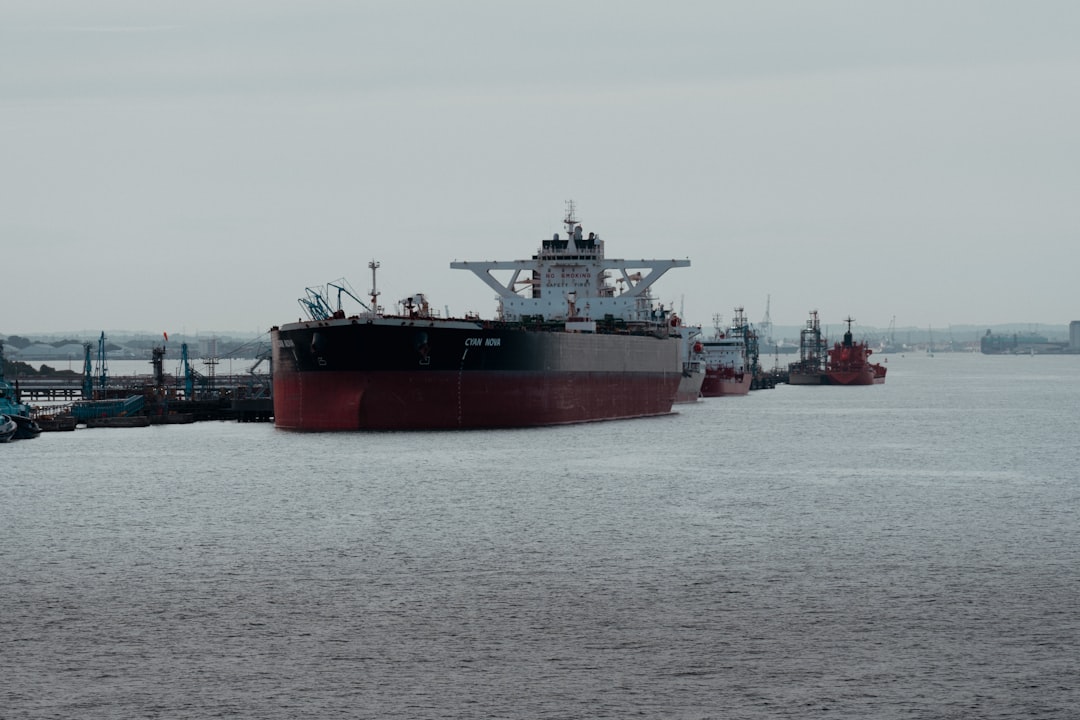
The cost of insuring oil tankers has seen a significant increase in recent years, driven by a multitude of factors that intertwine to create a complex landscape for insurers and shipowners alike. One of the primary contributors to this rising cost is the heightened risk associated with oil transportation. The oil industry is inherently fraught with dangers, including spills, accidents, and piracy, which can lead to substantial financial losses.
As these risks become more pronounced, insurers are compelled to adjust their premiums accordingly, reflecting the increased likelihood of claims. Additionally, the global economic climate plays a crucial role in shaping insurance costs. Fluctuations in oil prices, driven by supply and demand dynamics, can impact the overall profitability of shipping companies.
When oil prices soar, the demand for transportation services often increases, leading to a greater number of vessels on the water. This surge in activity can elevate the risk profile for insurers, prompting them to raise premiums to account for the potential increase in incidents. Furthermore, the financial stability of shipping companies is also scrutinized by insurers, as companies facing economic challenges may be more prone to cutting corners on safety measures, further exacerbating risk.
Key Takeaways
- Geopolitical tensions and market volatility are key factors driving the rising cost of insuring oil tankers.
- Environmental regulations play a significant role in increasing insurance costs for oil tankers due to compliance requirements and potential liabilities.
- Risk management is crucial in mitigating insurance costs for oil tankers, emphasizing the importance of proactive safety measures.
- Technology can improve safety and reduce insurance costs for oil tankers, highlighting the role of innovation in risk mitigation.
- Compliance and best practices are essential in managing insurance costs for oil tankers, emphasizing the importance of adherence to industry standards and regulations.
The Impact of Geopolitical Tensions on Insurance Premiums for Oil Tankers
Geopolitical tensions have a profound impact on the insurance landscape for oil tankers. Regions characterized by instability or conflict often see a spike in insurance premiums due to the elevated risks associated with operating in such environments. For instance, areas like the Strait of Hormuz or the Gulf of Aden have historically been hotspots for piracy and military confrontations, leading insurers to impose higher rates to mitigate potential losses.
The unpredictability of geopolitical events means that insurers must remain vigilant and responsive to changes in the global political climate. Moreover, sanctions and trade restrictions imposed by governments can further complicate the insurance process for oil tankers.
Insurers must navigate these complexities while assessing the risks involved in insuring vessels operating in sanctioned regions. As a result, premiums may rise not only due to direct threats but also because of the broader implications of geopolitical maneuvering that affect global trade patterns.
Exploring the Role of Environmental Regulations in Increasing Insurance Costs for Oil Tankers
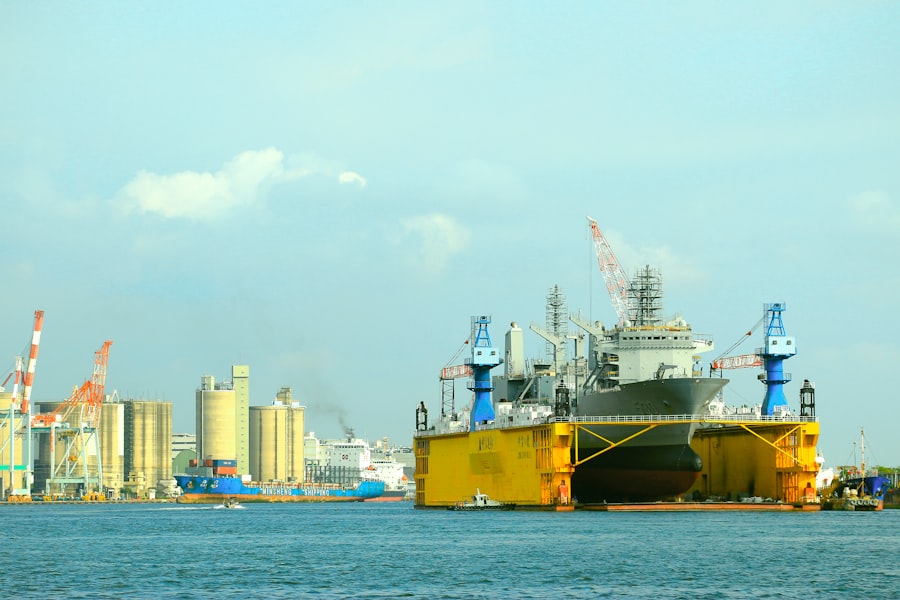
Environmental regulations have emerged as a significant factor influencing the cost of insuring oil tankers. In recent years, there has been a global push towards stricter environmental standards aimed at reducing pollution and protecting marine ecosystems. These regulations often require shipping companies to invest in advanced technologies and practices that comply with new standards, which can lead to increased operational costs.
Insurers take these additional expenses into account when determining premiums, as non-compliance can result in hefty fines and liabilities. Furthermore, the potential for environmental disasters, such as oil spills, has made insurers more cautious when underwriting policies for oil tankers. The financial repercussions of such incidents can be staggering, not only in terms of cleanup costs but also regarding reputational damage and legal liabilities.
As a result, insurers may impose higher premiums on vessels operating in regions where environmental regulations are stringent or where there is a history of environmental incidents. This creates a feedback loop where increased regulatory scrutiny leads to higher insurance costs, which can further strain shipping companies already grappling with rising operational expenses.
Assessing the Influence of Market Volatility on Insurance Rates for Oil Tankers
| Year | Market Volatility Index | Insurance Rates for Oil Tankers |
|---|---|---|
| 2015 | 15.6 | 250,000 |
| 2016 | 18.2 | 280,000 |
| 2017 | 20.5 | 300,000 |
| 2018 | 22.8 | 320,000 |
| 2019 | 25.3 | 350,000 |
Market volatility is another critical factor that influences insurance rates for oil tankers. The shipping industry is susceptible to fluctuations in global oil prices, which can create uncertainty for insurers. When oil prices are volatile, shipping companies may face unpredictable revenue streams, making it challenging for them to maintain financial stability.
Insurers often view this instability as a heightened risk factor, prompting them to adjust their premiums accordingly. Additionally, market conditions can affect the availability of insurance coverage itself. In times of economic uncertainty or downturns in the oil market, insurers may become more selective about the risks they are willing to underwrite.
This can lead to a tightening of capacity in the insurance market, resulting in higher premiums for oil tankers as competition among insurers decreases. As shipping companies navigate these turbulent waters, they must be prepared for fluctuating insurance costs that reflect broader market dynamics.
The Importance of Risk Management in Mitigating Insurance Costs for Oil Tankers
Effective risk management is essential for oil tanker operators seeking to mitigate insurance costs. By implementing robust safety protocols and operational best practices, shipping companies can reduce their exposure to risks that lead to claims. Insurers often reward companies that demonstrate a commitment to safety with lower premiums, recognizing that proactive measures can significantly decrease the likelihood of incidents.
Moreover, risk management extends beyond immediate operational practices; it also involves comprehensive assessments of potential threats and vulnerabilities.
By identifying areas where they can improve safety and compliance, these companies not only enhance their operational efficiency but also position themselves favorably in negotiations with insurers.
Navigating the Complexities of Insuring Oil Tankers in High-Risk Areas
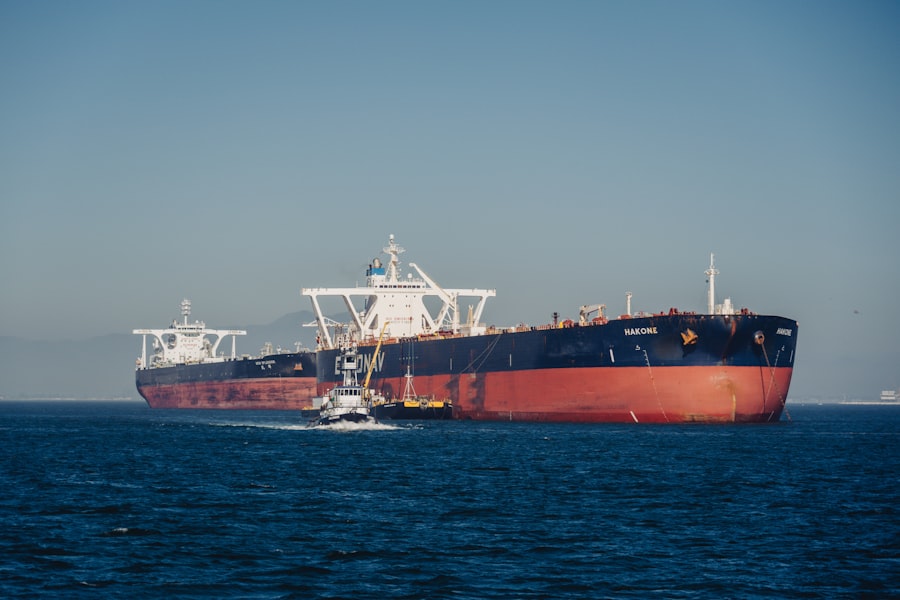
Insuring oil tankers operating in high-risk areas presents unique challenges that require careful navigation by both shipowners and insurers. High-risk regions often come with elevated premiums due to the increased likelihood of incidents such as piracy or geopolitical conflicts. Insurers must conduct thorough assessments of these areas to determine appropriate coverage levels and pricing structures.
In addition to financial considerations, navigating high-risk areas also involves understanding local regulations and geopolitical dynamics. Shipping companies must stay informed about changes in security conditions and potential threats that could impact their operations. Insurers rely on this information to make informed decisions about coverage options and pricing.
As such, effective communication between shipowners and insurers is crucial for managing risks associated with operating in volatile regions.
The Role of Technology in Improving Safety and Reducing Insurance Costs for Oil Tankers
Technology plays a pivotal role in enhancing safety measures for oil tankers and subsequently reducing insurance costs. Innovations such as advanced navigation systems, real-time monitoring tools, and predictive analytics enable shipping companies to operate more safely and efficiently. By leveraging these technologies, operators can minimize risks associated with human error and environmental factors.
Furthermore, insurers are increasingly recognizing the value of technology in risk assessment and management. Companies that adopt cutting-edge safety technologies may find themselves eligible for lower premiums as insurers acknowledge their commitment to reducing risks. As technology continues to evolve, it is likely that its integration into shipping operations will become even more critical in shaping insurance costs for oil tankers.
Understanding the Impact of Incidents and Accidents on Insurance Premiums for Oil Tankers
Incidents and accidents have a direct correlation with insurance premiums for oil tankers. When a vessel is involved in an accident or experiences a significant incident, it not only incurs immediate costs but also affects future insurance rates for that vessel and potentially others within the same fleet or company. Insurers closely monitor claims history when determining premiums; a record of frequent incidents can lead to substantial increases in rates.
Moreover, high-profile accidents can have ripple effects throughout the industry. A major spill or collision may prompt insurers to reassess their risk models and adjust premiums across the board, even for vessels operating outside the immediate area of concern. This phenomenon underscores the interconnectedness of the shipping industry; an incident involving one vessel can influence perceptions of risk across an entire sector.
The Importance of Compliance and Best Practices in Managing Insurance Costs for Oil Tankers
Compliance with industry regulations and adherence to best practices are vital components in managing insurance costs for oil tankers. Shipping companies that prioritize compliance not only reduce their exposure to legal liabilities but also enhance their standing with insurers. A strong compliance record signals to insurers that a company is committed to maintaining high safety standards, which can lead to more favorable premium rates.
Additionally, implementing best practices across all operational aspects—from crew training to maintenance protocols—can further mitigate risks associated with oil transportation. Insurers often look favorably upon companies that demonstrate a proactive approach to safety and compliance, rewarding them with lower premiums as a result. By fostering a culture of safety and accountability within their organizations, shipping companies can effectively manage their insurance costs while ensuring safe operations.
Exploring Alternative Insurance Options for Oil Tankers in a Changing Market
As the insurance landscape evolves, oil tanker operators may find it beneficial to explore alternative insurance options beyond traditional coverage models. The emergence of alternative risk transfer mechanisms—such as captives or self-insurance—can provide shipping companies with greater flexibility in managing their insurance needs. These options allow operators to tailor coverage specifically to their unique risk profiles while potentially reducing overall costs.
Additionally, collaboration among industry stakeholders can lead to innovative insurance solutions that address specific challenges faced by oil tanker operators. By pooling resources or forming alliances with other companies facing similar risks, operators may be able to negotiate better terms with insurers or develop customized coverage solutions that align with their operational realities.
Strategies for Negotiating Insurance Rates and Coverage for Oil Tankers in a Competitive Market
In a competitive insurance market, effective negotiation strategies are essential for securing favorable rates and coverage terms for oil tankers. Shipping companies should approach negotiations armed with comprehensive data about their operational history, safety records, and risk management practices. Demonstrating a commitment to safety and compliance can strengthen their position during negotiations.
Furthermore, building strong relationships with insurers can facilitate more favorable outcomes during negotiations. Open communication about operational changes or improvements made since previous policy renewals can help establish trust between shipowners and insurers. By fostering collaborative partnerships with insurers, shipping companies can navigate the complexities of securing insurance coverage while optimizing costs in an increasingly competitive market.
In conclusion, the rising cost of insuring oil tankers is influenced by various interrelated factors ranging from geopolitical tensions and environmental regulations to market volatility and technological advancements. By understanding these dynamics and implementing effective risk management strategies, shipping companies can navigate this complex landscape while working towards mitigating insurance costs effectively.
The cost of insuring oil tankers has been a topic of significant interest, especially in light of recent geopolitical tensions and environmental concerns. As the global demand for oil continues to fluctuate, the risks associated with transporting this vital resource have increased, leading to higher insurance premiums for tanker operators. For a deeper understanding of the factors influencing these costs, you might find the article on MyGeoQuest insightful. It explores the complexities of maritime insurance and the impact of global events on the shipping industry.
WATCH THIS! One Narrow Strait Holds Global Economy Hostage
FAQs
What factors affect the cost of insuring oil tankers?
The cost of insuring oil tankers is affected by various factors including the age and condition of the tanker, the route it will be traveling, the value of the cargo, the level of risk in the operating area, and the insurance company’s assessment of the potential for accidents or incidents.
How does the age and condition of the tanker impact insurance costs?
Older tankers and those in poor condition are generally considered higher risk and may result in higher insurance premiums. Insurance companies take into account the maintenance and safety record of the tanker when determining the cost of coverage.
What role does the route of the tanker play in insurance costs?
The route of the tanker can impact insurance costs as certain areas may be considered higher risk due to piracy, political instability, or environmental hazards. Tankers traveling through these high-risk areas may face higher insurance premiums.
How does the value of the cargo affect insurance costs for oil tankers?
The value of the cargo being transported by the tanker is a significant factor in determining insurance costs. Higher value cargo may result in higher insurance premiums as the potential financial loss in the event of an incident is greater.
What are some of the risks that impact the cost of insuring oil tankers?
Risks such as piracy, political instability, natural disasters, collisions, and oil spills can impact the cost of insuring oil tankers. Insurance companies assess these risks when determining premiums for coverage.
How do insurance companies assess the potential for accidents or incidents when insuring oil tankers?
Insurance companies use various factors such as the safety record of the tanker, the experience and training of the crew, the compliance with industry regulations, and the overall risk profile of the operating area to assess the potential for accidents or incidents when insuring oil tankers.