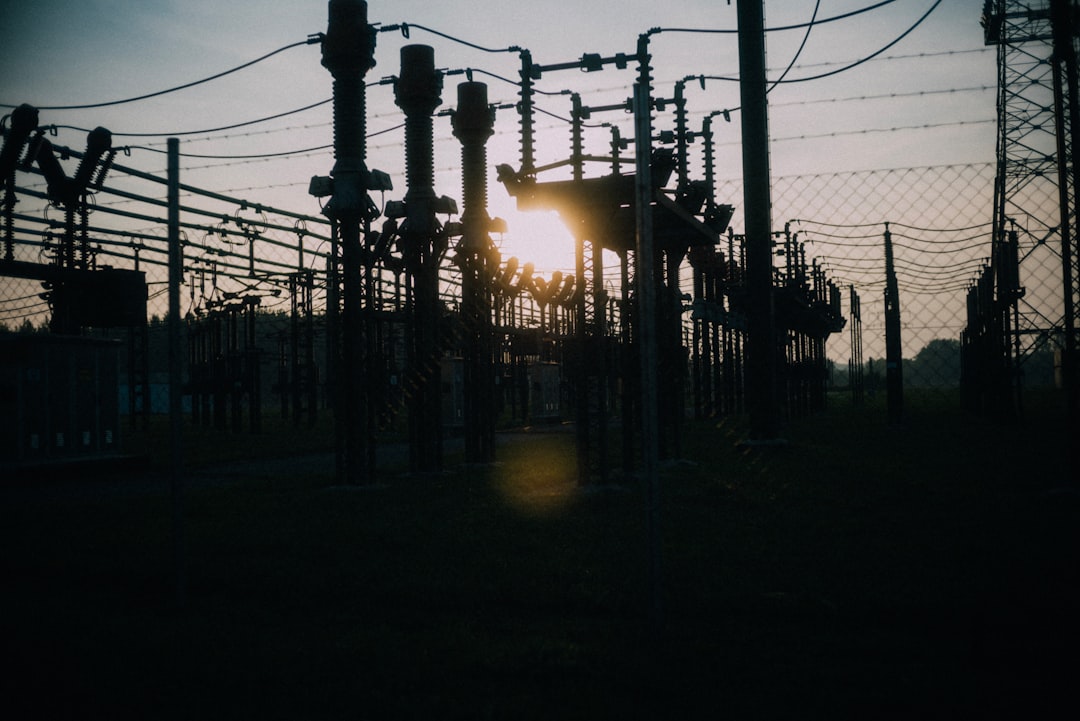
Energy security is a critical concern for nations worldwide, as it directly influences economic stability, national security, and environmental sustainability. At the heart of this issue lies the concept of energy infrastructure bottlenecks, which refer to the limitations and inefficiencies within the systems that generate, transport, and distribute energy. These bottlenecks can arise from various factors, including outdated technology, insufficient investment, regulatory hurdles, and geopolitical tensions.
Understanding these bottlenecks is essential for policymakers and stakeholders aiming to enhance energy security and ensure a reliable energy supply. The implications of energy infrastructure bottlenecks extend beyond mere inconvenience; they can lead to significant economic losses and hinder the transition to cleaner energy sources. For instance, when energy supply chains are disrupted due to inadequate infrastructure, it can result in price volatility and supply shortages.
Furthermore, as countries strive to meet their climate goals, the need for modernized energy systems becomes increasingly urgent. Addressing these bottlenecks is not only a matter of improving efficiency but also a crucial step toward achieving sustainable energy futures.
Key Takeaways
- Energy security infrastructure bottlenecks can lead to disruptions in the global energy supply chain, impacting both producers and consumers.
- Identifying key bottlenecks in energy infrastructure is crucial for developing targeted strategies to address and overcome these challenges.
- Energy security infrastructure bottlenecks can have significant impacts on global energy markets, leading to price volatility and supply shortages.
- Strategies for overcoming energy security infrastructure bottlenecks include investment in new technologies, improving resilience and reliability, and enhancing international cooperation.
- Leveraging renewable energy sources is important for diversifying energy infrastructure and reducing reliance on traditional energy sources.
Identifying Key Bottlenecks in Energy Infrastructure
Identifying the key bottlenecks in energy infrastructure requires a comprehensive analysis of various components within the energy supply chain. One prominent bottleneck is the aging infrastructure that many countries rely on for electricity generation and distribution. In numerous regions, power plants and transmission lines have not been updated in decades, leading to inefficiencies and increased vulnerability to outages.
This aging infrastructure often struggles to accommodate the growing demand for energy, particularly in rapidly developing economies. Another significant bottleneck is the lack of integration between different energy sources. Many countries still operate on a fragmented energy system where renewable sources like wind and solar are not effectively connected to the grid.
This disconnection limits the potential for renewable energy to contribute meaningfully to the overall energy mix. Additionally, regulatory barriers can stifle innovation and investment in new technologies, further exacerbating these bottlenecks. By pinpointing these critical areas of concern, stakeholders can begin to formulate targeted strategies to enhance energy security.
The Impact of Energy Security Infrastructure Bottlenecks on Global Energy Markets
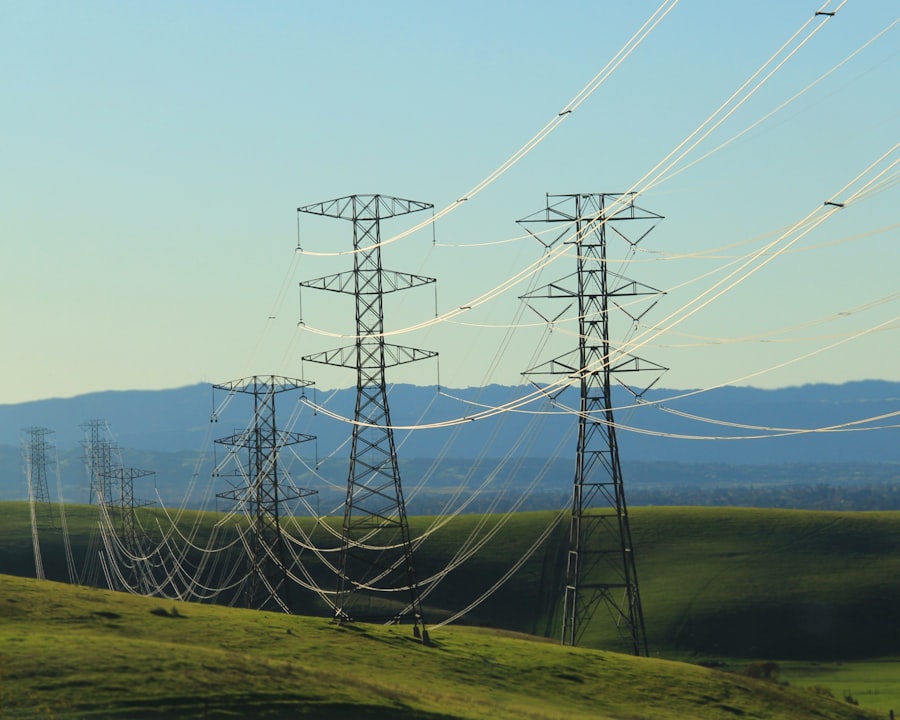
The ramifications of energy security infrastructure bottlenecks extend far beyond national borders, influencing global energy markets in profound ways. When countries experience disruptions in their energy supply due to infrastructure limitations, it can lead to fluctuations in global energy prices. For instance, if a major oil-producing nation faces pipeline issues or electricity shortages, it can create a ripple effect that impacts oil prices worldwide.
Such volatility can destabilize economies that are heavily reliant on energy imports, leading to broader economic challenges. Moreover, these bottlenecks can hinder the transition to a more sustainable global energy landscape. As nations strive to reduce their carbon footprints and embrace renewable energy sources, inadequate infrastructure can impede progress.
The inability to efficiently harness and distribute renewable energy not only affects local markets but also slows down global efforts to combat climate change. Therefore, addressing these infrastructure challenges is essential not only for individual nations but also for fostering a stable and sustainable global energy market.
Strategies for Overcoming Energy Security Infrastructure Bottlenecks
| Strategy | Description |
|---|---|
| Diversification of Energy Sources | Reducing reliance on a single energy source to enhance security and resilience. |
| Investment in Renewable Energy | Increasing the use of renewable energy sources to reduce dependence on fossil fuels. |
| Improving Energy Efficiency | Enhancing the efficiency of energy use to reduce overall demand and strain on infrastructure. |
| Enhancing Energy Storage | Developing better energy storage technologies to mitigate supply disruptions. |
| Modernizing Infrastructure | Upgrading and modernizing energy infrastructure to improve reliability and security. |
To effectively address energy security infrastructure bottlenecks, a multifaceted approach is necessary. One strategy involves investing in modernizing existing infrastructure to enhance efficiency and reliability. Governments and private entities can collaborate to upgrade power plants, transmission lines, and distribution networks with advanced technologies that improve performance and reduce losses.
This modernization effort can also include the integration of smart grid technologies that allow for better monitoring and management of energy resources. Another critical strategy is fostering innovation through research and development initiatives. By supporting new technologies that enhance energy efficiency and storage capabilities, stakeholders can create a more resilient energy system.
This includes investing in battery storage solutions that enable better integration of renewable sources into the grid. Additionally, promoting policies that encourage public-private partnerships can facilitate the sharing of resources and expertise necessary for overcoming these bottlenecks.
Investing in New Energy Infrastructure Technologies
Investing in new energy infrastructure technologies is paramount for addressing existing bottlenecks and preparing for future demands. Emerging technologies such as advanced grid management systems, decentralized energy generation, and smart meters can significantly enhance the efficiency of energy distribution networks. These innovations not only improve reliability but also empower consumers by providing them with real-time data about their energy usage.
Furthermore, investment in renewable energy technologies is crucial for diversifying the energy mix and reducing dependence on fossil fuels. Solar panels, wind turbines, and geothermal systems represent just a few examples of how new technologies can be harnessed to create a more sustainable energy landscape. By prioritizing investments in these areas, countries can not only address current infrastructure challenges but also position themselves as leaders in the global transition toward clean energy.
Improving Energy Infrastructure Resilience and Reliability
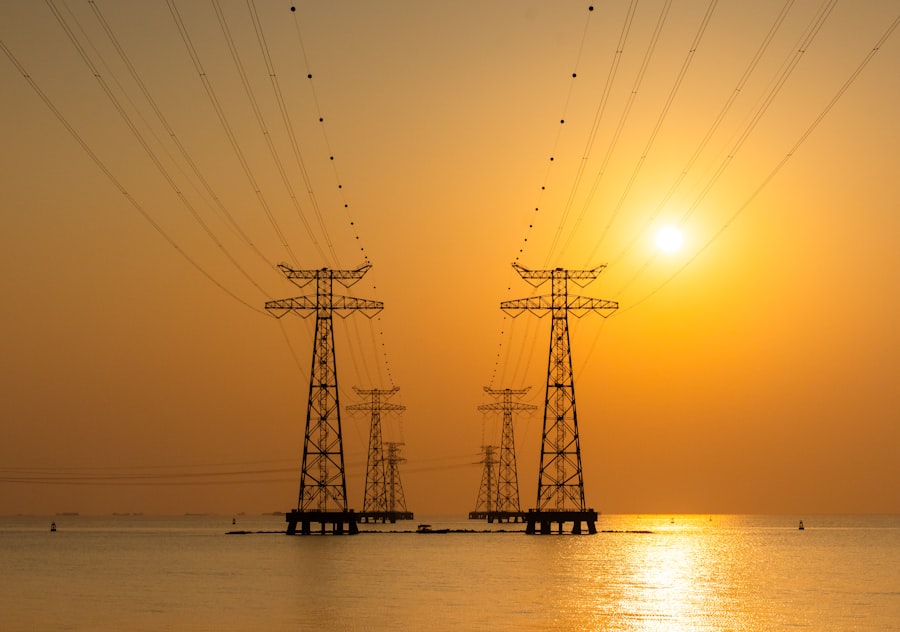
Improving the resilience and reliability of energy infrastructure is essential for mitigating the impacts of potential disruptions caused by natural disasters or geopolitical tensions. One approach involves conducting thorough risk assessments to identify vulnerabilities within existing systems. By understanding where weaknesses lie, stakeholders can develop targeted strategies to fortify these areas against potential threats.
Additionally, incorporating redundancy into energy systems can enhance resilience. This may involve creating backup power sources or alternative supply routes that can be activated during emergencies. Investing in microgrid technology is another effective way to improve reliability; microgrids can operate independently from the main grid during outages, ensuring that critical services remain operational even in times of crisis.
By prioritizing resilience in energy infrastructure planning, countries can better safeguard their energy security against unforeseen challenges.
Enhancing International Cooperation to Address Energy Security Infrastructure Bottlenecks
Addressing energy security infrastructure bottlenecks often requires international cooperation, as many challenges transcend national borders. Collaborative efforts among countries can lead to shared solutions that enhance overall energy security. For instance, regional partnerships can facilitate the development of cross-border electricity grids that allow for more efficient resource sharing and distribution.
Moreover, international organizations play a vital role in fostering cooperation on energy security issues. By providing platforms for dialogue and collaboration among nations, these organizations can help identify best practices and promote knowledge sharing. Joint initiatives focused on research and development can also accelerate progress toward overcoming infrastructure challenges on a global scale.
Regulatory and Policy Reforms to Address Energy Security Infrastructure Bottlenecks
Regulatory and policy reforms are crucial for addressing the systemic issues that contribute to energy security infrastructure bottlenecks. Outdated regulations often hinder innovation and investment in new technologies, creating barriers that prevent progress. Policymakers must evaluate existing frameworks and identify areas where reforms are necessary to facilitate modernization efforts.
In addition to streamlining regulations, creating incentives for private sector investment in energy infrastructure is essential. This could involve tax breaks or grants for companies that invest in renewable technologies or upgrade existing systems. By fostering an environment conducive to innovation and investment, governments can help overcome the challenges posed by outdated infrastructure while simultaneously promoting sustainable practices.
The Role of Public-Private Partnerships in Overcoming Energy Security Infrastructure Bottlenecks
Public-private partnerships (PPPs) have emerged as a powerful tool for addressing energy security infrastructure bottlenecks effectively. These collaborations leverage the strengths of both sectors—public entities provide regulatory support and funding while private companies bring innovation and efficiency to project execution. By working together, they can tackle complex infrastructure challenges more effectively than either sector could alone.
PPPs can facilitate large-scale investments in modernizing existing infrastructure or developing new projects that enhance energy security. For example, joint ventures between governments and private firms can lead to the construction of renewable energy facilities or upgrades to transmission networks that improve reliability. By harnessing the expertise and resources of both sectors, PPPs can play a pivotal role in overcoming the obstacles posed by inadequate infrastructure.
Leveraging Renewable Energy Sources to Diversify Energy Infrastructure
Leveraging renewable energy sources is essential for diversifying energy infrastructure and reducing reliance on fossil fuels. As countries seek to transition toward cleaner energy systems, integrating renewables into existing frameworks becomes increasingly important. This diversification not only enhances energy security but also contributes to environmental sustainability by reducing greenhouse gas emissions.
Investing in renewable technologies such as solar, wind, hydroelectricity, and biomass can create a more resilient energy landscape capable of withstanding fluctuations in demand or supply disruptions. Additionally, developing decentralized renewable systems allows communities to generate their own power locally, reducing dependence on centralized grids that may be vulnerable to outages or disruptions. By prioritizing renewable integration into their energy strategies, countries can build a more secure and sustainable future.
The Importance of Long-term Planning and Investment in Energy Infrastructure
Long-term planning and investment are critical components of addressing energy security infrastructure bottlenecks effectively. Short-term fixes may provide temporary relief but often fail to address underlying issues that contribute to inefficiencies within the system. A comprehensive approach that considers future demands and technological advancements is necessary for creating resilient infrastructure capable of meeting evolving needs.
This includes not only financial investments but also fostering a culture of innovation within the industry that encourages continuous improvement and adaptation to changing circumstances. By committing to long-term planning and investment strategies, stakeholders can ensure that their energy infrastructure remains robust and capable of supporting future generations’ needs while enhancing overall security.
In the context of energy security, infrastructure bottlenecks pose significant challenges that can hinder the efficient distribution and availability of energy resources. A related article that delves into the intricacies of energy infrastructure and its impact on security can be found on MyGeoQuest. This article provides insights into how geographical and logistical constraints can affect energy distribution networks. For more detailed information, you can read the full article by visiting this link.
WATCH THIS! One Narrow Strait Holds Global Economy Hostage
FAQs
What are energy security infrastructure bottlenecks?
Energy security infrastructure bottlenecks refer to limitations or constraints in the infrastructure that supports the production, transportation, and distribution of energy resources. These bottlenecks can impact the reliability and resilience of energy systems, potentially leading to supply disruptions and vulnerabilities.
What are some examples of energy security infrastructure bottlenecks?
Examples of energy security infrastructure bottlenecks include inadequate pipeline capacity for transporting natural gas, aging electrical grid infrastructure, limited storage capacity for oil and gas, and insufficient cybersecurity measures to protect energy systems from cyber threats.
How do energy security infrastructure bottlenecks impact energy security?
Energy security infrastructure bottlenecks can impact energy security by increasing the risk of supply disruptions, reducing the reliability of energy systems, and potentially leading to higher energy prices. These bottlenecks can also leave energy systems vulnerable to physical and cyber threats, posing risks to national security.
What are the potential consequences of energy security infrastructure bottlenecks?
Potential consequences of energy security infrastructure bottlenecks include reduced energy reliability, increased vulnerability to supply disruptions, higher energy costs for consumers, and potential impacts on economic stability and national security. Additionally, these bottlenecks can hinder the transition to cleaner and more sustainable energy sources.
How can energy security infrastructure bottlenecks be addressed?
Energy security infrastructure bottlenecks can be addressed through investments in upgrading and modernizing infrastructure, improving the resilience of energy systems, enhancing cybersecurity measures, diversifying energy sources, and promoting innovation in energy technologies. Collaboration between government, industry, and other stakeholders is also crucial in addressing these bottlenecks.