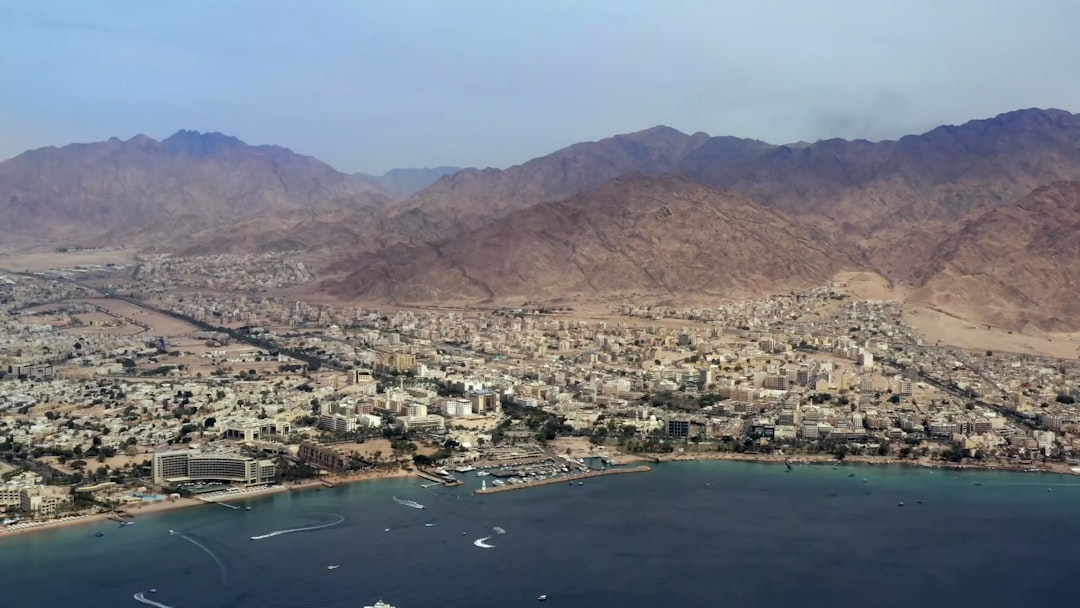
Oman occupies a pivotal geographical position at the southeastern edge of the Arabian Peninsula, bordered by the Arabian Sea to the south and the Gulf of Oman to the east. This strategic location places Oman at the gateway to the Strait of Hormuz, one of the world’s most crucial maritime chokepoints. The Strait of Hormuz connects the Persian Gulf with the Gulf of Oman and the Arabian Sea, serving as a vital artery for global oil transportation.
Approximately 20% of the world’s oil supply passes through this narrow waterway, underscoring Oman’s significance in international trade and energy security. The importance of Oman’s location extends beyond mere geography; it has historically positioned the country as a mediator and facilitator in regional diplomacy. With its long coastline and proximity to key shipping routes, Oman has developed a unique diplomatic identity that emphasizes neutrality and dialogue.
This strategic advantage has allowed Oman to cultivate relationships with various nations, making it an essential player in the complex geopolitical landscape of the Middle East.
Key Takeaways
- Oman’s strategic location at the entrance of the Strait of Hormuz makes it a key player in regional diplomacy and trade.
- Oman has a long history of mediating disputes and maintaining peace in the Hormuz region, dating back to ancient times.
- The country has actively pursued diplomatic relations with neighboring countries to promote stability and cooperation in the region.
- Oman plays a crucial role in facilitating dialogue and negotiations among regional stakeholders in the Hormuz region.
- Oman’s economic significance in the Hormuz region is evident through its trade and investment activities, contributing to the region’s development.
Historical background of Oman’s role in Hormuz diplomacy
Oman’s historical engagement in Hormuz diplomacy can be traced back centuries, rooted in its maritime heritage and trade networks. During the 17th and 18th centuries, Oman emerged as a formidable naval power, controlling trade routes and establishing itself as a dominant force in the Indian Ocean. This maritime prowess enabled Oman to engage with various regional powers, including Persia, India, and East Africa, fostering a legacy of diplomacy that continues to influence its foreign policy today.
In more recent history, Oman has played a crucial role in mediating conflicts and fostering dialogue among regional actors. The country’s leadership has often sought to maintain a balanced approach, avoiding alignment with any particular bloc while promoting peaceful resolutions to disputes. This historical context has shaped Oman’s diplomatic strategies, allowing it to act as a bridge between rival nations and facilitating discussions on critical issues affecting the Strait of Hormuz.
Oman’s efforts in maintaining peace and stability in the region
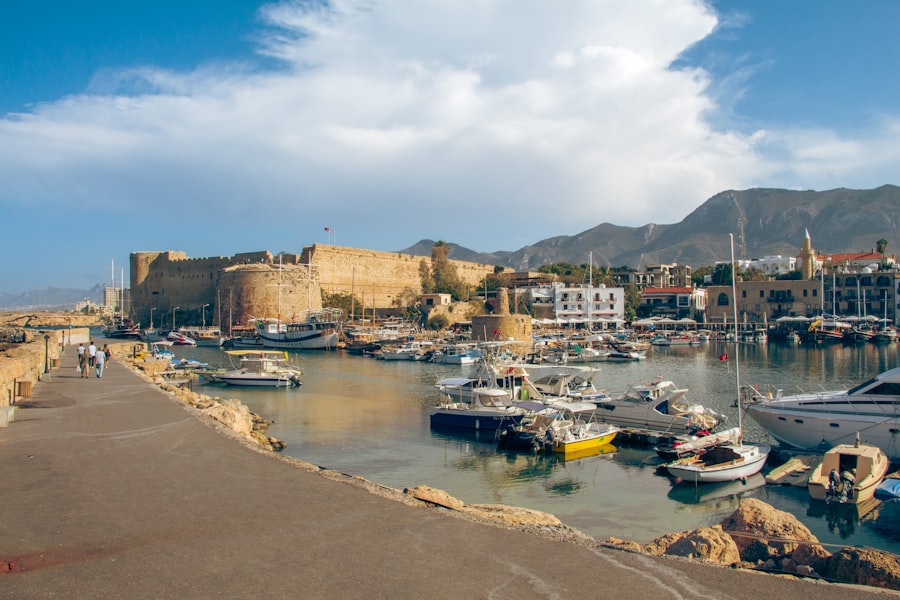
Oman has consistently prioritized peace and stability in its foreign policy, recognizing that regional security is essential for its own national interests. The Sultanate has actively engaged in diplomatic initiatives aimed at de-escalating tensions among neighboring countries. By promoting dialogue and understanding, Oman has sought to mitigate conflicts that could disrupt the delicate balance of power in the region.
One notable example of Oman’s commitment to peace is its role in mediating between Iran and Western nations. The Sultanate has facilitated backchannel communications, providing a neutral ground for discussions on contentious issues such as nuclear negotiations. By positioning itself as a trusted intermediary, Oman has demonstrated its dedication to fostering stability in the Hormuz region, ultimately contributing to a more secure environment for all stakeholders involved.
Oman’s diplomatic relations with neighboring countries
| Country | Diplomatic Relations |
|---|---|
| Saudi Arabia | Strong and cooperative |
| United Arab Emirates | Close and friendly |
| Yemen | Supportive and collaborative |
| Iran | Stable and respectful |
| Pakistan | Positive and constructive |
Oman’s diplomatic relations with its neighbors are characterized by a pragmatic approach that emphasizes cooperation over confrontation. The Sultanate has maintained cordial ties with countries such as Saudi Arabia, the United Arab Emirates, and Iran, navigating complex regional dynamics with finesse. This diplomatic balancing act has allowed Oman to play a unique role in fostering dialogue among nations that may otherwise be at odds.
The Sultanate’s commitment to diplomacy is evident in its participation in regional organizations and initiatives aimed at promoting collaboration. Oman has been an active member of the Gulf Cooperation Council (GCC) while also engaging with non-GCC countries to address shared challenges. By fostering relationships based on mutual respect and understanding, Oman has positioned itself as a key player in regional diplomacy, capable of facilitating discussions on critical issues affecting the Hormuz region.
Oman’s role in facilitating dialogue and negotiations in the Hormuz region
Oman’s reputation as a facilitator of dialogue is well-established, particularly in the context of negotiations related to the Strait of Hormuz. The Sultanate’s neutral stance allows it to engage with various parties without being perceived as biased or aligned with any particular agenda. This unique position has enabled Oman to host discussions on critical issues such as maritime security, trade routes, and regional stability.
In recent years, Oman has taken proactive steps to enhance its role as a mediator in regional conflicts. The Sultanate has organized conferences and forums that bring together representatives from different countries to discuss pressing challenges facing the Hormuz region. By providing a platform for dialogue, Oman has contributed to building trust among nations and fostering an environment conducive to peaceful negotiations.
Oman’s economic significance in the Hormuz region
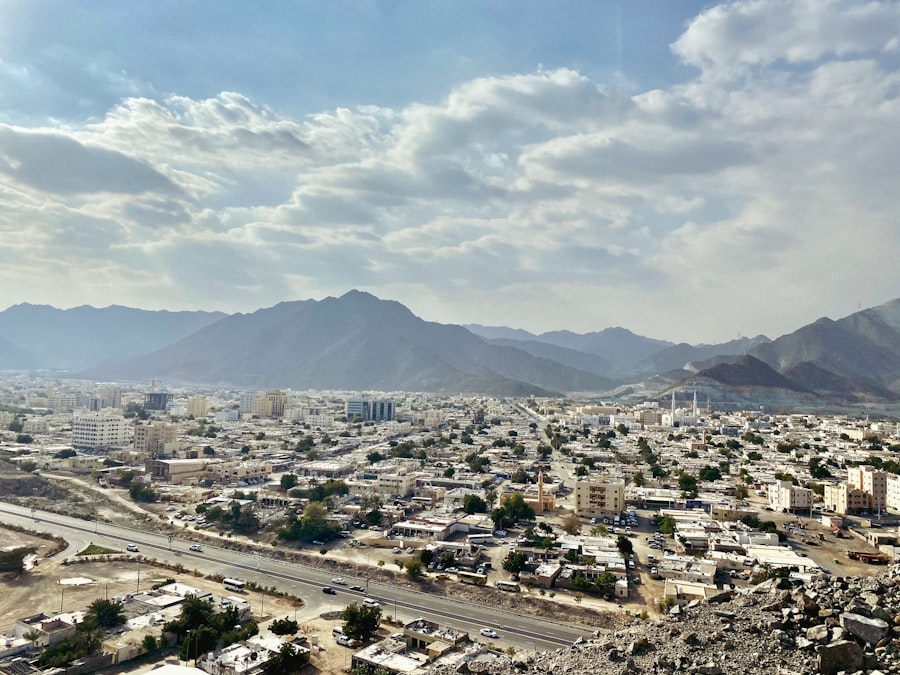
Oman’s economic significance in the Hormuz region is closely tied to its strategic location along vital shipping routes. The Sultanate’s ports serve as critical hubs for international trade, facilitating the movement of goods and resources between Asia, Europe, and beyond. This economic activity not only bolsters Oman’s own economy but also enhances its importance as a key player in global commerce.
Moreover, Oman has invested in developing its infrastructure to support maritime trade, including modernizing ports and enhancing logistics capabilities. These efforts have positioned Oman as an attractive destination for foreign investment and trade partnerships. As global demand for energy resources continues to grow, Oman’s role as a transit point for oil and gas exports further underscores its economic significance in the Hormuz region.
Oman’s role in promoting maritime security in the Strait of Hormuz
Maritime security is paramount in the Strait of Hormuz, given its status as a critical chokepoint for global oil transportation. Oman has taken proactive measures to promote security in these waters, recognizing that stability is essential for both regional prosperity and international trade. The Sultanate collaborates with various stakeholders, including international naval forces, to enhance maritime security operations and ensure safe passage for vessels traversing the strait.
Oman’s commitment to maritime security extends beyond military cooperation; it also involves diplomatic efforts aimed at fostering collaboration among nations with vested interests in the region. By advocating for joint initiatives focused on maritime safety and security, Oman has positioned itself as a leader in promoting stability within the Strait of Hormuz. This proactive approach not only benefits Oman but also contributes to broader regional security efforts.
Oman’s stance on international sanctions and trade restrictions in the region
Oman’s foreign policy is characterized by a cautious approach toward international sanctions and trade restrictions imposed on countries within the region. The Sultanate has often advocated for dialogue over punitive measures, emphasizing that sanctions can exacerbate tensions and hinder diplomatic efforts.
By opposing unilateral sanctions, Oman seeks to uphold its principles of neutrality and diplomacy. The Sultanate’s position allows it to maintain open lines of communication with countries facing sanctions while advocating for peaceful resolutions to conflicts. This approach not only reinforces Oman’s role as a mediator but also highlights its dedication to fostering an environment conducive to dialogue and cooperation.
Oman’s involvement in multilateral diplomatic initiatives in the Hormuz region
Oman actively participates in multilateral diplomatic initiatives aimed at addressing regional challenges and promoting cooperation among nations. The Sultanate’s involvement in organizations such as the Gulf Cooperation Council (GCC) and other regional forums underscores its commitment to collective security and collaboration. Through these platforms, Oman engages with neighboring countries to discuss shared concerns related to security, trade, and environmental sustainability.
In addition to traditional diplomatic channels, Oman has also embraced innovative approaches to multilateral diplomacy. The Sultanate has hosted conferences that bring together diverse stakeholders from various sectors, including government officials, business leaders, and civil society representatives. By fostering inclusive dialogue, Oman aims to build consensus on critical issues affecting the Hormuz region while strengthening relationships among participating nations.
Challenges and opportunities for Oman in maintaining its key role in Hormuz diplomacy
While Oman enjoys a unique position as a mediator in Hormuz diplomacy, it faces several challenges that could impact its effectiveness. Regional tensions among major powers can complicate Oman’s efforts to maintain neutrality and facilitate dialogue. Additionally, shifting geopolitical dynamics may pose risks to Oman’s longstanding relationships with neighboring countries.
Despite these challenges, opportunities abound for Oman to further solidify its role as a key player in regional diplomacy. As global interest in energy security continues to grow, Oman’s strategic location offers significant potential for enhancing its economic partnerships and attracting foreign investment. Furthermore, by continuing to advocate for dialogue over confrontation, Oman can reinforce its reputation as a trusted mediator capable of navigating complex geopolitical landscapes.
Oman’s future prospects in shaping the geopolitics of the Hormuz region
Looking ahead, Oman’s prospects for shaping the geopolitics of the Hormuz region remain promising. The Sultanate’s commitment to neutrality, dialogue, and cooperation positions it as an essential player in addressing regional challenges. As tensions persist among neighboring countries, Oman’s role as a mediator will likely become increasingly vital in fostering understanding and promoting stability.
Moreover, Oman’s strategic location offers significant economic opportunities that can enhance its influence within the region. By continuing to invest in infrastructure development and strengthening trade partnerships, Oman can solidify its position as a key player in global commerce while contributing to regional prosperity. In conclusion, Oman’s historical legacy of diplomacy combined with its strategic advantages provides a solid foundation for shaping future dynamics within the Hormuz region.
As it navigates challenges and seizes opportunities, Oman is poised to play an instrumental role in promoting peace, stability, and cooperation among nations sharing interests in this critical maritime corridor.
Oman’s strategic position along the Strait of Hormuz has long made it a key player in regional diplomacy, particularly in efforts to ensure the free flow of maritime traffic through this critical chokepoint. The country’s diplomatic initiatives often focus on fostering dialogue and reducing tensions among neighboring states, which is crucial given the strait’s importance to global oil shipments. For a deeper understanding of Oman’s diplomatic strategies and their impact on regional stability, you can explore a related article on this topic by visiting this page. This article provides insights into how Oman leverages its unique geopolitical position to mediate conflicts and promote peace in the region.
WATCH THIS! One Narrow Strait Holds Global Economy Hostage
FAQs
What is the role of Oman in Hormuz diplomacy?
Oman plays a crucial role in Hormuz diplomacy due to its strategic location along the Strait of Hormuz, a vital waterway for global oil transportation.
How does Oman contribute to diplomatic efforts in the Strait of Hormuz?
Oman serves as a mediator and facilitator for diplomatic dialogue and negotiations among regional and international stakeholders involved in the security and stability of the Strait of Hormuz.
What are some of the key initiatives led by Oman in Hormuz diplomacy?
Oman has initiated various diplomatic efforts, including hosting meetings and discussions, to address tensions and promote peaceful resolutions in the Strait of Hormuz.
Why is Oman’s role in Hormuz diplomacy significant?
Oman’s neutral and non-confrontational approach, along with its longstanding diplomatic relations with various countries, makes it a trusted and effective mediator in addressing issues related to the security and stability of the Strait of Hormuz.