
Stagnant oil flow refers to a situation where the movement of oil, whether in pipelines, reservoirs, or production facilities, is significantly reduced or halted. This phenomenon can arise from various factors, including technical malfunctions, geopolitical tensions, or economic downturns. The implications of stagnant oil flow extend beyond the immediate operational challenges faced by oil companies; they ripple through economies, environmental systems, and social structures.
Understanding the complexities of stagnant oil flow is crucial for stakeholders across multiple sectors, as it can influence everything from energy prices to international relations. The dynamics of stagnant oil flow are multifaceted. On one hand, it can be a temporary setback due to maintenance or repairs; on the other hand, it can signal deeper systemic issues within the oil industry.
As global demand for energy continues to rise, the ability to maintain a steady flow of oil becomes increasingly critical. The consequences of stagnation can be profound, affecting not only the oil industry but also the broader economic landscape and environmental health. This article will explore the various dimensions of stagnant oil flow, examining its economic impact, environmental consequences, and implications for global energy markets.
Key Takeaways
- Stagnant oil flow can lead to economic instability and impact global energy markets.
- Environmental consequences of stagnant oil flow include potential spills and pollution.
- Oil-dependent industries may face challenges and need to adapt to the changing market.
- Political ramifications of stagnant oil flow can lead to geopolitical tensions and conflicts.
- Technological innovations and strategies are needed to manage and address stagnant oil flow.
Economic Impact of Stagnant Oil Flow
The economic ramifications of stagnant oil flow are significant and far-reaching. When oil production is disrupted, it can lead to immediate price fluctuations in the global market. A sudden decrease in supply often results in increased prices, which can strain consumers and businesses alike.
For countries that rely heavily on oil exports, such as Saudi Arabia or Russia, stagnant oil flow can lead to budget deficits and economic instability. The ripple effects can extend to global markets, influencing everything from transportation costs to consumer goods prices. Moreover, stagnant oil flow can hinder investment in the energy sector.
Investors are generally wary of uncertainty; prolonged stagnation may deter new projects or lead to divestment from existing ones. This lack of investment can stifle innovation and technological advancement within the industry, ultimately affecting long-term production capabilities. As companies grapple with the financial implications of stagnant oil flow, they may also be forced to make difficult decisions regarding workforce reductions or operational cutbacks, further exacerbating economic challenges.
Environmental Consequences of Stagnant Oil Flow
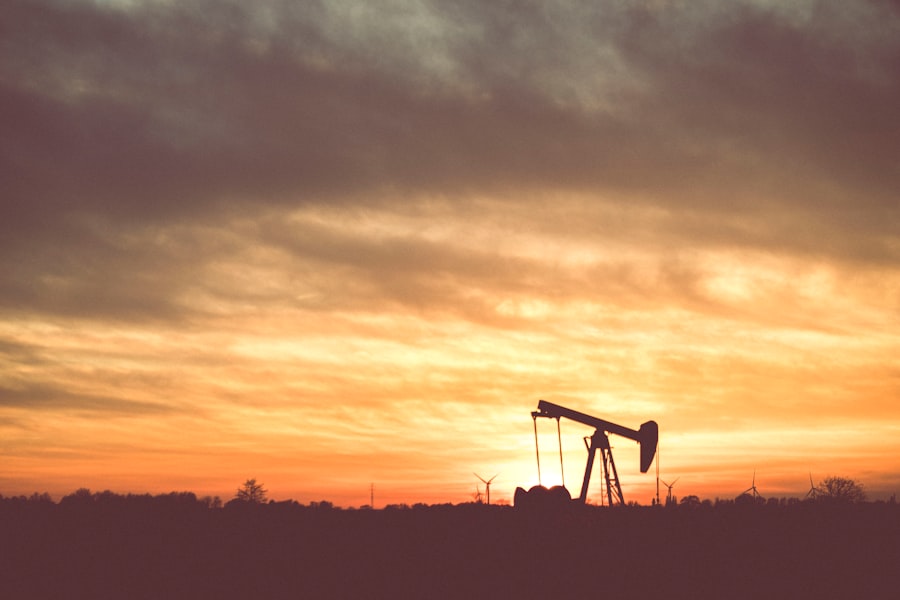
The environmental consequences of stagnant oil flow are often overlooked but are equally critical to consider. When oil is not flowing as intended, there is a heightened risk of spills and leaks, particularly in aging infrastructure. These incidents can have devastating effects on local ecosystems, contaminating water sources and harming wildlife.
The environmental degradation resulting from such spills can take years or even decades to remediate, leading to long-term ecological damage. Additionally, stagnant oil flow can hinder efforts to transition to cleaner energy sources. As countries grapple with the challenges posed by climate change, reliance on fossil fuels remains a significant barrier to progress.
When oil production stagnates, it may prompt governments and industries to revert to less sustainable energy sources or delay investments in renewable technologies. This not only undermines environmental goals but also perpetuates a cycle of dependency on fossil fuels that is detrimental to both the planet and future generations.
Effects on Global Energy Market
| Impact | Description |
|---|---|
| Oil Prices | Fluctuations in supply and demand can cause significant changes in oil prices. |
| Renewable Energy | Shifts in policies and investments can impact the growth of renewable energy sources. |
| Energy Security | Geopolitical events can affect the stability of energy supply and demand. |
| Carbon Emissions | Changes in energy consumption patterns can influence global carbon emissions. |
The global energy market is intricately linked to the flow of oil, and any stagnation can have profound effects on this interconnected system. When major oil-producing nations experience disruptions in their output, it can lead to volatility in energy prices worldwide. Countries that depend on imported oil may find themselves facing increased costs, which can lead to inflationary pressures and economic instability.
Conversely, nations that are net exporters may benefit from higher prices but could also face backlash from consumers and businesses struggling with rising costs. Furthermore, stagnant oil flow can accelerate shifts in energy consumption patterns. As prices rise due to supply constraints, countries may seek alternative energy sources or invest in energy efficiency measures.
This shift could lead to a more diversified energy portfolio globally but may also create tensions between nations as they compete for limited resources. The long-term effects on the global energy market could reshape geopolitical alliances and influence future energy policies.
Implications for Oil-Dependent Industries
Industries that rely heavily on oil face significant challenges when confronted with stagnant oil flow. Transportation sectors, including shipping and aviation, are particularly vulnerable as fuel costs rise in response to supply disruptions. Increased operational costs can lead to higher ticket prices for consumers and reduced profitability for companies.
In extreme cases, prolonged stagnation could force some businesses to scale back operations or even shut down entirely. Moreover, industries such as manufacturing and agriculture that depend on petroleum-based products may also feel the pinch. The cost of raw materials can skyrocket when oil supply is constrained, leading to increased prices for consumers and potential disruptions in production schedules.
This interconnectedness highlights the fragility of economies that are heavily reliant on fossil fuels and underscores the need for diversification and resilience in the face of such challenges.
Political Ramifications of Stagnant Oil Flow
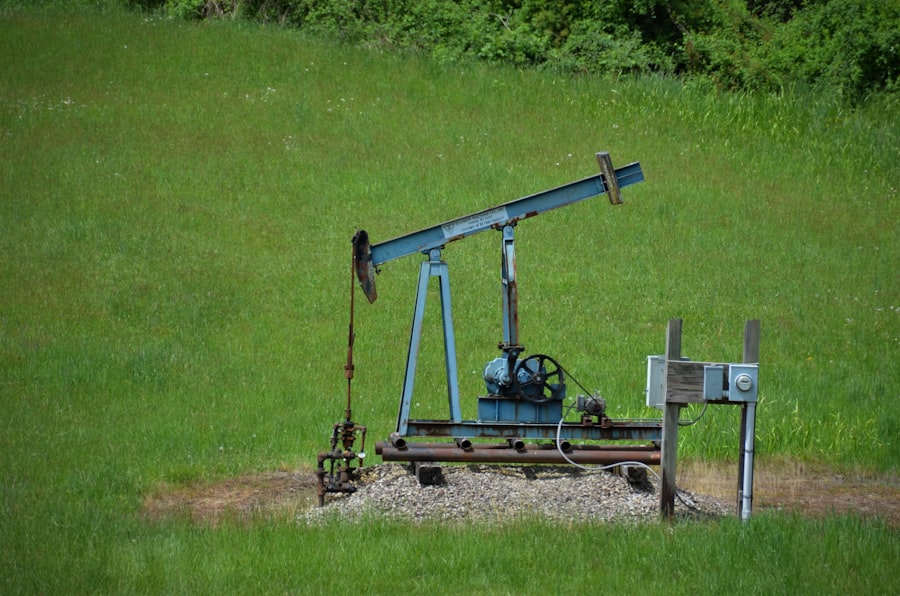
The political ramifications of stagnant oil flow are complex and multifaceted.
When oil-producing nations experience stagnation, it can lead to political instability both within those countries and in their relationships with others.
Governments may face pressure from citizens demanding action to address rising fuel prices or economic downturns linked to reduced oil revenues. Additionally, geopolitical tensions can escalate as nations vie for control over dwindling resources. Countries that rely on imported oil may seek to secure alternative sources or engage in diplomatic negotiations with producing nations.
Conversely, producing nations may leverage their resources as a means of exerting influence on the global stage. The interplay between oil flow and political dynamics underscores the importance of energy security as a critical component of national strategy.
Strategies for Managing Stagnant Oil Flow
To mitigate the effects of stagnant oil flow, stakeholders must adopt comprehensive strategies that address both immediate challenges and long-term sustainability goals. One approach involves investing in infrastructure improvements to enhance the reliability of oil transportation systems. Upgrading pipelines and refining facilities can reduce the risk of disruptions caused by technical failures or aging equipment.
Additionally, diversifying energy sources is crucial for reducing dependency on oil. Governments and industries should prioritize investments in renewable energy technologies such as solar, wind, and biofuels. By fostering a more resilient energy landscape, countries can better withstand fluctuations in oil supply while simultaneously addressing environmental concerns associated with fossil fuel consumption.
Technological Innovations to Address Stagnant Oil Flow
Technological innovations play a pivotal role in addressing the challenges posed by stagnant oil flow. Advances in monitoring systems and predictive analytics can help companies identify potential issues before they escalate into significant disruptions. For instance, real-time data collection from sensors installed along pipelines can provide insights into flow rates and detect anomalies that may indicate blockages or leaks.
Moreover, innovations in extraction techniques can enhance production efficiency and reduce waste. Techniques such as enhanced oil recovery (EOR) allow companies to extract more oil from existing fields, potentially alleviating some pressure associated with stagnant flow. By embracing technological advancements, the industry can improve its resilience against stagnation while also contributing to more sustainable practices.
Social and Cultural Effects of Stagnant Oil Flow
The social and cultural effects of stagnant oil flow extend beyond economic considerations; they touch upon community dynamics and cultural identities tied to the oil industry. In regions where oil extraction is a primary source of employment and income, stagnation can lead to job losses and economic despair. Communities that have built their identities around the oil industry may find themselves grappling with uncertainty about their future.
Furthermore, public sentiment towards fossil fuels may shift as awareness of environmental issues grows. As communities face the consequences of stagnant oil flow—such as rising prices or environmental degradation—there may be increased advocacy for cleaner energy alternatives.
Long-Term Consequences and Outlook
The long-term consequences of stagnant oil flow are likely to be profound and multifaceted. As global demand for energy continues to evolve alongside concerns about climate change, reliance on fossil fuels may diminish over time. However, the transition will not be without challenges; industries must navigate the complexities of shifting consumer preferences while addressing existing infrastructure limitations.
Looking ahead, it is essential for stakeholders to remain proactive in addressing potential stagnation scenarios. By investing in sustainable practices and diversifying energy portfolios, countries can better position themselves for a future where fossil fuels play a diminished role in meeting energy needs. The outlook will depend on collective efforts across sectors to embrace innovation while prioritizing environmental stewardship.
Conclusion and Recommendations
In conclusion, stagnant oil flow presents a myriad of challenges that extend beyond immediate operational concerns within the industry. Its economic impact reverberates through global markets, while environmental consequences pose significant risks to ecosystems and public health. The political ramifications further complicate an already intricate landscape where energy security is paramount.
To navigate these challenges effectively, stakeholders must adopt comprehensive strategies that prioritize infrastructure improvements, technological innovations, and diversification of energy sources. By fostering resilience within the industry and embracing sustainable practices, societies can mitigate the adverse effects of stagnant oil flow while paving the way for a more secure and environmentally responsible energy future. Ultimately, proactive measures will be essential in ensuring that both current and future generations benefit from a stable and sustainable energy landscape.
In the context of global energy dynamics, the article “What happens when oil stops moving” delves into the potential economic and geopolitical ramifications of disruptions in oil transportation. A related article that complements this discussion can be found on MyGeoQuest, which explores the broader implications of energy resource management and its impact on global markets. For further insights, you can read more about these themes by visiting MyGeoQuest. This resource provides a comprehensive overview of how energy resources, including oil, play a crucial role in shaping international relations and economic stability.
WATCH THIS! One Narrow Strait Holds Global Economy Hostage
FAQs
What are the consequences of oil not moving?
When oil stops moving, it can lead to a shortage of fuel and other petroleum-based products. This can impact various industries, transportation, and the overall economy.
What causes oil to stop moving?
Oil can stop moving due to various reasons such as supply chain disruptions, transportation issues, geopolitical conflicts, natural disasters, or a decrease in demand.
How does the economy get affected when oil stops moving?
When oil stops moving, it can lead to an increase in fuel prices, which can affect the cost of transportation and production. This can result in inflation and impact the overall economy.
What are the environmental impacts of oil not moving?
When oil stops moving, there can be environmental impacts such as oil spills, as well as a decrease in the availability of petroleum-based products that are used in various environmental technologies.
How can the impact of oil not moving be mitigated?
The impact of oil not moving can be mitigated by diversifying energy sources, investing in alternative transportation methods, and improving the resilience of the oil supply chain.