
Desert farming presents a unique set of challenges that can deter even the most determined agriculturalists. The arid climate, characterized by extreme temperatures and minimal rainfall, creates a hostile environment for traditional crops. Farmers in these regions often grapple with soil salinity, which can inhibit plant growth and reduce yields.
Additionally, the scarcity of water resources poses a significant hurdle, as irrigation becomes a critical necessity for sustaining crops. The harsh conditions not only limit the types of crops that can be cultivated but also increase the risk of crop failure, making it a precarious venture. Moreover, the socio-economic factors surrounding desert farming cannot be overlooked.
Many desert regions are often remote and lack access to essential infrastructure, such as roads and markets. This isolation can hinder farmers’ ability to sell their produce, leading to economic instability. Furthermore, the knowledge and resources required for innovative farming techniques may be limited in these areas, leaving farmers reliant on outdated practices that are ill-suited for their environment.
As a result, the challenges of desert farming extend beyond mere agricultural difficulties; they encompass a broader spectrum of social and economic issues that must be addressed to foster sustainable development.
Key Takeaways
- Desert farming faces challenges such as extreme temperatures, water scarcity, and poor soil quality
- Innovative solutions for desert farming include hydroponics, drip irrigation, and shade netting to conserve water and protect crops
- Technology plays a crucial role in desert farming through the use of sensors, drones, and precision agriculture for efficient resource management
- Sustainable practices in desert farming involve organic farming, agroforestry, and soil conservation to maintain ecological balance
- Water management is essential in desert farming, with techniques like rainwater harvesting and desalination playing a key role in crop production
Innovative Solutions for Desert Farming
In response to the myriad challenges faced in desert farming, innovative solutions have emerged that aim to transform these arid landscapes into productive agricultural hubs. One such solution is the implementation of hydroponics and aquaponics systems, which allow for soil-less cultivation of crops. These methods utilize nutrient-rich water to grow plants, significantly reducing the need for traditional irrigation methods.
By recycling water within these systems, farmers can maximize their resources while minimizing waste, making it an ideal approach for water-scarce regions. Additionally, the introduction of drought-resistant crop varieties has revolutionized desert agriculture. These genetically modified or selectively bred plants are designed to thrive in low-water conditions, offering farmers a viable alternative to conventional crops that may not survive in arid climates.
By focusing on crop resilience, farmers can increase their yields and ensure food security in regions where traditional farming methods have failed. Such innovations not only enhance productivity but also empower local communities by providing them with the tools needed to adapt to their challenging environments.
Utilizing Technology in Desert Farming
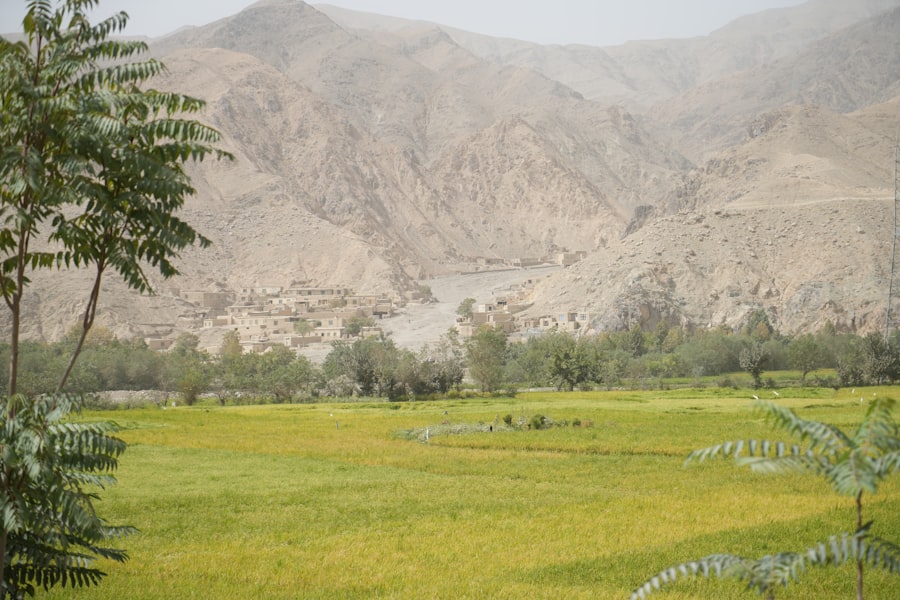
The integration of technology into desert farming practices has proven to be a game-changer for many agriculturalists operating in these harsh conditions. Precision agriculture, which employs data analytics and satellite imagery, allows farmers to monitor soil health, moisture levels, and crop growth with unprecedented accuracy. This data-driven approach enables farmers to make informed decisions about irrigation and fertilization, optimizing resource use and improving overall crop yields.
Moreover, advancements in irrigation technology have significantly transformed water management in desert farming. Drip irrigation systems, for instance, deliver water directly to the plant roots, minimizing evaporation and runoff. This targeted approach not only conserves water but also promotes healthier plant growth by ensuring that crops receive the precise amount of moisture they need.
As technology continues to evolve, its role in desert farming will likely expand, offering new tools and techniques that can further enhance productivity and sustainability.
Sustainable Practices in Desert Farming
| Metrics | Data |
|---|---|
| Water Usage | 20% reduction in water usage compared to traditional farming |
| Energy Efficiency | Utilizes solar panels for 80% of energy needs |
| Soil Conservation | Implemented cover cropping to reduce soil erosion by 50% |
| Carbon Footprint | Reduced carbon emissions by 30% through sustainable practices |
Sustainability is a crucial consideration in desert farming, as the delicate balance between agricultural productivity and environmental preservation must be maintained. Implementing sustainable practices can help mitigate the adverse effects of farming on fragile desert ecosystems. Crop rotation is one such practice that promotes soil health by preventing nutrient depletion and reducing pest infestations.
By alternating different crops in a given area, farmers can enhance biodiversity and improve soil structure over time. Another sustainable approach is the use of organic fertilizers and composting techniques. By utilizing natural materials to enrich the soil, farmers can reduce their reliance on chemical inputs that may harm the environment.
Additionally, agroforestry—integrating trees into agricultural landscapes—can provide shade for crops, reduce soil erosion, and improve water retention. These practices not only contribute to healthier ecosystems but also foster resilience against climate variability, ensuring that desert farming remains viable for future generations.
The Role of Water in Desert Farming
Water is undoubtedly the lifeblood of desert farming, serving as both a critical resource and a limiting factor in agricultural productivity. In arid regions where rainfall is scarce, effective water management strategies are essential for successful crop cultivation. Farmers often rely on various irrigation techniques to supplement natural precipitation, with methods such as rainwater harvesting becoming increasingly popular.
By capturing and storing rainwater during infrequent storms, farmers can create a more reliable water supply for their crops. Furthermore, the importance of water quality cannot be overstated. Saline or contaminated water sources can adversely affect soil health and crop yields.
Therefore, implementing filtration systems or utilizing desalination technologies can help ensure that farmers have access to clean water for irrigation purposes. As competition for water resources intensifies due to climate change and population growth, innovative approaches to water management will be vital for sustaining desert agriculture.
Advancements in Crop Selection for Desert Farming

The selection of appropriate crops is paramount in desert farming, as certain species are better suited to thrive in arid conditions than others. Recent advancements in crop selection have led to the development of varieties specifically engineered for drought resistance and heat tolerance. These crops are often characterized by deeper root systems that allow them to access moisture from lower soil layers or by physiological adaptations that minimize water loss through transpiration.
In addition to traditional breeding methods, biotechnology has played a significant role in enhancing crop resilience. Genetic modification techniques enable scientists to introduce specific traits into crops that enhance their ability to withstand harsh environmental conditions. This not only increases food production potential but also provides farmers with a diverse array of options tailored to their specific regional challenges.
As research continues to advance in this field, the future of crop selection holds great promise for improving food security in desert regions.
The Importance of Soil Health in Desert Farming
Soil health is a critical component of successful desert farming, as it directly influences crop productivity and sustainability. Healthy soils are rich in organic matter and nutrients, which support plant growth and enhance resilience against pests and diseases. However, desert soils often suffer from degradation due to erosion, salinization, and nutrient depletion.
Therefore, implementing practices that promote soil health is essential for long-term agricultural success. One effective strategy is the incorporation of cover crops into farming systems. These plants are grown during off-seasons to protect the soil from erosion while adding organic matter when they decompose.
Additionally, practices such as reduced tillage can help maintain soil structure and prevent further degradation. By prioritizing soil health through these methods, farmers can create a more sustainable foundation for their agricultural endeavors while improving overall ecosystem health.
Economic Opportunities in Desert Farming
Despite the challenges associated with desert farming, there are significant economic opportunities that can arise from innovative agricultural practices in arid regions. As global demand for food continues to rise, desert farming has the potential to contribute substantially to local economies by increasing food production capacity. By adopting modern techniques and diversifying crop selection, farmers can tap into lucrative markets for specialty crops that thrive in dry conditions.
Moreover, the development of agribusinesses focused on desert agriculture can create jobs and stimulate economic growth within local communities. From processing facilities to distribution networks, a thriving agricultural sector can lead to increased investment and infrastructure development in previously underserved areas. As more individuals recognize the potential of desert farming as a viable economic venture, it may pave the way for sustainable development initiatives that benefit both farmers and their communities.
Overcoming Climate Change in Desert Farming
Climate change poses significant threats to agriculture worldwide, particularly in vulnerable regions like deserts where resources are already scarce. Rising temperatures and shifting precipitation patterns can exacerbate existing challenges faced by desert farmers. However, by adopting adaptive strategies and resilient practices, farmers can mitigate some of these impacts and continue to thrive despite changing climatic conditions.
One approach is the implementation of climate-smart agriculture practices that focus on enhancing productivity while reducing greenhouse gas emissions. This includes optimizing resource use through precision agriculture techniques and adopting agroecological principles that promote biodiversity and ecosystem health. By embracing these strategies, desert farmers can not only adapt to climate change but also contribute positively to global efforts aimed at reducing its impacts.
Collaborative Efforts in Desert Farming
Collaboration among various stakeholders is essential for addressing the complex challenges associated with desert farming effectively. Governments, non-governmental organizations (NGOs), research institutions, and local communities must work together to develop comprehensive strategies that support sustainable agricultural practices in arid regions. Such partnerships can facilitate knowledge sharing and resource allocation while fostering innovation through collective problem-solving.
Furthermore, community engagement plays a vital role in ensuring that solutions are tailored to local needs and contexts. By involving farmers in decision-making processes and encouraging participatory approaches to agricultural development, stakeholders can create more effective interventions that resonate with those directly impacted by desert farming challenges. Collaborative efforts not only enhance resilience but also empower communities to take ownership of their agricultural futures.
The Future of Desert Farming: Potential Impact on Global Agriculture
The future of desert farming holds immense potential for transforming global agriculture as populations continue to grow and arable land becomes increasingly scarce.
As advancements continue in crop selection, irrigation techniques, and soil health management, the capacity for productive agriculture in deserts will expand significantly.
Moreover, as awareness grows regarding the importance of sustainable practices in combating climate change and preserving natural resources, desert farming may serve as a model for other regions facing similar challenges. The lessons learned from successful desert agricultural initiatives could inform broader strategies aimed at enhancing resilience across diverse ecosystems worldwide. Ultimately, the evolution of desert farming could play a pivotal role in shaping the future landscape of global agriculture while addressing pressing issues related to food security and environmental sustainability.
The future of farming in desert regions is a topic of growing interest as climate change and population growth challenge traditional agricultural practices. Innovative solutions such as hydroponics, aquaponics, and the use of solar energy are being explored to make desert farming more sustainable and efficient. An article that delves into these advancements and their potential impact on desert agriculture can be found on MyGeoQuest. For more insights, you can read the related article on the MyGeoQuest website. This resource provides a comprehensive overview of the technologies and strategies being developed to transform arid landscapes into productive agricultural hubs.
WATCH THIS! ↗️ The Hidden Reason Why America’s Fastest Growing Cities Are Doomed To Fail
FAQs
What are the challenges of farming in the desert?
Farming in the desert presents challenges such as extreme temperatures, limited water availability, poor soil quality, and the need for specialized infrastructure to protect crops from harsh environmental conditions.
What are some innovative solutions for farming in the desert?
Innovative solutions for farming in the desert include the use of hydroponic and aeroponic systems, drip irrigation, shade nets, and the development of drought-resistant crop varieties. Additionally, the use of renewable energy sources such as solar power can help sustain farming operations in the desert.
How does technology play a role in the future of farming in the desert?
Technology plays a crucial role in the future of farming in the desert by enabling the use of precision agriculture techniques, automated irrigation systems, climate-controlled greenhouses, and the development of advanced monitoring and data analysis tools to optimize crop production in challenging environments.
What are the potential benefits of farming in the desert?
Farming in the desert has the potential to increase food security, promote sustainable agriculture practices, and contribute to economic development in arid regions. Additionally, desert farming can help reduce the environmental impact of food production by utilizing marginal lands for cultivation.
What are some examples of successful desert farming projects?
Successful desert farming projects include the use of innovative farming techniques in countries such as Israel, the United Arab Emirates, and Australia. These projects have demonstrated the feasibility of growing a variety of crops in arid environments and have served as models for sustainable desert agriculture.