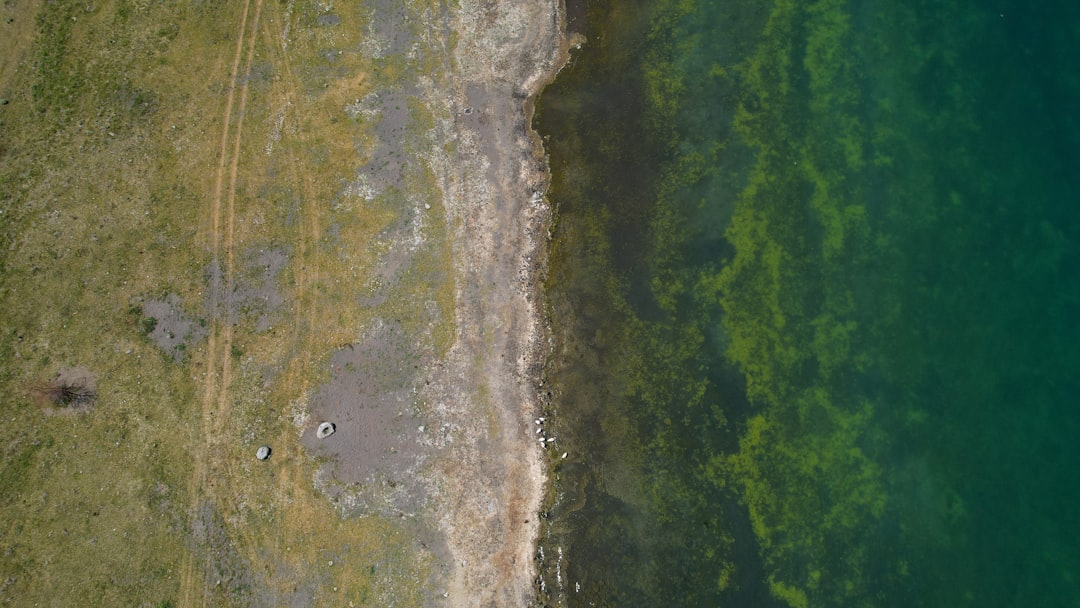
Gatún Lake, a vast artificial lake located in the heart of Panama, serves as a crucial component of the Panama Canal system. Created in the early 20th century during the construction of the canal, this expansive body of water spans approximately 164 square miles and is situated at an elevation of 26 meters above sea level. The lake was formed by damming the Chagres River, and its creation was instrumental in allowing ships to traverse the isthmus of Panama, significantly reducing travel time between the Atlantic and Pacific Oceans.
The lake not only facilitates maritime navigation but also plays a vital role in the region’s ecology and economy. The significance of Gatún Lake extends beyond its function as a waterway. It is a critical habitat for various species of flora and fauna, contributing to the rich biodiversity of Panama.
The lake’s surrounding areas are lush with tropical rainforests, which provide essential ecosystem services such as carbon sequestration and water filtration. However, in recent years, Gatún Lake has faced challenges that threaten its water levels and, consequently, its ecological and economic importance. Understanding these challenges is essential for preserving this vital resource for future generations.
Key Takeaways
- Gatún Lake is a vital part of the Panama Canal, providing water for the operation of the locks and serving as a key shipping route.
- Factors contributing to the decline in water levels include deforestation, sedimentation, and climate change, leading to challenges for the Panama Canal’s operation.
- The decline in water levels has had a significant impact on the surrounding ecosystem, including the loss of habitat for wildlife and disruption of the natural balance.
- Wildlife and biodiversity in the region have been affected by the decline in water levels, leading to potential long-term consequences for the ecosystem.
- The economic implications for Panama are significant, as the decline in water levels can affect the efficiency and capacity of the Panama Canal, impacting global trade and the country’s economy.
Factors contributing to the decline in water levels
Several factors have contributed to the alarming decline in water levels in Gatún Lake. One of the primary reasons is the changing climate patterns that have led to prolonged periods of drought. The region has experienced significant fluctuations in rainfall, with some years witnessing below-average precipitation.
This reduction in rainfall directly impacts the inflow of water into the lake, exacerbating the already precarious situation. Additionally, deforestation in the surrounding areas has diminished the natural ability of the land to retain moisture, further contributing to the decline in water levels. Another significant factor is the increasing demand for water from various sectors, including agriculture and urban development.
As Panama’s population continues to grow, so does the need for water resources. The agricultural sector, in particular, has expanded rapidly, leading to increased water extraction from Gatún Lake and its tributaries. This heightened demand places additional stress on an already vulnerable ecosystem, creating a cycle of depletion that threatens both the lake’s health and the livelihoods of those who depend on it.
Impact on the surrounding ecosystem
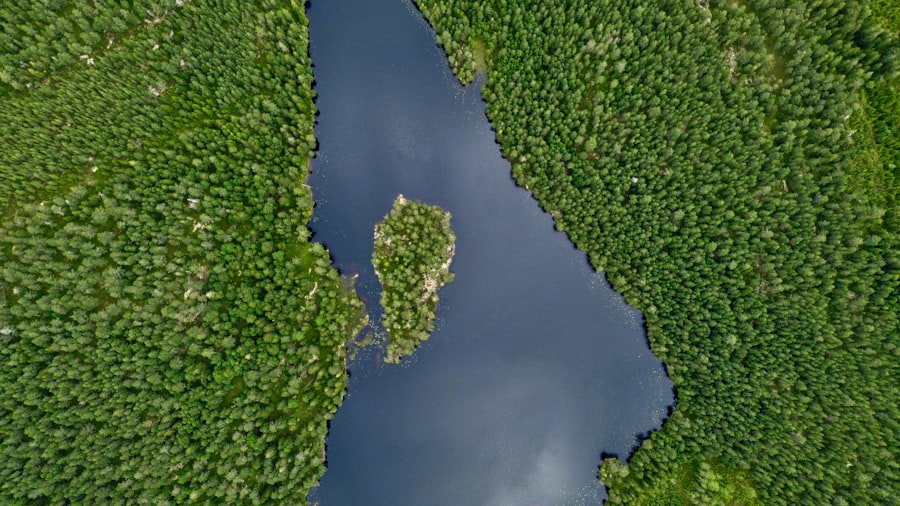
The decline in water levels in Gatún Lake has far-reaching consequences for the surrounding ecosystem. As water levels drop, the delicate balance of aquatic habitats is disrupted, leading to changes in species composition and abundance. Fish populations that rely on specific water conditions for breeding and feeding may decline, resulting in a ripple effect throughout the food chain.
The loss of aquatic vegetation, which provides shelter and sustenance for various species, further exacerbates these challenges. Moreover, the surrounding terrestrial ecosystems are also affected by declining water levels. The reduction in moisture can lead to increased vulnerability to wildfires, which can devastate large areas of forest and disrupt habitats for countless species.
The interconnectedness of these ecosystems means that changes in one area can have cascading effects on others, highlighting the importance of maintaining healthy water levels in Gatún Lake for overall ecological stability.
Effects on wildlife and biodiversity
| Impact | Effect on Wildlife and Biodiversity |
|---|---|
| 1 | Loss of habitat |
| 2 | Disruption of ecosystems |
| 3 | Decline in population of certain species |
| 4 | Loss of biodiversity |
| 5 | Increased risk of extinction |
The impact of declining water levels on wildlife and biodiversity in Gatún Lake is profound. Many species that inhabit the lake and its surrounding areas are highly specialized and depend on specific environmental conditions to thrive. As water levels decrease, these species face increased competition for resources, leading to potential declines in their populations.
Fish species such as tilapia and snook, which are vital for both local fisheries and ecological balance, may struggle to survive as their habitats shrink. In addition to fish populations, other wildlife such as birds, reptiles, and mammals are also affected by changes in their environment. Birds that rely on aquatic habitats for feeding may find it increasingly difficult to locate food sources as wetlands dry up.
Similarly, mammals that depend on these ecosystems for drinking water may be forced to migrate to find suitable habitats, leading to increased human-wildlife conflict as they encroach on urban areas. The loss of biodiversity not only threatens individual species but also undermines the resilience of ecosystems as a whole.
Challenges for the Panama Canal
The Panama Canal, a marvel of engineering and a critical artery for global trade, faces significant challenges due to declining water levels in Gatún Lake. As ships transit through the canal, they require a specific amount of water to navigate safely. When water levels drop too low, it can lead to restrictions on vessel traffic, resulting in delays and increased costs for shipping companies.
This situation poses a threat to Panama’s position as a key player in international trade. Furthermore, the canal’s operational efficiency is closely tied to Gatún Lake’s water levels. The canal authorities must carefully manage water resources to ensure that ships can pass through without incident.
This management often involves complex decisions regarding water allocation for various uses, including navigation, agriculture, and domestic consumption. As competition for water resources intensifies, maintaining a balance between these demands becomes increasingly challenging.
Economic implications for Panama
The economic implications of declining water levels in Gatún Lake are significant for Panama. The Panama Canal is a major source of revenue for the country, generating billions of dollars annually through tolls paid by ships transiting through its waters. If water levels continue to decline and shipping operations are disrupted, Panama could face substantial financial losses.
This situation could also impact employment opportunities within the maritime sector and related industries that rely on the canal’s operations. Additionally, agriculture—a vital component of Panama’s economy—may suffer as farmers face increasing challenges related to water availability. With reduced access to irrigation from Gatún Lake, crop yields could decline, leading to food insecurity and economic instability for rural communities.
The interconnectedness of these economic sectors underscores the urgent need for sustainable management practices that prioritize both ecological health and economic viability.
Efforts to mitigate the decline
In response to the challenges posed by declining water levels in Gatún Lake, various efforts have been initiated to mitigate this issue.
These initiatives often focus on reforestation programs designed to restore natural habitats and enhance watershed protection.
Additionally, public awareness campaigns are being launched to educate residents about the importance of conserving water resources and protecting local ecosystems. By fostering a sense of stewardship among communities, these efforts aim to encourage sustainable practices that can help alleviate some of the pressures facing Gatún Lake. Collaborative approaches that involve multiple stakeholders are essential for creating long-term solutions that address both environmental and economic concerns.
Role of climate change in the water level decline
Climate change plays a pivotal role in the decline of water levels in Gatún Lake. As global temperatures rise, weather patterns become increasingly erratic, leading to more frequent and severe droughts in some regions while causing intense rainfall in others.
The changing climate not only impacts precipitation but also influences evaporation rates, further exacerbating water loss. Moreover, climate change poses additional risks to ecosystems surrounding Gatún Lake. Rising temperatures can alter species distributions and disrupt migration patterns, leading to shifts in biodiversity that may not be easily reversible.
The interconnected nature of climate systems means that local changes can have far-reaching consequences, emphasizing the need for comprehensive strategies that address both climate adaptation and mitigation.
Importance of Gatún Lake for the region
Gatún Lake is not only vital for Panama but also holds significance for the broader Central American region. As a key component of international shipping routes, it facilitates trade between nations and contributes to regional economic stability. The lake’s ecological health is equally important; it supports diverse ecosystems that provide essential services such as clean water supply and carbon storage.
Furthermore, Gatún Lake serves as a recreational resource for both locals and tourists alike. Its scenic beauty attracts visitors who engage in activities such as fishing, boating, and birdwatching. Preserving this natural treasure is crucial not only for maintaining its economic value but also for ensuring that future generations can enjoy its recreational opportunities.
Potential solutions and future outlook
Addressing the challenges facing Gatún Lake requires innovative solutions that prioritize sustainability and resilience. One potential approach involves implementing integrated watershed management practices that consider the entire ecosystem rather than focusing solely on individual components. This holistic perspective can help identify synergies between conservation efforts and economic development initiatives.
Investing in infrastructure improvements is another avenue worth exploring. Upgrading irrigation systems to reduce water waste in agriculture can alleviate some pressure on Gatún Lake while enhancing food security for local communities. Additionally, promoting sustainable tourism practices can generate revenue while minimizing environmental impacts.
The future outlook for Gatún Lake hinges on collective action from all stakeholders involved—government agencies, local communities, businesses, and environmental organizations must work together toward shared goals. By fostering collaboration and prioritizing sustainable practices, there is hope for restoring water levels and preserving this invaluable resource.
Conclusion and call to action
In conclusion, Gatún Lake stands as a testament to human ingenuity while simultaneously serving as a critical resource for Panama’s economy and ecology. However, declining water levels pose significant threats that require immediate attention from all sectors of society. It is imperative that stakeholders recognize their role in safeguarding this vital resource through sustainable practices and collaborative efforts.
A call to action is necessary—individuals must become advocates for conservation within their communities while supporting policies aimed at protecting Gatún Lake’s health. By prioritizing sustainability today, future generations can continue to benefit from this remarkable natural asset that has shaped Panama’s identity and prosperity for over a century.
The decline in water levels at Gatún Lake has raised significant concerns regarding its impact on the Panama Canal’s operations and the surrounding ecosystem. This issue is intricately linked to broader environmental changes and water management challenges in the region. For a deeper understanding of the geographical and environmental factors contributing to this situation, you can explore a related article on MyGeoQuest. This resource provides valuable insights into the dynamics of water bodies and their critical role in global trade and local biodiversity.
😨 WATCH THIS! 🚢 The Panama Canal Is a Ticking Time Bomb: What Happens If It Fails?
FAQs
What is Gatún Lake?
Gatún Lake is a large artificial lake located in the Republic of Panama. It was created as part of the Panama Canal construction and serves as a key component of the canal’s operation.
Why is the water level of Gatún Lake declining?
The water level of Gatún Lake is declining due to a combination of factors, including changes in precipitation patterns, deforestation, and increased water usage for activities such as shipping and hydroelectric power generation.
What are the potential impacts of Gatún Lake’s water level decline?
The decline in Gatún Lake’s water level could have significant impacts on the operation of the Panama Canal, as well as on the surrounding ecosystem and local communities that rely on the lake for water supply and transportation.
What measures are being taken to address the decline in Gatún Lake’s water level?
Efforts are being made to address the decline in Gatún Lake’s water level, including reforestation projects, water conservation initiatives, and the exploration of alternative water sources. Additionally, the Panama Canal Authority is implementing measures to manage water usage and maintain the canal’s operation.