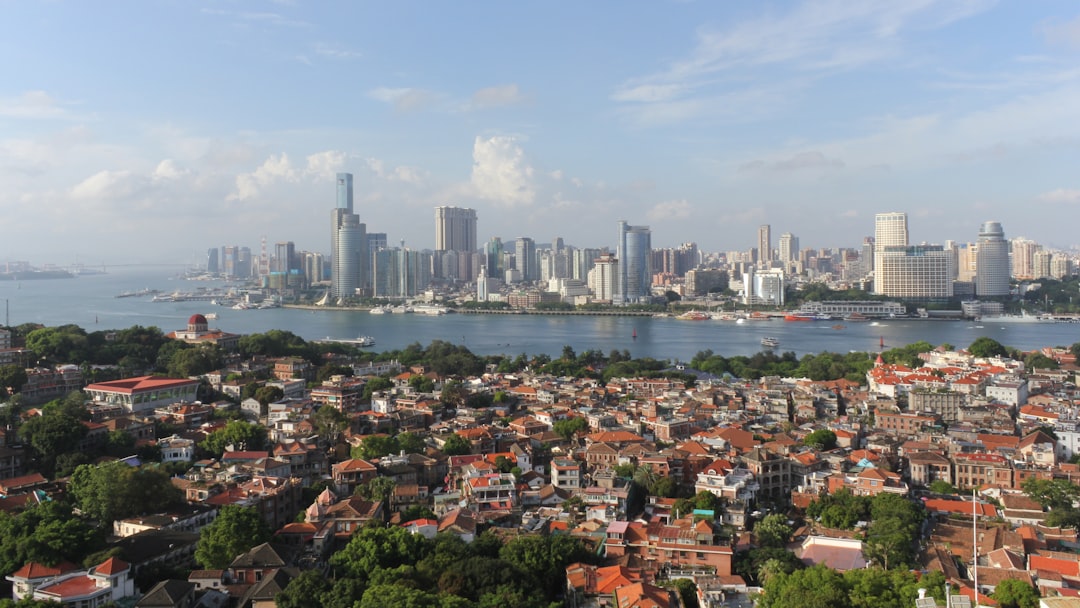
The Panama Canal stands as one of the most remarkable engineering feats in human history, connecting the Atlantic and Pacific Oceans through a narrow isthmus. Completed in 1914, this artificial waterway spans approximately 50 miles and has transformed maritime navigation by significantly reducing travel time for ships. Before its construction, vessels had to undertake the perilous journey around the southern tip of South America, a route that could take weeks and was fraught with dangers.
The canal not only revolutionized shipping but also played a pivotal role in shaping the geopolitical landscape of the region. The significance of the Panama Canal extends beyond its physical dimensions; it symbolizes the ingenuity and determination of those who envisioned and constructed it. The canal’s creation was a monumental task that involved overcoming numerous engineering challenges, including the management of water levels and the excavation of vast amounts of earth.
Today, it remains a critical artery for international trade, facilitating the movement of goods and resources across continents. As such, the Panama Canal is not merely a passage for ships; it is a lifeline for economies around the world.
Key Takeaways
- The Panama Canal is a key waterway that connects the Atlantic and Pacific Oceans, facilitating global trade and maritime transportation.
- The construction and operation of the Panama Canal has been a significant driver of economic growth and development in Panama, contributing to its GDP and employment opportunities.
- The Panama Canal has had a profound impact on global trade by reducing shipping distances and costs, and enabling the transportation of goods between major trading partners.
- The economic benefits and revenue generated by the Panama Canal have been substantial, contributing to the country’s infrastructure development and government revenue.
- Dependency on the Panama Canal poses challenges and risks for Panama’s economy, prompting diversification efforts to reduce reliance on the Canal and mitigate potential disruptions.
Historical significance of the Panama Canal for Panama’s economy
The historical significance of the Panama Canal for Panama’s economy cannot be overstated. When the canal was completed, it provided the nation with a unique opportunity to position itself as a central player in global trade. The revenue generated from tolls paid by ships traversing the canal has been a substantial source of income for the Panamanian government.
This financial influx has allowed for investments in infrastructure, education, and healthcare, contributing to the overall development of the country. Moreover, the canal has fostered economic diversification within Panama. Historically reliant on agriculture and traditional industries, the canal’s operation has encouraged growth in sectors such as logistics, tourism, and services.
The presence of the canal has attracted foreign investment and spurred job creation, leading to an increase in living standards for many Panamanians. As a result, the canal has not only been a conduit for trade but also a catalyst for economic transformation within the nation.
Impact of the Panama Canal on global trade
The impact of the Panama Canal on global trade is profound and far-reaching. By providing a shortcut between two major oceans, it has enabled ships to save time and fuel, thereby reducing shipping costs. This efficiency has made it possible for businesses to engage in international trade more competitively.
The canal serves as a critical link in global supply chains, facilitating the movement of goods ranging from consumer products to raw materials. Furthermore, the canal has played a significant role in shaping trade patterns. It has allowed countries to access new markets and has contributed to the globalization of commerce.
For instance, Asian manufacturers can ship goods to East Coast markets in the United States more efficiently than ever before, altering traditional trade routes. The canal’s influence extends beyond mere logistics; it has also fostered economic interdependence among nations, highlighting its importance in an increasingly interconnected world.
Economic benefits and revenue generated by the Panama Canal
| Year | Total Revenue Generated (in millions) | Economic Benefits (in billions) |
|---|---|---|
| 2015 | 2,600 | 8.6 |
| 2016 | 2,800 | 9.2 |
| 2017 | 3,000 | 9.8 |
| 2018 | 3,200 | 10.5 |
| 2019 | 3,400 | 11.2 |
The economic benefits derived from the Panama Canal are substantial and multifaceted. The tolls collected from vessels passing through the canal represent a significant source of revenue for Panama. In recent years, this income has been crucial for funding public services and infrastructure projects across the country.
The financial stability provided by these revenues has allowed Panama to invest in its future while maintaining a degree of economic independence. In addition to direct revenue from tolls, the canal has stimulated ancillary industries such as shipping services, logistics, and tourism. The presence of the canal has led to the establishment of numerous businesses that cater to maritime traffic, including repair facilities and supply companies.
This ecosystem not only creates jobs but also enhances Panama’s position as a regional hub for trade and commerce. The economic ripple effects of the canal extend throughout various sectors, underscoring its importance as a driver of growth.
Challenges and risks associated with dependency on the Canal
Despite its many advantages, dependency on the Panama Canal presents several challenges and risks for Panama’s economy. One significant concern is vulnerability to fluctuations in global trade patterns. Economic downturns or shifts in shipping routes can lead to decreased traffic through the canal, directly impacting revenue streams.
Such fluctuations can create uncertainty for businesses that rely heavily on canal-related activities. Additionally, there are geopolitical risks associated with the canal’s strategic importance. As a vital passageway for international shipping, any disruption—whether due to political tensions or natural disasters—could have far-reaching consequences not only for Panama but also for global trade networks.
This dependency on a single infrastructure asset raises questions about long-term economic sustainability and resilience in an ever-changing global landscape.
Diversification efforts to reduce dependency on the Canal
Recognizing the risks associated with over-reliance on the canal, Panama has initiated various diversification efforts aimed at bolstering its economy. These initiatives focus on expanding sectors such as tourism, technology, and renewable energy. By investing in these areas, Panama aims to create a more balanced economic landscape that is less susceptible to fluctuations in canal traffic.
Tourism, in particular, has emerged as a promising avenue for diversification. With its rich cultural heritage and stunning natural landscapes, Panama has positioned itself as an attractive destination for travelers from around the world. Efforts to promote eco-tourism and cultural experiences have gained traction, contributing to job creation and economic growth outside of canal-related activities.
By fostering a diverse economy, Panama seeks to mitigate risks while enhancing its overall resilience.
Infrastructure development and modernization of the Canal
To maintain its competitive edge in global trade, ongoing infrastructure development and modernization of the Panama Canal are essential. In recent years, significant investments have been made to expand and upgrade its facilities, including the construction of a new set of locks that accommodate larger vessels known as “New Panamax” ships. This expansion has allowed the canal to handle increased traffic and adapt to changing shipping trends.
Modernization efforts also extend beyond physical infrastructure; they encompass technological advancements aimed at improving operational efficiency. Implementing state-of-the-art navigation systems and enhancing communication capabilities are crucial steps toward ensuring that the canal remains a vital player in international shipping. By continually investing in infrastructure development, Panama can secure its position as a key transit point for global trade.
Environmental concerns and sustainability of the Canal
As vital as it is for economic growth, the operation of the Panama Canal raises important environmental concerns that must be addressed. The construction and expansion of the canal have had significant ecological impacts on local ecosystems, including deforestation and changes to water quality in surrounding areas. These environmental challenges necessitate careful management to ensure that economic benefits do not come at an unsustainable cost.
Sustainability initiatives are increasingly becoming a focus for canal management authorities. Efforts to mitigate environmental impacts include reforestation projects and measures aimed at preserving biodiversity in affected areas. Additionally, there is a growing emphasis on adopting green technologies within canal operations to reduce carbon emissions associated with shipping activities.
By prioritizing sustainability, Panama can work toward balancing economic growth with environmental stewardship.
Geopolitical implications of the Panama Canal
The geopolitical implications of the Panama Canal are significant given its strategic location and role in global trade dynamics. Control over this vital waterway has historically been a point of contention among nations, influencing diplomatic relations in Central America and beyond.
In recent years, geopolitical tensions have resurfaced as countries vie for influence over trade routes and maritime access points. The United States continues to maintain an interest in ensuring that shipping through the canal remains secure and efficient, while other nations seek to expand their presence in Latin America. As global power dynamics shift, understanding these geopolitical implications becomes crucial for policymakers in Panama as they navigate their relationships with other nations.
Future outlook for Panama’s economy and the Canal
The future outlook for Panama’s economy and the Panama Canal appears promising yet complex. As global trade continues to evolve, Panama must remain agile in adapting to new challenges and opportunities. The ongoing modernization efforts at the canal will be critical in maintaining its relevance in an increasingly competitive maritime landscape.
Moreover, diversification strategies will play an essential role in shaping Panama’s economic trajectory. By investing in emerging sectors such as technology and sustainable tourism, Panama can create new avenues for growth while reducing dependency on canal revenues. As long as policymakers remain proactive in addressing challenges—be they environmental or geopolitical—Panama can continue to thrive as a vital player in global trade.
The Panama Canal as a vital economic lifeline
In conclusion, the Panama Canal serves as an indispensable economic lifeline not only for Panama but also for global trade at large. Its historical significance is evident in its transformative impact on both national and international economies.
As Panama navigates its future amidst changing global dynamics, it must continue to leverage its unique position while addressing potential vulnerabilities. The canal remains a testament to human ingenuity and resilience; its continued operation will be crucial for fostering economic prosperity both within Panama and across international borders. Ultimately, the Panama Canal stands as a symbol of connectivity—a bridge between nations that facilitates commerce and collaboration on a global scale.
Panama’s economic landscape is intricately tied to the Panama Canal, a crucial maritime route that significantly contributes to the nation’s GDP. The canal not only facilitates global trade but also supports various sectors within Panama, including logistics, shipping, and tourism. An insightful article discussing the broader implications of Panama’s economic dependence on the canal can be found on MyGeoQuest. This article delves into how the canal’s operations impact the country’s economic stability and explores potential strategies for diversification. For more detailed information, you can read the full article by visiting MyGeoQuest.
😨 WATCH THIS! 🚢 The Panama Canal Is a Ticking Time Bomb: What Happens If It Fails?
FAQs
What is the Panama Canal and why is it important to Panama’s economy?
The Panama Canal is a man-made waterway that connects the Atlantic Ocean to the Pacific Ocean. It is important to Panama’s economy because it generates significant revenue from tolls paid by ships passing through the canal, as well as providing employment opportunities and stimulating related industries.
How much revenue does the Panama Canal generate for Panama’s economy?
The Panama Canal generates billions of dollars in revenue for Panama’s economy. In 2020, the canal’s revenue reached $2.6 billion, making it a crucial source of income for the country.
What are the main industries that benefit from the Panama Canal?
The main industries that benefit from the Panama Canal include shipping, logistics, transportation, and tourism. The canal’s strategic location and efficient operations make it a key hub for global trade and transportation.
How does the Panama Canal impact Panama’s overall economic dependence?
The Panama Canal plays a significant role in Panama’s overall economic dependence by contributing to the country’s GDP, creating jobs, and attracting foreign investment. However, it also exposes Panama to potential risks and vulnerabilities associated with the canal’s operations and global trade dynamics.
What are the potential challenges and risks associated with Panama’s economic dependence on the canal?
Some potential challenges and risks associated with Panama’s economic dependence on the canal include competition from alternative shipping routes, geopolitical tensions, environmental concerns, and the need for continuous infrastructure investment and maintenance to ensure the canal’s competitiveness and sustainability.