
The shipping industry serves as the backbone of global trade, facilitating the movement of goods across vast distances. However, this essential sector is not without its vulnerabilities. The intricate web of logistics, international regulations, and geopolitical dynamics creates a landscape where disruptions can have far-reaching consequences.
Understanding these vulnerabilities is crucial for stakeholders, including shipping companies, governments, and consumers, as they navigate the complexities of maritime commerce. At its core, the shipping industry is susceptible to a myriad of risks ranging from natural disasters to cyber threats. The reliance on a global network of ports and shipping lanes means that any disruption in one area can ripple through the entire supply chain.
Additionally, the industry’s dependence on fossil fuels and aging infrastructure further exacerbates its vulnerability. As the world becomes increasingly interconnected, recognizing and addressing these vulnerabilities is paramount for ensuring the resilience and sustainability of maritime operations.
Key Takeaways
- The shipping industry is vulnerable to a wide range of global events and economic trends, making it essential for stakeholders to understand and address these vulnerabilities.
- Key vulnerabilities in the shipping industry include supply chain disruptions, environmental factors, regulatory challenges, and economic trends, all of which can have a significant impact on operations and profitability.
- Global events such as natural disasters, geopolitical tensions, and public health crises can greatly impact the shipping industry, highlighting the need for proactive strategies to mitigate vulnerability.
- Strategies for mitigating vulnerability in the shipping industry include leveraging technology and innovation, implementing robust supply chain management practices, and addressing environmental concerns.
- The role of insurance is crucial in managing shipping industry vulnerability, providing financial protection against potential risks and disruptions.
Identifying Key Vulnerabilities in the Shipping Industry
Several key vulnerabilities plague the shipping industry, each presenting unique challenges that require careful consideration. One of the most pressing issues is the threat of piracy and maritime crime, particularly in high-risk areas such as the Gulf of Aden and the Strait of Malacca. These criminal activities not only endanger crew members but also lead to significant financial losses for shipping companies.
The fear of piracy can result in increased insurance premiums and necessitate the implementation of costly security measures. Another critical vulnerability lies in the aging infrastructure of ports and vessels. Many ports around the world struggle with congestion and inefficiencies, leading to delays that can disrupt supply chains.
Furthermore, older ships may not meet modern safety and environmental standards, posing risks to both crew and cargo. The lack of investment in upgrading infrastructure and fleets can leave the industry exposed to operational failures and accidents, highlighting the need for proactive measures to address these vulnerabilities.
The Impact of Global Events on Shipping Vulnerability
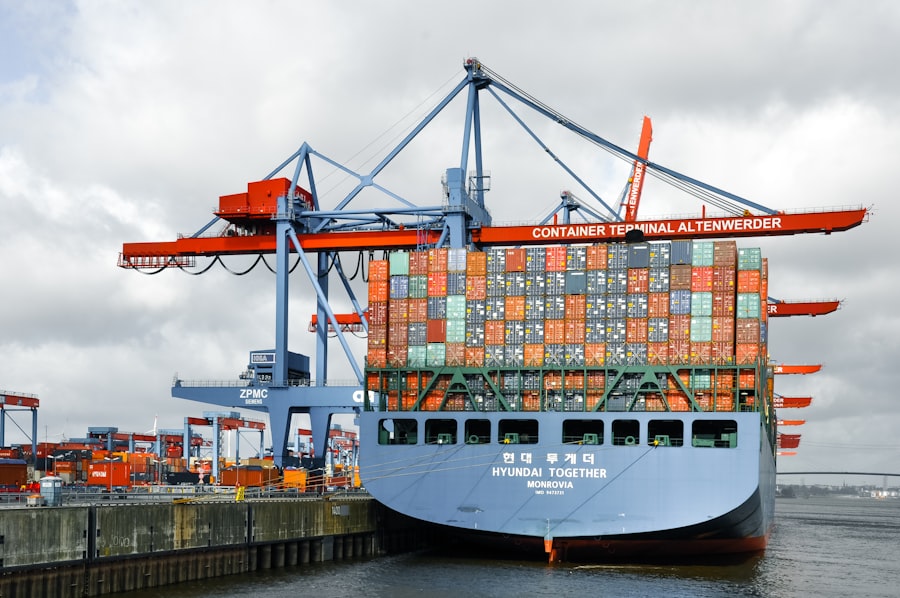
Global events have a profound impact on the shipping industry’s vulnerability, often acting as catalysts for disruption. Natural disasters such as hurricanes, earthquakes, and tsunamis can wreak havoc on port operations and shipping routes, leading to delays and increased costs. For instance, Hurricane Katrina in 2005 severely impacted shipping operations in New Orleans, demonstrating how environmental factors can disrupt maritime commerce.
Moreover, geopolitical tensions and conflicts can create uncertainty in shipping routes, leading to increased insurance costs and rerouting of vessels. The ongoing trade disputes between major economies can also result in fluctuating demand for shipping services, further complicating the industry’s ability to adapt. As global events continue to unfold, understanding their implications for shipping vulnerability becomes increasingly important for stakeholders seeking to mitigate risks.
Strategies for Mitigating Vulnerability in the Shipping Industry
| Strategies | Description |
|---|---|
| Enhanced Cybersecurity Measures | Implementing advanced security protocols to protect against cyber threats. |
| Regular Risk Assessments | Conducting frequent evaluations to identify and address potential vulnerabilities. |
| Employee Training | Providing education and training to staff on security best practices. |
| Supply Chain Visibility | Improving transparency and monitoring of the supply chain to reduce vulnerabilities. |
| Collaboration with Authorities | Working closely with government agencies and industry partners to enhance security measures. |
To navigate the vulnerabilities inherent in the shipping industry, stakeholders must adopt comprehensive strategies aimed at risk mitigation. One effective approach is diversifying supply chains to reduce dependence on single routes or suppliers. By establishing alternative shipping lanes and sourcing materials from multiple regions, companies can enhance their resilience against disruptions caused by geopolitical tensions or natural disasters.
Investing in advanced technologies also plays a crucial role in mitigating vulnerability.
Additionally, adopting predictive analytics can help identify potential disruptions before they occur, allowing for proactive measures to be taken.
By embracing innovation and technology, stakeholders can bolster their defenses against the myriad vulnerabilities facing the shipping industry.
Technology and Innovation in Addressing Shipping Vulnerability
The integration of technology and innovation into the shipping industry has emerged as a vital component in addressing vulnerabilities. Automation and digitalization are transforming traditional shipping practices, enhancing efficiency and reducing human error. For instance, autonomous vessels are being developed to navigate waters with minimal crew intervention, potentially lowering operational risks associated with human factors.
Furthermore, blockchain technology is gaining traction as a means of improving transparency and security within supply chains. By providing a decentralized ledger that records transactions in real-time, blockchain can help mitigate fraud and enhance trust among stakeholders. As technology continues to evolve, its application within the shipping industry will play a pivotal role in addressing vulnerabilities and ensuring smoother operations.
Environmental Factors and Shipping Industry Vulnerability
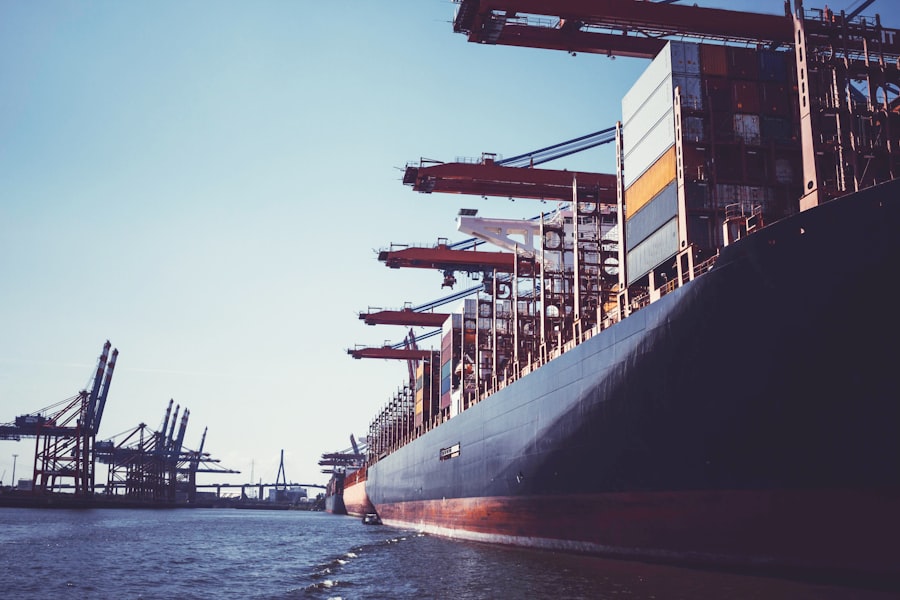
Environmental factors significantly contribute to the vulnerabilities faced by the shipping industry. Climate change poses a growing threat, with rising sea levels and extreme weather events impacting port infrastructure and shipping routes. For example, increased frequency of storms can lead to port closures and delays in cargo delivery, disrupting supply chains on a global scale.
Additionally, regulatory pressures aimed at reducing carbon emissions are forcing shipping companies to adapt their practices. The International Maritime Organization (IMO) has set ambitious targets for reducing greenhouse gas emissions from ships, prompting companies to invest in cleaner technologies and alternative fuels. While these efforts are essential for sustainability, they also present challenges as companies navigate the transition while maintaining operational efficiency.
Regulatory Challenges and Shipping Industry Vulnerability
The regulatory landscape surrounding the shipping industry is complex and ever-evolving, presenting both challenges and opportunities for stakeholders. Compliance with international regulations can be burdensome for shipping companies, particularly smaller operators with limited resources. The need to adhere to various safety standards, environmental regulations, and labor laws can strain operational capacities and increase costs.
Moreover, regulatory changes often arise in response to emerging vulnerabilities, such as cybersecurity threats or environmental concerns. While these regulations aim to enhance safety and sustainability within the industry, they can also create uncertainty for companies trying to navigate compliance requirements. As regulations continue to evolve, stakeholders must remain vigilant and adaptable to ensure they meet legal obligations while effectively managing their vulnerabilities.
Economic Trends and Shipping Industry Vulnerability
Economic trends play a significant role in shaping the vulnerabilities faced by the shipping industry. Fluctuations in global trade volumes directly impact demand for shipping services; during economic downturns, reduced consumer spending can lead to decreased cargo volumes and financial strain on shipping companies. Conversely, periods of economic growth can result in congestion at ports as demand surges.
Additionally, inflationary pressures can affect operational costs within the industry. Rising fuel prices and labor costs can squeeze profit margins for shipping companies already grappling with tight competition. Understanding these economic trends is essential for stakeholders seeking to navigate vulnerabilities effectively while positioning themselves for future growth.
Supply Chain Disruptions and Shipping Industry Vulnerability
Supply chain disruptions have become increasingly prevalent in recent years, exposing vulnerabilities within the shipping industry. Events such as the COVID-19 pandemic highlighted how interconnected global supply chains are susceptible to shocks that can halt operations entirely. Port closures, labor shortages, and transportation delays created significant bottlenecks that reverberated throughout various industries.
To address these disruptions, companies must adopt agile supply chain strategies that allow for rapid adjustments in response to unforeseen events. This may involve building inventory buffers or establishing relationships with alternative suppliers to ensure continuity of operations during crises. By fostering resilience within their supply chains, stakeholders can better navigate vulnerabilities associated with disruptions.
The Role of Insurance in Managing Shipping Industry Vulnerability
Insurance plays a critical role in managing vulnerabilities within the shipping industry by providing financial protection against various risks. Marine insurance policies cover a range of potential issues including cargo loss or damage, liability claims, and environmental incidents. By transferring some of the financial risks associated with maritime operations to insurers, companies can mitigate their exposure to significant losses.
However, navigating insurance requirements can be complex due to varying regulations across jurisdictions and evolving risk landscapes. Insurers are increasingly focusing on assessing risks related to climate change and cybersecurity threats when underwriting policies. As such, stakeholders must work closely with insurers to ensure they have adequate coverage tailored to their specific vulnerabilities while remaining compliant with regulatory standards.
Future Outlook for Navigating Shipping Industry Vulnerability
The future outlook for navigating vulnerabilities within the shipping industry is one marked by both challenges and opportunities. As global trade continues to evolve alongside technological advancements, stakeholders must remain proactive in addressing emerging risks while capitalizing on innovations that enhance resilience. Collaboration among industry players will be essential in fostering a culture of shared responsibility for managing vulnerabilities.
By working together—whether through partnerships or industry associations—stakeholders can develop best practices that promote safety, sustainability, and efficiency across maritime operations. Ultimately, navigating vulnerabilities within the shipping industry requires a multifaceted approach that encompasses risk assessment, technological integration, regulatory compliance, and strategic planning. As the world becomes increasingly interconnected, those who prioritize resilience will be better positioned to thrive amidst uncertainty while contributing positively to global trade dynamics.
The shipping industry, a critical component of global trade, faces numerous vulnerabilities ranging from geopolitical tensions to environmental challenges. A related article on this topic can be found on MyGeoQuest, which delves into the intricacies of these vulnerabilities and their potential impact on global supply chains.