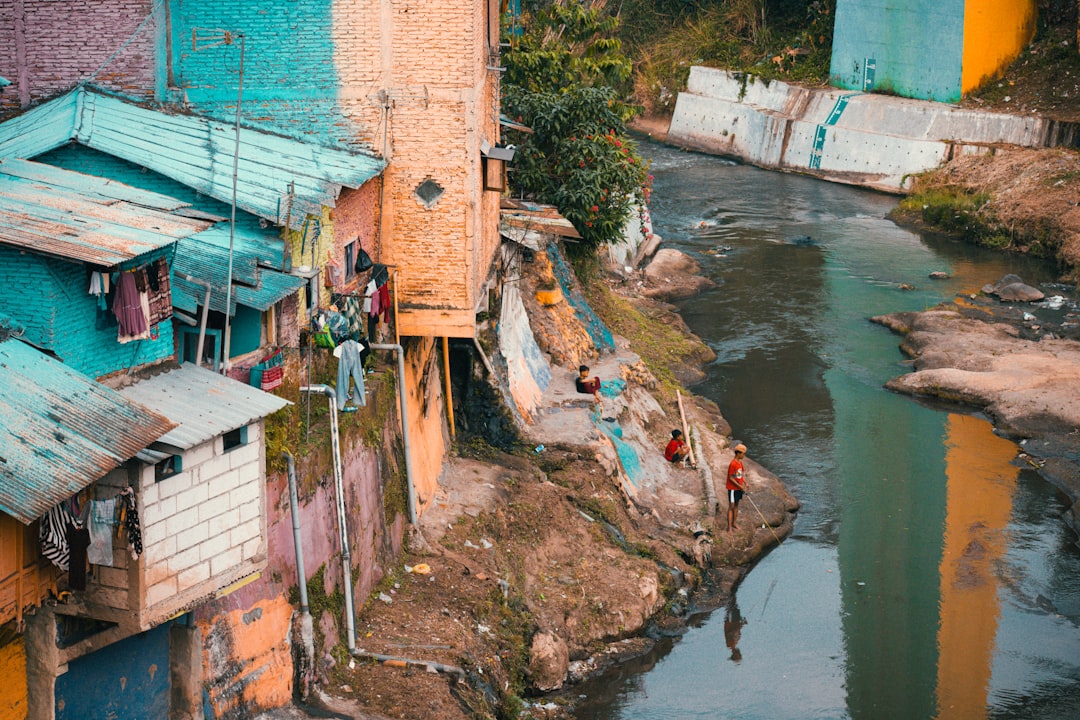
Panama City, the vibrant capital of Panama, is known for its stunning skyline and rich cultural heritage. However, beneath this facade lies a pressing issue that has been affecting its residents and businesses alike: a severe water supply crisis. Over the past few years, the city has faced increasing challenges in providing adequate and reliable access to clean water.
This crisis has not only raised concerns about public health but has also sparked debates about sustainability and resource management in a rapidly urbanizing environment. As the population continues to grow, the demand for water has surged, leading to a situation where the existing infrastructure struggles to keep pace. The water supply crisis in Panama City is not merely a local issue; it reflects broader global challenges related to water scarcity and management.
As urban areas expand and climate change intensifies, cities around the world are grappling with similar dilemmas. In Panama City, the combination of rapid urbanization, inadequate infrastructure, and environmental factors has created a perfect storm that threatens the well-being of its inhabitants. Understanding the intricacies of this crisis is essential for developing effective solutions that can ensure a sustainable water supply for future generations.
Key Takeaways
- Panama City is facing a water supply crisis due to a combination of factors such as population growth, aging infrastructure, and climate change.
- The water supply crisis has had a significant impact on the residents and businesses of Panama City, leading to water shortages and disruptions in daily life and economic activities.
- The government has responded to the crisis by implementing measures such as water rationing, infrastructure upgrades, and seeking international assistance and collaboration.
- Efforts to conserve water in Panama City include public awareness campaigns, water-saving technologies, and regulations on water usage.
- Climate change has exacerbated the water supply crisis in Panama City, leading to more frequent and severe droughts and water scarcity.
Causes of the water supply crisis in Panama City
Several interrelated factors contribute to the water supply crisis in Panama City. One of the primary causes is the rapid population growth that the city has experienced over the last few decades. As more people flock to urban areas in search of better opportunities, the demand for water has skyrocketed.
The existing water infrastructure, which was designed for a much smaller population, is now stretched beyond its limits. This has resulted in frequent shortages and inconsistent water distribution across different neighborhoods. In addition to population growth, inadequate investment in water infrastructure has exacerbated the crisis.
Many of the city’s water treatment plants and distribution systems are aging and in dire need of upgrades. The lack of maintenance and modernization has led to significant water losses due to leaks and inefficiencies in the system. Furthermore, regulatory challenges and bureaucratic hurdles have hindered efforts to implement necessary improvements.
As a result, the city’s ability to provide a reliable water supply has been severely compromised.
Impact of the water supply crisis on the residents and businesses
The repercussions of the water supply crisis are felt acutely by both residents and businesses in Panama City. For households, inconsistent access to clean water poses serious health risks. Many families are forced to rely on alternative sources, such as bottled water or private wells, which can be expensive and unreliable.
This situation disproportionately affects low-income communities, where access to safe drinking water is often limited.
Businesses are also grappling with the consequences of the water supply crisis.
Industries that rely heavily on water, such as hospitality and agriculture, face operational challenges that can threaten their viability. Restaurants may struggle to maintain cleanliness standards without a consistent water supply, while farmers may find it increasingly difficult to irrigate their crops. The economic implications of these challenges can be profound, leading to job losses and reduced economic activity in affected sectors.
As businesses grapple with these issues, the overall economic health of Panama City hangs in the balance.
Government’s response to the water supply crisis
| Government’s Response to Water Supply Crisis | Metrics |
|---|---|
| Investment in infrastructure | 500 million |
| Number of new water treatment plants | 10 |
| Percentage of population with access to clean water | 90% |
| Number of water conservation campaigns | 5 |
In response to the escalating water supply crisis, the Panamanian government has initiated several measures aimed at addressing the issue. Recognizing the urgency of the situation, authorities have begun investing in infrastructure improvements and expanding access to clean water for underserved communities.
However, critics argue that government efforts have been slow and insufficient given the scale of the crisis. Bureaucratic inefficiencies and a lack of coordinated planning have hindered progress, leaving many residents without reliable access to clean water. Additionally, there is a growing call for greater transparency and accountability in how resources are allocated for water management projects.
As public pressure mounts, it remains to be seen whether the government can effectively respond to the needs of its citizens and implement lasting solutions.
Efforts to conserve water in Panama City
Amidst the ongoing crisis, various initiatives aimed at promoting water conservation have emerged in Panama City. Community organizations and non-profits have taken it upon themselves to educate residents about the importance of conserving water and adopting sustainable practices. Workshops and campaigns focused on simple measures—such as fixing leaks, using water-efficient appliances, and rainwater harvesting—have gained traction among local communities.
Moreover, businesses are increasingly recognizing their role in promoting water conservation. Many companies are implementing strategies to reduce their water usage and minimize waste. For instance, hotels are adopting practices such as reusing towels and linens to decrease laundry-related water consumption.
These collective efforts not only help alleviate pressure on the city’s water supply but also foster a culture of sustainability among residents and businesses alike.
The role of climate change in exacerbating the water supply crisis
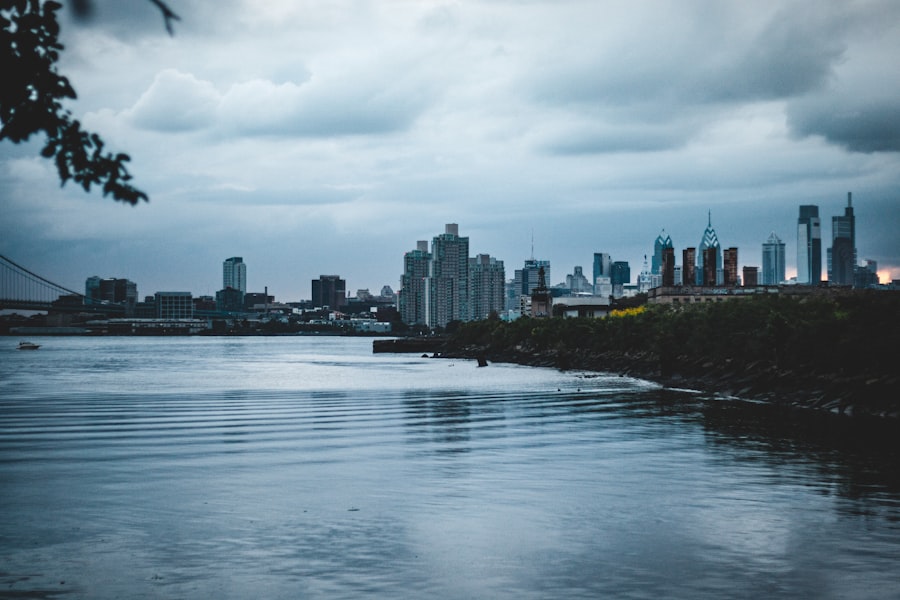
Climate change plays a significant role in exacerbating Panama City’s water supply crisis. The region has experienced shifts in weather patterns, leading to prolonged dry spells and unpredictable rainfall. These changes have strained already limited freshwater resources, making it increasingly difficult for the city to meet its growing demand for water.
As droughts become more frequent and severe, the pressure on existing reservoirs intensifies, further complicating efforts to ensure a reliable supply. Additionally, rising temperatures can increase evaporation rates from reservoirs and rivers, further diminishing available freshwater resources. The interplay between climate change and urbanization creates a complex challenge for city planners and policymakers who must navigate these evolving conditions while striving to secure a sustainable future for Panama City’s residents.
Potential long-term solutions to the water supply crisis
Addressing Panama City’s water supply crisis requires a multifaceted approach that encompasses both immediate interventions and long-term strategies. One potential solution involves investing in modernizing existing infrastructure to enhance efficiency and reduce waste. Upgrading treatment plants and implementing advanced technologies for monitoring and managing water distribution can significantly improve service delivery.
Another promising avenue is exploring alternative sources of freshwater, such as desalination or rainwater harvesting systems. Desalination technology has advanced significantly in recent years, making it a viable option for coastal cities like Panama City facing freshwater shortages. Additionally, promoting green infrastructure—such as permeable pavements and green roofs—can help manage stormwater runoff while replenishing groundwater supplies.
The impact of the water supply crisis on the environment
The environmental implications of Panama City’s water supply crisis are profound and far-reaching. Over-extraction of freshwater resources can lead to habitat degradation and loss of biodiversity in surrounding ecosystems. Rivers and wetlands that once thrived may suffer from reduced flow rates, impacting aquatic life and disrupting natural processes.
Moreover, inadequate wastewater management exacerbates pollution levels in local waterways, further threatening both human health and environmental integrity. As untreated sewage enters rivers and streams, it poses risks not only to aquatic ecosystems but also to communities that rely on these bodies of water for recreation or fishing. Addressing these environmental challenges is crucial for ensuring a sustainable future for both Panama City and its surrounding ecosystems.
International assistance and collaboration in addressing Panama City’s water supply crisis
Recognizing that local efforts alone may not suffice, international organizations have stepped in to provide assistance in addressing Panama City’s water supply crisis. Collaborative initiatives involving governments, NGOs, and private sector partners have emerged as vital components of a comprehensive response strategy. These partnerships often focus on sharing best practices, providing technical expertise, and mobilizing financial resources for infrastructure projects.
For instance, organizations such as the World Bank have supported investments in improving Panama’s water management systems through funding and technical assistance programs. By fostering collaboration between local authorities and international partners, there is potential for innovative solutions that can effectively tackle the challenges posed by the ongoing crisis.
The economic implications of the water supply crisis in Panama City
The economic ramifications of Panama City’s water supply crisis extend beyond immediate impacts on households and businesses; they also pose significant challenges for overall economic growth. Water scarcity can deter investment in key sectors such as tourism and agriculture—two industries that are vital for Panama’s economy. Investors may be hesitant to commit resources if they perceive that access to essential services like clean water is unreliable.
Furthermore, increased operational costs associated with securing alternative sources of water can strain businesses already grappling with other economic pressures. As companies face higher expenses related to sourcing bottled or treated water, they may be forced to pass these costs onto consumers or reduce their workforce—ultimately stunting economic growth within the city.
The importance of public awareness and education in addressing the water supply crisis
Public awareness and education play critical roles in addressing Panama City’s water supply crisis effectively. Engaging residents through educational campaigns can empower them with knowledge about sustainable practices that contribute to conservation efforts. By fostering a sense of responsibility among citizens regarding their water usage habits, communities can collectively work towards alleviating pressure on local resources.
Moreover, raising awareness about the broader implications of the crisis—such as its environmental impact—can galvanize public support for policy changes aimed at improving water management practices. When citizens understand how their actions affect both their immediate surroundings and future generations, they are more likely to advocate for sustainable solutions that prioritize long-term resilience over short-term convenience. In conclusion, Panama City’s ongoing water supply crisis presents a complex challenge that requires concerted efforts from all stakeholders involved—government authorities, businesses, communities, and international partners alike.
By understanding its causes, impacts, and potential solutions through collaborative action rooted in education and awareness-building initiatives, there is hope for securing a sustainable future where access to clean water is guaranteed for all residents of this vibrant city.
In recent years, Panama City has faced significant challenges with its water supply, leading to a crisis that has affected thousands of residents. The situation has been exacerbated by a combination of factors, including climate change, population growth, and aging infrastructure. An insightful article on this topic can be found on MyGeoQuest, which delves into the underlying causes and potential solutions to the water supply issues in Panama City. For more detailed information, you can read the full article by visiting