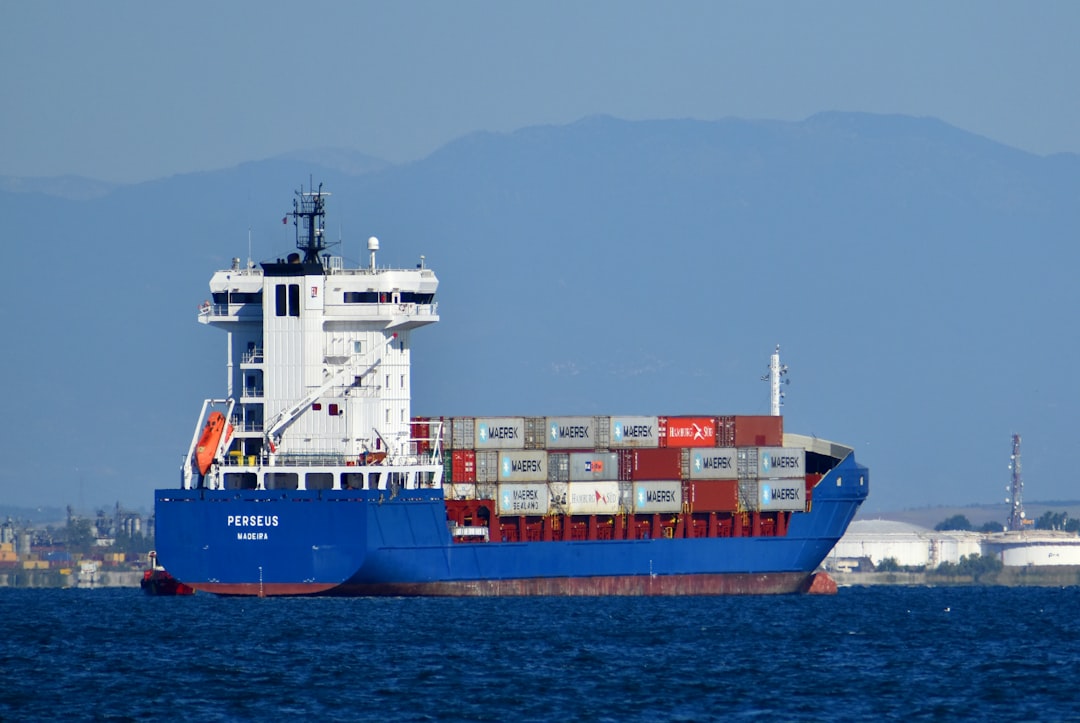
The landscape of global shipping has undergone significant transformations over the years, driven by a multitude of factors that necessitate the reevaluation and alteration of long-term shipping routes. As international trade continues to expand, the need for efficient and cost-effective transportation of goods has become paramount. Shipping routes, which have traditionally been established based on historical patterns and geographical considerations, are now being reshaped by emerging trends and challenges.
This article delves into the various elements influencing these changes, exploring the implications for the shipping industry and global trade. Long-term shipping route changes are not merely a response to immediate logistical needs; they reflect broader shifts in economic, environmental, and geopolitical landscapes. The evolution of these routes is a complex interplay of technological advancements, climate change, and economic pressures that compel shipping companies to adapt.
As the world becomes increasingly interconnected, understanding the dynamics behind these changes is essential for stakeholders in the shipping industry, policymakers, and businesses reliant on maritime transport.
Key Takeaways
- Long term shipping route changes are influenced by various factors such as climate change, economic considerations, technological advancements, environmental concerns, and political/geopolitical factors.
- Climate change has a significant impact on shipping routes, leading to the opening of new routes in the Arctic and changes in traditional routes due to melting ice and rising sea levels.
- Economic considerations play a crucial role in long term shipping route changes, as companies seek more cost-effective and efficient routes to transport goods.
- Technological advancements, such as improved navigation systems and ice-breaking ships, have enabled the exploration and use of new shipping routes in previously inaccessible areas.
- Environmental concerns, including the potential for increased pollution and damage to fragile ecosystems, must be carefully considered when planning long term shipping route changes.
Factors Influencing Long Term Shipping Route Changes
Several factors contribute to the ongoing evolution of long-term shipping routes. One of the most significant influences is the growth of global trade, which has surged in recent decades due to globalization and advancements in communication technologies. As markets expand and consumer demand increases, shipping companies are compelled to optimize their routes to ensure timely delivery and cost efficiency.
This often involves re-evaluating traditional paths in favor of more direct or economically viable alternatives. Another critical factor is the rise of mega-ships, which have revolutionized the shipping industry. These vessels, capable of carrying thousands of containers, require specific port facilities and navigational routes that can accommodate their size.
Consequently, shipping companies are increasingly rerouting their operations to align with the capabilities of these larger ships, leading to significant changes in established shipping lanes. The need for deeper ports and expanded infrastructure further drives this shift, as ports must adapt to handle the demands of modern shipping.
Impact of Climate Change on Shipping Routes
Climate change has emerged as a pivotal force reshaping long-term shipping routes. The melting of polar ice caps has opened up new navigable waters in the Arctic, presenting opportunities for shorter shipping routes between major markets. The Northwest Passage, once considered impassable for much of the year, is now becoming a viable option for certain shipping lines during specific seasons.
This shift not only reduces transit times but also lowers fuel consumption and associated emissions, aligning with global efforts to combat climate change. However, the impact of climate change on shipping routes is not solely positive. Increased frequency and intensity of extreme weather events pose significant risks to maritime operations.
Storms, rising sea levels, and unpredictable weather patterns can disrupt established routes and create hazards for vessels. Shipping companies must navigate these challenges while also considering the environmental implications of their operations. As they adapt to changing conditions, they must balance efficiency with sustainability, ensuring that their practices align with broader environmental goals.
Economic Considerations for Long Term Shipping Route Changes
| Consideration | Metric |
|---|---|
| Cost of fuel | /ton |
| Time in transit | days |
| Port fees | /ship |
| Insurance premiums | /year |
| Environmental impact | CO2 emissions |
Economic factors play a crucial role in determining long-term shipping route changes. The cost of fuel, port fees, and labor can significantly influence a company’s decision to alter its shipping routes. In an era where profit margins are often razor-thin, shipping companies are constantly seeking ways to reduce operational costs.
This may involve shifting routes to avoid high tolls or selecting ports that offer more competitive pricing structures. Additionally, fluctuations in global trade patterns can prompt reevaluation of existing routes. For instance, shifts in manufacturing hubs or changes in consumer demand can lead to increased traffic along certain corridors while diminishing activity in others.
Shipping companies must remain agile and responsive to these economic trends, adjusting their routes accordingly to capitalize on emerging opportunities while mitigating potential losses.
Technological Advancements in Navigating New Shipping Routes
Technological advancements have revolutionized the way shipping companies navigate new routes. Innovations in navigation systems, such as GPS and advanced weather forecasting tools, have enhanced the safety and efficiency of maritime operations. These technologies enable vessels to plot optimal courses that account for real-time weather conditions and potential hazards, reducing transit times and fuel consumption.
Moreover, the integration of big data analytics into shipping operations allows companies to make informed decisions about route planning. By analyzing historical data and current market trends, shipping firms can identify emerging routes that may offer competitive advantages. This data-driven approach not only enhances operational efficiency but also supports strategic planning for long-term route changes.
Environmental Concerns and Long Term Shipping Route Changes
As the shipping industry grapples with its environmental impact, concerns about sustainability are increasingly influencing long-term route changes. The International Maritime Organization (IMO) has set ambitious targets for reducing greenhouse gas emissions from ships, prompting companies to seek greener alternatives in their operations. This includes exploring new routes that minimize fuel consumption and emissions.
Shipping companies are also under pressure from consumers and regulatory bodies to adopt more sustainable practices. As public awareness of climate change grows, there is a rising demand for environmentally responsible shipping solutions. Companies that prioritize sustainability in their route planning may gain a competitive edge in an increasingly eco-conscious market.
This shift towards greener practices not only benefits the environment but also aligns with broader corporate social responsibility goals.
Political and Geopolitical Factors in Shifting Shipping Routes
Political and geopolitical factors play a significant role in shaping long-term shipping route changes. Trade agreements, tariffs, and international relations can all influence the viability of certain routes. For instance, tensions between countries may lead to increased scrutiny of specific shipping lanes or even blockades that necessitate rerouting.
Additionally, geopolitical developments can create new opportunities for trade routes. The Belt and Road Initiative (BRI), launched by China, aims to enhance connectivity between Asia and Europe through infrastructure investments in various countries. This initiative has the potential to reshape global trade patterns by establishing new maritime corridors that facilitate faster and more efficient shipping.
Case Studies of Successful Long Term Shipping Route Changes
Examining case studies of successful long-term shipping route changes provides valuable insights into best practices within the industry. One notable example is the expansion of the Panama Canal, which was completed in 2016. This project allowed larger vessels to transit between the Atlantic and Pacific Oceans more efficiently, significantly altering global shipping routes.
The expansion has led to increased traffic through the canal and has prompted shipping companies to adjust their operations accordingly. Another example is the rise of transshipment hubs in Southeast Asia, particularly in Singapore and Malaysia. These ports have become critical nodes in global supply chains due to their strategic locations and advanced infrastructure.
As a result, many shipping companies have shifted their routes to take advantage of these hubs, optimizing their logistics networks while reducing transit times.
Challenges and Risks of Navigating New Waters
While there are numerous opportunities associated with long-term shipping route changes, challenges and risks abound as well. Navigating new waters often involves uncertainties related to weather patterns, geopolitical tensions, and environmental regulations. Shipping companies must be prepared to adapt quickly to these challenges while ensuring the safety of their vessels and crews.
Moreover, there are inherent risks associated with operating in less familiar waters. Increased competition for resources such as fuel and port access can lead to logistical bottlenecks or higher costs.
Future Trends in Long Term Shipping Route Changes
Looking ahead, several trends are likely to shape long-term shipping route changes in the coming years. The continued impact of climate change will drive further exploration of Arctic routes as melting ice opens up new possibilities for navigation. Additionally, advancements in technology will enable more precise route planning and real-time adjustments based on changing conditions.
Furthermore, as sustainability becomes a central focus for businesses worldwide, there will be an increasing emphasis on eco-friendly shipping practices. Companies that prioritize green initiatives may find themselves at a competitive advantage as consumers demand more responsible options.
Adapting to the Changing Landscape of Shipping Routes
In conclusion, long-term shipping route changes are a multifaceted phenomenon influenced by economic pressures, technological advancements, environmental concerns, and geopolitical dynamics. As the global landscape continues to evolve, stakeholders within the shipping industry must remain agile and responsive to these shifts. By embracing innovation and prioritizing sustainability, companies can navigate the complexities of changing routes while positioning themselves for future success.
The ability to adapt to new realities will be crucial for maintaining competitiveness in an increasingly interconnected world. As challenges arise from climate change and geopolitical tensions, proactive strategies will be essential for ensuring safe and efficient maritime operations. Ultimately, understanding the factors driving long-term shipping route changes will empower stakeholders to make informed decisions that align with both economic goals and environmental responsibilities.
In recent years, the shipping industry has been undergoing significant transformations, particularly in the context of long-term shipping route changes. These changes are driven by various factors, including climate change, technological advancements, and evolving global trade patterns. An insightful article that delves into these dynamics can be found on MyGeoQuest, which explores how these factors are reshaping traditional shipping routes and what the future might hold for global maritime logistics. For a deeper understanding of these developments, you can read the full article by visiting this page.
😨 WATCH THIS! 🚢 The Panama Canal Is a Ticking Time Bomb: What Happens If It Fails?
FAQs
What are long term shipping route changes?
Long term shipping route changes refer to the adjustments made to the regular paths taken by ships to transport goods and cargo over extended periods of time. These changes are often made in response to factors such as changes in trade patterns, weather patterns, or geopolitical considerations.
What factors can lead to long term shipping route changes?
Long term shipping route changes can be influenced by a variety of factors, including shifts in global trade patterns, the opening of new shipping lanes or canals, changes in weather patterns or sea ice conditions, and geopolitical developments such as the opening or closing of ports or the imposition of trade sanctions.
How do long term shipping route changes impact the shipping industry?
Long term shipping route changes can have significant impacts on the shipping industry. They can affect shipping costs, transit times, and fuel consumption, as well as the availability of certain routes and ports. These changes can also create new opportunities for shipping companies and may require them to adapt their operations and logistics strategies accordingly.
What are some examples of long term shipping route changes?
Examples of long term shipping route changes include the opening of the Northwest Passage in the Arctic due to melting sea ice, the expansion of the Panama Canal to accommodate larger ships, and the development of new shipping routes through the Arctic Ocean as a result of climate change. Geopolitical developments, such as the opening of new ports or the imposition of trade sanctions, can also lead to long term shipping route changes.
How do long term shipping route changes impact the environment?
Long term shipping route changes can have environmental impacts, particularly in sensitive areas such as the Arctic. Increased shipping traffic in these regions can lead to greater risks of oil spills, collisions with wildlife, and disturbances to fragile ecosystems. Additionally, changes in shipping routes can affect air and water quality, as well as contribute to greenhouse gas emissions from increased fuel consumption.