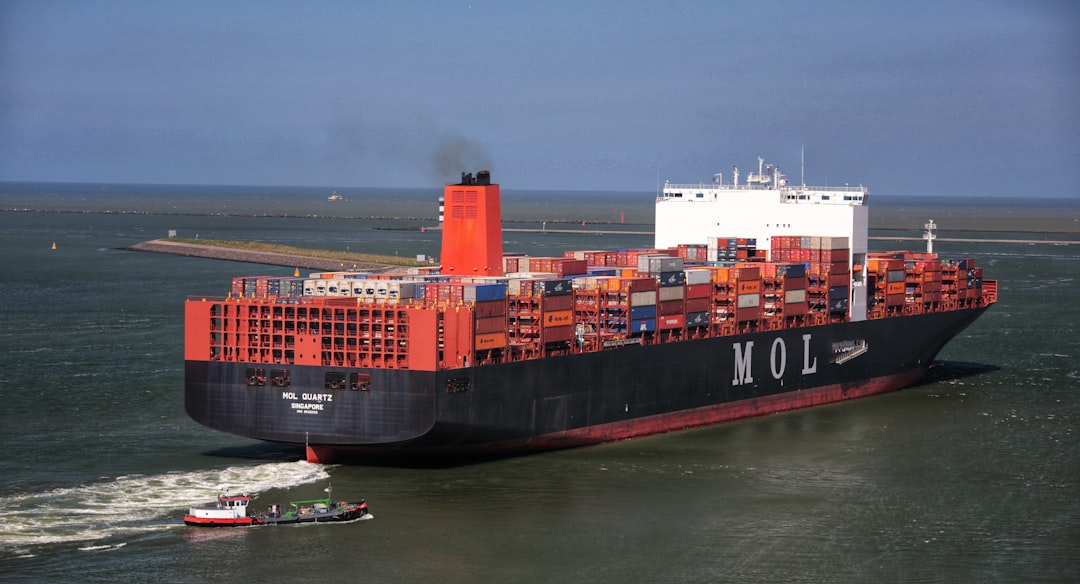
The COVID-19 pandemic has profoundly affected the global shipping industry, leading to unprecedented disruptions and challenges. As countries implemented lockdowns and travel restrictions, the flow of goods was severely hampered. Ports around the world faced congestion as container ships were delayed, and many shipping routes were temporarily suspended.
This resulted in a backlog of cargo, which not only strained logistics but also increased shipping costs significantly. The ripple effects of these disruptions were felt across various sectors, from manufacturing to retail, as supply chains became increasingly fragile. Moreover, the pandemic highlighted vulnerabilities within the shipping industry, prompting companies to reassess their operational strategies.
Many shipping firms experienced a sharp decline in demand for certain goods, while others saw surges in demand for essential items such as medical supplies and food products. This duality created a complex landscape where adaptability became crucial. Companies that could pivot quickly to meet changing consumer needs often fared better than those that remained rigid in their operations.
The pandemic underscored the importance of resilience and flexibility in an industry that is inherently global and interconnected.
Key Takeaways
- COVID-19 led to disruptions in global shipping, causing delays and increased costs for companies.
- New regulations and policies, such as IMO 2020 sulfur cap and Ballast Water Management Convention, are impacting the shipping industry.
- Technology and automation are revolutionizing the shipping industry, leading to increased efficiency and reduced operational costs.
- Environmental initiatives and sustainability efforts are becoming a priority for shipping companies to reduce their carbon footprint.
- Global trade trends, such as the rise of e-commerce and regional trade agreements, are shaping the future of the shipping industry.
New Regulations and Policies Affecting Shipping Industry
In response to the challenges posed by the pandemic and ongoing environmental concerns, governments and international bodies have introduced a range of new regulations and policies affecting the shipping industry. These regulations aim to enhance safety standards, improve environmental sustainability, and ensure fair competition among shipping companies. For instance, the International Maritime Organization (IMO) has implemented stricter emissions regulations, pushing for a reduction in greenhouse gas emissions from ships.
This shift towards greener practices is not only a response to climate change but also reflects growing public demand for sustainable business practices. Additionally, new policies have emerged to address labor issues within the shipping sector. The pandemic exposed significant gaps in crew welfare and working conditions, leading to calls for improved regulations regarding seafarer rights and protections.
Governments and industry stakeholders are now working together to establish frameworks that ensure the safety and well-being of maritime workers. These changes are expected to reshape the labor landscape within the shipping industry, fostering a more equitable environment for those who operate at sea.
Advances in Technology and Automation in Shipping
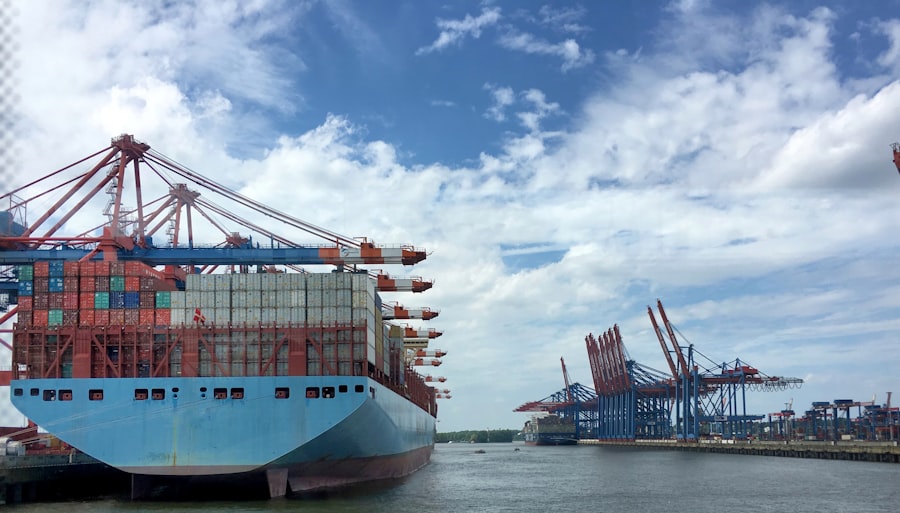
Technological advancements have been a driving force in transforming the shipping industry, particularly in recent years. Automation and digitalization have revolutionized various aspects of shipping operations, from cargo handling to navigation. The introduction of smart shipping technologies, such as autonomous vessels and advanced tracking systems, has enhanced efficiency and reduced operational costs.
These innovations allow shipping companies to optimize routes, minimize fuel consumption, and improve overall service delivery. Furthermore, the integration of data analytics and artificial intelligence has enabled shipping firms to make more informed decisions. By analyzing vast amounts of data related to weather patterns, port congestion, and market trends, companies can anticipate challenges and respond proactively.
This data-driven approach not only enhances operational efficiency but also contributes to better customer service. As technology continues to evolve, it is expected that the shipping industry will further embrace automation, leading to safer and more efficient maritime operations.
Environmental Initiatives and Sustainability Efforts in Shipping
| Initiative | Description | Impact |
|---|---|---|
| Use of alternative fuels | Switching to cleaner fuels such as LNG or biofuels to reduce emissions | Reduction in greenhouse gas emissions |
| Ballast water management | Implementing systems to prevent the spread of invasive species through ballast water | Protection of marine ecosystems |
| Energy efficiency measures | Installing energy-saving technologies and optimizing vessel operations | Reduction in fuel consumption and emissions |
| Waste management | Proper disposal and recycling of waste generated on ships | Prevention of marine pollution |
The shipping industry is increasingly recognizing its responsibility towards environmental sustainability. With growing concerns about climate change and pollution, many companies are implementing initiatives aimed at reducing their carbon footprint. This includes investing in cleaner fuels, such as liquefied natural gas (LNG) and exploring alternative energy sources like wind and solar power.
Additionally, shipping companies are adopting more efficient vessel designs that minimize energy consumption and emissions. Moreover, collaboration among industry stakeholders is becoming more common as companies work together to develop sustainable practices. Initiatives such as the Global Industry Alliance (GIA) aim to promote the adoption of innovative technologies that enhance environmental performance across the sector.
By sharing best practices and investing in research and development, the shipping industry is taking significant steps towards achieving its sustainability goals. These efforts not only benefit the environment but also enhance the industry’s reputation among consumers who increasingly prioritize eco-friendly practices.
Global Trade Trends and Their Impact on Shipping
Global trade trends play a crucial role in shaping the dynamics of the shipping industry. As economies recover from the impacts of the pandemic, there has been a noticeable shift in trade patterns. Emerging markets are becoming increasingly important players in global trade, leading to changes in shipping routes and demand for specific goods.
For instance, the rise of e-commerce has driven a surge in demand for fast shipping services, prompting companies to adapt their logistics strategies accordingly. Additionally, geopolitical factors such as trade agreements and tariffs can significantly influence shipping operations. Changes in trade policies can lead to fluctuations in cargo volumes and alter established routes.
Shipping companies must remain agile to navigate these complexities effectively. By staying attuned to global trade trends, they can position themselves strategically to capitalize on emerging opportunities while mitigating potential risks associated with changing market dynamics.
Challenges and Opportunities for Shipping Companies
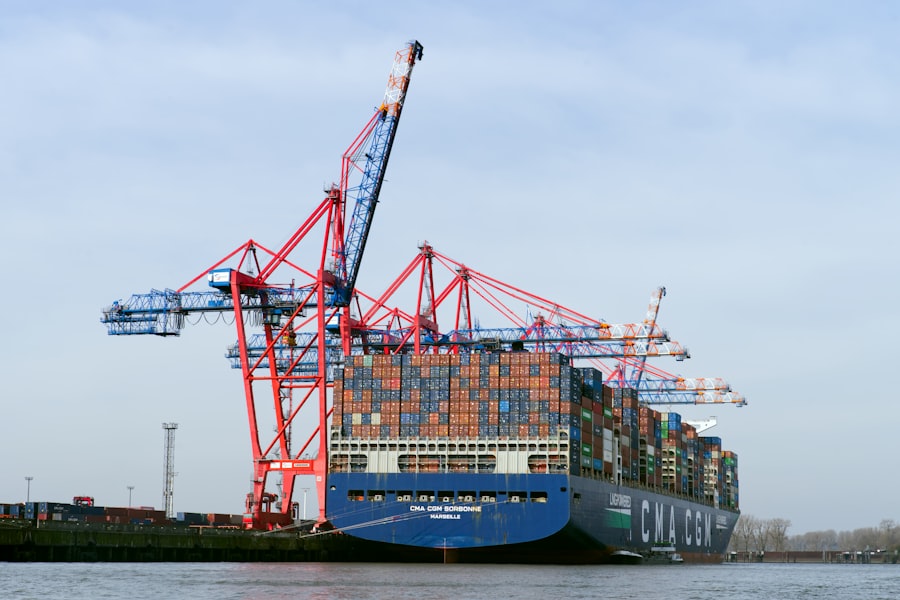
The shipping industry faces a myriad of challenges that require innovative solutions and strategic planning. One of the most pressing issues is the ongoing labor shortage within the sector. As experienced seafarers retire and fewer individuals enter the profession, companies are grappling with how to attract and retain talent.
However, alongside these challenges lie significant opportunities for growth and innovation. The push towards sustainability presents a chance for shipping companies to differentiate themselves by adopting eco-friendly practices that resonate with consumers.
Additionally, advancements in technology offer avenues for improving operational efficiency and reducing costs. By embracing change and investing in their workforce, shipping companies can position themselves for long-term success in an evolving industry landscape.
Major Mergers and Acquisitions in the Shipping Industry
The shipping industry has witnessed a wave of mergers and acquisitions as companies seek to enhance their competitive edge and expand their market presence. These strategic moves often aim to achieve economies of scale, allowing firms to reduce costs while increasing their service offerings. For instance, larger companies may acquire smaller firms with specialized capabilities or access to new markets, thereby strengthening their overall position within the industry.
Such consolidation can also lead to increased efficiency as companies streamline operations and eliminate redundancies. However, it raises concerns about market concentration and potential impacts on pricing for consumers. Regulatory bodies closely monitor these transactions to ensure fair competition remains intact within the sector.
As mergers and acquisitions continue to shape the landscape of the shipping industry, stakeholders must balance growth ambitions with considerations for market health.
Port Infrastructure Developments and Expansion Projects
Port infrastructure plays a critical role in facilitating global trade and ensuring efficient shipping operations. In recent years, many ports have embarked on ambitious expansion projects aimed at accommodating larger vessels and increasing cargo capacity. These developments often involve significant investments in technology and facilities to enhance operational efficiency.
For example, some ports are implementing automated systems for cargo handling, which can significantly reduce turnaround times for vessels. Additionally, improvements in connectivity with inland transportation networks are essential for ensuring that goods move seamlessly from ports to their final destinations. As global trade continues to grow, investments in port infrastructure will be vital for maintaining competitiveness within the shipping industry.
Shipping Industry’s Response to Supply Chain Disruptions
The COVID-19 pandemic exposed vulnerabilities within global supply chains, prompting a reevaluation of how the shipping industry operates. In response to disruptions caused by port closures and logistical challenges, many companies have adopted more resilient supply chain strategies. This includes diversifying suppliers and exploring alternative transportation routes to mitigate risks associated with reliance on single sources or pathways.
Furthermore, collaboration among stakeholders has become increasingly important as companies work together to address common challenges. Sharing information about potential disruptions can help mitigate their impact on operations. The pandemic has underscored the need for agility within supply chains, prompting shipping companies to invest in technologies that enhance visibility and responsiveness.
Shipping Industry’s Role in Global Economic Recovery
As economies around the world begin to recover from the impacts of COVID-19, the shipping industry plays a pivotal role in facilitating this recovery process. By ensuring the smooth flow of goods across borders, shipping companies contribute significantly to economic revitalization efforts. The transportation of essential goods such as medical supplies, food products, and raw materials is crucial for supporting industries as they ramp up production.
As demand for goods increases with economic recovery, shipping companies are poised to benefit from renewed trade activity. However, they must remain vigilant in addressing ongoing challenges while capitalizing on opportunities presented by a recovering global economy.
Future Outlook for the Global Shipping Industry
Looking ahead, the future of the global shipping industry appears both promising and complex. As technological advancements continue to reshape operations, companies must adapt to remain competitive in an ever-evolving landscape. The push towards sustainability will likely intensify as regulatory pressures increase and consumer expectations shift towards eco-friendly practices.
Additionally, geopolitical factors will continue to influence trade patterns and shipping routes. Companies that can navigate these complexities while embracing innovation will be well-positioned for success in the coming years. Ultimately, the global shipping industry stands at a crossroads where resilience, adaptability, and sustainability will define its trajectory moving forward into an uncertain yet opportunity-rich future.
In recent developments within the global shipping industry, there has been a significant focus on the integration of advanced geolocation technologies to enhance operational efficiency and environmental sustainability. A related article on this topic can be found on MyGeoQuest, which delves into how these technologies are being implemented to optimize shipping routes and reduce carbon emissions. For more detailed insights, you can read the full article by visiting this link. This resource provides an in-depth analysis of the current trends and future prospects in the shipping sector, highlighting the pivotal role of geolocation in transforming maritime logistics.
😨 WATCH THIS! 🚢 The Panama Canal Is a Ticking Time Bomb: What Happens If It Fails?
FAQs
What is the global shipping industry?
The global shipping industry refers to the network of companies, organizations, and infrastructure involved in the transportation of goods and commodities by sea.
What are some recent developments in the global shipping industry?
Recent developments in the global shipping industry include technological advancements, environmental regulations, changes in trade patterns, and the impact of the COVID-19 pandemic on supply chains.
How does the global shipping industry impact the economy?
The global shipping industry plays a crucial role in the global economy by facilitating international trade, transporting raw materials and finished goods, and connecting markets around the world.
What are some challenges facing the global shipping industry?
Challenges facing the global shipping industry include overcapacity, fluctuating fuel prices, environmental concerns, geopolitical tensions, and the need for digital transformation and automation.
What are some key trends shaping the future of the global shipping industry?
Key trends shaping the future of the global shipping industry include the adoption of sustainable practices, digitalization and automation, the development of alternative fuels, and the integration of blockchain technology for supply chain management.