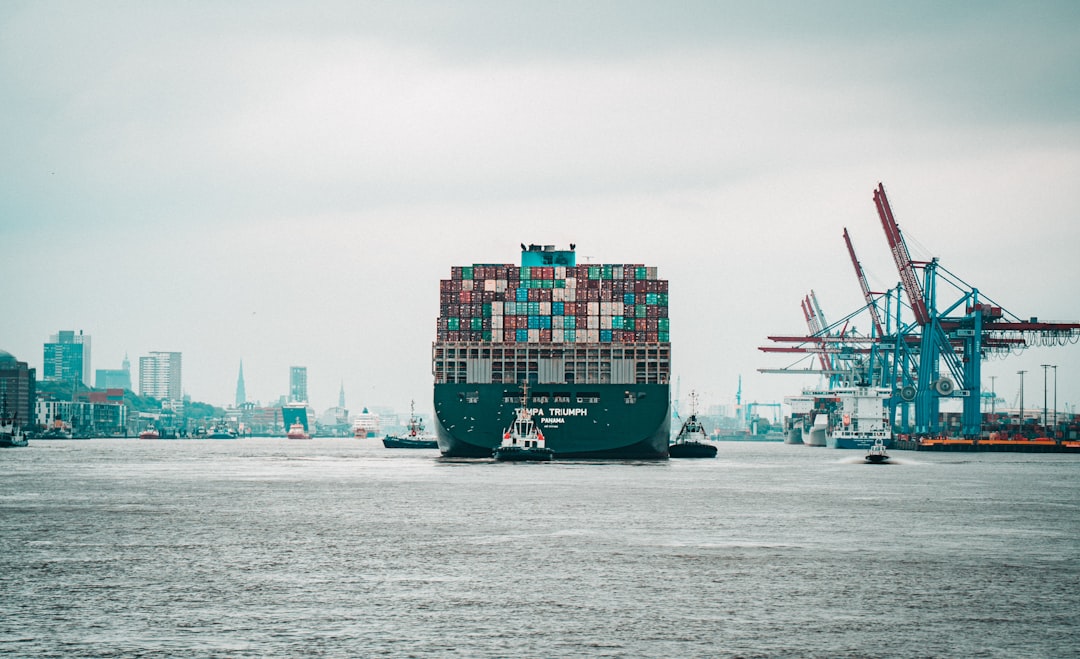
Neo-Panamax vessels represent a significant evolution in maritime engineering and design, characterized by their larger dimensions compared to the original Panamax ships. These vessels are specifically built to take advantage of the expanded Panama Canal, which allows for increased cargo capacity and efficiency in global shipping. Typically, Neo-Panamax ships can measure up to 1,200 feet in length, 160 feet in width, and can carry over 14,000 twenty-foot equivalent units (TEUs).
This increase in size not only enhances the volume of goods transported but also optimizes fuel efficiency per container, making them a preferred choice for shipping companies aiming to reduce operational costs. The design of Neo-Panamax vessels incorporates advanced technologies and materials that enhance their performance and safety.
Additionally, the integration of sophisticated navigation systems allows for improved maneuverability, which is crucial when traversing narrow channels and locks. As global trade continues to expand, the role of Neo-Panamax vessels becomes increasingly vital, serving as a backbone for international shipping routes and facilitating the movement of goods across continents.
Key Takeaways
- Neo-Panamax vessels are larger and more efficient than their predecessors, allowing for increased cargo capacity and cost savings for shipping companies.
- The expansion of the Panama Canal has opened up new opportunities for global trade and reduced transit times for vessels traveling between the Atlantic and Pacific Oceans.
- Navigating the Panama Canal requires careful planning and coordination with canal authorities to ensure a smooth and efficient transit.
- Size restrictions for Neo-Panamax vessels are determined by the dimensions of the locks and channels within the Panama Canal.
- Alternative routes, such as the Suez Canal or around the Cape of Good Hope, may be necessary for oversized vessels that cannot transit the Panama Canal.
- Planning and preparation are essential for successful Neo-Panamax transit, including obtaining necessary permits and coordinating with tugboat operators.
- Navigating locks and channels within the Panama Canal requires skilled pilots and precise maneuvering to avoid accidents and delays.
- Safety considerations for Neo-Panamax vessels include the risk of collisions, grounding, and environmental hazards.
- The environmental impact of Neo-Panamax traffic includes concerns about water usage, pollution, and disruption to local ecosystems.
- The economic implications for shipping companies include potential cost savings, increased competition, and changes in global trade patterns.
- Future developments in Neo-Panamax navigation may include advancements in technology, infrastructure improvements, and potential expansions of other key waterways.
The Expansion of the Panama Canal
The expansion of the Panama Canal, completed in June 2016, marked a transformative moment in maritime history. This monumental project involved the construction of a new set of locks, known as the Neopanamax locks, which were designed to accommodate the larger vessels that had emerged in the shipping industry. The expansion project was initiated to address the growing demand for larger ships that could carry more cargo, thereby increasing efficiency and reducing shipping costs.
The new locks allow vessels that are significantly larger than the original Panamax ships to transit through the canal, effectively doubling the canal’s capacity. The implications of this expansion extend beyond just the physical infrastructure; it has reshaped global trade patterns. By allowing Neo-Panamax vessels to pass through, the Panama Canal has become a more attractive route for shipping companies looking to optimize their operations.
The ability to transport larger quantities of goods in a single voyage has led to reduced shipping times and costs, benefiting both suppliers and consumers. Furthermore, the expansion has positioned the Panama Canal as a critical hub in international trade, enhancing its strategic importance in global logistics networks.
Navigating the Panama Canal
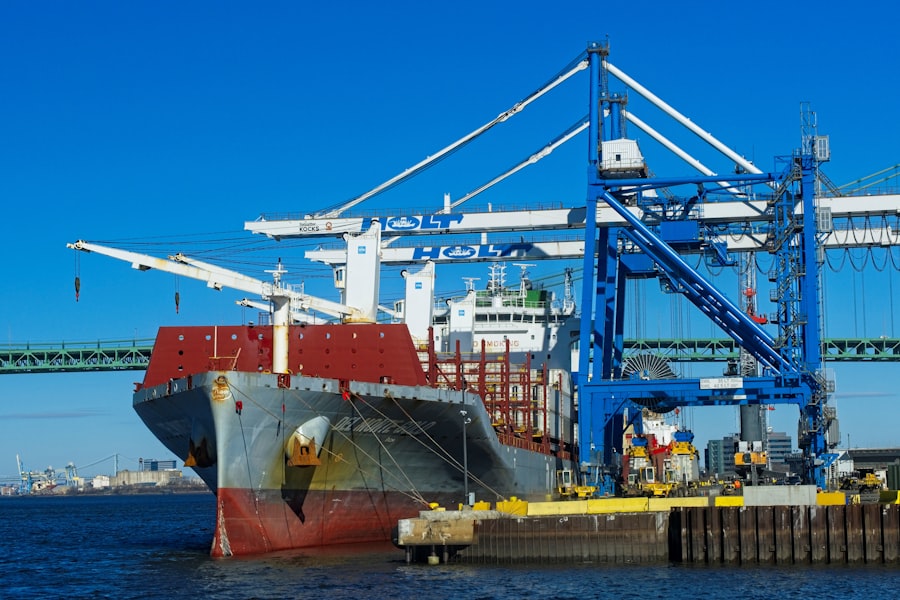
Navigating the Panama Canal is a complex process that requires careful planning and execution. The canal spans approximately 50 miles and features a series of locks that raise and lower vessels between the Atlantic and Pacific Oceans. For Neo-Panamax vessels, this journey involves precise coordination with canal authorities to ensure safe passage through the locks.
The transit typically takes around 24 hours, during which time vessels must adhere to strict schedules and protocols established by the Panama Canal Authority. The navigation process begins with vessels entering one of the locks, where they are met by a team of pilots who assist with maneuvering. These pilots possess extensive knowledge of the canal’s intricacies and are essential for ensuring that ships navigate safely through narrow channels and tight turns.
The locks themselves are equipped with sophisticated systems that manage water levels and facilitate the movement of vessels. As Neo-Panamax ships are significantly larger than their predecessors, their transit requires meticulous attention to detail to avoid collisions or grounding, making the role of experienced pilots even more critical.
Size Restrictions for Neo-Panamax Vessels
| Parameter | Restriction |
|---|---|
| Length | 366 meters |
| Beam | 49 meters |
| Draft | 15.2 meters |
| Height above waterline | 57.91 meters |
While Neo-Panamax vessels are designed to be larger than traditional Panamax ships, they are still subject to specific size restrictions imposed by the Panama Canal. The dimensions of these vessels must adhere to the maximum allowable limits set by the canal’s infrastructure. The Neopanamax locks have a width of 180 feet and a length of 1,400 feet, which means that vessels must be carefully designed to fit within these parameters.
This limitation necessitates innovative engineering solutions to maximize cargo capacity while ensuring compliance with canal regulations. In addition to length and width restrictions, there are also considerations regarding draft—the vertical distance between the waterline and the bottom of the hull. Neo-Panamax vessels must maintain a draft of no more than 50 feet when transiting through the canal.
This requirement is crucial for preventing grounding in shallow areas and ensuring safe navigation through the locks. As shipping companies continue to invest in larger vessels, understanding these size restrictions becomes essential for effective fleet management and operational planning.
Alternative Routes for Oversized Vessels
For vessels that exceed the size limitations imposed by the Panama Canal, alternative routes must be considered. One such option is the Suez Canal, located in Egypt, which accommodates larger ships but presents its own set of challenges and costs. The Suez Canal is longer than the Panama Canal and requires vessels to navigate through different environmental conditions, including varying weather patterns and potential geopolitical risks.
Shipping companies must weigh these factors against the benefits of using alternative routes. Another alternative is to utilize transshipment hubs located near major shipping lanes. In this scenario, oversized vessels can offload their cargo onto smaller feeder ships that can navigate through restricted waterways like the Panama Canal.
This method allows shipping companies to maintain efficiency while adhering to size restrictions. However, it also introduces additional logistical complexities and potential delays in transit times. As global trade continues to evolve, finding viable alternatives for oversized vessels remains a critical consideration for shipping companies.
Planning and Preparation for Neo-Panamax Transit

Effective planning and preparation are paramount for ensuring a successful transit through the Panama Canal for Neo-Panamax vessels. Shipping companies must coordinate with various stakeholders, including port authorities, pilots, and logistics providers, to establish a comprehensive transit plan. This process begins well before departure, as companies must secure transit slots with the Panama Canal Authority, which operates on a first-come, first-served basis due to high demand.
In addition to scheduling transit times, companies must also prepare their vessels for the unique challenges posed by navigating through the canal. This includes conducting thorough inspections to ensure that all systems are functioning optimally and that safety equipment is readily available. Crew training is another critical aspect of preparation; crew members must be familiar with canal procedures and emergency protocols to respond effectively in case of unforeseen circumstances during transit.
Navigating Locks and Channels
Navigating the locks and channels of the Panama Canal requires a high level of skill and precision due to their narrow dimensions and complex operations. As Neo-Panamax vessels approach a lock chamber, they must be carefully aligned to ensure a smooth entry. The process involves using tugboats for assistance in maneuvering, as well as following specific protocols established by canal authorities.
The use of tugs is particularly important given the size and weight of these large vessels; they provide additional control during critical moments when entering or exiting locks. Once inside a lock chamber, vessels experience a dramatic change in water levels as they are raised or lowered to match the elevation of adjacent bodies of water. This process is carefully managed by canal operators who control sluice gates and valves to regulate water flow.
For Neo-Panamax ships, this transition can be particularly challenging due to their size; any misalignment or error could result in significant damage or delays. Therefore, maintaining clear communication between pilots, crew members, and canal operators is essential throughout this process.
Safety Considerations for Neo-Panamax Vessels
Safety is a paramount concern when navigating Neo-Panamax vessels through the Panama Canal. Given their size and complexity, these ships face unique risks that require comprehensive safety measures. One critical aspect is ensuring that all crew members are well-trained in emergency procedures specific to canal navigation.
This includes drills for potential scenarios such as engine failure or adverse weather conditions that could impact transit. Moreover, regular maintenance checks on vessel systems are essential for preventing accidents during transit. Shipping companies must adhere to strict safety regulations set forth by maritime authorities while also implementing their own internal protocols to address potential hazards associated with operating large vessels in confined spaces like those found in the Panama Canal.
By prioritizing safety at every stage of transit planning and execution, companies can mitigate risks and ensure successful passage through this vital waterway.
Environmental Impact of Neo-Panamax Traffic
The increase in Neo-Panamax traffic through the Panama Canal has raised important environmental considerations that cannot be overlooked. As larger vessels transit through this critical waterway, concerns about emissions and ecological disruption have come to the forefront of discussions among policymakers and environmental advocates alike. The sheer volume of cargo transported by these ships contributes significantly to greenhouse gas emissions; thus, finding ways to mitigate their environmental footprint is essential.
Efforts are being made to address these concerns through various initiatives aimed at promoting sustainable practices within the shipping industry. For instance, many shipping companies are investing in cleaner technologies such as low-sulfur fuels or hybrid propulsion systems that reduce emissions during transit. Additionally, there is an increasing emphasis on implementing stricter regulations regarding ballast water management to prevent invasive species from being introduced into local ecosystems as ships traverse different marine environments.
Economic Implications for Shipping Companies
The advent of Neo-Panamax vessels has profound economic implications for shipping companies operating on global trade routes.
This reduction in costs can translate into competitive advantages in pricing strategies, ultimately benefiting consumers through lower prices on goods.
However, investing in Neo-Panamax vessels also comes with substantial financial commitments related to construction costs, maintenance expenses, and compliance with regulatory requirements. Shipping companies must carefully assess their operational strategies to ensure that they can maximize returns on these investments while navigating potential market fluctuations or disruptions caused by geopolitical events or changes in trade policies.
Future Developments in Neo-Panamax Navigation
As global trade continues to evolve alongside advancements in technology and engineering practices, future developments in Neo-Panamax navigation are likely on the horizon. Innovations such as autonomous shipping technology may revolutionize how these large vessels operate within confined waterways like those found in the Panama Canal. By integrating artificial intelligence systems into navigation processes, shipping companies could enhance safety measures while optimizing transit times.
Furthermore, ongoing research into sustainable practices will likely shape future designs for Neo-Panamax vessels as environmental concerns become increasingly pressing within maritime industries worldwide. The push towards greener technologies may lead to new propulsion systems or hull designs that further improve fuel efficiency while minimizing ecological impacts during transit through sensitive marine environments like those surrounding the Panama Canal. In conclusion, understanding Neo-Panamax vessels encompasses various aspects ranging from their design features and operational challenges to broader implications for global trade dynamics and environmental sustainability efforts within maritime industries today.
As these large ships continue shaping international shipping routes through critical infrastructures like the expanded Panama Canal—navigating complex channels safely while addressing economic considerations—stakeholders across sectors must remain vigilant about adapting strategies accordingly as they navigate an ever-changing landscape ahead.
The expansion of the Panama Canal to accommodate Neo-Panamax vessels has significantly impacted global shipping routes, but it also comes with certain limitations. These larger vessels, while able to carry more cargo, face restrictions related to draft, beam, and height, which can affect their operational efficiency. For a deeper understanding of these constraints and their implications on maritime logistics, you can explore a related article on Neo-Panamax vessel limitations by visiting this page. This article provides insights into how these limitations influence shipping strategies and port operations worldwide.
😨 WATCH THIS! 🚢 The Panama Canal Is a Ticking Time Bomb: What Happens If It Fails?
FAQs
What are Neo-Panamax vessels?
Neo-Panamax vessels are a new generation of container ships that are designed to fit the expanded Panama Canal. They are larger than the original Panamax vessels and have the ability to carry more cargo.
What are the limitations for Neo-Panamax vessels?
The main limitation for Neo-Panamax vessels is their size. They must adhere to the maximum dimensions allowed by the Panama Canal, which are 366 meters in length, 49 meters in width, and 15.2 meters in depth.
Why are there limitations for Neo-Panamax vessels?
The limitations for Neo-Panamax vessels are in place to ensure the safe and efficient passage of ships through the Panama Canal. By adhering to these size restrictions, the canal can accommodate larger vessels while maintaining its operational integrity.
What happens if a vessel exceeds the limitations?
If a vessel exceeds the limitations for Neo-Panamax vessels, it will not be able to pass through the Panama Canal. This could result in delays and additional costs for the shipping company, as they may need to reroute the vessel or transfer cargo to smaller ships.
Are there any other limitations for Neo-Panamax vessels?
In addition to size limitations, Neo-Panamax vessels must also adhere to weight restrictions and draft limitations in order to safely navigate through the Panama Canal. These additional limitations are in place to prevent damage to the canal infrastructure and ensure the safety of the vessel and its cargo.