
The Panama Canal stands as one of the most significant engineering feats in human history, connecting the Atlantic and Pacific Oceans and facilitating maritime trade on an unprecedented scale. Completed in 1914, this artificial waterway has transformed global shipping routes, allowing vessels to save time and distance by avoiding the lengthy journey around the southern tip of South America. The canal’s strategic importance cannot be overstated; it serves as a critical artery for international commerce, enabling the efficient movement of goods between major markets.
As a result, the Panama Canal has become a focal point for discussions surrounding trade, economics, and environmental considerations. Over the years, the canal has undergone numerous expansions and upgrades to accommodate larger vessels and increasing traffic. The most notable of these was the expansion project completed in 2016, which allowed the passage of “New Panamax” ships, significantly increasing the canal’s capacity.
However, with these advancements come challenges, particularly regarding toll pricing. The tolls charged for passage through the canal are a vital source of revenue for the Panama Canal Authority and play a crucial role in maintaining and improving the infrastructure. As global trade dynamics shift, understanding the history and implications of toll pricing becomes essential for stakeholders across the shipping industry.
Key Takeaways
- The Panama Canal is a key waterway that connects the Atlantic and Pacific Oceans, facilitating global trade and shipping.
- The toll prices for the Panama Canal have a long history of fluctuation, with periodic increases to account for inflation and infrastructure improvements.
- The increase in toll prices is driven by the need for the Panama Canal Authority to fund ongoing maintenance and expansion projects.
- Shipping companies are likely to experience increased operational costs and may need to adjust their pricing and routing strategies in response to the toll price increase.
- The toll price increase could have ripple effects on global trade, potentially leading to shifts in shipping routes and supply chain dynamics.
History of toll prices for the Panama Canal
The toll pricing structure for the Panama Canal has evolved significantly since its inception. Initially, tolls were set at a modest rate, reflecting the canal’s early days when it was still establishing its role in global trade. In 1914, the tolls were approximately $0.40 per ton of cargo, a figure that was relatively low compared to today’s standards.
As the canal gained prominence and traffic increased, so too did the need for revenue to support its operations and maintenance. Over the decades, tolls have been adjusted periodically to reflect inflation, operational costs, and the growing demands of shipping companies. In recent years, the toll pricing structure has become more complex, with different rates applied based on vessel size, type of cargo, and other factors.
The introduction of tiered pricing has allowed the Panama Canal Authority to optimize revenue while accommodating a diverse range of shipping needs. This evolution in toll pricing reflects broader trends in global trade and shipping practices, as well as the need for the canal to remain competitive in an increasingly crowded maritime landscape.
Reasons for the increase in toll prices
Several factors have contributed to the recent increases in toll prices for the Panama Canal. One primary reason is the rising operational costs associated with maintaining and upgrading the canal’s infrastructure. As vessels have grown larger and more technologically advanced, the demands placed on the canal have also increased.
This necessitates ongoing investments in maintenance, safety measures, and navigational technology to ensure that the canal can accommodate modern shipping requirements. Additionally, fluctuations in global trade patterns have influenced toll pricing. The COVID-19 pandemic highlighted vulnerabilities in supply chains and led to shifts in shipping routes and practices.
As demand for certain goods surged, so did competition among shipping companies for efficient transit options. The Panama Canal Authority recognized this shift and adjusted tolls accordingly to reflect market conditions and ensure that they could continue to provide reliable service amidst changing dynamics.
Impact of the toll price increase on shipping companies
| Metrics | Impact |
|---|---|
| Cost of transportation | Increased due to higher toll prices |
| Profit margins | Decreased as a result of higher expenses |
| Consumer prices | Potential increase to cover higher shipping costs |
| Competitiveness | Shipping companies may struggle to compete with lower-cost alternatives |
The increase in toll prices has had a profound impact on shipping companies operating within the Panama Canal. For many carriers, these additional costs can significantly affect their bottom line, leading to increased freight rates that may be passed on to consumers. Smaller shipping companies may find it particularly challenging to absorb these costs, potentially forcing them to reevaluate their operational strategies or seek alternative routes that bypass the canal altogether.
Moreover, larger shipping companies are also feeling the pinch as they navigate these rising expenses. With competition intensifying in the global shipping market, carriers must balance cost management with service reliability. The increased tolls may compel some companies to optimize their logistics further or invest in more fuel-efficient vessels to mitigate rising operational costs.
Impact of the toll price increase on global trade
The ramifications of increased toll prices extend beyond individual shipping companies; they reverberate throughout global trade networks. As one of the most crucial maritime chokepoints, any changes in toll pricing can influence shipping routes and trade flows on a macroeconomic scale. Higher tolls may lead some shipping companies to reconsider their reliance on the Panama Canal, potentially diverting traffic to alternative routes or ports that offer more favorable pricing structures.
This shift could have cascading effects on global supply chains, particularly for industries reliant on just-in-time inventory systems. Delays or increased costs associated with rerouting shipments could disrupt established trade patterns and lead to higher prices for consumers. Additionally, regions that depend heavily on exports through the canal may experience economic repercussions if shipping costs rise significantly, impacting their competitiveness in international markets.
Response from the Panama Canal Authority
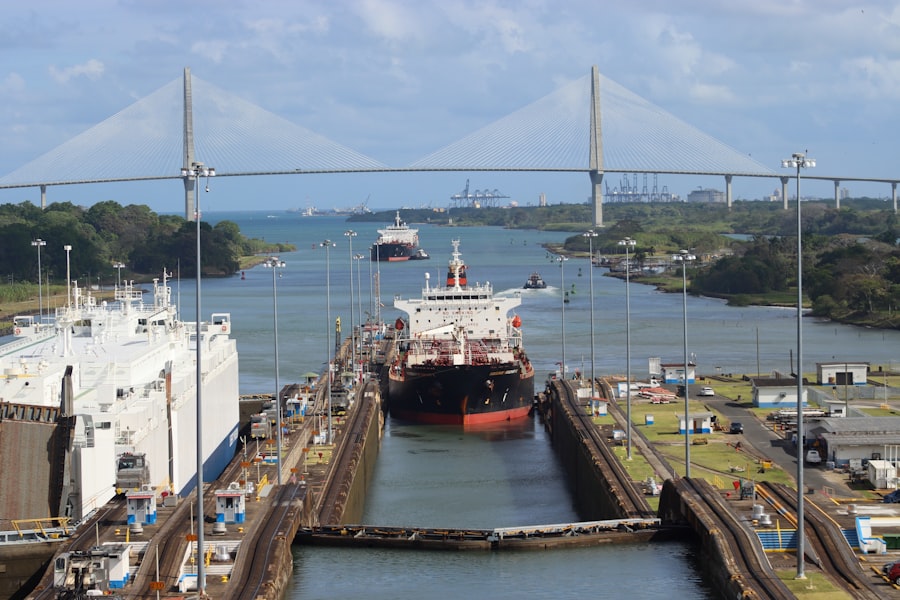
In response to rising operational costs and changing market conditions, the Panama Canal Authority has taken proactive measures to address concerns surrounding toll pricing. The authority has emphasized its commitment to maintaining a world-class waterway while ensuring that it remains competitive within the global shipping landscape. To this end, they have engaged in extensive consultations with stakeholders across the industry to gather feedback and assess how best to balance revenue needs with service quality.
Furthermore, the Panama Canal Authority has implemented various initiatives aimed at enhancing efficiency and reducing transit times for vessels passing through the canal. By investing in technological advancements and infrastructure improvements, they aim to provide added value to shipping companies despite rising tolls. This approach reflects a broader strategy to position the canal as an indispensable asset for global trade while navigating the complexities of modern maritime logistics.
Response from the shipping industry
The shipping industry’s response to increased toll prices has been multifaceted, reflecting a range of perspectives among stakeholders. Some industry leaders have expressed concerns about the sustainability of rising costs and their potential impact on competitiveness. They argue that while investments in infrastructure are necessary, there must be a careful balance between revenue generation and maintaining an attractive pricing structure for carriers.
Conversely, some shipping companies recognize that increased tolls may be an inevitable consequence of evolving market dynamics and operational demands. Many are actively exploring ways to adapt their business models to accommodate these changes while continuing to prioritize efficiency and service quality. This adaptability is crucial as companies seek to navigate an increasingly complex global trade environment characterized by shifting consumer preferences and supply chain challenges.
Potential alternatives for shipping companies to avoid the toll price increase
As shipping companies grapple with rising toll prices at the Panama Canal, some are exploring alternative routes and strategies to mitigate costs. One option is utilizing other maritime passages that bypass the canal altogether, such as routing around Cape Horn or through alternative channels like the Suez Canal for certain cargo types. While these alternatives may involve longer transit times or additional logistical complexities, they can offer cost savings that make them appealing for some carriers.
Additionally, some companies are investing in technology and innovation to enhance their operational efficiency. This includes adopting more fuel-efficient vessels or utilizing advanced logistics software to optimize routing and reduce overall transportation costs. By leveraging these innovations, shipping companies can better navigate rising expenses while maintaining competitiveness in an evolving market landscape.
Potential impact on the economy of Panama
The economic implications of increased toll prices extend beyond individual shipping companies; they also have significant ramifications for Panama’s economy as a whole. The canal is a vital source of revenue for the Panamanian government, contributing substantially to national income through tolls and related services. As such, any fluctuations in toll pricing can directly impact public finances and investment in infrastructure development.
Moreover, changes in shipping patterns resulting from increased tolls could affect local industries reliant on exports through the canal. If shipping costs rise significantly, it may hinder Panama’s competitiveness in international markets, potentially leading to job losses or reduced economic growth in sectors tied closely to maritime trade. Therefore, policymakers must carefully consider how best to balance revenue needs with broader economic objectives as they navigate this complex landscape.
Environmental considerations related to the toll price increase
The environmental implications of increased toll prices at the Panama Canal cannot be overlooked. As shipping companies seek cost-effective solutions amidst rising expenses, there is a risk that some may opt for longer routes that could result in higher carbon emissions due to increased fuel consumption. This raises important questions about sustainability within the maritime industry and highlights the need for environmentally conscious practices.
In response to these concerns, both the Panama Canal Authority and shipping companies are increasingly prioritizing sustainability initiatives aimed at reducing environmental impacts. Investments in cleaner technologies and practices can help mitigate some of the adverse effects associated with longer transit times or increased traffic through alternative routes. By fostering collaboration between stakeholders focused on sustainability goals, there is potential for positive outcomes that benefit both economic interests and environmental stewardship.
Conclusion and outlook for the future of the Panama Canal
As global trade continues to evolve amidst shifting economic landscapes and technological advancements, the future of the Panama Canal remains uncertain yet promising. The recent increases in toll prices reflect broader trends within maritime logistics and underscore the importance of balancing revenue generation with service quality. While challenges persist for both shipping companies and policymakers alike, there is also an opportunity for innovation and collaboration that can enhance efficiency while addressing environmental concerns.
The Panama Canal will undoubtedly continue to play a pivotal role in shaping global trade patterns; however, its success will depend on how effectively it navigates these complexities in an increasingly interconnected world.
The recent increase in toll prices for the Panama Canal has sparked discussions about its impact on global shipping routes and trade costs. As shipping companies evaluate alternative routes and strategies to mitigate these rising expenses, the economic ripple effects are being closely monitored by industry experts. For a deeper understanding of how these toll changes might influence global trade dynamics, you can explore a related article on this topic by visiting MyGeoQuest. This article provides insights into the broader implications of the toll adjustments and how they might reshape shipping logistics in the near future.
😨 WATCH THIS! 🚢 The Panama Canal Is a Ticking Time Bomb: What Happens If It Fails?
FAQs
What is the Panama Canal toll price increase?
The Panama Canal toll price increase refers to the periodic adjustments made to the tolls charged for ships to transit through the Panama Canal. These adjustments are made by the Panama Canal Authority (ACP) to ensure the waterway’s sustainability and competitiveness.
Why does the Panama Canal toll price increase?
The Panama Canal toll price increases are necessary to cover the costs of maintaining and operating the canal, as well as to fund expansion projects and improvements to the waterway’s infrastructure. Additionally, the increases help the ACP remain competitive in the global shipping industry.
How often does the Panama Canal toll price increase occur?
The Panama Canal toll price increase occurs periodically, with adjustments typically made every few years. The ACP evaluates various factors, such as inflation, market demand, and the canal’s financial needs, to determine when and by how much tolls should be increased.
How are Panama Canal toll price increases determined?
The Panama Canal toll price increases are determined through a comprehensive process that involves analyzing the canal’s financial needs, market conditions, and the impact on the shipping industry. The ACP consults with stakeholders and conducts thorough studies before implementing any toll adjustments.
What is the impact of Panama Canal toll price increases on the shipping industry?
Panama Canal toll price increases can impact the shipping industry by influencing route and vessel selection, as well as overall shipping costs. Some shipping companies may opt for alternative routes or larger vessels to mitigate the impact of increased tolls, while others may pass the additional costs on to consumers.