
Canal drought represents a significant environmental challenge that has far-reaching implications for various sectors of society. This phenomenon occurs when water levels in canals drop to critically low levels, often due to prolonged periods of insufficient rainfall, increased evaporation rates, or excessive water extraction for agricultural and industrial purposes. The consequences of canal drought are not merely localized; they ripple through economies, ecosystems, and communities, affecting everything from food production to transportation and energy generation.
As climate change continues to alter weather patterns globally, the frequency and severity of canal droughts are expected to increase, making it imperative for stakeholders to understand and address this pressing issue.
They can lead to a cascade of challenges that impact livelihoods, economic stability, and social cohesion.
As water becomes scarcer, competition for this vital resource intensifies, often exacerbating existing inequalities. Communities that rely heavily on canals for irrigation, transportation, and recreation find themselves grappling with the harsh realities of dwindling water supplies. In this context, it is essential to explore the multifaceted impacts of canal drought on various sectors and the broader implications for society as a whole.
Key Takeaways
- Canal drought has significant impacts on various sectors including agriculture, shipping, tourism, water supply, energy production, and economic disparities.
- The agricultural sector suffers from reduced water availability, leading to decreased crop yields and economic losses for farmers.
- Shipping and trade are disrupted as low water levels in canals restrict the passage of ships, leading to delays and increased transportation costs.
- Tourism and recreation are affected as water-based activities become limited, impacting local economies and businesses reliant on tourism.
- Water supply and energy production are compromised, leading to potential shortages and increased costs for consumers.
Impact on Agricultural Sector
The agricultural sector is one of the most profoundly affected by canal drought. Farmers who depend on canal systems for irrigation face significant challenges when water levels drop. Crop yields can plummet as plants struggle to access the moisture they need to thrive.
This situation is particularly dire for regions that rely on canals as their primary source of irrigation. Without adequate water supply, farmers may be forced to abandon their fields or switch to less water-intensive crops, which can lead to reduced income and food insecurity. Moreover, the economic implications of reduced agricultural output can be staggering.
As crop yields decline, not only do farmers suffer losses, but the entire supply chain is affected. Food prices may rise due to scarcity, leading to increased costs for consumers and potential inflationary pressures on the economy. Additionally, rural communities that depend on agriculture for their livelihoods may experience heightened poverty levels as job opportunities diminish.
The interdependence of agriculture and local economies underscores the critical need for effective water management strategies to mitigate the impacts of canal drought.
Impact on Shipping and Trade
Canal drought also poses significant challenges to shipping and trade, particularly in regions where waterways serve as vital transportation routes. When water levels in canals drop, navigation becomes increasingly difficult, leading to delays in shipping schedules and increased transportation costs. Barges and cargo vessels may be unable to traverse certain sections of canals, forcing companies to seek alternative routes or modes of transport.
This disruption can have a cascading effect on supply chains, impacting everything from raw materials to finished goods. The economic ramifications of these disruptions can be profound. Industries that rely heavily on canal transport may face increased operational costs, which can ultimately be passed on to consumers in the form of higher prices.
Additionally, delays in shipping can lead to inventory shortages and lost sales opportunities for businesses. In a globalized economy where efficiency is paramount, the impacts of canal drought on shipping and trade can reverberate far beyond local borders, affecting international markets and trade relationships.
Effects on Tourism and Recreation
| Impact | Metrics |
|---|---|
| Decrease in tourism | Number of visitors, hotel occupancy rates |
| Impact on recreational activities | Closure of parks, decrease in outdoor activities |
| Economic impact | Loss of revenue, job losses in tourism industry |
| Environmental impact | Overcrowding in popular tourist destinations, damage to natural habitats |
Tourism and recreational activities are also significantly impacted by canal drought. Many regions depend on their waterways for tourism-related activities such as boating, fishing, and sightseeing. When canals experience drought conditions, these activities may become less appealing or even impossible.
The decline in water levels can lead to diminished aesthetic value, reducing the attractiveness of these areas for visitors. Consequently, local economies that rely on tourism may suffer as foot traffic decreases. Moreover, the loss of recreational opportunities can have social implications as well.
Communities that thrive on outdoor activities may find their social fabric weakened as residents seek alternative forms of entertainment or leisure. The decline in tourism revenue can lead to job losses in hospitality and service industries, further exacerbating economic challenges in regions already grappling with the effects of canal drought. As such, addressing the impacts of canal drought on tourism requires a multifaceted approach that considers both environmental sustainability and economic resilience.
Water Supply and Energy Production
The relationship between canal drought and water supply is critical, particularly in regions where canals serve as primary sources of drinking water and irrigation. As water levels decline, communities may face acute shortages that necessitate difficult decisions regarding allocation and usage. This scarcity can lead to conflicts among different user groups—agricultural, industrial, and residential—each vying for limited resources.
The challenge lies not only in managing current supplies but also in planning for future needs in an era of increasing uncertainty. In addition to affecting water supply for consumption and irrigation, canal drought can also impact energy production. Many hydroelectric power plants rely on consistent water flow from canals and rivers to generate electricity.
When water levels drop, energy production may be curtailed, leading to potential power shortages and increased reliance on fossil fuels or other less sustainable energy sources. This situation creates a complex interplay between water management and energy policy that must be navigated carefully to ensure both environmental sustainability and energy security.
Economic Disparities and Social Impacts
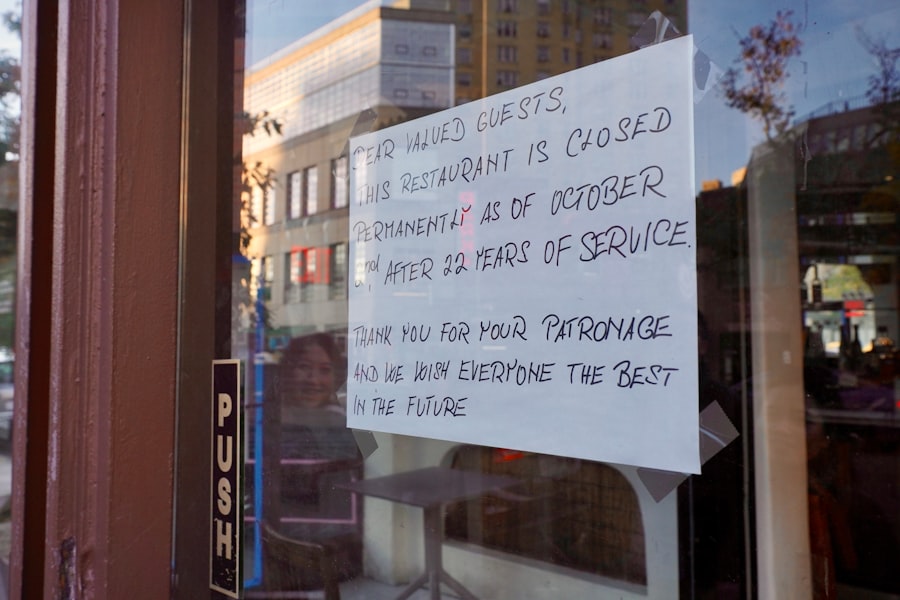
The effects of canal drought are often felt most acutely by marginalized communities that lack the resources to adapt or respond effectively to water shortages. Economic disparities become more pronounced as wealthier individuals or businesses are better positioned to secure alternative water sources or invest in technologies that mitigate the impacts of drought. In contrast, low-income households may struggle to access clean drinking water or afford higher prices for food and other essentials due to rising costs associated with reduced agricultural output.
Socially, canal drought can exacerbate tensions within communities as competition for limited resources intensifies. Conflicts may arise between agricultural users who require water for irrigation and urban populations reliant on canals for drinking water. These tensions can lead to social unrest or displacement as communities grapple with the realities of dwindling resources.
Addressing these disparities requires a concerted effort from governments, NGOs, and community organizations to ensure equitable access to water resources and support vulnerable populations in adapting to changing conditions.
Government Response and Relief Efforts
In response to the challenges posed by canal drought, governments at various levels have implemented a range of relief efforts aimed at mitigating its impacts. These initiatives often include emergency water conservation measures, financial assistance programs for affected farmers, and investments in infrastructure designed to improve water management practices. By prioritizing sustainable water use and promoting efficient irrigation techniques, governments can help alleviate some of the pressures associated with canal drought.
Additionally, public awareness campaigns play a crucial role in educating communities about the importance of water conservation and responsible usage practices. By fostering a culture of sustainability, governments can encourage individuals and businesses alike to adopt practices that reduce water waste and promote resilience in the face of drought conditions. Collaborative efforts between government agencies, local organizations, and community members are essential for developing comprehensive strategies that address both immediate needs and long-term sustainability goals.
Long-Term Economic Consequences
The long-term economic consequences of canal drought can be profound and far-reaching. As agricultural productivity declines due to insufficient water supplies, entire regions may experience shifts in their economic foundations. Communities that once thrived on agriculture may find themselves struggling to adapt as traditional farming practices become increasingly untenable.
This shift can lead to population declines as individuals seek opportunities elsewhere, further exacerbating economic challenges in affected areas.
Investors may be hesitant to commit resources to regions facing chronic water shortages or environmental instability.
This reluctance can stifle economic growth and innovation, creating a cycle of decline that is difficult to break. To counteract these trends, proactive measures must be taken to promote sustainable practices and diversify local economies away from reliance on vulnerable sectors.
International Trade and Global Market Effects
The implications of canal drought extend beyond national borders, influencing international trade dynamics and global markets. As key agricultural producers face reduced yields due to water shortages, global food supply chains may be disrupted. Countries that rely on imports from affected regions may experience food price inflation or shortages, leading to increased competition for available resources on the international market.
Furthermore, disruptions in shipping routes caused by low water levels can impact global trade flows. As companies seek alternative transportation methods or routes due to navigational challenges in canals, shipping costs may rise significantly. These changes can ripple through global supply chains, affecting everything from manufacturing timelines to consumer prices worldwide.
The interconnectedness of modern economies underscores the need for collaborative approaches to address the challenges posed by canal drought on a global scale.
Innovation and Adaptation in Response to Canal Drought
In light of the challenges posed by canal drought, innovation and adaptation have become essential components of resilience strategies for affected communities and industries. Advances in technology offer promising solutions for improving water management practices and enhancing agricultural productivity under challenging conditions. For instance, precision irrigation systems that utilize sensors and data analytics can optimize water usage while minimizing waste.
Additionally, research into drought-resistant crop varieties is gaining momentum as scientists seek ways to bolster food security in regions prone to water scarcity. These innovations not only help mitigate the immediate impacts of canal drought but also pave the way for more sustainable agricultural practices in the long term. By fostering a culture of innovation and collaboration among stakeholders—farmers, researchers, policymakers—communities can develop adaptive strategies that enhance resilience against future drought events.
Conclusion and Future Outlook
As canal drought continues to pose significant challenges across various sectors, it is crucial for stakeholders at all levels—government officials, business leaders, community members—to work collaboratively toward sustainable solutions. The impacts of this phenomenon are far-reaching; they affect agriculture, trade, tourism, energy production, and social equity within communities. By prioritizing effective water management practices and investing in innovative technologies, societies can better prepare for the realities of an increasingly uncertain climate.
Looking ahead, it is essential for policymakers to recognize the interconnectedness of these issues and adopt comprehensive strategies that address both immediate needs and long-term sustainability goals. As climate change continues to reshape weather patterns globally, proactive measures will be necessary to mitigate the impacts of canal drought while fostering resilience within communities dependent on these vital waterways. The future outlook hinges on collective action aimed at ensuring equitable access to resources while promoting environmental stewardship—a challenge that will require commitment from all sectors of society.
The economic impact of canal droughts can be profound, affecting everything from agriculture to shipping industries. A related article that delves into the broader implications of such environmental challenges can be found on MyGeoQuest. This article explores how prolonged drought conditions in canal systems can disrupt trade routes, increase transportation costs, and lead to significant economic losses for regions dependent on these waterways. For a more in-depth analysis, you can read the full article by visiting MyGeoQuest.
😨 WATCH THIS! 🚢 The Panama Canal Is a Ticking Time Bomb: What Happens If It Fails?
FAQs
What is the economic impact of canal drought?
The economic impact of canal drought refers to the negative effects on the economy caused by a lack of water in canals, which can disrupt agricultural production, reduce water supply for industries, and impact transportation and tourism.
How does canal drought affect agriculture?
Canal drought can lead to reduced water supply for irrigation, which can negatively impact crop yields and livestock production. This can result in lower agricultural output and income for farmers, as well as higher food prices for consumers.
What is the impact of canal drought on industries?
Industries that rely on canal water for production processes, such as manufacturing and energy generation, may face water shortages during canal drought. This can lead to decreased production, higher operating costs, and potential job losses.
How does canal drought affect transportation and trade?
Canal drought can disrupt waterway transportation, leading to higher shipping costs and delays in the delivery of goods. This can impact trade and commerce, as well as increase the prices of imported and exported goods.
What is the impact of canal drought on tourism?
Canal drought can affect tourism by reducing water levels in canals and waterways, which can impact recreational activities such as boating and fishing. This can lead to decreased tourism revenue and negatively impact local businesses that rely on tourism.
What are the long-term effects of canal drought on the economy?
Long-term canal drought can lead to reduced investment in affected regions, lower economic growth, and potential migration of people and businesses to areas with more reliable water resources. This can have lasting effects on the overall economic development of the region.