
The struggle for water in Panama has emerged as a critical issue, intertwining environmental, social, and economic dimensions. As the nation grapples with the challenges of climate change, urbanization, and population growth, the demand for clean and accessible water has intensified. This battle is not merely about resource allocation; it reflects deeper societal conflicts over rights, governance, and sustainability.
The complexities surrounding water management in Panama highlight the urgent need for comprehensive strategies that address both immediate needs and long-term sustainability. In recent years, the urgency of this battle has become increasingly apparent. Water scarcity has begun to affect various sectors, from agriculture to public health, prompting widespread concern among citizens and policymakers alike.
The situation is exacerbated by the impacts of climate change, which have led to unpredictable weather patterns and diminishing freshwater sources. As Panama stands at a crossroads, the decisions made today regarding water management will have lasting implications for future generations.
Key Takeaways
- The battle for water in Panama is a complex issue with historical, environmental, socioeconomic, and legal dimensions.
- Panama has a long history of water management, dating back to the construction of the Panama Canal, which has shaped the current state of water resources in the country.
- The current state of water resources in Panama is characterized by issues such as pollution, deforestation, and unequal access to clean water.
- Water management in Panama has significant environmental impacts, including deforestation, loss of biodiversity, and disruption of ecosystems.
- Water scarcity in Panama has profound socioeconomic implications, affecting access to clean water, agricultural productivity, and public health.
Historical Context of Water Management in Panama
The history of water management in Panama is marked by a series of significant events that have shaped the current landscape. Traditionally, indigenous communities relied on local water sources for their sustenance and cultural practices. However, with the arrival of colonial powers and subsequent industrialization, water management began to shift towards centralized control.
The construction of the Panama Canal in the early 20th century further complicated the dynamics of water use, as vast amounts of freshwater were diverted for its operation. Throughout the 20th century, various governments implemented policies aimed at improving water infrastructure and access. However, these efforts often overlooked the needs of marginalized communities, leading to disparities in water distribution.
The privatization of water services in the late 1990s sparked significant public outcry, as many citizens felt that their basic rights were being compromised in favor of corporate interests. This historical backdrop sets the stage for understanding the contemporary challenges faced by Panama in managing its vital water resources.
Current State of Water Resources in Panama
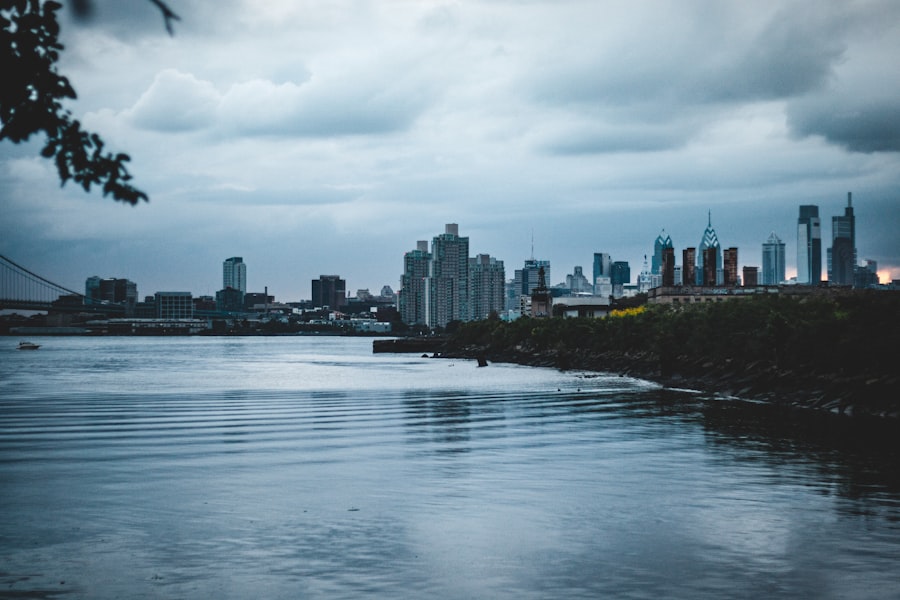
Today, Panama’s water resources are under considerable strain due to a combination of factors. Urban areas, particularly the capital city of Panama City, experience high levels of demand for potable water, while rural regions often struggle with inadequate access. The country’s diverse geography presents both opportunities and challenges; while it is home to abundant rivers and lakes, these resources are unevenly distributed and often polluted.
The current state of water quality is alarming, with many sources contaminated by industrial runoff and inadequate waste management practices. This pollution not only threatens public health but also impacts biodiversity and ecosystems. Furthermore, climate change poses an additional threat, as rising temperatures and altered precipitation patterns lead to increased droughts and flooding.
As a result, the urgency for effective water management strategies has never been more pressing.
Environmental Impacts of Water Management in Panama
| Environmental Impact | Metric |
|---|---|
| Deforestation | Number of acres cleared for water management infrastructure |
| Water Pollution | Levels of pollutants in water bodies due to management activities |
| Habitat Destruction | Number of species affected by changes in water flow and quality |
| Soil Erosion | Rate of erosion caused by altered water flow |
The environmental consequences of water management practices in Panama are profound and multifaceted. Deforestation, driven by agricultural expansion and urban development, has significantly altered watershed dynamics, leading to increased erosion and sedimentation in rivers. This degradation not only affects water quality but also disrupts aquatic habitats and diminishes biodiversity.
Moreover, large-scale infrastructure projects, such as dams and irrigation systems, have transformed natural waterways into regulated channels. While these projects may provide short-term benefits in terms of water supply and energy generation, they often come at a high ecological cost.
As environmental degradation continues to escalate, the need for sustainable water management practices becomes increasingly critical.
Socioeconomic Implications of Water Scarcity in Panama
Water scarcity in Panama has far-reaching socioeconomic implications that extend beyond mere access to a vital resource. Communities facing inadequate water supply often experience heightened levels of poverty and inequality. In rural areas, where access to clean water is limited, families may spend significant portions of their income on purchasing bottled water or traveling long distances to obtain it.
This financial burden exacerbates existing economic disparities and hinders overall development. Additionally, water scarcity can have detrimental effects on public health. Contaminated water sources contribute to the spread of diseases such as cholera and dysentery, disproportionately affecting vulnerable populations.
The strain on healthcare systems can divert resources away from other essential services, further entrenching cycles of poverty. As Panama navigates these challenges, addressing the socioeconomic dimensions of water scarcity will be crucial for fostering equitable development.
Legal and Policy Framework for Water Management in Panama

The legal and policy framework governing water management in Panama is complex and often fragmented.
Various laws and regulations exist to govern water use, but enforcement is often weak due to limited resources and political will.
In recent years, there have been efforts to reform water management policies to promote sustainability and equity. The National Water Authority has been tasked with overseeing water resources; however, its effectiveness has been hampered by bureaucratic challenges and a lack of coordination among different governmental agencies. As Panama seeks to improve its water management practices, a comprehensive review of existing laws and policies will be essential to ensure that they align with contemporary needs and challenges.
Role of Indigenous Communities in the Battle for Water in Panama
Indigenous communities play a vital role in the battle for water in Panama, as they possess traditional knowledge and practices that have sustained their livelihoods for generations. These communities often find themselves at the forefront of conflicts over land and water rights, particularly when external interests seek to exploit natural resources without regard for local needs or cultural heritage. The struggle for recognition and respect for indigenous rights has gained momentum in recent years, with many communities advocating for greater participation in decision-making processes related to water management.
Their perspectives are crucial for developing sustainable solutions that honor both environmental integrity and cultural values. As Panama continues to grapple with its water crisis, acknowledging the contributions of indigenous communities will be essential for fostering inclusive governance.
Corporate Interests and Water Privatization in Panama
Corporate interests have significantly influenced the landscape of water management in Panama, particularly through the privatization of water services. In the late 1990s, the government sought to attract foreign investment by privatizing various sectors, including water supply. While proponents argued that privatization would lead to improved efficiency and service delivery, many citizens experienced rising costs and declining quality.
The consequences of privatization have sparked widespread protests and resistance from communities who feel that their basic rights are being undermined by profit-driven motives. Critics argue that access to clean water should not be treated as a commodity but rather as a fundamental human right that must be protected from corporate exploitation. As public sentiment continues to shift against privatization models, there is growing momentum for re-evaluating how water resources are managed in Panama.
Community Resistance and Activism for Water Rights in Panama
Community resistance has emerged as a powerful force in the battle for water rights in Panama. Grassroots movements have mobilized citizens from diverse backgrounds to advocate for equitable access to clean water and challenge corporate interests that threaten their livelihoods. These activists often employ a range of strategies, from peaceful protests to legal action, to assert their rights and demand accountability from authorities.
The rise of social media has further amplified these efforts, allowing activists to connect with broader networks both nationally and internationally. Campaigns highlighting local struggles have garnered attention from global organizations advocating for human rights and environmental justice. As community resistance continues to grow, it serves as a reminder that collective action can drive meaningful change in the face of systemic challenges.
International Perspectives on the Battle for Water in Panama
The battle for water in Panama has drawn international attention as global awareness of water scarcity issues intensifies. Various organizations and NGOs have highlighted the importance of sustainable water management practices that prioritize human rights and environmental protection. International frameworks such as the United Nations Sustainable Development Goals emphasize the need for equitable access to clean water as a fundamental component of sustainable development.
Furthermore, international partnerships can play a crucial role in supporting local initiatives aimed at improving water management practices. Collaborative efforts between governments, civil society organizations, and international agencies can facilitate knowledge sharing and resource mobilization to address pressing challenges. As Panama navigates its complex water landscape, engaging with international perspectives can provide valuable insights into best practices and innovative solutions.
Future Outlook for Water Management in Panama
Looking ahead, the future of water management in Panama hinges on a commitment to sustainability, equity, and community engagement. Policymakers must prioritize comprehensive strategies that address both immediate needs and long-term challenges posed by climate change and population growth. This includes investing in infrastructure improvements while ensuring that marginalized communities have a voice in decision-making processes.
Moreover, fostering collaboration between government agencies, civil society organizations, indigenous communities, and private sector actors will be essential for developing holistic solutions that benefit all stakeholders. As Panama confronts its ongoing battle for water resources, embracing innovative approaches rooted in social justice will be crucial for securing a sustainable future where access to clean water is recognized as a fundamental human right for all citizens.
In recent years, Panama has faced significant challenges related to water management, often described as a “water war” due to the competing demands from agriculture, urban areas, and the Panama Canal. An insightful article that delves into the broader implications of water scarcity and management in the region can be found on MyGeoQuest. This article provides a comprehensive overview of how geographical and environmental factors contribute to the ongoing water issues in Panama and similar regions. For more detailed information, you can read the related article on MyGeoQuest.
😨 WATCH THIS! 🚢 The Panama Canal Is a Ticking Time Bomb: What Happens If It Fails?
FAQs
What is the water war in Panama?
The water war in Panama refers to the ongoing conflict between local communities and the government over access to and management of water resources.
What are the main issues driving the water war in Panama?
The main issues driving the water war in Panama include privatization of water resources, pollution of water sources, and lack of access to clean and safe drinking water for local communities.
How has privatization impacted the water war in Panama?
Privatization of water resources in Panama has led to increased costs for water services, decreased access to water for marginalized communities, and concerns about the control and management of water by private companies.
What are the environmental concerns related to the water war in Panama?
Environmental concerns related to the water war in Panama include pollution of water sources from industrial activities, deforestation, and agricultural runoff, leading to degradation of water quality and ecosystem health.
What are the social and economic impacts of the water war in Panama?
The water war in Panama has resulted in social and economic impacts such as displacement of communities, loss of livelihoods, and increased poverty due to lack of access to clean and safe water for drinking and agriculture.
What are the efforts being made to address the water war in Panama?
Efforts to address the water war in Panama include community-led initiatives for water management, advocacy for water rights, and calls for government policies to prioritize access to clean and safe water for all citizens.