The Panama Canal stands as a monumental engineering achievement, facilitating maritime trade by connecting the Atlantic and Pacific Oceans. Its significance extends beyond mere transportation; it is a vital artery for global commerce, impacting economies worldwide. As climate change intensifies, the importance of climate resilience for the Panama Canal becomes increasingly apparent.
The canal’s operations are susceptible to various climate-related challenges, including rising sea levels, increased rainfall, and extreme weather events. Therefore, ensuring the canal’s resilience is not just a matter of maintaining its functionality; it is essential for safeguarding the economic stability of nations that rely on its services. Climate resilience encompasses the ability to anticipate, prepare for, and respond to climate-related disruptions.
For the Panama Canal, this means developing strategies that can withstand the impacts of climate change while continuing to support international trade. The canal’s resilience is crucial not only for the countries that utilize it but also for the broader global economy. A disruption in its operations could lead to significant delays in shipping, increased costs, and a ripple effect that could destabilize supply chains worldwide.
Thus, investing in climate resilience is not merely an environmental concern; it is an economic imperative.
Key Takeaways
- Climate resilience is crucial for the Panama Canal to ensure its continued operation and economic benefits.
- Climate change poses a significant threat to the Panama Canal, including increased rainfall and extreme weather events.
- The Panama Canal has implemented measures such as water-saving basins and reforestation to enhance climate resilience.
- Technology plays a key role in climate resilience at the Panama Canal, including advanced weather monitoring and predictive modeling.
- Collaboration with international organizations is essential for sharing knowledge and resources to enhance climate resilience at the Panama Canal.
The Impact of Climate Change on the Panama Canal
Climate change poses a multitude of threats to the Panama Canal, each with the potential to disrupt its operations significantly. One of the most pressing issues is the alteration of precipitation patterns in the region. The canal relies heavily on freshwater from surrounding lakes and rivers to operate its locks.
Changes in rainfall can lead to water shortages, affecting the canal’s ability to function efficiently. Prolonged droughts can diminish water levels, while excessive rainfall can lead to flooding, both of which can hinder shipping schedules and increase operational costs. Additionally, rising sea levels present a formidable challenge for the canal’s infrastructure.
As ocean levels rise, the risk of saltwater intrusion into freshwater sources increases, threatening the delicate balance necessary for the canal’s operations. This intrusion can compromise water quality and availability, further complicating the canal’s ability to manage its water resources effectively. Moreover, extreme weather events such as hurricanes and tropical storms are becoming more frequent and intense due to climate change, posing direct threats to the canal’s physical infrastructure and operational capacity.
Measures Taken to Enhance Climate Resilience at the Panama Canal
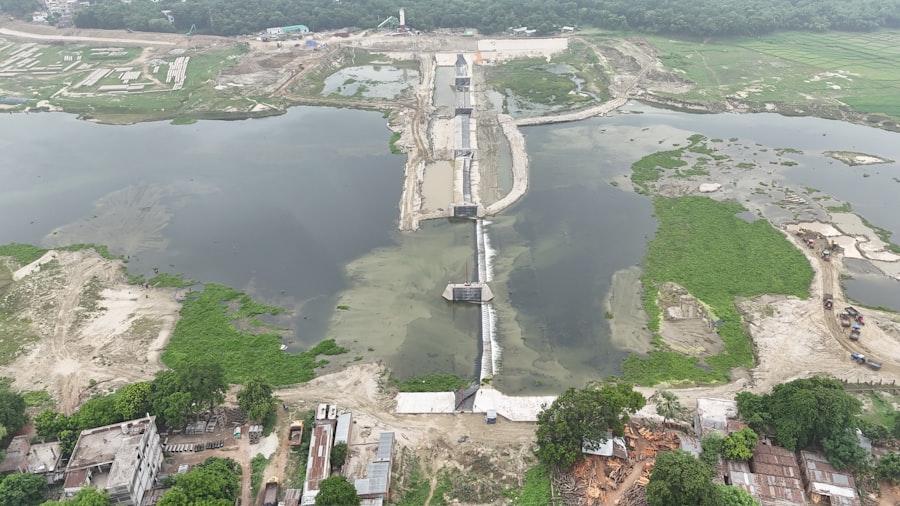
In response to the growing threats posed by climate change, significant measures have been implemented to enhance climate resilience at the Panama Canal. One of the primary strategies involves improving water management practices. The Panama Canal Authority has invested in advanced monitoring systems that track water levels and rainfall patterns, allowing for more informed decision-making regarding water usage.
By optimizing water management, the canal can better navigate periods of drought or excessive rainfall, ensuring that operations remain stable. Furthermore, infrastructure upgrades are being prioritized to bolster resilience against extreme weather events.
These proactive measures reflect a commitment to not only maintaining operational efficiency but also adapting to the evolving challenges posed by climate change.
The Role of Technology in Climate Resilience at the Panama Canal
| Technology | Impact |
|---|---|
| Sensor Networks | Monitoring water levels and weather conditions to predict and prepare for extreme events. |
| Climate Modeling | Using advanced simulations to understand future climate scenarios and their potential impact on operations. |
| Remote Sensing | Utilizing satellite data to track changes in vegetation, water resources, and land use around the canal. |
| Green Infrastructure | Implementing nature-based solutions such as wetlands and mangroves to enhance resilience and reduce flood risk. |
| Renewable Energy | Integrating solar and wind power to reduce carbon emissions and enhance energy security. |
Technology plays a pivotal role in enhancing climate resilience at the Panama Canal. The integration of advanced data analytics and modeling tools allows for better forecasting of weather patterns and water availability. By utilizing satellite imagery and real-time data collection, canal authorities can make informed decisions regarding water management and operational adjustments.
This technological approach enables a proactive stance against potential disruptions caused by climate change. Moreover, automation and smart technologies are being employed to streamline operations and improve efficiency. For instance, automated lock systems can reduce wait times for vessels, thereby optimizing water usage during periods of scarcity.
Additionally, predictive maintenance technologies help identify potential infrastructure weaknesses before they become critical issues, allowing for timely repairs and upgrades. By harnessing technology, the Panama Canal is not only enhancing its operational capabilities but also fortifying its resilience against climate-related challenges.
Collaboration with International Organizations for Climate Resilience
Collaboration with international organizations has been instrumental in advancing climate resilience efforts at the Panama Canal. Partnerships with entities such as the World Bank and various environmental NGOs have facilitated access to funding, expertise, and best practices in climate adaptation strategies. These collaborations enable the Panama Canal Authority to leverage global knowledge and resources, enhancing its capacity to address climate-related challenges effectively.
Furthermore, international cooperation fosters knowledge exchange among countries facing similar climate threats. By participating in global forums and initiatives focused on climate resilience, the Panama Canal can share its experiences while learning from others’ successes and failures. This collaborative approach not only strengthens individual efforts but also contributes to a collective understanding of how best to adapt critical infrastructure in an era of climate change.
The Economic and Environmental Benefits of Climate Resilience at the Panama Canal

Investing in climate resilience at the Panama Canal yields significant economic and environmental benefits. Economically, a resilient canal ensures uninterrupted trade flows, which are vital for global supply chains. By minimizing disruptions caused by climate-related events, countries that rely on the canal can maintain their competitive edge in international markets.
Additionally, enhanced operational efficiency translates into cost savings for shipping companies and ultimately benefits consumers through stable prices. From an environmental perspective, climate resilience efforts contribute to sustainable practices that protect local ecosystems. By implementing effective water management strategies and infrastructure improvements, the canal authority can mitigate negative impacts on surrounding habitats.
Furthermore, fostering resilience encourages a shift towards more sustainable shipping practices, as stakeholders recognize the importance of preserving natural resources in light of climate change. Thus, the economic and environmental benefits of climate resilience at the Panama Canal are intertwined, reinforcing the need for continued investment in adaptive strategies.
Challenges and Obstacles in Achieving Climate Resilience at the Panama Canal
Despite significant progress in enhancing climate resilience at the Panama Canal, numerous challenges remain. One major obstacle is securing adequate funding for large-scale infrastructure projects and technological upgrades. While international collaboration has provided some financial support, ongoing investments are necessary to ensure that resilience measures are effectively implemented and maintained over time.
Additionally, political and regulatory hurdles can impede progress toward achieving climate resilience goals. Coordinating efforts among various stakeholders—including government agencies, private sector partners, and local communities—can be complex and time-consuming. Divergent priorities and interests may lead to conflicts that hinder collaborative initiatives aimed at enhancing resilience.
Overcoming these challenges requires strong leadership and a commitment to fostering a unified approach toward addressing climate change impacts on the canal.
The Future of Climate Resilience at the Panama Canal
Looking ahead, the future of climate resilience at the Panama Canal hinges on continued innovation and adaptation strategies. As climate change continues to evolve, so too must the approaches taken by canal authorities and stakeholders involved in its operation. Embracing emerging technologies such as artificial intelligence and machine learning will be crucial in predicting future climate scenarios and optimizing resource management.
Moreover, fostering a culture of sustainability within maritime industries will play a vital role in shaping the future of climate resilience at the canal. Encouraging shipping companies to adopt greener practices—such as using cleaner fuels or investing in energy-efficient vessels—can contribute significantly to reducing overall environmental impacts associated with maritime trade. By prioritizing sustainability alongside operational efficiency, stakeholders can ensure that the Panama Canal remains resilient in an increasingly uncertain climate landscape.
Community Engagement and Climate Resilience at the Panama Canal
Community engagement is essential for fostering climate resilience at the Panama Canal. Local communities play a critical role in supporting resilience efforts through their knowledge of regional ecosystems and their active participation in decision-making processes. Engaging with these communities allows for a more comprehensive understanding of local needs and concerns related to climate change impacts.
Educational initiatives aimed at raising awareness about climate change and its effects on the canal can empower local populations to take part in resilience-building efforts actively. By fostering collaboration between community members and canal authorities, stakeholders can develop tailored strategies that address specific vulnerabilities while promoting sustainable practices within local economies.
Lessons Learned from Climate Resilience Efforts at the Panama Canal
The journey toward enhancing climate resilience at the Panama Canal has yielded valuable lessons that can inform future efforts both locally and globally. One key takeaway is the importance of adaptability; as conditions change due to climate impacts, so too must strategies evolve to remain effective. This flexibility allows stakeholders to respond proactively rather than reactively when faced with new challenges.
Another lesson learned is that collaboration is paramount in addressing complex issues like climate change. Engaging diverse stakeholders—from government agencies to local communities—ensures that multiple perspectives are considered when developing resilience strategies. This inclusive approach fosters a sense of ownership among all parties involved while enhancing overall effectiveness through shared knowledge and resources.
The Role of Leadership and Governance in Climate Resilience at the Panama Canal
Effective leadership and governance are critical components in achieving climate resilience at the Panama Canal. Strong leadership ensures that there is a clear vision for resilience efforts while fostering collaboration among various stakeholders involved in canal operations. Leaders must prioritize long-term planning over short-term gains by integrating sustainability into decision-making processes.
Governance structures must also be adaptable enough to respond swiftly to emerging challenges posed by climate change. Establishing frameworks that facilitate cooperation between public agencies, private sector partners, and local communities will enhance overall effectiveness in implementing resilience measures. By prioritizing strong leadership and governance practices, stakeholders can work together toward a more resilient future for one of the world’s most vital maritime corridors.
In light of the ongoing challenges posed by climate change, the Panama Canal is actively seeking innovative adaptation strategies to ensure its continued operation and efficiency. A related article on this topic can be found on MyGeoQuest, which delves into various climate adaptation measures being considered for critical global infrastructures. For more insights, you can read the full article by visiting this link. This resource provides a comprehensive overview of the strategies being implemented to mitigate the impacts of climate change on essential trade routes like the Panama Canal.
😨 WATCH THIS! 🚢 The Panama Canal Is a Ticking Time Bomb: What Happens If It Fails?
FAQs
What is the Panama Canal climate adaptation?
The Panama Canal climate adaptation refers to the measures and strategies implemented to address the potential impacts of climate change on the operation and infrastructure of the Panama Canal.
Why is climate adaptation important for the Panama Canal?
Climate adaptation is important for the Panama Canal because it faces risks such as sea level rise, changes in precipitation patterns, and extreme weather events due to climate change. These risks can affect the canal’s water supply, infrastructure, and overall operation.
What are some specific climate adaptation measures for the Panama Canal?
Specific climate adaptation measures for the Panama Canal include the construction of new water-saving basins, the implementation of water-saving measures, and the development of climate-resilient infrastructure. Additionally, the canal authority is working on improving its watershed management and reforestation efforts.
How is the Panama Canal addressing sea level rise?
The Panama Canal is addressing sea level rise by implementing measures such as the construction of new water-saving basins, which help to conserve water and mitigate the potential impacts of sea level rise on the canal’s operation. Additionally, the canal authority is working on improving its watershed management and reforestation efforts to help regulate water flow into the canal.
What are the potential benefits of climate adaptation for the Panama Canal?
The potential benefits of climate adaptation for the Panama Canal include ensuring the continued operation and efficiency of the canal despite the impacts of climate change. By implementing adaptation measures, the canal can reduce the risks of disruptions to its operation and maintain its role as a crucial international trade route.