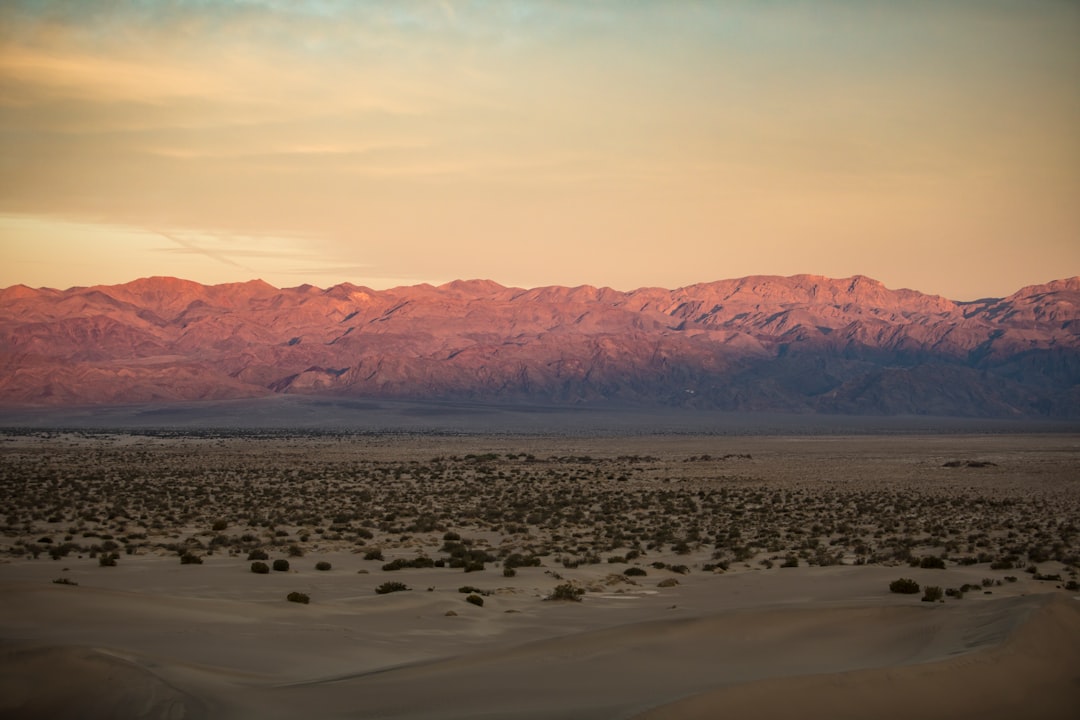
Nevada’s climate is characterized by its arid conditions, with vast stretches of desert landscapes that define much of the state. The state experiences a semi-arid to arid climate, which means that it receives very little rainfall throughout the year. Most of the precipitation occurs during the winter months, with summer months often being dry and scorching.
The average annual rainfall in Nevada is around 7 inches, making it one of the driest states in the United States. This lack of moisture contributes to the unique ecosystems found in the region, where flora and fauna have adapted to survive in harsh conditions. The temperature variations in Nevada can be quite extreme, with hot summers and cold winters.
In the summer, temperatures can soar above 100 degrees Fahrenheit, particularly in the southern regions like Las Vegas. Conversely, winter temperatures can drop significantly, especially in the northern parts of the state, where snow is not uncommon. Understanding these climatic conditions is crucial for residents and newcomers alike, as it influences everything from daily activities to long-term planning for living in this unique environment.
Key Takeaways
- Nevada has a semi-arid climate with hot summers and cold winters, and experiences low precipitation and high evaporation rates.
- Water conservation and management are crucial in Nevada due to limited water resources and high demand, with strategies such as xeriscaping and efficient irrigation systems being important.
- Dealing with extreme temperatures in Nevada requires proper insulation, shading, and cooling systems to maintain comfortable indoor temperatures.
- Building and maintaining desert-friendly landscapes in Nevada involves using native plants, efficient irrigation, and proper soil management to conserve water and thrive in the arid environment.
- Wildlife encounters and safety in Nevada require awareness of potential encounters with desert animals, such as snakes and scorpions, and taking precautions to avoid conflicts.
Water Conservation and Management
Water conservation is a critical issue in Nevada, given its limited water resources.
Residents are encouraged to adopt water-saving practices such as xeriscaping, which involves landscaping with drought-resistant plants that require minimal irrigation.
This not only conserves water but also enhances the aesthetic appeal of homes and communities. Additionally, Nevada has implemented various programs aimed at promoting water conservation among its residents. These initiatives often include rebates for homeowners who replace traditional lawns with desert-friendly landscaping or install water-efficient appliances.
By fostering a culture of conservation, Nevada aims to ensure that its water resources are sustainable for future generations while also maintaining the quality of life for its current residents.
Dealing with Extreme Temperatures
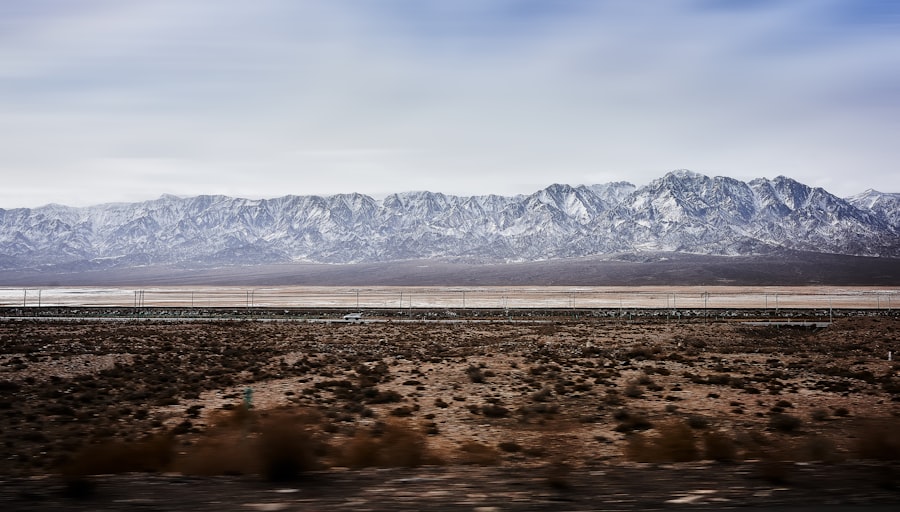
Living in Nevada means learning to cope with extreme temperatures that can pose challenges to daily life. During the sweltering summer months, residents must take precautions to protect themselves from heat-related illnesses.
Wearing lightweight, breathable clothing can also help mitigate the effects of the heat, allowing individuals to remain comfortable while engaging in outdoor activities. In contrast, winter temperatures can be equally challenging, particularly in northern Nevada where snow and ice can create hazardous conditions. Residents must prepare their homes for colder weather by ensuring proper insulation and heating systems are in place.
Additionally, understanding how to navigate icy roads and sidewalks is essential for safety during these months. By being aware of these temperature extremes and taking appropriate measures, residents can enjoy a safer and more comfortable living experience in Nevada.
Building and Maintaining Desert-Friendly Landscapes
| Metrics | 2018 | 2019 | 2020 |
|---|---|---|---|
| Water Usage (gallons) | 500,000 | 480,000 | 450,000 |
| Plant Survival Rate (%) | 85 | 90 | 92 |
| Cost of Maintenance () | 10,000 | 9,500 | 9,000 |
Creating and maintaining desert-friendly landscapes is an essential aspect of living in Nevada’s unique environment. Homeowners are encouraged to design their gardens and yards with native plants that thrive in arid conditions. These plants not only require less water but also provide habitats for local wildlife, contributing to biodiversity in the area.
Incorporating elements such as gravel pathways and rock gardens can further enhance the desert aesthetic while minimizing water usage. Regular maintenance of these landscapes is crucial to ensure their longevity and health. This includes practices such as mulching to retain moisture in the soil and periodic pruning to promote healthy growth.
Homeowners should also be mindful of invasive species that may threaten native plants and ecosystems. By investing time and effort into creating sustainable landscapes, residents can enjoy beautiful outdoor spaces that align with the natural environment of Nevada.
Wildlife Encounters and Safety
Living in Nevada offers unique opportunities for wildlife encounters, but it also necessitates an understanding of how to coexist safely with local fauna. The state is home to a diverse range of animals, including coyotes, rattlesnakes, and various bird species. While these creatures are an integral part of the ecosystem, it is important for residents to respect their space and understand their behaviors.
For instance, keeping a safe distance from wild animals and avoiding feeding them can help prevent dangerous encounters. Education about local wildlife is essential for safety. Residents should familiarize themselves with common species in their area and learn how to react if they encounter them.
For example, knowing how to identify a rattlesnake and understanding its behavior can help individuals avoid potentially harmful situations. By promoting awareness and respect for wildlife, residents can enjoy the beauty of Nevada’s natural surroundings while ensuring their safety.
Fire Prevention and Safety
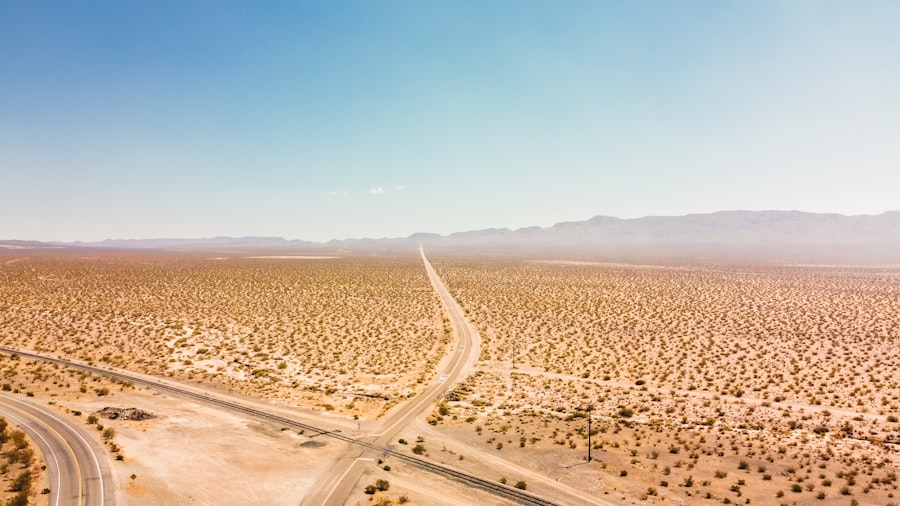
Fire prevention is a significant concern in Nevada due to its dry climate and abundant vegetation that can easily ignite during hot months. Residents are encouraged to take proactive measures to reduce fire risks around their homes. This includes creating defensible space by clearing away dead vegetation and maintaining a buffer zone around properties.
Regularly cleaning gutters and roofs of debris can also help prevent fires from spreading. In addition to personal safety measures, community awareness plays a vital role in fire prevention efforts. Local fire departments often provide resources and education on fire safety practices, including how to prepare emergency kits and evacuation plans.
By fostering a culture of preparedness within communities, residents can work together to minimize fire risks and protect their homes from potential disasters.
Choosing the Right Materials for Desert Homes
When building or renovating homes in Nevada, selecting appropriate materials is crucial for energy efficiency and durability in the desert climate. Materials that reflect heat rather than absorb it are ideal for keeping homes cool during scorching summers. For instance, using light-colored roofing materials can significantly reduce heat absorption, leading to lower energy costs for cooling.
Additionally, incorporating energy-efficient windows and insulation can enhance comfort levels within homes while reducing reliance on heating and cooling systems. Sustainable building materials such as adobe or rammed earth are also popular choices among environmentally conscious homeowners due to their thermal mass properties that help regulate indoor temperatures. By making informed choices about building materials, residents can create comfortable living spaces that withstand the challenges posed by Nevada’s climate.
Managing Dust and Sandstorms
Dust storms are a common occurrence in Nevada’s desert regions, often resulting from high winds sweeping across dry landscapes. These storms can reduce visibility and pose health risks due to airborne particles. Residents should take precautions during dust storms by staying indoors when possible and keeping windows closed to prevent dust from entering homes.
For those who must venture outside during such events, wearing masks or covering mouths with cloth can help filter out harmful particles. Additionally, maintaining clean outdoor spaces by regularly watering down driveways and yards can minimize dust accumulation. By being proactive about dust management, residents can protect their health while enjoying life in the desert.
Health and Wellness in the Desert
Living in Nevada’s desert environment presents unique health challenges that require attention to wellness practices. The dry air can lead to dehydration more quickly than in more humid climates; therefore, residents must prioritize hydration by drinking plenty of fluids throughout the day. Incorporating foods with high water content into diets can also aid in maintaining hydration levels.
Moreover, sun exposure is another critical factor for health in the desert. Residents should be vigilant about protecting their skin from harmful UV rays by wearing sunscreen, hats, and protective clothing when outdoors. Regular check-ups with healthcare providers are essential for monitoring any potential health issues related to living in such an extreme environment.
By adopting healthy habits tailored to desert living, individuals can enhance their overall well-being.
Finding Community and Support in Desert Living
Building a sense of community is vital for those living in Nevada’s desert regions. Many towns offer local events that foster connections among residents, such as farmers’ markets, art fairs, and outdoor festivals. Engaging with neighbors through these activities not only strengthens social ties but also creates a support network that can be invaluable during challenging times.
Online platforms have also emerged as valuable resources for connecting with others who share similar interests or experiences related to desert living. Social media groups focused on local issues or hobbies provide opportunities for residents to exchange tips on everything from gardening techniques to navigating extreme weather conditions. By actively participating in community life, individuals can find camaraderie and support that enriches their desert living experience.
Embracing the Beauty and Benefits of Desert Living
Despite its challenges, living in Nevada’s desert offers numerous benefits that many residents cherish deeply. The stunning landscapes characterized by vast open spaces, dramatic rock formations, and vibrant sunsets create a unique backdrop for daily life. Outdoor enthusiasts find endless opportunities for adventure through hiking, biking, and exploring national parks like Red Rock Canyon or Great Basin National Park.
Moreover, the low population density often associated with desert living allows for a quieter lifestyle away from urban hustle and bustle. Many residents appreciate the sense of peace that comes from living amidst nature while enjoying clear skies filled with stars at night—an experience often lost in more populated areas. By embracing both the beauty and benefits of desert living, individuals can cultivate a fulfilling life that harmonizes with their surroundings while navigating the unique challenges presented by this remarkable environment.
Living in the desert regions of Nevada presents a unique set of challenges, from extreme temperatures to limited water resources. Residents must adapt to the harsh climate by implementing water conservation techniques and utilizing sustainable building materials to maintain comfortable living conditions. An article on MyGeoQuest delves into these challenges, offering insights into how communities are innovating to thrive in such an arid environment. The article highlights the importance of community planning and resource management in overcoming the obstacles posed by desert living.
WATCH THIS! 🎰 Nevada’s Vast Empty Land Isn’t an Accident
FAQs
What are the main challenges of living in the Nevada desert?
Living in the Nevada desert presents challenges such as extreme temperatures, limited water resources, and potential for wildfires.
How hot does it get in the Nevada desert?
During the summer, temperatures in the Nevada desert can exceed 100°F (38°C) and sometimes even reach 120°F (49°C) in certain areas.
What are the water challenges in the Nevada desert?
Water scarcity is a significant challenge in the Nevada desert, as the region receives minimal rainfall and relies heavily on limited water sources such as the Colorado River.
What are the risks of wildfires in the Nevada desert?
The Nevada desert is prone to wildfires, especially during dry and hot conditions. These wildfires can pose a threat to both property and human safety.
How do residents cope with the challenges of desert living in Nevada?
Residents of the Nevada desert cope with the challenges of extreme temperatures and water scarcity by using evaporative coolers, conserving water, and implementing fire prevention measures.