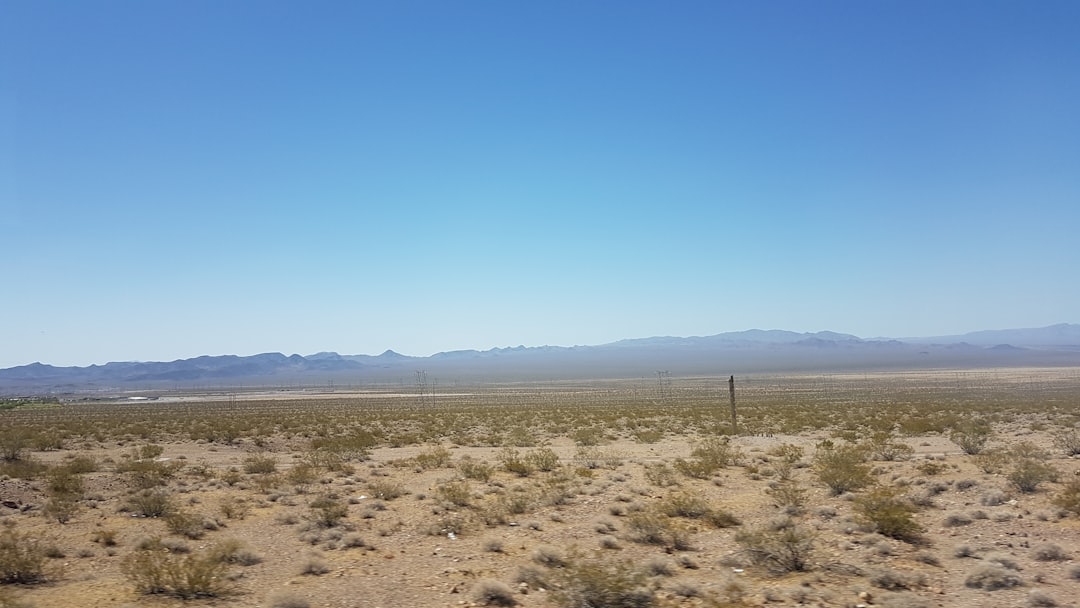
Nevada, often celebrated for its vibrant cities and entertainment hubs, also harbors some of the most inhospitable landscapes in the United States. These unlivable regions, characterized by extreme temperatures, arid conditions, and rugged terrains, present formidable challenges to both human habitation and wildlife survival. From the blistering heat of Death Valley to the stark beauty of the Great Basin Desert, these areas are a testament to nature’s raw power and resilience.
Understanding these regions not only highlights the harsh realities of life in Nevada but also underscores the delicate balance between beauty and danger that defines this unique state. The unlivable regions of Nevada serve as a reminder of the planet’s diverse ecosystems and the extremes they can reach. While many may view these areas as barren wastelands, they are, in fact, rich in geological history and ecological significance.
The interplay of climate, topography, and biological adaptation has shaped these landscapes over millennia, creating environments that are both awe-inspiring and treacherous. As one delves deeper into the characteristics of these regions, it becomes evident that they are not merely devoid of life but are instead home to specialized flora and fauna that have evolved to thrive under such harsh conditions.
Key Takeaways
- Nevada’s unlivable regions, including the Great Basin Desert, Death Valley, Black Rock Desert, Mojave Desert, and Sierra Nevada Mountains, present extreme challenges for survival.
- The harsh and arid landscape of the Great Basin Desert, the scorching temperatures of Death Valley, and the extreme temperature fluctuations of the Black Rock Desert make these areas particularly challenging for living.
- The Mojave Desert poses a difficult environment for survival, with its limited water sources and extreme temperatures.
- The Sierra Nevada Mountains present unforgiving terrain and harsh conditions, making survival a constant challenge for both wildlife and humans.
- Climate change plays a significant role in shaping Nevada’s unlivable regions, impacting the availability of water and exacerbating extreme temperatures.
The Great Basin Desert: A Harsh and Arid Landscape
The Great Basin Desert, spanning much of northern Nevada, is one of the largest deserts in the United States. This expansive region is defined by its high elevation and unique geography, which contribute to its arid climate. With an average elevation of over 5,000 feet, the Great Basin experiences significant temperature fluctuations between day and night, often leading to scorching days followed by frigid nights.
The sparse rainfall, averaging less than ten inches annually, further exacerbates the challenges faced by any potential inhabitants or wildlife. Despite its harshness, the Great Basin Desert is not devoid of life. The region is home to a variety of hardy plant species, such as sagebrush and juniper trees, which have adapted to conserve water and withstand extreme temperatures.
These plants play a crucial role in the ecosystem, providing shelter and sustenance for various animal species. Among them are the elusive desert bighorn sheep and the agile jackrabbit, both of which have developed unique survival strategies to navigate this unforgiving landscape.
Death Valley: The Hottest Place on Earth
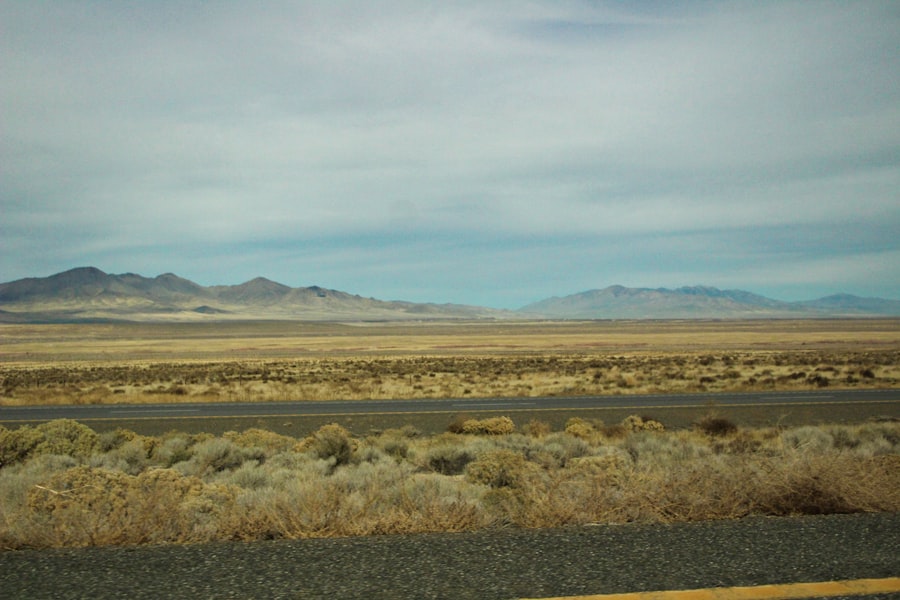
Death Valley holds the notorious title of being the hottest place on Earth, with recorded temperatures soaring above 130 degrees Fahrenheit during the summer months. This extreme heat is a result of its unique topography, which includes deep valleys surrounded by towering mountain ranges that trap heat and create a relentless sun-baked environment. The valley’s elevation, at 282 feet below sea level, contributes to its sweltering conditions, making it a place where few dare to venture during peak summer.
The landscape of Death Valley is as mesmerizing as it is treacherous. Visitors are greeted with vast salt flats, rugged mountains, and colorful rock formations that tell a story of geological upheaval over millions of years. Despite its harsh climate, Death Valley is home to a surprising array of life.
Adapted species such as the desert tortoise and various reptiles have evolved to withstand extreme temperatures and scarce water sources. These organisms exemplify nature’s ability to thrive in even the most inhospitable environments, showcasing a remarkable resilience that captivates scientists and adventurers alike.
The Black Rock Desert: A Land of Extreme Temperatures
| Temperature | Extreme |
|---|---|
| Highest Recorded Temperature | 104°F (40°C) |
| Lowest Recorded Temperature | -26°F (-32°C) |
| Average Summer Temperature | 90°F (32°C) |
| Average Winter Temperature | 30°F (-1°C) |
The Black Rock Desert is another striking example of Nevada’s unlivable regions, known for its stark beauty and extreme temperature variations. This desert is characterized by its vast playa—a dry lakebed that stretches for miles—surrounded by rugged mountain ranges. The Black Rock Desert experiences some of the most significant temperature swings in the state, with scorching daytime heat plummeting to near-freezing temperatures at night.
Such extremes create a challenging environment for any form of life. Despite these harsh conditions, the Black Rock Desert has become famous for hosting events like Burning Man, where thousands gather annually to celebrate art and community in this desolate landscape.
The desert’s unique geology and ephemeral water sources support a variety of plant life that can endure long periods without moisture. Species such as saltbush and rabbitbrush have adapted to thrive in this challenging environment, demonstrating nature’s remarkable ability to persist even in the face of adversity.
The Mojave Desert: A Challenging Environment for Survival
The Mojave Desert, straddling parts of Nevada, California, Utah, and Arizona, presents its own set of challenges for survival. Known for its iconic Joshua trees and diverse wildlife, this desert is characterized by its arid climate and rugged terrain. With temperatures often exceeding 120 degrees Fahrenheit in summer and dropping significantly at night, the Mojave poses a formidable challenge for both flora and fauna attempting to thrive in such an environment.
The Mojave Desert is home to a variety of species that have adapted to its harsh conditions. The desert tortoise, for instance, has developed a burrowing behavior that allows it to escape the intense heat during the day while emerging at night to feed on vegetation. Similarly, many plants in this region have evolved deep root systems to access underground water sources or have developed waxy coatings on their leaves to minimize water loss.
These adaptations highlight the intricate relationships between organisms and their environments in one of Nevada’s most challenging landscapes.
The Sierra Nevada Mountains: Unforgiving Terrain and Harsh Conditions
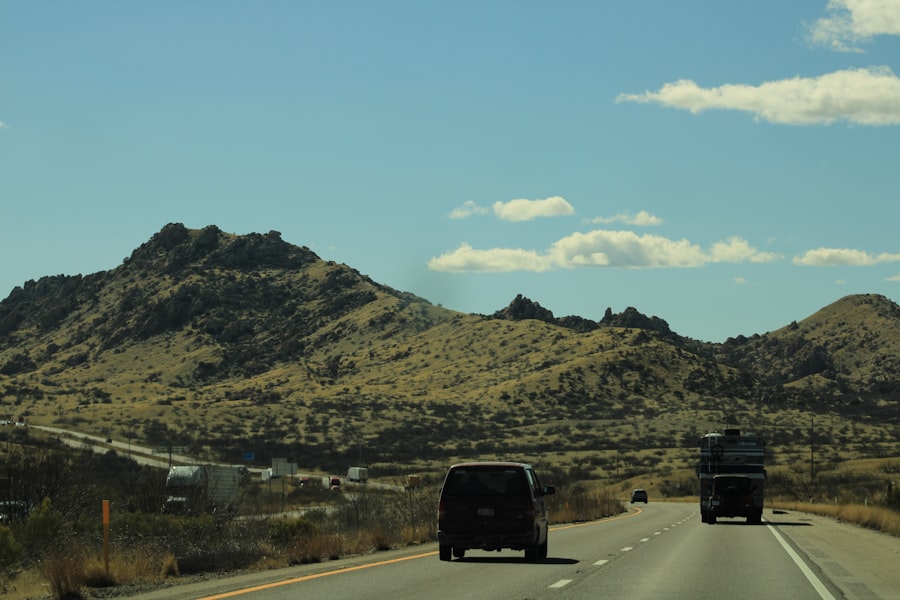
In stark contrast to Nevada’s deserts are the Sierra Nevada Mountains, which form a dramatic backdrop to the eastern edge of the state. While these mountains offer breathtaking vistas and lush forests at higher elevations, they also present their own set of challenges. The rugged terrain is often steep and rocky, making navigation difficult for even the most experienced hikers.
Additionally, winter months bring heavy snowfall that can lead to treacherous conditions for those unprepared for the harsh weather. The Sierra Nevada is not only known for its unforgiving terrain but also for its diverse ecosystems that vary with elevation. As one ascends from the foothills to higher altitudes, the landscape transforms from arid scrubland to dense coniferous forests.
This vertical diversity supports a wide range of wildlife, including black bears and mountain lions that roam these rugged slopes. However, even these resilient creatures must contend with the challenges posed by extreme weather conditions and limited food sources during harsh winters.
The Impact of Unlivable Regions on Wildlife and Plant Life
The unlivable regions of Nevada have a profound impact on both wildlife and plant life. In these harsh environments, survival often hinges on adaptation and resilience. Species that inhabit these areas have developed unique strategies to cope with extreme temperatures and limited resources.
For instance, many plants have evolved drought-resistant features such as deep root systems or thickened leaves that minimize water loss. These adaptations not only allow them to survive but also play a crucial role in maintaining ecological balance within their respective ecosystems. Wildlife in Nevada’s unlivable regions faces similar challenges.
Animals must navigate vast distances in search of food and water while avoiding predators and extreme weather conditions. Some species have developed nocturnal behaviors to escape daytime heat or have adapted their diets to include drought-resistant plants. The delicate balance between survival and extinction is constantly tested in these unforgiving landscapes, making them critical areas for conservation efforts aimed at preserving biodiversity.
The Challenges of Living in Nevada’s Unlivable Regions
Living in Nevada’s unlivable regions presents numerous challenges for those who dare to call these areas home. The extreme climate can be unforgiving; residents must contend with scorching summers and frigid winters while managing limited access to essential resources such as water and food. Infrastructure is often sparse or non-existent in these remote areas, making it difficult for individuals to maintain a sustainable lifestyle.
Moreover, the psychological toll of isolation cannot be overlooked. Many who choose to live in these harsh environments experience feelings of loneliness or disconnection from society due to their remote locations. The combination of physical challenges posed by the landscape and emotional struggles associated with isolation creates a complex reality for those who inhabit Nevada’s unlivable regions.
Survival Tips for Navigating Nevada’s Harsh Deserts and Extreme Temperatures
For those who find themselves navigating Nevada’s harsh deserts and extreme temperatures, preparation is key to survival. First and foremost, understanding the climate patterns is essential; knowing when temperatures will peak can help individuals plan their activities accordingly. Carrying ample water supplies is crucial since dehydration can occur rapidly in such arid conditions.
Additionally, dressing appropriately for the environment can make a significant difference in comfort levels. Lightweight clothing that provides sun protection while allowing breathability is ideal for hot days, while layering can help combat cold nights in desert regions like the Great Basin or Black Rock Desert. Familiarity with local flora and fauna can also aid survival; recognizing which plants are edible or which animals pose threats can be invaluable knowledge when traversing these unforgiving landscapes.
The Role of Climate Change in Shaping Nevada’s Unlivable Regions
Climate change has begun to exert its influence on Nevada’s unlivable regions, exacerbating existing challenges faced by both wildlife and human inhabitants alike. Rising temperatures are leading to increased evaporation rates from water sources while altering precipitation patterns across the state. As a result, many areas are experiencing prolonged droughts that threaten local ecosystems and reduce available resources for both plants and animals.
Furthermore, climate change has implications for biodiversity within these regions; as habitats shift due to changing environmental conditions, many species may struggle to adapt or find suitable living spaces. This ongoing transformation underscores the importance of conservation efforts aimed at preserving Nevada’s unique ecosystems while addressing the broader impacts of climate change on unlivable regions.
The Beauty and Danger of Nevada’s Unlivable Regions
In conclusion, Nevada’s unlivable regions embody a complex interplay between beauty and danger that captivates those who venture into their depths. From the scorching sands of Death Valley to the rugged peaks of the Sierra Nevada Mountains, these landscapes tell stories of resilience against adversity—both from nature itself and from those who dare to inhabit them. While they may be deemed unlivable by conventional standards, they are far from lifeless; they teem with unique flora and fauna that have adapted over time to thrive under extreme conditions.
As humanity grapples with the realities of climate change and environmental degradation, understanding these unlivable regions becomes increasingly important. They serve as reminders of nature’s power while highlighting our responsibility to protect these fragile ecosystems for future generations. Ultimately, Nevada’s unlivable regions stand as both a challenge and an inspiration—a testament to life’s tenacity in even the harshest environments.
Nevada, known for its arid landscapes and extreme temperatures, has regions that are becoming increasingly unlivable due to climate change and water scarcity. An insightful article on this topic can be found on MyGeoQuest, which delves into the challenges faced by these areas and the potential solutions being explored. For more information, you can read the full article by visiting this link. The article provides a comprehensive overview of the environmental and socio-economic impacts of these changes, highlighting the urgent need for sustainable practices and policies.
WATCH THIS! 🎰 Nevada’s Vast Empty Land Isn’t an Accident
FAQs
What are the unlivable parts of Nevada?
Some of the unlivable parts of Nevada include the extremely arid and desolate areas such as the Great Basin Desert and the Mojave Desert. These areas have limited access to water and extreme temperatures, making them inhospitable for human habitation.
Why are these areas considered unlivable?
These areas are considered unlivable due to their harsh environmental conditions, including extreme heat, limited water sources, and lack of vegetation. The arid climate and rugged terrain make it difficult for people to sustain a livelihood in these regions.
Are there any communities or settlements in these unlivable parts of Nevada?
There are very few communities or settlements in the unlivable parts of Nevada, and those that do exist are often small and isolated. These communities typically face significant challenges in accessing basic resources such as water and are often located near more hospitable areas.
What are the main challenges of living in these unlivable parts of Nevada?
The main challenges of living in these unlivable parts of Nevada include limited access to water, extreme temperatures, and a lack of infrastructure and services. Residents in these areas often have to contend with harsh living conditions and may face difficulties in accessing essential resources.
Are there any efforts to make these areas more habitable?
There are ongoing efforts to improve living conditions in some of these unlivable parts of Nevada, including initiatives to increase access to water and develop sustainable infrastructure. However, the extreme environmental conditions present significant challenges to making these areas more habitable.