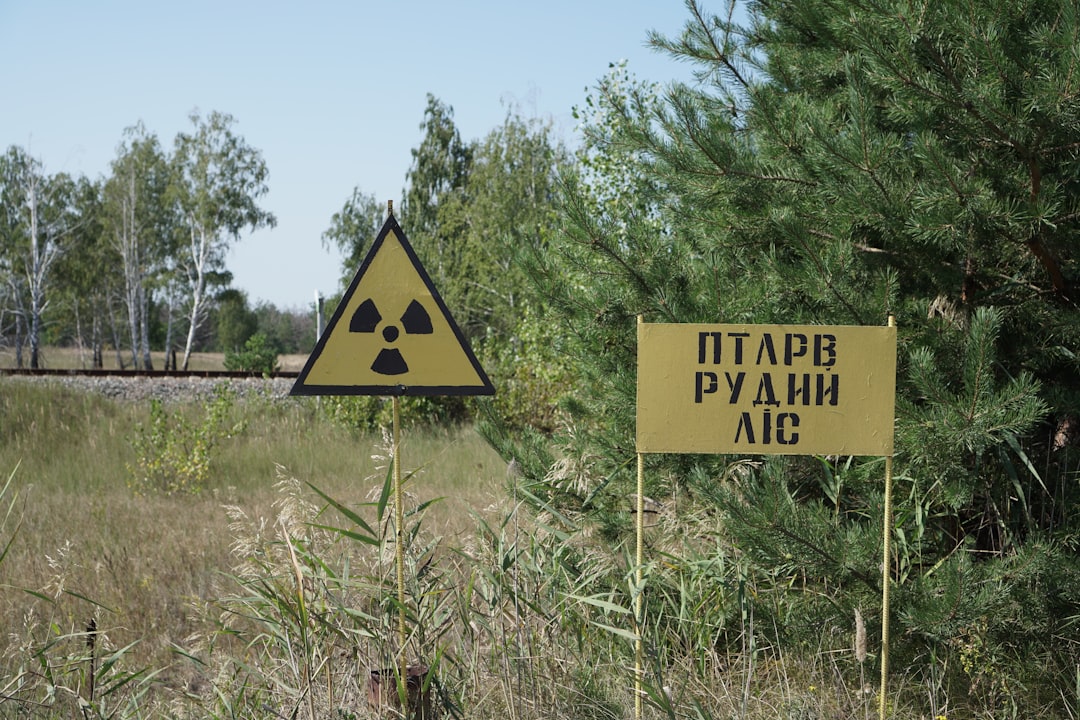
The Bravo Shot, detonated on March 1, 1954, marked a significant moment in the history of nuclear testing. Conducted by the United States as part of Operation Castle, this thermonuclear explosion took place at Bikini Atoll in the Marshall Islands. The test was intended to evaluate the performance of a new type of hydrogen bomb, which was expected to be far more powerful than previous atomic bombs.
The Bravo Shot yielded an explosive force equivalent to approximately 15 megatons of TNT, making it one of the most powerful nuclear tests ever conducted. The sheer magnitude of the explosion was not only a demonstration of military might but also a pivotal moment in the Cold War era, as nations raced to develop and showcase their nuclear capabilities. The aftermath of the Bravo Shot was immediate and profound.
The explosion created a massive fireball that vaporized everything within its vicinity and sent a plume of radioactive fallout into the atmosphere. This fallout spread over a wide area, affecting not only the immediate vicinity of the test site but also distant islands and even ships in the Pacific Ocean. The test was initially shrouded in secrecy, with little information provided to the local populations or the world at large about its potential dangers.
As a result, many residents of the Marshall Islands were left unaware of the impending disaster that would soon unfold in their lives.
Key Takeaways
- The Bravo Shot was the code name for the first hydrogen bomb test conducted by the United States in 1954.
- The impact of the Bravo Shot on the Marshall Islands was devastating, leading to widespread radiation exposure and long-term health effects for the local population.
- The environmental consequences of the Bravo Shot included widespread contamination of the land and water, leading to lasting damage to the ecosystem.
- The human health effects of the Bravo Shot included increased rates of cancer, birth defects, and other radiation-related illnesses among the exposed population.
- The political fallout of the Bravo Shot led to increased international scrutiny of nuclear testing and the eventual push for nuclear disarmament.
The Impact of the Bravo Shot on the Marshall Islands
The impact of the Bravo Shot on the Marshall Islands was catastrophic and far-reaching. The local population, primarily composed of indigenous Marshallese people, faced immediate displacement as their homes were rendered uninhabitable due to radioactive contamination. Many residents were evacuated from their islands, particularly from Bikini Atoll, where the test was conducted.
The U.S. government relocated these communities to other islands, promising them safety and support. However, this promise was often unfulfilled, leading to long-term struggles for the displaced populations.
In addition to physical displacement, the Bravo Shot had profound psychological and cultural effects on the Marshallese people. The loss of their ancestral lands and traditional ways of life created a deep sense of grief and dislocation. Many Marshallese found themselves living in unfamiliar environments, grappling with the trauma of their experiences while trying to adapt to new circumstances.
The cultural identity of the Marshallese was challenged as they navigated life in exile, leading to a loss of traditional practices and community cohesion.
The Environmental Consequences of the Bravo Shot
The environmental consequences of the Bravo Shot were severe and enduring. The explosion not only contaminated the immediate area with radioactive materials but also had far-reaching effects on marine ecosystems and terrestrial environments. The detonation released a significant amount of radioactive isotopes into the atmosphere, which subsequently fell back to Earth as fallout.
This fallout contaminated soil, water sources, and food supplies, posing long-term risks to both human health and ecological systems. In the years following the Bravo Shot, scientists observed alarming changes in local wildlife and plant life. Marine life in particular suffered from increased levels of radiation, leading to mutations and population declines.
Coral reefs, which are vital to marine biodiversity, were also affected by the fallout, disrupting entire ecosystems that depend on these habitats. The long-term environmental degradation caused by nuclear testing in the Marshall Islands continues to be a concern for scientists and environmentalists today.
The Human Health Effects of the Bravo Shot
| Health Effects | Metrics |
|---|---|
| Short-term effects | Fever, headache, fatigue, muscle pain, chills, nausea |
| Long-term effects | Unknown, ongoing research |
| Effectiveness | Varies by individual, ongoing monitoring |
| Side effects | Soreness at injection site, mild allergic reactions |
The human health effects resulting from the Bravo Shot have been profound and tragic. Many Marshallese people who were exposed to radioactive fallout experienced a range of health issues, including increased rates of cancer, thyroid disorders, and other serious illnesses. The U.S. government initially downplayed these health risks, leading to a lack of adequate medical care and support for those affected. Over time, however, studies began to reveal the true extent of health problems linked to radiation exposure. The legacy of health issues stemming from the Bravo Shot has persisted across generations.
The psychological toll on survivors has also been significant, with many grappling with anxiety and depression related to their experiences and fears about their health. The ongoing struggle for recognition and compensation for these health impacts remains a critical issue for many Marshallese families.
The Political Fallout of the Bravo Shot
The political fallout from the Bravo Shot extended beyond the immediate consequences for the Marshall Islands; it also had implications for U.S. foreign policy and international relations during the Cold War. The test highlighted the complexities surrounding nuclear weapons development and testing, raising ethical questions about the treatment of indigenous populations and environmental stewardship.
As awareness grew regarding the impacts of nuclear testing, calls for accountability and reparations intensified. In response to growing domestic and international pressure, U.S. officials eventually acknowledged some responsibility for the consequences of nuclear testing in the Marshall Islands.
However, negotiations over compensation and reparations have been fraught with challenges. Many Marshallese people feel that they have not received adequate recognition or support for their suffering, leading to ongoing tensions between local communities and U.S. authorities.
The Scientific Discoveries from the Bravo Shot
The Bravo Shot also contributed significantly to scientific understanding in various fields, particularly in nuclear physics and environmental science. Researchers studied the effects of nuclear explosions on atmospheric conditions, radiation dispersal patterns, and biological impacts on living organisms. These studies provided valuable insights into nuclear fission and fusion processes, helping scientists refine their understanding of thermonuclear reactions.
Moreover, data collected from the Bravo Shot has informed safety protocols for future nuclear tests and has influenced international discussions on nuclear disarmament and non-proliferation. The lessons learned from this test have underscored the importance of transparency in nuclear research and testing practices, as well as the need for comprehensive environmental assessments before conducting such experiments.
The Legacy of the Bravo Shot in Nuclear Testing
The legacy of the Bravo Shot is deeply intertwined with the broader narrative of nuclear testing throughout history. It serves as a stark reminder of the human and environmental costs associated with nuclear weapons development. As one of the most powerful tests ever conducted, it exemplifies both technological advancement and ethical dilemmas surrounding military power.
In contemporary discussions about nuclear policy, the Bravo Shot remains a focal point for advocates calling for disarmament and stricter regulations on nuclear testing. Its legacy continues to shape public perception regarding nuclear weapons and their implications for global security. As nations grapple with issues related to nuclear proliferation, the lessons learned from past tests like Bravo serve as crucial reminders of the need for responsible stewardship of such powerful technologies.
The Cultural and Social Impact of the Bravo Shot
The cultural impact of the Bravo Shot on the Marshall Islands cannot be overstated. For many Marshallese people, this event marked a turning point in their history—a moment that altered their relationship with their land, culture, and identity. Traditional practices were disrupted as communities were forced to adapt to new realities following their displacement.
Socially, the aftermath of the Bravo Shot fostered a sense of resilience among Marshallese communities. Despite facing immense challenges, many individuals have worked tirelessly to preserve their cultural heritage while advocating for justice and recognition of their struggles. This resilience is evident in various forms of artistic expression—music, storytelling, and visual arts—that reflect their experiences and aspirations for a better future.
The International Response to the Bravo Shot
The international response to the Bravo Shot was mixed, reflecting broader geopolitical dynamics during the Cold War era. While some nations condemned nuclear testing outright due to its humanitarian and environmental consequences, others viewed it through a lens of national security interests. This divergence in perspectives complicated efforts to establish comprehensive treaties aimed at curbing nuclear proliferation.
Advocacy groups emerged globally to raise awareness about the impacts of tests like Bravo on affected populations and ecosystems. These efforts contributed to growing momentum for treaties such as the Comprehensive Nuclear-Test-Ban Treaty (CTBT), which seeks to prohibit all forms of nuclear testing worldwide.
The Continued Relevance of the Bravo Shot in Today’s World
The relevance of the Bravo Shot persists in today’s world as discussions surrounding nuclear weapons continue to evolve amid shifting geopolitical landscapes. As nations grapple with issues related to disarmament and non-proliferation, historical events like Bravo serve as cautionary tales about the potential consequences of unchecked military power. Moreover, ongoing debates about climate change and environmental justice intersect with discussions about nuclear testing’s legacy.
The environmental degradation caused by past tests highlights urgent calls for sustainable practices that prioritize ecological health alongside national security concerns.
Remembering and Honoring the Victims of the Bravo Shot
Remembering and honoring the victims of the Bravo Shot is essential for acknowledging their suffering and advocating for justice. Memorials and commemorative events have been established in various locations to pay tribute to those affected by nuclear testing in the Marshall Islands. These initiatives serve not only as acts of remembrance but also as platforms for raising awareness about ongoing struggles faced by survivors.
Efforts to document personal stories from survivors are crucial in preserving their narratives for future generations. By amplifying these voices, advocates aim to ensure that lessons learned from events like the Bravo Shot are not forgotten but rather serve as catalysts for change—promoting peace, justice, and healing in a world still grappling with the legacies of nuclear weapons.
The Bravo shot nuclear test, conducted by the United States on March 1, 1954, was a significant event in the history of nuclear testing due to its unexpected yield and the subsequent fallout that affected nearby inhabited areas. For those interested in exploring more about the geographical and environmental impacts of such tests, a related article can be found on MyGeoQuest. This article delves into the broader implications of nuclear testing on global geography and ecosystems. You can read more about it by visiting this page.
FAQs
What was the Bravo shot nuclear test?
The Bravo shot nuclear test was the code name for the first test of a dry fuel hydrogen bomb conducted by the United States on March 1, 1954, at Bikini Atoll in the Marshall Islands.
What was the purpose of the Bravo shot nuclear test?
The purpose of the Bravo shot nuclear test was to test the feasibility of a hydrogen bomb as a potential weapon of mass destruction.
What were the effects of the Bravo shot nuclear test?
The Bravo shot nuclear test resulted in a massive explosion with a yield of 15 megatons, making it the most powerful nuclear device ever detonated by the United States. The explosion created a mushroom cloud that reached a height of 130,000 feet and caused widespread radioactive fallout.
What were the environmental and human impacts of the Bravo shot nuclear test?
The Bravo shot nuclear test caused extensive environmental damage to the surrounding area, contaminating the land and water with radioactive fallout. The test also had significant health impacts on the local population and the crew of the Japanese fishing boat Daigo Fukuryu Maru, which was exposed to the fallout.
What were the political implications of the Bravo shot nuclear test?
The Bravo shot nuclear test intensified the arms race between the United States and the Soviet Union during the Cold War, leading to increased tensions and fears of nuclear warfare. The test also raised concerns about the environmental and humanitarian consequences of nuclear weapons testing.