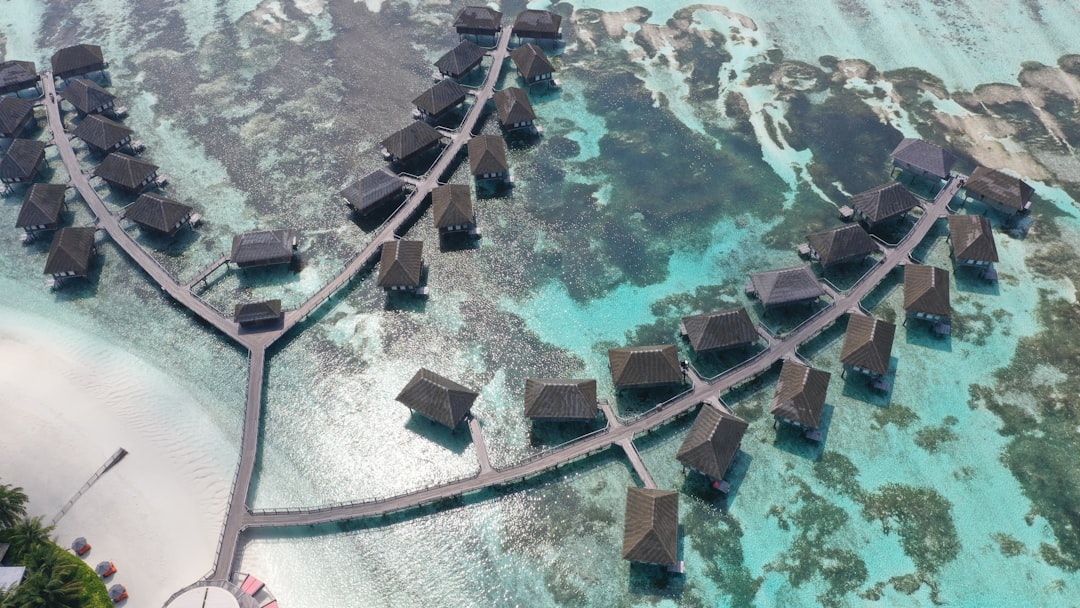
Bikini Atoll, a remote group of islands in the Marshall Islands, is renowned for its stunning natural beauty and rich marine biodiversity. This atoll, consisting of 36 islands and islets, is surrounded by crystal-clear waters that teem with vibrant marine life. However, its picturesque landscape belies a tumultuous history marked by human intervention and environmental degradation.
The atoll’s unique ecosystem, characterized by its coral reefs, has been both a source of wonder and a victim of historical events that have left lasting scars on its environment. The allure of Bikini Atoll extends beyond its scenic vistas; it serves as a poignant reminder of the delicate balance between nature and human activity. The atoll’s coral reefs, which are vital to the health of marine ecosystems, have faced significant challenges due to past nuclear testing.
As the world becomes increasingly aware of the importance of coral reefs in combating climate change and supporting marine biodiversity, the story of Bikini Atoll stands as a critical case study in the resilience of nature and the urgent need for conservation efforts.
Key Takeaways
- Bikini Atoll is a remote coral atoll in the Pacific Ocean, known for its history of nuclear testing and its rich coral reef ecosystem.
- The United States conducted 23 nuclear tests at Bikini Atoll between 1946 and 1958, causing widespread destruction to the coral reef and surrounding environment.
- The nuclear testing led to the displacement of local communities and had a devastating impact on the coral reef, including the loss of biodiversity and damage to the reef structure.
- Efforts to restore the coral reef at Bikini Atoll have included the establishment of marine protected areas, coral transplantation, and monitoring of reef recovery.
- Despite the challenges, there have been some successes in coral reef recovery at Bikini Atoll, with signs of resilience and regeneration in the ecosystem.
History of Bikini Atoll and nuclear testing
The history of Bikini Atoll is inextricably linked to the mid-20th century nuclear testing conducted by the United States. In 1946, the U.S. government selected Bikini Atoll as the site for a series of nuclear tests, believing that its remote location would minimize risks to populated areas.
Over the next several years, a total of 23 nuclear detonations occurred in the region, including the infamous Castle Bravo test in 1954, which was the largest nuclear explosion ever conducted by the United States. This test not only caused immediate destruction but also released radioactive fallout that affected nearby islands and communities. The consequences of these tests were profound and far-reaching.
The indigenous people of Bikini were forcibly relocated from their homeland, leading to a loss of cultural identity and traditional ways of life. The environmental impact was equally devastating; the underwater landscape was altered dramatically, with coral reefs suffering extensive damage from the blasts. The legacy of nuclear testing at Bikini Atoll serves as a stark reminder of the intersection between military ambition and environmental stewardship, highlighting the need for responsible management of natural resources.
Impact of nuclear testing on the coral reef
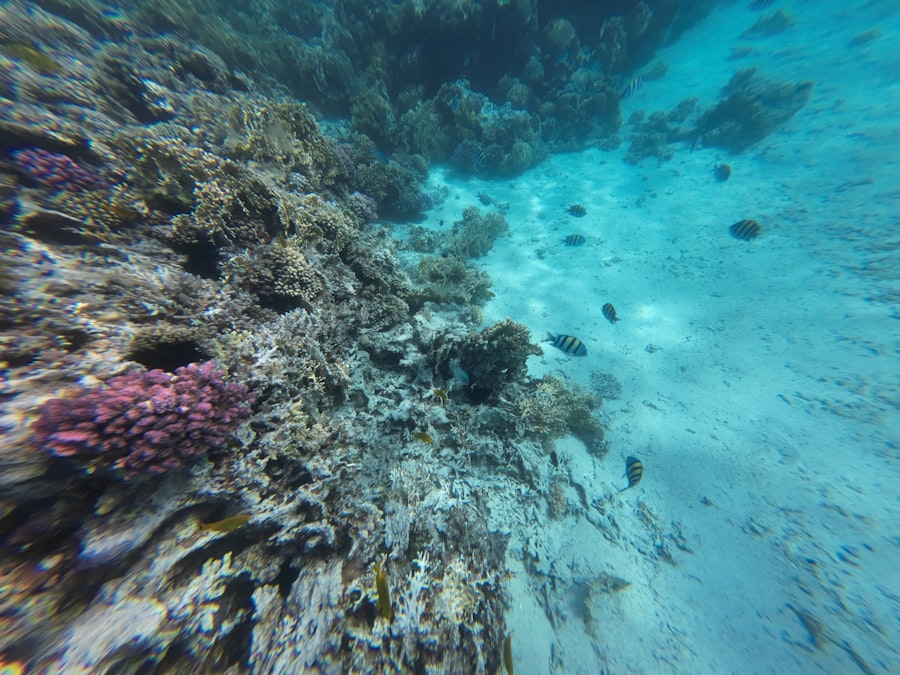
The impact of nuclear testing on the coral reef ecosystem surrounding Bikini Atoll was catastrophic. The explosions not only obliterated large sections of the reef but also released toxic materials into the surrounding waters. Coral reefs, which are sensitive to changes in their environment, experienced significant bleaching and mortality as a result of the blasts and subsequent contamination.
The once-thriving marine habitats were transformed into barren landscapes, devoid of the vibrant life that had previously flourished there. In addition to physical destruction, the nuclear tests introduced long-lasting radioactive materials into the ecosystem. These contaminants posed serious risks to marine life and raised concerns about food safety for local populations.
The delicate balance of life within the coral reef was disrupted, leading to a decline in fish populations and other marine species that rely on healthy coral ecosystems for survival. The repercussions of this environmental catastrophe continue to be felt today, as scientists work to understand the full extent of the damage and explore potential pathways for recovery.
Efforts to restore the coral reef
| Effort | Location | Duration | Success Rate |
|---|---|---|---|
| Coral transplantation | Great Barrier Reef, Australia | 2015-present | 80% |
| Artificial reef installation | Caribbean Sea | 2018-present | 75% |
| Coral bleaching prevention | Hawaii, USA | 2017-present | 85% |
In response to the devastation wrought by nuclear testing, various efforts have been initiated to restore the coral reef ecosystem at Bikini Atoll. Recognizing the importance of coral reefs in maintaining biodiversity and supporting local fisheries, scientists and conservationists have come together to develop strategies aimed at rehabilitation. These efforts include monitoring coral health, assessing water quality, and implementing restoration techniques that promote coral growth.
One significant approach has been the establishment of marine protected areas (MPAs) around Bikini Atoll. By restricting certain activities such as fishing and tourism in designated zones, these MPAs aim to create safe havens for marine life to recover and thrive. Additionally, researchers have been exploring innovative techniques such as coral gardening and transplantation, where healthy coral fragments are cultivated in nurseries before being reintroduced to damaged areas.
These initiatives represent a concerted effort to not only restore what was lost but also to build resilience against future environmental challenges.
Coral reef recovery initiatives
Coral reef recovery initiatives at Bikini Atoll have gained momentum in recent years, driven by a growing recognition of the ecological significance of these ecosystems. Collaborative projects involving local communities, scientists, and international organizations have emerged to address the multifaceted challenges facing coral reefs. These initiatives often focus on education and awareness-raising efforts aimed at fostering a sense of stewardship among local populations.
One notable initiative is the involvement of local communities in monitoring coral health and participating in restoration activities. By empowering residents with knowledge and skills related to coral conservation, these programs not only enhance community engagement but also promote sustainable practices that benefit both people and nature. Furthermore, partnerships with research institutions have facilitated data collection and analysis, providing valuable insights into the recovery process and informing future conservation strategies.
Successes in coral reef recovery
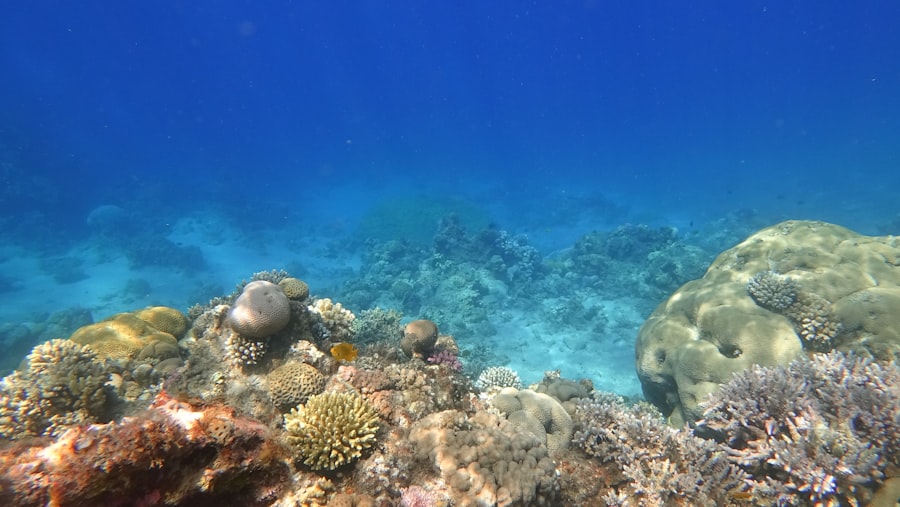
Despite the daunting challenges posed by past nuclear testing, there have been notable successes in coral reef recovery at Bikini Atoll. Scientific monitoring has revealed encouraging signs of resilience among certain coral species, indicating their ability to adapt to changing environmental conditions. Some areas previously impacted by nuclear fallout have shown signs of natural regeneration, with new coral growth observed in previously barren regions.
Additionally, community-led initiatives have yielded positive outcomes in terms of biodiversity restoration. Local fishermen have reported increased fish populations in areas where conservation measures have been implemented, highlighting the interconnectedness between healthy coral reefs and thriving fisheries.
Challenges in restoring the coral reef
While there have been successes in coral reef recovery at Bikini Atoll, significant challenges remain. One major obstacle is climate change, which poses an existential threat to coral reefs worldwide. Rising sea temperatures lead to coral bleaching events that can decimate entire reef systems within a short period.
As global temperatures continue to rise, the resilience of corals is put to the test, complicating restoration efforts. Moreover, ongoing concerns about residual radiation from past nuclear tests present additional hurdles for recovery initiatives. Although monitoring programs have shown that radiation levels have decreased over time, uncertainties remain regarding long-term impacts on marine life and ecosystem health.
Addressing these challenges requires a multifaceted approach that combines scientific research with community engagement and policy advocacy.
Importance of the coral reef ecosystem
The importance of coral reef ecosystems cannot be overstated; they are often referred to as the “rainforests of the sea” due to their incredible biodiversity and ecological significance. Coral reefs provide essential habitat for countless marine species, serving as breeding grounds and nurseries for fish and other organisms. They also play a crucial role in coastal protection by acting as natural barriers against storm surges and erosion.
Furthermore, healthy coral reefs contribute significantly to local economies through fisheries and tourism. Many communities rely on these ecosystems for their livelihoods, making their conservation vital not only for environmental health but also for social and economic stability. As such, protecting coral reefs is imperative for ensuring food security and sustaining cultural practices tied to marine resources.
Future outlook for the coral reef at Bikini Atoll
The future outlook for the coral reef at Bikini Atoll remains uncertain but hopeful. Ongoing restoration efforts combined with increased awareness about climate change may pave the way for a more resilient ecosystem. As scientists continue to study the effects of past nuclear testing on marine life, they are also exploring innovative solutions that could enhance recovery prospects.
Moreover, global initiatives aimed at combating climate change could indirectly benefit coral reefs by reducing stressors such as ocean acidification and temperature fluctuations. The commitment from local communities to engage in conservation practices further strengthens the potential for positive outcomes in the years ahead. While challenges persist, there is a growing recognition that collaborative efforts can lead to meaningful change.
Role of local communities in coral reef recovery
Local communities play an indispensable role in the recovery of coral reefs at Bikini Atoll. Their traditional knowledge and deep connection to the marine environment provide valuable insights into sustainable practices that can aid restoration efforts. By involving residents in monitoring activities and decision-making processes, conservation initiatives can be more effective and culturally relevant.
Community engagement fosters a sense of ownership over local resources, encouraging individuals to take an active role in protecting their environment. Educational programs aimed at raising awareness about the importance of coral reefs can empower residents to advocate for sustainable practices within their communities. As stewards of their natural heritage, local populations are crucial allies in ensuring that Bikini Atoll’s coral reefs can thrive once more.
Conclusion and call to action for coral reef conservation
In conclusion, Bikini Atoll stands as a powerful symbol of both human impact on nature and nature’s remarkable capacity for resilience. The history of nuclear testing has left indelible marks on its coral reefs; however, ongoing restoration efforts offer hope for recovery. The importance of these ecosystems extends beyond their beauty; they are vital for biodiversity, coastal protection, and local livelihoods.
As global citizens become increasingly aware of environmental issues, there is an urgent need for collective action to protect fragile ecosystems like those found at Bikini Atoll. Supporting conservation initiatives, advocating for sustainable practices, and fostering community engagement are essential steps toward ensuring a brighter future for coral reefs worldwide. The call to action is clear: it is time to prioritize coral reef conservation not only for their intrinsic value but also for the well-being of future generations who will inherit this precious planet.
The remarkable recovery of the coral reefs at Bikini Atoll, once the site of nuclear testing, has been a subject of fascination and study for marine biologists and environmentalists alike.
For those interested in exploring more about the resilience of coral reefs and other environmental recovery stories, a related article can be found on MyGeoQuest. You can read more about these fascinating topics by visiting this page on their website.
FAQs
What is Bikini Atoll?
Bikini Atoll is a coral reef in the Pacific Ocean, part of the Marshall Islands. It is known for its role in nuclear testing during the mid-20th century.
What is coral reef recovery?
Coral reef recovery refers to the process of damaged or degraded coral reefs regaining their health and ecological function over time.
Why was Bikini Atoll coral reef damaged?
The coral reef at Bikini Atoll was severely damaged due to nuclear testing conducted by the United States between 1946 and 1958. The explosions caused widespread destruction to the marine environment.
How is the coral reef at Bikini Atoll recovering?
The coral reef at Bikini Atoll is showing signs of recovery, with some areas experiencing growth of new coral and marine life returning to the area. This recovery is attributed to the absence of human activity and the implementation of conservation measures.
What conservation measures are in place to aid the recovery of Bikini Atoll coral reef?
Conservation measures at Bikini Atoll include the establishment of a marine protected area, monitoring of the reef’s health, and efforts to prevent overfishing and pollution in the surrounding waters.
What are the challenges facing the recovery of Bikini Atoll coral reef?
Challenges to the recovery of Bikini Atoll coral reef include the potential impacts of climate change, such as ocean warming and acidification, as well as the presence of marine debris and invasive species. These factors can hinder the natural recovery process of the reef.