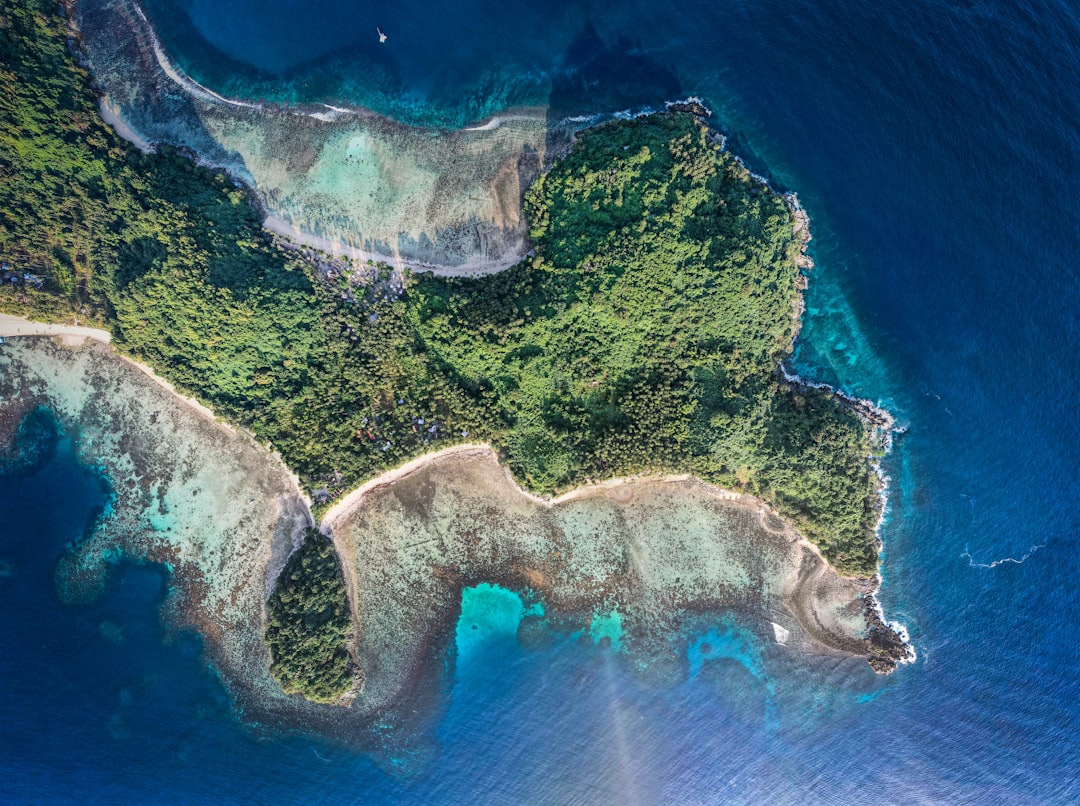
The Marshall Islands, a remote archipelago in the central Pacific Ocean, is a nation composed of 29 atolls and 5 islands, known for their stunning natural beauty and rich cultural heritage. However, this picturesque landscape masks a dark chapter in its history, one that is irrevocably tied to the legacy of nuclear testing. Between 1946 and 1958, the United States conducted 67 nuclear tests in the region, primarily on Bikini and Enewetak Atolls.
These tests were part of a broader Cold War strategy aimed at demonstrating military might and advancing nuclear technology. The consequences of these tests have had profound and lasting effects on the environment, health, and social fabric of the Marshallese people. The nuclear tests not only altered the physical landscape of the islands but also disrupted the lives of the Marshallese inhabitants.
Many were forcibly relocated from their ancestral lands, leading to a disconnection from their cultural roots and traditional ways of life. The fallout from these tests has left a legacy of contamination and health issues that continue to affect generations. As the world reflects on the implications of nuclear warfare, the story of the Marshall Islands serves as a poignant reminder of the human cost associated with such military endeavors.
Key Takeaways
- The Marshall Islands has a history of nuclear testing by the United States, leading to long-lasting environmental and health impacts.
- Nuclear fallout has had devastating effects on the environment and the health of the Marshallese people, leading to ongoing challenges.
- The legal and political fallout of nuclear testing has created complex issues for the Marshall Islands and its people.
- The Marshallese people have been fighting for justice and recognition for the impact of nuclear testing on their lives and land.
- Efforts to clean up and remediate contaminated sites in the Marshall Islands are ongoing, but face significant challenges.
The Environmental and Health Impact of Nuclear Fallout
The environmental impact of nuclear testing in the Marshall Islands is both extensive and alarming. The detonation of nuclear devices released radioactive materials into the atmosphere, which subsequently settled on land and water, contaminating ecosystems and disrupting local wildlife. The soil, water sources, and marine life have all been affected, leading to long-term ecological consequences that are still being studied today.
The once-pristine waters surrounding the islands are now tainted with radioactive isotopes, posing risks not only to local biodiversity but also to the food chain that sustains the Marshallese people. Health-wise, the fallout from nuclear testing has had devastating effects on the population. Many Marshallese individuals have reported a range of health issues, including increased rates of cancer, thyroid disorders, and other chronic illnesses linked to radiation exposure.
The psychological toll of living with these health concerns has also been significant, as families grapple with the uncertainty of their futures and the well-being of their loved ones. The legacy of nuclear testing has created a public health crisis that continues to challenge the Marshall Islands, necessitating ongoing medical support and intervention.
The Legal and Political Fallout of Nuclear Testing
The legal ramifications of nuclear testing in the Marshall Islands are complex and fraught with challenges. In the aftermath of the tests, the United States entered into a Compact of Free Association with the Marshall Islands in 1986, which provided for financial assistance and certain political rights. However, many Marshallese people feel that this agreement has not adequately addressed their grievances or provided sufficient compensation for the damages incurred due to nuclear testing.
Legal battles have ensued over issues of compensation, health care, and environmental remediation, but progress has often been slow and frustrating. Politically, the legacy of nuclear testing has shaped the relationship between the Marshall Islands and the United States. While there have been efforts to foster cooperation and development, underlying tensions remain due to perceived inadequacies in addressing historical injustices.
The Marshallese government continues to advocate for recognition of their plight on international platforms, seeking justice for those affected by nuclear fallout. This ongoing struggle highlights the need for accountability and reparative measures that honor the sacrifices made by the Marshallese people.
The Marshallese People’s Fight for Justice and Recognition
| Metrics | Data |
|---|---|
| Population of Marshallese People | Approximately 78,000 |
| Land Displacement | Due to nuclear testing and rising sea levels |
| Health Impacts | High rates of cancer and other health issues due to nuclear testing |
| Legal Battles | Seeking compensation and recognition for the impact of nuclear testing |
| International Advocacy | Seeking support from global community for justice and recognition |
The fight for justice among the Marshallese people is a testament to their resilience and determination. Over the years, they have organized protests, raised awareness through advocacy groups, and sought legal recourse to demand recognition for their suffering. Their efforts have garnered attention from human rights organizations and international bodies, amplifying their voices on a global stage.
The quest for justice is not merely about financial compensation; it is also about acknowledging the historical wrongs committed against them and ensuring that future generations are not forgotten. In addition to legal battles, cultural preservation has become an integral part of their fight for recognition. The Marshallese people are deeply connected to their land and traditions, which were disrupted by nuclear testing.
Efforts to revive cultural practices, language, and community ties serve as a form of resistance against erasure. By reclaiming their identity and sharing their stories, they seek to educate others about their experiences and ensure that history does not repeat itself.
Efforts to Clean Up and Remediate Contaminated Sites
Efforts to clean up and remediate contaminated sites in the Marshall Islands have been ongoing but fraught with challenges. Various initiatives have been launched to address environmental degradation caused by nuclear testing, including soil decontamination projects and monitoring programs for affected areas. However, these efforts often face logistical hurdles due to limited resources and funding constraints.
The scale of contamination is vast, making comprehensive remediation a daunting task that requires sustained commitment from both local authorities and international partners. International organizations have played a role in supporting cleanup efforts, but many Marshallese people feel that progress has been insufficient. The desire for a thorough cleanup is not just about restoring land; it is also about restoring dignity to a community that has endured decades of neglect.
As they advocate for more robust remediation efforts, they emphasize the importance of involving local voices in decision-making processes to ensure that solutions are culturally appropriate and effective.
The Psychological and Social Impact on the Marshallese Community

The psychological impact of nuclear testing on the Marshallese community cannot be overstated. Generations have lived with the trauma associated with displacement, loss of land, and health issues stemming from radiation exposure. Many individuals experience anxiety, depression, and post-traumatic stress disorder as they navigate the complexities of their reality.
The intergenerational trauma resulting from these experiences has created a ripple effect within families and communities, affecting relationships and social cohesion. Socially, the legacy of nuclear testing has altered traditional ways of life in profound ways. Displacement from ancestral lands has led to a loss of cultural practices tied to specific locations, creating a sense of disconnection among community members.
As they grapple with these changes, many Marshallese people are working to rebuild their social fabric through community initiatives that promote healing and resilience. By fostering connections among individuals who share similar experiences, they aim to create supportive networks that can help mitigate some of the psychological burdens they carry.
The Future of Nuclear Testing and its Impact on the Marshall Islands
As global discussions around nuclear disarmament continue to evolve, concerns about future nuclear testing remain pertinent for the Marshall Islands. The archipelago’s history serves as a cautionary tale about the potential consequences of such actions on vulnerable populations. While international treaties aim to prevent further testing, geopolitical tensions can sometimes overshadow these efforts, raising fears among Marshallese people about being caught in another cycle of nuclear experimentation.
The future impact on the Marshall Islands hinges on both international cooperation and local advocacy. As climate change poses additional threats to island nations through rising sea levels and extreme weather events, it is crucial for global leaders to recognize the interconnectedness of these issues with nuclear policies. The Marshallese people’s experiences can inform broader discussions about environmental justice and human rights in relation to military activities.
International Aid and Support for the Marshall Islands
International aid plays a vital role in supporting the Marshall Islands as it navigates the aftermath of nuclear testing. Various countries and organizations have provided assistance in areas such as healthcare, education, infrastructure development, and environmental remediation. However, many Marshallese people express concerns about the adequacy and sustainability of this support.
They seek not only immediate relief but also long-term partnerships that empower them to rebuild their communities. Efforts to secure international aid often involve advocacy at multiple levels—from grassroots movements to diplomatic negotiations. The Marshallese government actively engages with international bodies to raise awareness about their needs while emphasizing their agency in determining how aid should be utilized.
By fostering collaborative relationships with donor nations, they aim to create solutions that align with their cultural values and aspirations for self-determination.
The Role of the United States in Addressing the Legacy of Nuclear Testing
The United States bears significant responsibility for addressing the legacy of nuclear testing in the Marshall Islands due to its historical role in conducting tests there. While some measures have been taken through financial assistance under the Compact of Free Association, many Marshallese people feel that these efforts fall short of what is necessary for true reparative justice. Calls for increased transparency regarding health studies and environmental assessments reflect a desire for accountability from a nation that has impacted their lives so profoundly.
Moreover, there is an ongoing dialogue about how U.S.-Marshallese relations can evolve beyond mere financial transactions into meaningful partnerships that prioritize healing and reconciliation. Engaging with Marshallese voices in policy discussions can help ensure that future actions are informed by those most affected by past decisions. Acknowledging historical injustices is essential for building trust between nations moving forward.
The Importance of Remembering and Educating Others about the Legacy of Nuclear Fallout
Remembering and educating others about the legacy of nuclear fallout is crucial not only for honoring those who suffered but also for preventing similar tragedies in the future. The stories of the Marshallese people serve as powerful reminders of the human cost associated with military experimentation and environmental degradation. By sharing these narratives through educational programs, documentaries, and public forums, advocates aim to raise awareness about issues related to nuclear testing globally.
Incorporating these lessons into broader discussions about disarmament can foster greater understanding among diverse audiences regarding why such actions matter today. As younger generations learn about this history, they become empowered advocates for change—ensuring that past mistakes are not repeated while promoting peacebuilding efforts worldwide.
Moving Forward and Healing from the Legacy of Nuclear Fallout
Moving forward from the legacy of nuclear fallout requires collective action rooted in empathy, understanding, and commitment to justice. For the Marshallese people, healing involves not only addressing immediate needs but also recognizing their cultural identity as integral to recovery efforts. As they continue advocating for recognition and reparative measures, it is essential for both local communities and international partners to work collaboratively toward sustainable solutions.
Ultimately, acknowledging this painful history can pave pathways toward reconciliation—transforming past injustices into opportunities for growth while fostering resilience within affected communities.
The Marshall Islands have long been a focal point in discussions about nuclear fallout due to the extensive nuclear testing conducted there by the United States during the mid-20th century. These tests have left a lasting impact on the environment and the health of the local population. For those interested in exploring more about the geographical and historical context of the Marshall Islands, a related article can be found on MyGeoQuest. This resource provides valuable insights into the region’s unique challenges and its ongoing recovery efforts. You can read more about it by visiting MyGeoQuest.
FAQs
What is nuclear fallout?
Nuclear fallout refers to the residual radioactive material that is propelled into the upper atmosphere following a nuclear explosion and then falls back to Earth.
What happened in the Marshall Islands related to nuclear fallout?
The Marshall Islands were the site of numerous nuclear tests conducted by the United States between 1946 and 1958, resulting in significant nuclear fallout and long-term environmental and health consequences for the local population.
What are the effects of nuclear fallout on the Marshall Islands?
The effects of nuclear fallout on the Marshall Islands include increased rates of cancer, birth defects, and other health issues among the local population, as well as long-term environmental contamination.
What is being done to address the impact of nuclear fallout on the Marshall Islands?
Efforts are being made to address the impact of nuclear fallout on the Marshall Islands, including ongoing research, advocacy for compensation and healthcare for affected individuals, and environmental remediation efforts.
Is it safe to visit the Marshall Islands given the history of nuclear fallout?
While some areas of the Marshall Islands remain contaminated by nuclear fallout, other parts of the country are considered safe for visitors. It is important to heed local advisories and guidelines when traveling to the Marshall Islands.