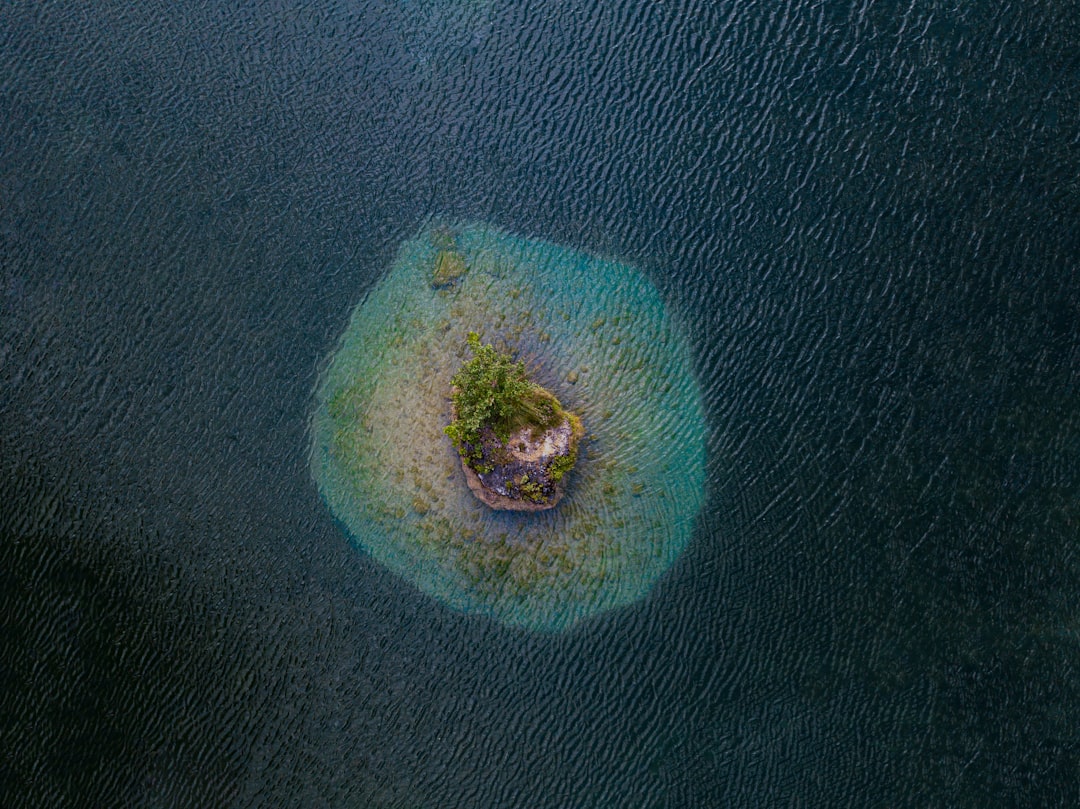
Bikini Atoll, a small group of islands in the Marshall Islands, has a rich and complex history that dates back centuries. Originally inhabited by the Marshallese people, the atoll was known for its lush environment and abundant marine resources. The local population thrived on fishing and agriculture, developing a unique culture that was deeply intertwined with the surrounding ocean.
However, this idyllic existence was dramatically altered in the mid-20th century when the United States government selected Bikini Atoll as a site for nuclear testing. This decision marked the beginning of a tumultuous chapter in the atoll’s history, one that would have lasting repercussions for both the local inhabitants and the environment.
S.
military conducted its first nuclear test at Bikini, known as Operation Crossroads. This operation aimed to assess the effects of nuclear weapons on naval vessels and military equipment. The tests drew international attention and showcased the destructive power of atomic bombs.
The history of Bikini Atoll is not merely a tale of scientific exploration; it is also a narrative of displacement, loss, and resilience that continues to resonate with the Marshallese people today.
Key Takeaways
- Bikini Atoll was the site of nuclear testing by the United States from 1946 to 1958, leading to long-lasting environmental and health impacts.
- The nuclear testing at Bikini Atoll resulted in devastating environmental impacts, including the displacement of residents and the destruction of marine life.
- Lingering radioactivity at Bikini Atoll continues to pose health risks for residents and visitors, making it a hazardous area to inhabit or visit.
- Efforts to clean up Bikini Atoll have been ongoing, but the challenges of addressing the radioactivity and environmental damage remain significant.
- International involvement is crucial in addressing the radioactivity at Bikini Atoll, and ongoing monitoring and research are essential for understanding and mitigating the long-term impacts.
The Nuclear Testing at Bikini Atoll
The nuclear testing at Bikini Atoll consisted of a series of detonations that spanned from 1946 to 1958, with a total of 23 tests conducted in this remote location. Among these tests, the most infamous was the Castle Bravo test in 1954, which was the first dry fuel thermonuclear bomb ever detonated. The explosion yielded an unprecedented force, far exceeding initial predictions, resulting in widespread radioactive contamination across the atoll and beyond.
The fallout from Castle Bravo affected not only the test site but also neighboring islands and even distant territories, highlighting the far-reaching consequences of nuclear experimentation. The tests were shrouded in secrecy, with little regard for the safety and well-being of the displaced Marshallese people. Many residents were not fully informed about the potential dangers associated with radiation exposure, and some were even allowed to return to their homes shortly after tests were conducted.
This lack of transparency and consideration for human life has led to ongoing debates about ethics in scientific research and military operations. The legacy of these tests is a stark reminder of the human cost associated with nuclear advancements and serves as a cautionary tale for future generations.
The Environmental Impact of Nuclear Testing

The environmental impact of nuclear testing at Bikini Atoll has been profound and enduring. The detonation of nuclear devices released vast amounts of radioactive materials into the atmosphere, contaminating soil, water, and marine ecosystems. The immediate aftermath saw significant destruction of the atoll’s natural landscape, with craters left behind as stark reminders of humanity’s capacity for devastation.
Over time, these changes have had cascading effects on local flora and fauna, disrupting ecosystems that had thrived for centuries. In addition to physical destruction, the introduction of radioactive isotopes into the environment has raised serious concerns about long-term ecological health. Studies have shown that certain areas within Bikini Atoll remain contaminated, posing risks to both terrestrial and marine life.
The delicate balance of the ecosystem has been altered, leading to shifts in species composition and abundance. As scientists continue to study these impacts, it becomes increasingly clear that the consequences of nuclear testing extend far beyond immediate destruction; they reverberate through generations, affecting not only human populations but also the intricate web of life that sustains them.
The Lingering Radioactivity at Bikini Atoll
| Year | Radioactivity Level (mSv) | Location |
|---|---|---|
| 1970 | 3.4 | Bikini Island |
| 1985 | 2.1 | Bikini Island |
| 2008 | 1.2 | Bikini Island |
| 2015 | 0.9 | Bikini Island |
Despite decades having passed since the last nuclear test at Bikini Atoll, lingering radioactivity remains a significant concern. The isotopes released during testing have long half-lives, meaning they persist in the environment for extended periods. Areas that were once inhabited by the Marshallese people are still considered unsafe for resettlement due to elevated radiation levels.
Efforts to monitor and assess these levels have been ongoing, but challenges persist in accurately measuring contamination across such a vast and complex landscape. The presence of radioactive materials poses risks not only to human health but also to wildlife that inhabits or migrates through the area. Marine organisms can accumulate radioactive isotopes in their tissues, leading to bioaccumulation up the food chain.
This phenomenon raises alarms about potential impacts on fish populations and other marine life that are integral to both local diets and global ecosystems. As researchers continue to investigate these issues, it becomes increasingly evident that addressing lingering radioactivity is crucial for safeguarding both human health and environmental integrity.
The Health Risks for Residents and Visitors
The health risks associated with nuclear testing at Bikini Atoll extend far beyond immediate exposure during testing periods. For those who were relocated from their homes or who returned prematurely, long-term health consequences have been documented, including increased rates of cancer and other radiation-related illnesses. The Marshallese people have faced significant challenges in accessing healthcare services and receiving adequate support for their health needs, compounding the difficulties stemming from their displacement.
Visitors to Bikini Atoll today also face potential health risks due to residual radioactivity. While tourism has been promoted as a means of generating revenue for the region, concerns about safety remain paramount. Guidelines have been established to minimize exposure during visits, but uncertainties linger regarding the true extent of contamination in various areas.
As awareness grows about the historical significance and ongoing challenges faced by Bikini Atoll, it is essential for both residents and visitors to remain informed about potential health risks associated with this unique yet troubled location.
Efforts to Clean Up Bikini Atoll

In response to the environmental devastation caused by nuclear testing, various cleanup efforts have been initiated over the years. The U.S. government has undertaken several remediation projects aimed at reducing radiation levels and restoring affected areas within Bikini Atoll.
These efforts have included soil removal, containment strategies, and monitoring programs designed to assess ongoing contamination levels. However, challenges persist due to the complexity of the environment and the long-lasting nature of radioactive materials. Despite these efforts, many critics argue that cleanup initiatives have not gone far enough in addressing the full scope of contamination or adequately compensating affected communities.
The Marshallese people continue to advocate for greater recognition of their rights and needs as they navigate the aftermath of nuclear testing. As discussions surrounding cleanup efforts evolve, it is crucial to prioritize collaboration with local communities to ensure that remediation strategies are effective and culturally sensitive.
The Impact on Marine Life
The impact of nuclear testing on marine life around Bikini Atoll has been profound and multifaceted. The detonation of nuclear devices not only released radioactive materials into the ocean but also caused immediate physical destruction to coral reefs and marine habitats. These ecosystems are vital for supporting diverse marine species, including fish populations that are essential for local livelihoods and food security.
Research has shown that certain fish species in contaminated waters exhibit elevated levels of radioactivity, raising concerns about bioaccumulation and potential health risks for those who consume them. Additionally, disruptions to marine ecosystems can lead to shifts in species dynamics, affecting predator-prey relationships and overall biodiversity. As scientists continue to study these impacts, it becomes increasingly clear that addressing the consequences of nuclear testing on marine life is essential for promoting ecological resilience and ensuring sustainable fisheries in the region.
The Cultural and Historical Significance of Bikini Atoll
Bikini Atoll holds immense cultural and historical significance for the Marshallese people. It is not merely a geographical location; it represents a deep connection to their heritage, identity, and way of life. The forced relocation during nuclear testing severed ties between the Marshallese people and their ancestral lands, leading to profound cultural dislocation.
Traditional practices, stories, and customs associated with Bikini have been disrupted or lost altogether. Efforts to preserve this cultural heritage are ongoing as communities seek to reclaim their narratives and honor their history. Initiatives aimed at documenting oral histories, traditional knowledge, and cultural practices are vital for fostering resilience among future generations.
Recognizing Bikini Atoll’s significance as both a site of historical trauma and cultural richness is essential for promoting healing and understanding within both local communities and broader global contexts.
The Future of Bikini Atoll
The future of Bikini Atoll remains uncertain as challenges related to environmental contamination, health risks, and cultural preservation persist. While some areas may eventually become safe for habitation or tourism, others may remain off-limits due to lingering radioactivity. Ongoing monitoring efforts will be crucial in determining when certain regions can be deemed safe for resettlement or recreational activities.
Moreover, as climate change poses additional threats to low-lying island nations like those in the Marshall Islands, discussions surrounding adaptation strategies will become increasingly important. The intersection of environmental degradation caused by nuclear testing with contemporary challenges such as rising sea levels underscores the need for comprehensive approaches that prioritize sustainability and resilience in planning for the future.
International Involvement in Addressing the Radioactivity
International involvement has played a significant role in addressing the legacy of nuclear testing at Bikini Atoll. Various organizations, including non-governmental entities and international agencies, have sought to raise awareness about the ongoing challenges faced by affected communities while advocating for accountability from governments involved in nuclear testing programs. Collaborative efforts aimed at research, monitoring, and remediation have emerged as essential components in addressing radioactivity concerns.
Furthermore, international treaties aimed at preventing nuclear proliferation have underscored the importance of learning from past mistakes associated with nuclear testing. By fostering dialogue among nations regarding disarmament and responsible scientific practices, there is potential for creating a more equitable global framework that prioritizes human rights and environmental protection.
The Importance of Monitoring and Research
Monitoring and research are critical components in understanding the long-term impacts of nuclear testing at Bikini Atoll. Ongoing scientific investigations into radiation levels, ecological health, and human health outcomes are essential for informing policy decisions and remediation strategies. By establishing comprehensive monitoring programs that involve local communities alongside scientific experts, stakeholders can work collaboratively toward sustainable solutions.
Moreover, research initiatives focused on understanding how ecosystems respond to contamination can provide valuable insights into resilience mechanisms within marine environments. As knowledge continues to evolve regarding both historical legacies and contemporary challenges faced by Bikini Atoll, prioritizing monitoring efforts will be crucial for safeguarding public health while promoting ecological integrity in this unique region. In conclusion, Bikini Atoll stands as a poignant symbol of humanity’s complex relationship with nuclear technology—one marked by both scientific ambition and profound ethical dilemmas.
As we reflect on its history and ongoing challenges today, it becomes increasingly clear that addressing these issues requires collective action rooted in respect for cultural heritage while prioritizing environmental sustainability for future generations.
Bikini Atoll, a site of numerous nuclear tests during the mid-20th century, remains a subject of concern due to its lingering radioactivity. The question of how long it will remain radioactive is complex, involving factors such as the half-lives of various isotopes and environmental conditions. For those interested in exploring more about the environmental and historical aspects of nuclear test sites, a related article can be found on MyGeoQuest. This article delves into the broader implications of nuclear testing and its long-term effects on the environment. You can read more about it by visiting this page.
FAQs
What is Bikini Atoll?
Bikini Atoll is a coral reef in the Marshall Islands that was the site of nuclear testing by the United States between 1946 and 1958.
How long will Bikini Atoll be radioactive?
The radioactive contamination at Bikini Atoll is expected to persist for many years, possibly centuries. The long-lived isotopes from the nuclear tests, such as cesium-137 and strontium-90, will continue to emit radiation for a long time.
Is it safe to visit Bikini Atoll?
Bikini Atoll is still considered to be highly radioactive and is not safe for human habitation or long-term visits. The area is under the control of the Marshall Islands government, and access is restricted.
What are the health risks associated with the radiation at Bikini Atoll?
Exposure to the radioactive contamination at Bikini Atoll can increase the risk of cancer, birth defects, and other health issues. The long-term effects of the nuclear testing on the local population and environment are still being studied.
What is being done to clean up Bikini Atoll?
Efforts have been made to decontaminate certain areas of Bikini Atoll, but the scale of the nuclear testing and the persistence of the radioactive isotopes make complete cleanup a significant challenge. The United States has provided financial assistance to the Marshall Islands for environmental monitoring and rehabilitation efforts.