
The mid-20th century marked a pivotal moment in global history, characterized by an intense competition between the United States and the Soviet Union for nuclear supremacy. This race was not merely about military might; it represented a broader ideological struggle between capitalism and communism. As both superpowers sought to establish their dominance, the development and stockpiling of nuclear weapons became a central focus of their national security strategies.
The stakes were extraordinarily high, as the potential for catastrophic destruction loomed over the world, creating an atmosphere of fear and uncertainty. The urgency of this race was fueled by the devastation of World War II and the subsequent realization that nuclear weapons could alter the course of human history. Each nation aimed to outpace the other in technological advancements, leading to a series of tests and developments that would shape international relations for decades.
The quest for nuclear supremacy not only influenced military strategies but also had profound implications for diplomacy, alliances, and global stability. As both powers amassed arsenals capable of annihilating entire populations, the world stood on the brink of an unprecedented era defined by the threat of mutually assured destruction.
Key Takeaways
- The race for nuclear supremacy led to the development of atomic bombs by the United States and the Soviet Union.
- The Manhattan Project was a top-secret research and development project that resulted in the creation of the first atomic bombs.
- The Soviet Union’s secret nuclear program was a response to the United States’ development of atomic bombs and led to a nuclear arms race.
- Espionage played a significant role in the Cold War as both the United States and the Soviet Union sought to uncover each other’s nuclear secrets.
- The Cuban Missile Crisis highlighted the threat of nuclear war and the potential consequences of nuclear proliferation.
The Manhattan Project and the Birth of the Atomic Bomb
The Manhattan Project stands as one of the most significant scientific endeavors in history, marking the United States’ entry into the nuclear age. Initiated in response to fears that Nazi Germany was developing atomic weapons, this top-secret project brought together some of the brightest minds in physics and engineering. Under the leadership of figures like J.
Robert Oppenheimer, scientists worked tirelessly to harness the power of nuclear fission, culminating in the successful detonation of the first atomic bomb in July 1945 at the Trinity test site in New Mexico. The implications of the Manhattan Project were profound and far-reaching. The successful development of the atomic bomb not only provided the United States with a formidable weapon but also altered the dynamics of global power.
In August 1945, the bombings of Hiroshima and Nagasaki demonstrated its devastating potential, leading to Japan’s surrender and effectively ending World War
The Soviet Union’s Secret Nuclear Program
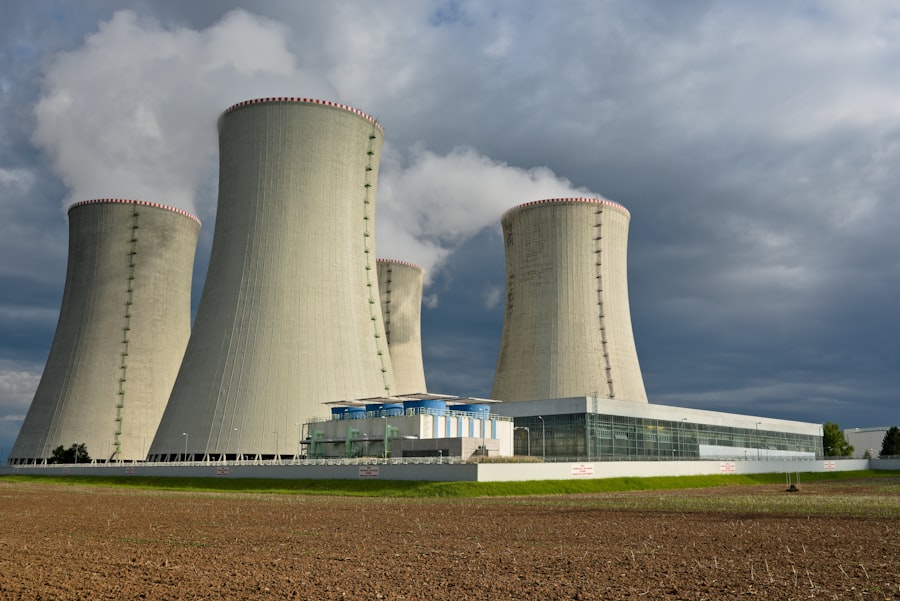
In response to the United States’ successful development of nuclear weapons, the Soviet Union embarked on its own secret nuclear program, determined to achieve parity in this new arena of military power. Spearheaded by physicist Igor Tamm and later by Andrei Sakharov, the Soviet effort was shrouded in secrecy and characterized by a sense of urgency. The Soviet leadership recognized that possessing nuclear capabilities was essential not only for national security but also for asserting its influence on the global stage.
The Soviet program faced numerous challenges, including resource constraints and technological hurdles. However, through a combination of espionage and domestic innovation, they successfully tested their first atomic bomb in 1949, just four years after the United States. This event marked a significant turning point in the Cold War, as it signaled that the balance of power had shifted.
The emergence of a second nuclear power intensified the arms race, leading to an escalation in tensions between East and West as both sides sought to expand their arsenals and develop more advanced delivery systems.
Espionage and the Cold War
| Country | Number of Spies | Number of Espionage Cases |
|---|---|---|
| United States | Unknown | Many |
| Soviet Union | Unknown | Many |
| United Kingdom | Unknown | Many |
Espionage played a crucial role in shaping the dynamics of the Cold War, particularly in relation to nuclear secrets. Both superpowers engaged in extensive intelligence-gathering operations to uncover each other’s capabilities and intentions. The United States relied on various methods, including satellite reconnaissance and human intelligence, to monitor Soviet activities.
Conversely, the Soviets employed their own network of spies to infiltrate American scientific communities and government agencies. One of the most notable espionage cases involved Julius and Ethel Rosenberg, who were convicted of passing atomic secrets to the Soviet Union. Their trial and execution in 1953 highlighted the paranoia surrounding espionage during this period.
The fear that nuclear secrets could fall into enemy hands fueled a culture of suspicion and mistrust, leading to heightened security measures on both sides. As each nation sought to protect its technological advancements while simultaneously attempting to gain an advantage over its rival, espionage became an integral part of Cold War strategy.
The Cuban Missile Crisis and the Threat of Nuclear War
The Cuban Missile Crisis of October 1962 stands as one of the most critical moments in Cold War history, bringing the world perilously close to nuclear war. When American reconnaissance flights revealed that the Soviet Union was installing nuclear missiles in Cuba, tensions escalated rapidly. President John F. Kennedy faced an unprecedented challenge as he sought to navigate this volatile situation while avoiding a direct military confrontation that could lead to catastrophic consequences. The crisis underscored the precarious nature of nuclear diplomacy and highlighted the importance of communication between superpowers. In a tense standoff that lasted for thirteen days, both sides engaged in negotiations while preparing for potential military action. Ultimately, a resolution was reached when Soviet Premier Nikita Khrushchev agreed to dismantle the missile sites in exchange for a U.S. commitment not to invade Cuba and a secret agreement to remove American missiles from Turkey. This episode served as a stark reminder of how close humanity had come to annihilation and prompted subsequent efforts to establish mechanisms for crisis management and arms control.
Declassification and the Release of Cold War Nuclear Secrets
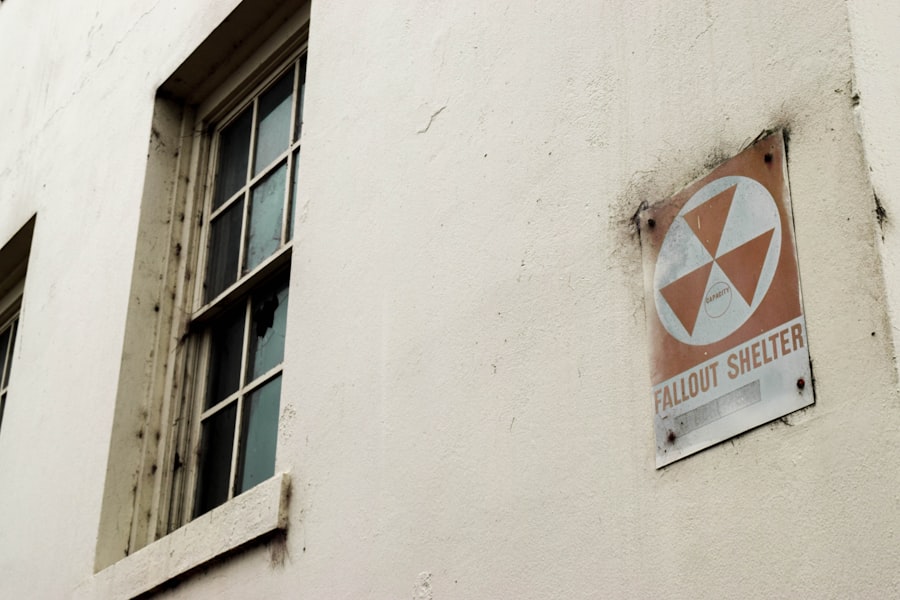
As time passed, many Cold War-era documents related to nuclear weapons programs were declassified, shedding light on previously hidden aspects of this tumultuous period. The release of these secrets provided historians and scholars with invaluable insights into decision-making processes, technological advancements, and diplomatic negotiations that shaped global politics during the Cold War. This newfound transparency allowed for a more nuanced understanding of how fear and ideology influenced actions on both sides.
Declassification efforts also sparked public interest in understanding the complexities surrounding nuclear weapons development. Documentaries, books, and academic studies emerged, exploring themes such as ethical considerations, scientific responsibility, and international relations during this era. By examining these secrets, society could reflect on past mistakes while considering how they might inform contemporary discussions about nuclear proliferation and disarmament.
The Role of Double Agents in Uncovering Nuclear Secrets
Double agents played a pivotal role in uncovering nuclear secrets during the Cold War, often operating at great personal risk. These individuals navigated complex loyalties as they provided critical information to one side while maintaining their cover with another. Their actions had far-reaching implications for intelligence operations and national security strategies.
One notable example is Kim Philby, a British intelligence officer who was later revealed to be a Soviet spy. Philby’s infiltration into Western intelligence circles allowed him to relay sensitive information about nuclear capabilities back to Moscow.
The existence of double agents underscored the intricate web of espionage that characterized this era and highlighted how easily information could be manipulated or misused.
The Legacy of Cold War Nuclear Secrets
The legacy of Cold War nuclear secrets continues to resonate today as nations grapple with issues related to disarmament and non-proliferation. The revelations from this period have shaped contemporary policies aimed at preventing the spread of nuclear weapons and fostering international cooperation on security matters. Understanding how past decisions were made can inform current debates about arms control agreements and diplomatic strategies.
Moreover, these secrets serve as cautionary tales about the dangers inherent in unchecked military ambition and ideological extremism. As nations reflect on their histories, they are reminded of the importance of transparency, dialogue, and mutual understanding in addressing global security challenges. The lessons learned from uncovering Cold War nuclear secrets remain relevant as policymakers navigate an increasingly complex international landscape.
The Impact of Nuclear Proliferation on Global Politics
Nuclear proliferation has had profound implications for global politics since the end of the Cold War. As more nations acquire nuclear capabilities, concerns about regional stability and security have intensified. The potential for conflict increases when multiple states possess such destructive power, leading to heightened tensions and an arms race among rival nations.
Furthermore, non-state actors’ interest in acquiring nuclear materials poses additional challenges for international security. The threat posed by terrorist organizations seeking to obtain or develop nuclear weapons has prompted governments worldwide to strengthen their counter-proliferation efforts. As nations grapple with these evolving threats, they must balance national security interests with diplomatic engagement aimed at preventing further proliferation.
The Continued Threat of Nuclear Weapons in the Modern Era
Despite significant strides toward disarmament since the Cold War’s conclusion, nuclear weapons remain a pressing concern in today’s geopolitical landscape. Nations like North Korea have pursued aggressive nuclear programs despite international sanctions and diplomatic efforts aimed at curbing their ambitions. Additionally, tensions between established nuclear powers continue to simmer, raising fears that miscalculations could lead to catastrophic consequences.
The modern era has also seen advancements in technology that complicate traditional notions of deterrence and security. Cyber warfare capabilities can undermine confidence in nuclear arsenals while creating new vulnerabilities that adversaries may exploit. As such, addressing these contemporary challenges requires innovative approaches that prioritize diplomacy alongside robust defense strategies.
Lessons Learned from Uncovering Cold War Nuclear Secrets
The process of uncovering Cold War nuclear secrets has yielded valuable lessons that continue to inform contemporary discussions about security and diplomacy. One key takeaway is the importance of transparency in fostering trust among nations. By sharing information about nuclear capabilities and intentions, countries can reduce misunderstandings that may lead to conflict.
Additionally, historical analysis reveals that effective communication channels are essential for crisis management during times of heightened tension. Establishing mechanisms for dialogue can help prevent escalation while promoting cooperation on shared security concerns. Ultimately, reflecting on past experiences allows policymakers to navigate current challenges with greater awareness and foresight.
In conclusion, understanding the complexities surrounding nuclear supremacy during the Cold War provides critical insights into contemporary global politics. As nations continue to grapple with issues related to proliferation and disarmament, lessons learned from this tumultuous period remain relevant today—serving as reminders of both humanity’s capacity for destruction and its potential for cooperation in pursuit of peace.
In the shadowy world of Cold War espionage, the exchange and protection of nuclear secrets played a pivotal role in shaping global politics. An intriguing article that delves into the clandestine operations and the high-stakes game of intelligence during this era can be found on MyGeoQuest. This piece provides a comprehensive overview of how nuclear secrets were safeguarded and sometimes compromised, influencing the delicate balance of power between superpowers. For a deeper understanding of these historical events, you can explore the article by visiting this link.
FAQs
What were the Cold War nuclear secrets?
During the Cold War, both the United States and the Soviet Union engaged in a nuclear arms race, developing and stockpiling nuclear weapons. The Cold War nuclear secrets refer to the classified information and technologies related to the development, testing, and deployment of nuclear weapons during this period.
What were some of the key nuclear secrets of the Cold War?
Some of the key nuclear secrets of the Cold War included the design and construction of nuclear warheads, the development of delivery systems such as intercontinental ballistic missiles (ICBMs) and strategic bombers, as well as the locations of nuclear facilities and storage sites.
How were these nuclear secrets protected?
Both the United States and the Soviet Union implemented strict security measures to protect their nuclear secrets. This included compartmentalization of information, background checks for personnel with access to sensitive information, physical security measures at nuclear facilities, and the use of encryption and other technologies to safeguard classified data.
What were the consequences of nuclear secrets being leaked during the Cold War?
The leaking of nuclear secrets during the Cold War could have potentially led to a number of serious consequences, including an escalation of the arms race, increased tensions between the superpowers, and the potential for nuclear proliferation to other countries or non-state actors.
Have any Cold War nuclear secrets been declassified?
Since the end of the Cold War, some nuclear secrets have been declassified by both the United States and Russia. This has allowed for a better understanding of the history and technology of nuclear weapons, as well as increased transparency regarding the actions and policies of both countries during the Cold War.