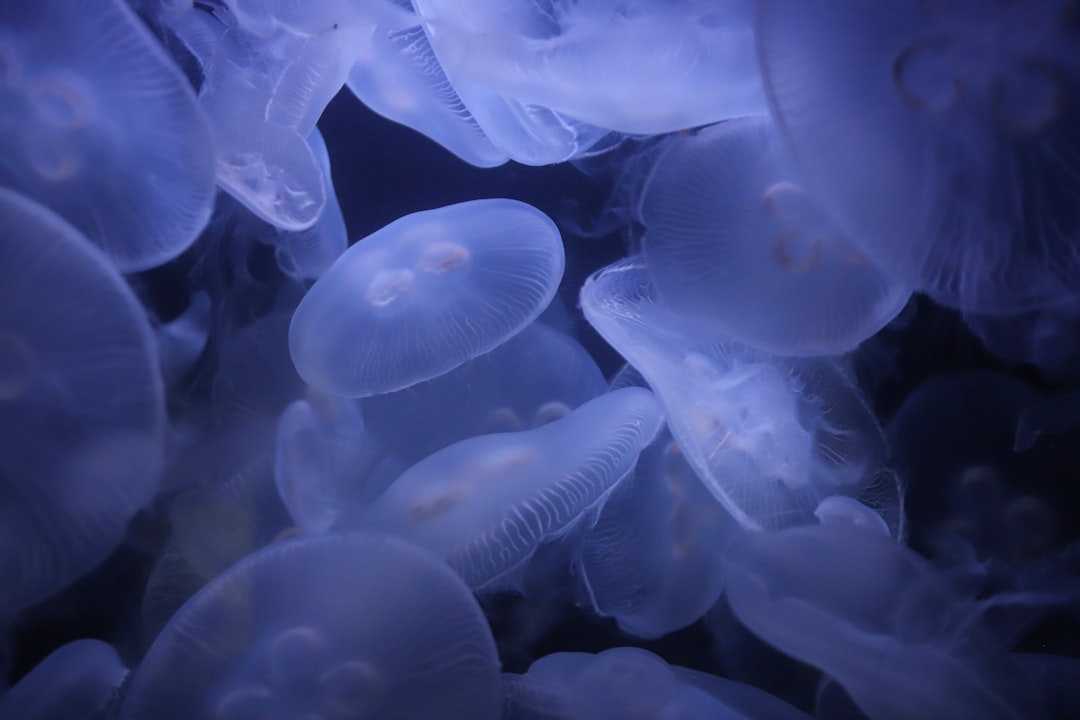
The nuclear crater, a remnant of humanity’s most powerful experiments with atomic energy, stands as a stark reminder of both the potential and peril of nuclear technology. Formed by the detonation of nuclear devices, these craters are often located in remote areas, where the landscape has been irrevocably altered. The sheer scale of these craters can be awe-inspiring, with their deep, bowl-like structures often filled with water, creating unique environments that are both fascinating and foreboding.
The juxtaposition of destruction and the possibility of new life forms in these craters presents a compelling narrative about resilience and adaptation in the face of adversity. As scientists and researchers delve into the depths of these nuclear craters, they uncover a world that is both alien and familiar. The aftermath of nuclear testing has led to the creation of ecosystems that thrive in conditions that would be inhospitable elsewhere.
This article aims to explore the unique characteristics of these ecosystems, the impact of radiation on underwater life, and the ongoing efforts to study and conserve these remarkable environments. Through this exploration, one can gain a deeper understanding of how life persists even in the most challenging circumstances.
Key Takeaways
- The Nuclear Crater is a unique and fascinating underwater ecosystem with a rich diversity of flora and fauna.
- The impact of nuclear radiation on underwater life in the crater has led to the evolution of unique adaptations in the species that inhabit it.
- Scientists play a crucial role in studying the nuclear crater and uncovering the mysteries of its ecosystem.
- Conservation efforts are essential to protect the underwater life in the crater and preserve its delicate balance.
- The exploration of the nuclear crater presents both challenges and opportunities for understanding and preserving underwater environments.
The Unique Ecosystem of the Nuclear Crater
The ecosystem within a nuclear crater is unlike any other on Earth. The initial devastation caused by the explosion creates a barren landscape, but over time, nature begins to reclaim its territory. Water collects in the crater, forming a lake or pond that becomes a focal point for life.
This water body, often rich in minerals and nutrients released from the surrounding soil, fosters a unique blend of flora and fauna that have adapted to the specific conditions created by radiation exposure. Microbial life is often the first to colonize these environments, establishing a foundation for more complex organisms. These microorganisms play a crucial role in nutrient cycling and can survive in extreme conditions, including high levels of radiation.
As time progresses, larger organisms such as algae and aquatic plants begin to flourish, creating a vibrant underwater habitat. The interplay between these various life forms contributes to a delicate balance that defines the ecosystem within the nuclear crater.
The Impact of Nuclear Radiation on Underwater Life
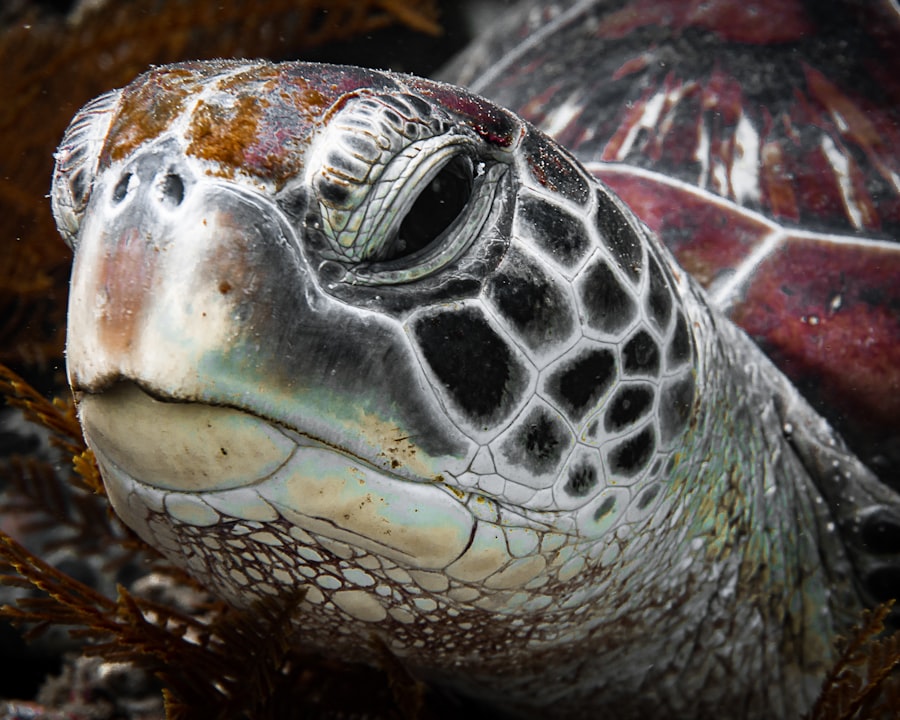
Nuclear radiation has profound effects on living organisms, particularly in aquatic environments. In the context of a nuclear crater, radiation can influence genetic mutations, reproductive rates, and overall biodiversity. While high levels of radiation are typically lethal to most forms of life, certain species have developed remarkable resilience.
These adaptations allow them to thrive in environments where others cannot survive. Research has shown that some aquatic organisms exhibit increased mutation rates due to exposure to radiation. While this may seem detrimental at first glance, it can also lead to greater genetic diversity within populations.
This diversity can enhance the ability of species to adapt to changing environmental conditions, potentially leading to new evolutionary pathways. Understanding these dynamics is crucial for scientists studying the long-term effects of radiation on ecosystems.
Exploring the Flora and Fauna of the Crater
| Flora and Fauna | Number of Species | Observation Frequency |
|---|---|---|
| Flowering Plants | 120 | Regular |
| Butterflies | 40 | Seasonal |
| Birds | 80 | Year-round |
| Reptiles | 30 | Occasional |
The flora and fauna inhabiting nuclear craters present an intriguing case study for biologists and ecologists alike. The unique conditions fostered by radiation exposure have led to the emergence of species that are not only resilient but also exhibit unusual characteristics. For instance, certain plants may develop thicker leaves or altered growth patterns as a response to their environment, while aquatic animals might display variations in coloration or size.
Among the most fascinating aspects of these ecosystems is the presence of extremophiles—organisms that thrive in extreme conditions. These include specific types of bacteria and algae that can withstand high levels of radiation and toxic substances. Their existence challenges traditional notions of biological limits and opens up new avenues for research into biotechnology and environmental science.
By studying these organisms, scientists can gain insights into potential applications for human health and industry.
Uncovering the Adaptations of Underwater Species
The adaptations observed in underwater species within nuclear craters are a testament to nature’s ingenuity. Many organisms have developed specialized mechanisms to cope with the challenges posed by their environment.
Additionally, behavioral adaptations play a significant role in survival. Certain species may alter their feeding habits or reproductive strategies in response to environmental stressors associated with radiation exposure. These changes not only ensure their survival but also contribute to the overall stability of the ecosystem.
By examining these adaptations, researchers can better understand how life can persist even in seemingly inhospitable conditions.
The Role of Scientists in Studying the Nuclear Crater
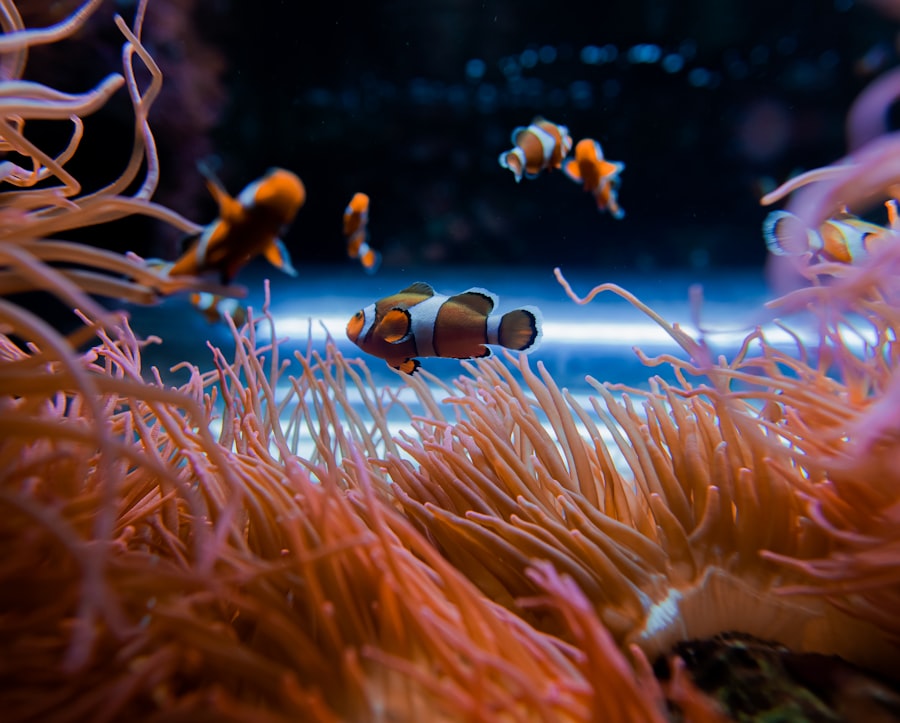
Scientists play a pivotal role in unraveling the mysteries of nuclear craters and their ecosystems. Through rigorous research and exploration, they seek to understand the complex interactions between radiation, environmental factors, and biological responses. This work often involves interdisciplinary collaboration among ecologists, biologists, chemists, and physicists who bring diverse expertise to the table.
Field studies are essential for gathering data on species composition, population dynamics, and ecological interactions within these unique environments.
By documenting their findings, scientists contribute valuable knowledge that can inform conservation efforts and policy decisions regarding nuclear sites.
Conservation Efforts to Protect Underwater Life in the Crater
As awareness grows about the ecological significance of nuclear craters, conservation efforts are becoming increasingly important. Protecting these unique ecosystems requires a multifaceted approach that includes habitat preservation, pollution control, and public education. Organizations dedicated to environmental conservation are working alongside scientists to develop strategies aimed at safeguarding underwater life from further degradation.
One key aspect of conservation is monitoring radiation levels and their impact on aquatic organisms. By establishing baseline data and ongoing assessments, researchers can identify trends and potential threats to biodiversity within these craters. Additionally, community engagement plays a vital role in raising awareness about the importance of preserving these environments for future generations.
The Future of the Nuclear Crater Ecosystem
The future of nuclear crater ecosystems remains uncertain as they continue to evolve in response to both natural processes and human influence. Climate change poses an additional challenge, potentially altering water levels and temperatures within these craters. As scientists continue their research, they strive to predict how these factors may impact biodiversity and ecosystem stability.
Moreover, ongoing discussions about nuclear energy and waste management highlight the need for responsible stewardship of these sites. Ensuring that future generations can learn from and appreciate these unique ecosystems will require concerted efforts from policymakers, scientists, and conservationists alike. By fostering a sense of responsibility towards these environments, society can work towards a sustainable future that honors both scientific inquiry and ecological preservation.
The Importance of Preserving Underwater Environments
Preserving underwater environments is crucial not only for maintaining biodiversity but also for understanding broader ecological principles. The unique conditions found in nuclear craters provide valuable insights into how life adapts under extreme circumstances. These lessons can inform conservation strategies for other vulnerable ecosystems around the world.
Furthermore, underwater environments play a vital role in regulating global climate systems and supporting human livelihoods through fisheries and tourism. Protecting these habitats ensures that they continue to provide essential services while also serving as living laboratories for scientific research. The interconnectedness of all ecosystems underscores the importance of prioritizing conservation efforts across diverse landscapes.
Challenges and Opportunities of Underwater Exploration in the Nuclear Crater
Exploring underwater environments within nuclear craters presents both challenges and opportunities for researchers. Accessing these remote locations often requires specialized equipment and expertise due to safety concerns related to radiation exposure. However, advancements in technology have made it increasingly feasible for scientists to conduct thorough investigations while minimizing risks.
The potential discoveries awaiting exploration are immense; each dive into these waters could yield new species or previously unknown ecological interactions. As researchers continue to push boundaries in underwater exploration, they contribute not only to scientific knowledge but also to public awareness about the importance of preserving these unique ecosystems.
Reflecting on the Wonders of Underwater Life in the Nuclear Crater
In conclusion, the underwater life within nuclear craters serves as a powerful reminder of nature’s resilience amidst adversity. These unique ecosystems challenge conventional notions about survival and adaptation while offering valuable insights into ecological processes. As scientists work diligently to study and protect these environments, they illuminate the intricate connections between radiation exposure, biodiversity, and ecosystem health.
The ongoing exploration of nuclear craters underscores humanity’s responsibility to safeguard our planet’s diverse habitats for future generations. By fostering an appreciation for these remarkable ecosystems, society can cultivate a deeper understanding of our interconnectedness with nature—a vital step towards ensuring a sustainable future for all living beings on Earth.
In exploring the fascinating topic of underwater life in nuclear craters, one might find it intriguing to delve into related discussions about unique geological formations and their ecosystems. An article that complements this subject is available on MyGeoQuest, which provides insights into various geological phenomena and their environmental impacts. For those interested in expanding their understanding of how such extraordinary environments support diverse life forms, you can read more about it by visiting this article on MyGeoQuest. This resource offers a broader perspective on how life adapts and thrives in seemingly inhospitable conditions, much like those found in nuclear craters.
FAQs
What is the nuclear crater and where is it located?
The nuclear crater, also known as the “Bikini Atoll” crater, is located in the Pacific Ocean and was formed by nuclear bomb testing by the United States in the 1940s and 1950s.
What is the current state of underwater life in the nuclear crater?
Despite the nuclear testing, the underwater life in the Bikini Atoll crater has thrived and is now home to a diverse range of marine species, including fish, sharks, and coral reefs.
Is it safe to dive or explore the underwater life in the nuclear crater?
While the radiation levels in the Bikini Atoll crater are still higher than normal, it is considered safe for divers and explorers to visit the area for short periods of time. However, caution and adherence to safety guidelines are recommended.
What measures are in place to protect the underwater life in the nuclear crater?
The Bikini Atoll crater is now a protected marine area, and measures are in place to monitor and preserve the underwater ecosystem. This includes restrictions on fishing and diving activities to minimize human impact on the environment.
What can visitors expect to see when exploring the underwater life in the nuclear crater?
Visitors to the Bikini Atoll crater can expect to see an abundance of marine life, including colorful coral reefs, schools of fish, and even larger species such as sharks and rays. The unique environment created by the nuclear testing has led to the development of a one-of-a-kind underwater ecosystem.