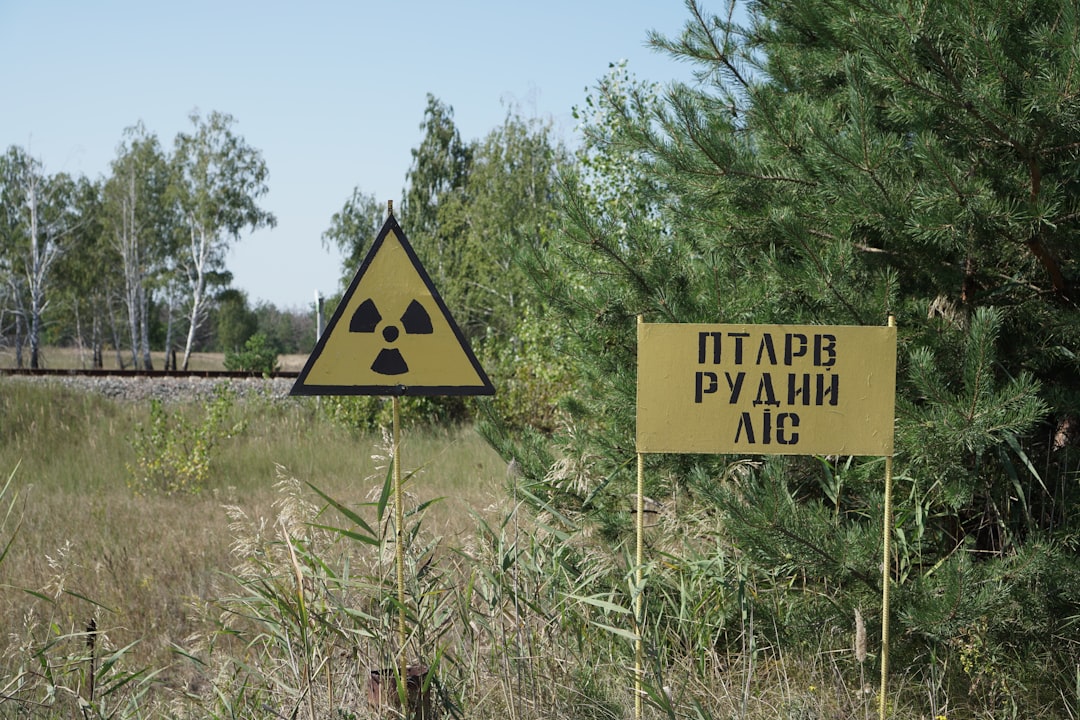
The Atomic Age, a term that encapsulates the period following the discovery of nuclear fission, marked a significant turning point in human history. This era began in the mid-20th century, particularly after the United States dropped atomic bombs on Hiroshima and Nagasaki in 1945, which not only ended World War II but also ushered in a new age of scientific exploration and geopolitical tension. The harnessing of atomic energy promised unprecedented advancements in technology and medicine, yet it also introduced profound ethical dilemmas and existential threats.
As nations raced to develop their nuclear capabilities, the world found itself at a crossroads, grappling with the dual-edged sword of scientific progress. The implications of the Atomic Age extended far beyond military applications. It sparked a wave of innovation in various fields, including energy production, medicine, and even agriculture.
However, the shadow of destruction loomed large, as the potential for catastrophic consequences became increasingly apparent. The dichotomy of nuclear energy as both a source of power and a weapon of mass destruction created a complex narrative that continues to shape global politics and societal attitudes toward science and technology. As humanity ventured deeper into this new frontier, the consequences of its actions would unfold in ways that were both anticipated and unforeseen.
Key Takeaways
- The Atomic Age marked a significant shift in global power dynamics and technological advancements.
- Nuclear testing has had severe environmental impacts, including soil and water contamination.
- Radiation exposure can lead to various health effects, including cancer and genetic mutations.
- Nuclear accidents and disasters, such as Chernobyl and Fukushima, have had long-lasting consequences on the environment and public health.
- The Arms Race and Cold War tensions led to a global climate of fear and uncertainty, shaping international relations for decades.
Environmental Impact of Nuclear Testing
The environmental repercussions of nuclear testing have been profound and far-reaching. Beginning in the late 1940s and continuing through the Cold War, numerous countries conducted atmospheric tests that released vast amounts of radioactive materials into the atmosphere. These tests not only contaminated the immediate vicinity but also had global implications, as radioactive particles traveled long distances, affecting ecosystems and human populations far from the test sites.
The fallout from these tests has been linked to long-term ecological damage, including soil degradation, water contamination, and harm to wildlife. In addition to direct contamination, nuclear testing has altered landscapes in ways that are still being studied today. The detonation of nuclear devices created craters and altered geological formations, leading to changes in local ecosystems.
Areas that were once vibrant with flora and fauna became desolate wastelands, struggling to recover from the shock of radiation exposure. The long-term effects on biodiversity are still being assessed, as scientists work to understand how these changes have impacted species survival and ecosystem health over decades.
Health Effects of Radiation Exposure
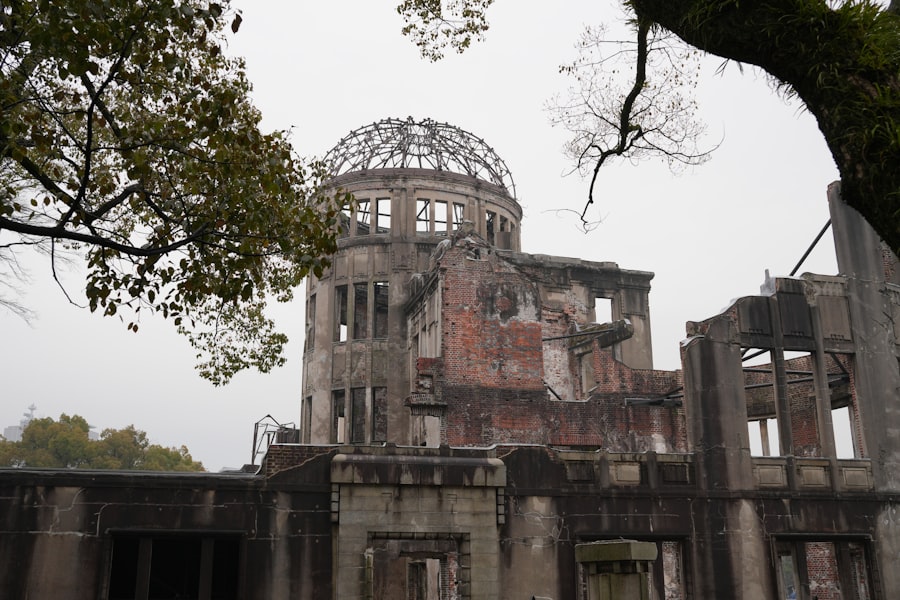
The health effects of radiation exposure due to nuclear testing and accidents have been a significant concern for scientists and public health officials alike. Individuals living near test sites or affected by fallout have experienced a range of health issues, including increased rates of cancer, genetic mutations, and other chronic illnesses. Studies have shown that populations exposed to high levels of radiation are at a greater risk for developing various forms of cancer, particularly thyroid cancer and leukemia.
The psychological impact of living under the threat of radiation exposure has also been profound, leading to anxiety and stress-related disorders. Moreover, the effects of radiation are not limited to immediate exposure; they can manifest across generations. Research has indicated that children born to parents who were exposed to radiation may face higher risks of congenital disabilities and other health complications.
This intergenerational impact raises ethical questions about the responsibilities of governments and military organizations in conducting nuclear tests without fully understanding or disclosing the potential health risks involved. As awareness grows about these health effects, calls for accountability and transparency have intensified.
Nuclear Accidents and Disasters
| Accident/Disaster | Location | Date | Severity |
|---|---|---|---|
| Chernobyl disaster | Chernobyl, Ukraine | April 26, 1986 | Level 7 (Major accident) |
| Fukushima Daiichi nuclear disaster | Fukushima, Japan | March 11, 2011 | Level 7 (Major accident) |
| Three Mile Island accident | Pennsylvania, United States | March 28, 1979 | Level 5 (Accident with wider consequences) |
Nuclear accidents have underscored the inherent risks associated with nuclear power and weapons development. Notable incidents such as the Three Mile Island accident in 1979, Chernobyl disaster in 1986, and Fukushima Daiichi disaster in 2011 serve as stark reminders of the potential for catastrophic failure. Each incident revealed vulnerabilities in safety protocols and regulatory oversight, leading to widespread public fear and skepticism regarding nuclear energy.
The aftermath of these disasters has prompted extensive investigations into safety measures and emergency response strategies. The Chernobyl disaster remains one of the most significant nuclear accidents in history, resulting in immediate loss of life and long-term health consequences for thousands. The explosion released massive amounts of radioactive material into the atmosphere, leading to widespread contamination across Europe.
The evacuation of nearby communities was just the beginning; decades later, the region remains largely uninhabitable due to lingering radiation. Similarly, the Fukushima disaster highlighted the vulnerabilities of nuclear plants to natural disasters, raising questions about the sustainability of nuclear energy in an era marked by climate change and extreme weather events.
The Arms Race and Cold War Tensions
The Atomic Age was characterized by an intense arms race between superpowers, particularly during the Cold War. The United States and the Soviet Union engaged in a relentless competition to develop more advanced nuclear arsenals, leading to an unprecedented stockpiling of weapons capable of mass destruction. This arms race not only heightened tensions between these two nations but also instilled fear across the globe as countries grappled with the potential for nuclear conflict.
The doctrine of Mutually Assured Destruction (MAD) became a cornerstone of military strategy, where both sides recognized that any nuclear attack would result in catastrophic retaliation. The psychological impact of living under the threat of nuclear war permeated society during this period.
Films, literature, and art from this era often reflected themes of dystopia and existential dread, capturing the pervasive sense that humanity was teetering on the brink of annihilation. As nations continued to amass nuclear weapons, calls for disarmament grew louder, highlighting the urgent need for dialogue and cooperation to prevent catastrophic outcomes.
Cultural and Social Impact of the Atomic Age
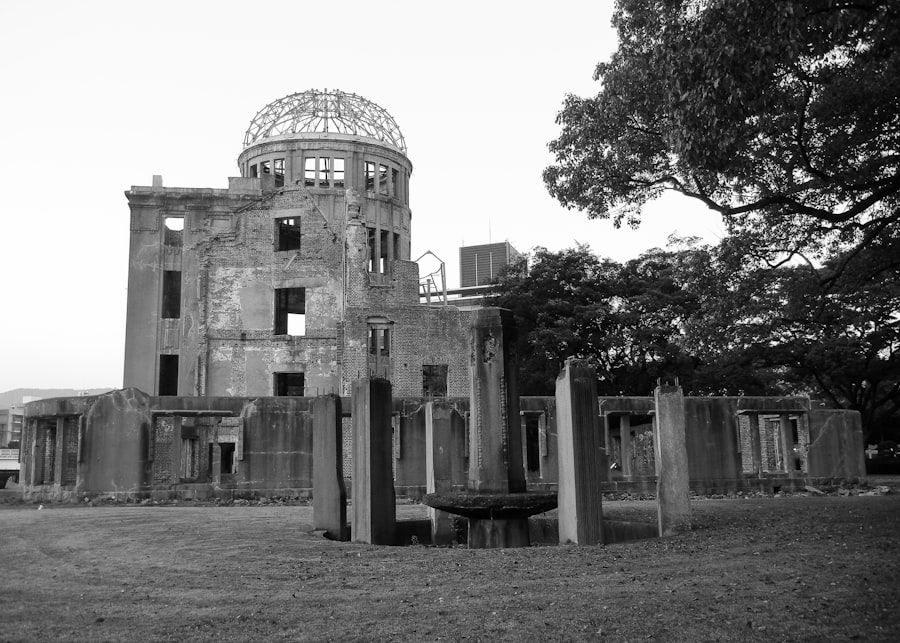
The cultural landscape during the Atomic Age was profoundly influenced by the advent of nuclear technology. Artists, writers, and filmmakers grappled with themes related to atomic power, often reflecting societal anxieties about technology’s role in shaping human destiny. The imagery associated with nuclear explosions became iconic, symbolizing both destruction and a new era of scientific achievement.
Works such as “Dr. Strangelove” and “On the Beach” captured public sentiment about the potential consequences of nuclear warfare while also critiquing political ideologies that prioritized military might over human welfare. Social movements emerged in response to the threats posed by nuclear weapons testing and proliferation.
Activists rallied for peace and disarmament, organizing protests and campaigns aimed at raising awareness about the dangers associated with nuclear technology. The anti-nuclear movement gained momentum throughout the 1980s, culminating in significant events such as the 1986 protests against nuclear weapons in New York City. These movements not only sought to address immediate concerns but also aimed to foster a broader dialogue about ethics in science and technology.
Legacy of Nuclear Weapons Testing
The legacy of nuclear weapons testing is one marked by both technological advancement and profound ethical dilemmas. While nations have benefited from advancements in medical imaging techniques and cancer treatments derived from nuclear research, they have also grappled with the moral implications of their actions. The scars left by testing—both physical and psychological—continue to affect communities around the world.
Many regions remain contaminated by radioactive materials, impacting agriculture, water supplies, and public health. Furthermore, the legacy extends beyond environmental concerns; it encompasses issues related to justice for affected populations. Indigenous communities near test sites often bear the brunt of contamination without adequate compensation or recognition from governments responsible for their plight.
As awareness grows about these injustices, there is an increasing call for reparative measures that acknowledge past wrongs while working toward a more equitable future.
Nuclear Non-Proliferation and Arms Control
In response to the dangers posed by nuclear weapons proliferation, international efforts have been made to establish frameworks for non-proliferation and arms control. The Treaty on the Non-Proliferation of Nuclear Weapons (NPT), established in 1968, aimed to prevent the spread of nuclear weapons while promoting peaceful uses of nuclear energy. This treaty has become a cornerstone of global security policy; however, its effectiveness has been challenged by geopolitical tensions and non-signatory states pursuing their own nuclear ambitions.
Efforts toward disarmament have faced significant obstacles as nations grapple with national security concerns while balancing international obligations. Diplomatic negotiations often stall amid rising tensions between nuclear-armed states, highlighting the complexities inherent in achieving meaningful arms control agreements. Nevertheless, ongoing dialogues continue to emphasize the importance of cooperation among nations to mitigate risks associated with nuclear proliferation while fostering a safer global environment.
The Chernobyl and Fukushima Disasters
The Chernobyl disaster remains etched in history as one of the most catastrophic events involving nuclear power generation. On April 26, 1986, a reactor at the Chernobyl Nuclear Power Plant exploded during a safety test gone wrong, releasing vast quantities of radioactive material into the atmosphere. The immediate response was chaotic; firefighters battled flames without adequate protective gear while nearby residents were not promptly evacuated from contaminated areas.
The long-term consequences have been devastating—thousands suffered from radiation-related illnesses, while entire regions became ghost towns due to contamination. Similarly, the Fukushima disaster in March 2011 highlighted vulnerabilities within modern nuclear infrastructure when a massive earthquake triggered a tsunami that disabled cooling systems at the Fukushima Daiichi Nuclear Power Plant. This incident led to meltdowns in three reactors and significant releases of radioactive materials into the environment.
The aftermath prompted widespread evacuations and raised questions about safety protocols for aging reactors worldwide. Both disasters serve as stark reminders that even advanced technology can fail catastrophically under certain conditions.
The Long-Term Effects of Nuclear Fallout
The long-term effects of nuclear fallout extend far beyond immediate health concerns; they encompass environmental degradation, social disruption, and psychological trauma experienced by affected communities. Areas contaminated by radioactive materials often face challenges related to land use restrictions, economic decline due to loss of agricultural productivity, and ongoing health monitoring for residents exposed to radiation. These challenges can persist for generations as communities struggle with uncertainty about their future.
Moreover, psychological impacts cannot be overlooked; individuals living in contaminated areas may experience anxiety related to their health or fear regarding potential future disasters. The stigma associated with living near former test sites or accident zones can lead to social isolation and economic hardship as residents grapple with both physical and emotional scars left by these events. Addressing these long-term effects requires comprehensive support systems that prioritize community resilience while acknowledging historical injustices faced by affected populations.
The Future of Nuclear Power and Weapons
As humanity looks toward an uncertain future shaped by climate change and energy demands, discussions surrounding nuclear power’s role are becoming increasingly relevant.
Balancing energy needs with safety considerations will be crucial as nations navigate this complex landscape.
Simultaneously, discussions about nuclear weapons continue to evolve amid shifting geopolitical dynamics. While some nations pursue disarmament initiatives aimed at reducing arsenals globally, others remain steadfast in maintaining or expanding their capabilities due to perceived threats from rival states. The challenge lies not only in addressing existing stockpiles but also in preventing new nations from acquiring nuclear weapons technology—a task that requires international cooperation grounded in trust-building measures.
In conclusion, navigating the legacy left by the Atomic Age necessitates a multifaceted approach that considers environmental impacts alongside ethical considerations surrounding human health and safety. As society grapples with these complex issues moving forward—whether through advancements in energy production or efforts toward disarmament—understanding history will be essential for shaping a safer future free from the specter of nuclear catastrophe.
The atomic age has ushered in a new era of technological advancement and geopolitical tension, fundamentally altering the course of history. A related article that delves into the broader implications of this era can be found on MyGeoQuest. This article explores the environmental and societal impacts of nuclear technology, providing a comprehensive overview of how the atomic age has shaped modern civilization. For more insights, you can read the full article by visiting this link.
FAQs
What are the consequences of the atomic age?
The consequences of the atomic age include the development and use of nuclear weapons, the proliferation of nuclear technology, and the potential for nuclear accidents and disasters.
How have nuclear weapons affected international relations?
The existence of nuclear weapons has led to a state of mutual deterrence between nuclear-armed nations, as well as arms control agreements and non-proliferation efforts.
What are the environmental impacts of nuclear technology?
Nuclear technology has the potential for environmental impacts, including the generation of radioactive waste and the risk of nuclear accidents, such as the Chernobyl and Fukushima disasters.
What are the health effects of exposure to nuclear radiation?
Exposure to nuclear radiation can have serious health effects, including an increased risk of cancer, genetic mutations, and other long-term health problems.
How has the atomic age influenced energy production?
The atomic age has led to the development of nuclear power as a source of energy, which has both benefits and risks, including concerns about nuclear accidents and the disposal of radioactive waste.