
Radioactive contamination in the ocean represents a significant environmental concern that has garnered increasing attention over the years. The vastness of the world’s oceans, covering more than 70% of the Earth’s surface, serves as a critical habitat for countless marine species and plays a vital role in global climate regulation. However, the introduction of radioactive materials into these waters poses a threat not only to marine ecosystems but also to human health and safety.
As the oceans absorb pollutants from various sources, understanding the implications of radioactive contamination becomes essential for both environmental stewardship and public health. The issue of radioactive contamination is multifaceted, involving complex interactions between natural processes and human activities. From nuclear power generation to medical waste disposal, the pathways through which radioactive substances enter the ocean are diverse.
The consequences of such contamination can be profound, affecting not only marine life but also the communities that rely on these waters for their livelihoods. As awareness of these issues grows, it becomes increasingly important to explore the sources, effects, and potential solutions to mitigate the impact of radioactive contamination in the ocean.
Key Takeaways
- Radioactive contamination in the ocean poses a significant threat to marine life and human health.
- Sources of radioactive contamination in the ocean include nuclear accidents, nuclear waste disposal, and atmospheric nuclear weapons testing.
- Radioactive contamination can have detrimental effects on marine life, including genetic mutations and reproductive issues.
- Human health can be impacted by consuming contaminated seafood or through direct exposure to radioactive materials in the ocean.
- Long-term environmental consequences of radioactive contamination in the ocean can include bioaccumulation of radioactive materials in the food chain and ecosystem disruption.
Sources of Radioactive Contamination in the Ocean
The sources of radioactive contamination in the ocean can be broadly categorized into natural and anthropogenic origins. Naturally occurring radioactive materials, such as uranium and thorium, are found in geological formations and can leach into ocean waters through weathering processes. These elements are part of the Earth’s crust and can be released into marine environments through rivers and sediment runoff.
While natural levels of radioactivity are generally low and pose minimal risk, they can contribute to background radiation levels in coastal areas. On the other hand, anthropogenic sources of radioactive contamination are more concerning due to their potential for significant environmental impact. Nuclear power plants, for instance, discharge radioactive waste into the ocean as part of their cooling processes.
Accidental releases during nuclear accidents, such as the Fukushima disaster in 2011, have also resulted in substantial amounts of radioactive materials entering marine ecosystems. Additionally, military activities, including nuclear testing and submarine operations, have contributed to the presence of radioactive isotopes in ocean waters. These human-induced sources highlight the urgent need for effective management strategies to prevent further contamination.
Effects of Radioactive Contamination on Marine Life

The effects of radioactive contamination on marine life are complex and can vary widely depending on the type and concentration of radioactive materials present. Many marine organisms, from plankton to large fish species, can absorb or accumulate radioactive isotopes through their diets or directly from their environment. This bioaccumulation can lead to increased radiation exposure at higher trophic levels, potentially disrupting entire food webs.
For instance, studies have shown that fish exposed to elevated levels of radioactivity may experience impaired growth, reproductive issues, and increased susceptibility to disease. Moreover, certain species may be more vulnerable to radioactive contamination than others. For example, filter-feeding organisms like bivalves can concentrate radioactive particles in their tissues, making them particularly susceptible to contamination.
The long-term effects on these species can have cascading impacts on marine ecosystems, as they play crucial roles in nutrient cycling and habitat structure. As such, understanding how different marine organisms respond to radioactive exposure is essential for assessing the overall health of oceanic environments.
Impact of Radioactive Contamination on Human Health
| Health Impact | Details |
|---|---|
| Cancer | Increased risk of various types of cancer, including leukemia, thyroid cancer, and bone cancer. |
| Genetic Mutations | Exposure to radioactive contamination can lead to genetic mutations in offspring. |
| Organ Damage | Radioactive contamination can cause damage to organs such as the thyroid, lungs, and gastrointestinal tract. |
| Immune System Suppression | Radioactive contamination can weaken the immune system, making individuals more susceptible to infections and diseases. |
| Long-term Health Effects | Exposure to radioactive contamination can lead to long-term health issues, including cardiovascular disease and reproductive problems. |
The implications of radioactive contamination extend beyond marine ecosystems and pose significant risks to human health. Communities that rely on fishing and other marine resources may be directly affected by contaminated seafood. Consumption of fish and shellfish that have accumulated radioactive isotopes can lead to increased radiation exposure in humans, potentially resulting in serious health issues such as cancer and genetic mutations.
The risk is particularly pronounced for vulnerable populations, including children and pregnant women, who may be more susceptible to the harmful effects of radiation. In addition to direct consumption risks, there are broader public health concerns associated with radioactive contamination in coastal areas. Contaminated sediments can resuspend during storms or human activities, releasing radioactive particles back into the water column and increasing exposure risks for local populations.
Furthermore, recreational activities such as swimming or diving in contaminated waters can also pose health hazards. As awareness of these risks grows, it becomes imperative for public health officials to monitor and communicate potential dangers associated with radioactive contamination in ocean environments.
Long-term Environmental Consequences of Radioactive Contamination
The long-term environmental consequences of radioactive contamination in the ocean are profound and multifaceted. Over time, radioactive isotopes can persist in marine environments, leading to chronic exposure for both marine organisms and humans. The half-lives of certain isotopes can span decades or even centuries, meaning that once introduced into the ocean, they may remain a threat for generations.
This persistence complicates efforts to restore affected ecosystems and raises concerns about the cumulative effects of ongoing contamination. Moreover, the ecological impacts of radioactive contamination can extend beyond immediate toxicity. Changes in species composition due to selective pressures from radiation exposure can alter community dynamics and disrupt established ecological relationships.
For instance, if certain species decline due to radiation-related stressors while others thrive, this shift can lead to imbalances that affect nutrient cycling and habitat stability. Understanding these long-term consequences is crucial for developing effective conservation strategies aimed at protecting marine biodiversity in contaminated areas.
Regulations and Policies for Managing Radioactive Contamination in the Ocean
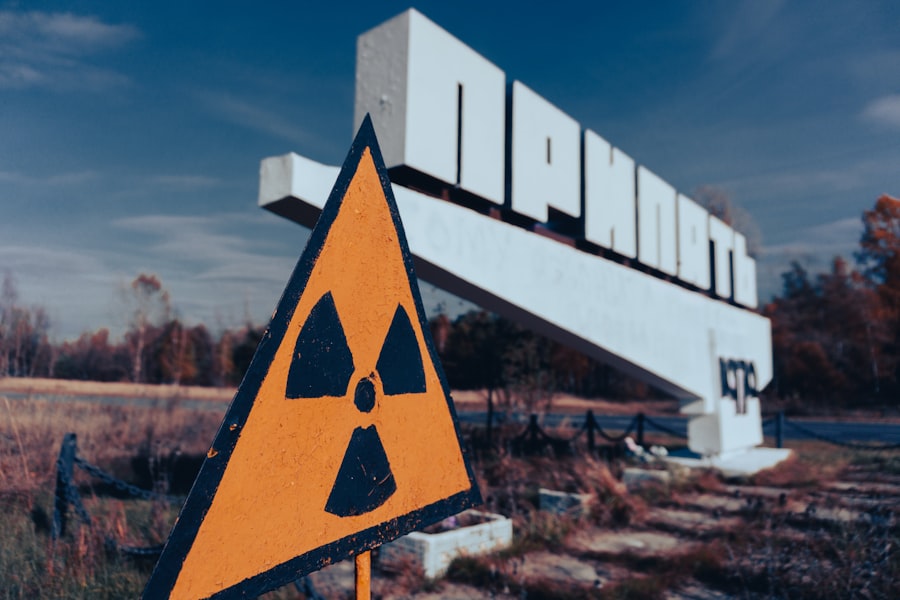
In response to the growing concerns surrounding radioactive contamination in the ocean, various regulations and policies have been established at national and international levels. Organizations such as the International Atomic Energy Agency (IAEA) play a pivotal role in setting guidelines for managing radioactive waste disposal and monitoring environmental impacts. These regulations aim to minimize the release of radioactive materials into marine environments while ensuring that existing facilities adhere to safety standards.
National governments also implement policies tailored to their specific contexts. For instance, countries with nuclear power plants often have stringent protocols for monitoring discharges into coastal waters. Additionally, international treaties such as the Convention on the Prevention of Marine Pollution by Dumping Wastes and Other Matter (London Convention) seek to regulate the disposal of hazardous materials at sea, including radioactive waste.
However, enforcement remains a challenge due to varying levels of compliance among nations and the complexities involved in tracking transboundary pollution.
Monitoring and Detection of Radioactive Contamination in the Ocean
Effective monitoring and detection of radioactive contamination in ocean waters are essential for assessing environmental health and ensuring public safety. Various techniques are employed to measure radiation levels in marine environments, including water sampling, sediment analysis, and biological monitoring. Advanced technologies such as gamma spectrometry allow scientists to identify specific isotopes present in samples, providing valuable data on contamination sources and distribution patterns.
Regular monitoring programs are crucial for detecting changes in radiation levels over time and identifying potential hotspots of contamination. These programs often involve collaboration between governmental agencies, research institutions, and non-governmental organizations (NGOs). By sharing data and resources, stakeholders can enhance their understanding of radioactive contamination dynamics and develop targeted strategies for mitigation and remediation.
Remediation and Cleanup Efforts for Radioactive Contamination in the Ocean
Remediation and cleanup efforts for radioactive contamination in the ocean present significant challenges due to the complexity of marine environments and the persistence of certain isotopes. Traditional cleanup methods used on land may not be directly applicable underwater, necessitating innovative approaches tailored to aquatic ecosystems. Techniques such as dredging contaminated sediments or using specialized barriers to contain pollutants are among the strategies being explored.
In some cases, bioremediation—utilizing microorganisms or plants to degrade or absorb contaminants—has shown promise as a sustainable approach to addressing radioactive pollution. Research into these methods is ongoing, with scientists investigating how specific organisms can be harnessed to mitigate radiation levels in affected areas. However, successful remediation requires careful planning and consideration of potential ecological impacts to avoid unintended consequences.
Case Studies of Radioactive Contamination Incidents in the Ocean
Several notable case studies illustrate the complexities surrounding radioactive contamination incidents in ocean environments. The Fukushima Daiichi nuclear disaster serves as a prominent example; following a massive earthquake and tsunami in 2011, significant amounts of radioactive water were released into the Pacific Ocean. This incident raised global awareness about the potential risks associated with nuclear energy production and its impact on marine ecosystems.
Another case involves the dumping of nuclear waste off the coast of France during the mid-20th century. Reports emerged indicating that this practice had led to localized contamination hotspots along coastal areas, prompting investigations into long-term environmental effects on marine life and human health. These case studies underscore the importance of transparency and accountability in managing radioactive materials while highlighting the need for robust regulatory frameworks to prevent future incidents.
Public Awareness and Education about Radioactive Contamination in the Ocean
Public awareness and education play crucial roles in addressing issues related to radioactive contamination in the ocean. As communities become more informed about potential risks associated with contaminated seafood or recreational activities in affected areas, they are better equipped to make informed decisions regarding their health and safety. Educational initiatives aimed at raising awareness about radiation exposure risks can empower individuals to advocate for stronger regulations and environmental protections.
Moreover, engaging local communities in monitoring efforts can foster a sense of stewardship over marine resources while enhancing data collection efforts. Citizen science programs that involve volunteers in sampling or reporting observations can provide valuable insights into radiation levels while promoting public engagement with scientific research. By fostering a culture of awareness and responsibility, society can work collectively towards mitigating the impacts of radioactive contamination on ocean environments.
Future Outlook for Addressing Radioactive Contamination in the Ocean
Looking ahead, addressing radioactive contamination in the ocean will require a multifaceted approach that combines scientific research, policy development, public engagement, and international cooperation. As technology advances, new methods for detecting and remediating contamination will likely emerge, offering hope for more effective management strategies. Additionally, ongoing research into the ecological impacts of radiation exposure will enhance understanding of how best to protect vulnerable marine species.
International collaboration will be essential for tackling this global issue effectively.
By fostering a collaborative approach that prioritizes environmental health and public safety, society can strive towards a future where oceans remain vibrant ecosystems free from harmful levels of radioactive contamination.
Radioactive contamination in the ocean is a pressing environmental issue that has garnered significant attention due to its potential impact on marine ecosystems and human health. An article on mygeoquest.
com/sample-page/’>MyGeoQuest delves into the broader implications of oceanic pollution, exploring how various contaminants, including radioactive materials, affect marine life and coastal communities. This piece provides valuable insights into the sources of contamination, the pathways through which pollutants enter the ocean, and the long-term consequences for biodiversity and food security. By understanding these dynamics, we can better appreciate the urgency of addressing radioactive contamination and implementing effective mitigation strategies.
FAQs
What is radioactive contamination in the ocean?
Radioactive contamination in the ocean refers to the presence of radioactive substances in the water, which can be harmful to marine life and potentially impact human health through the consumption of contaminated seafood.
How does radioactive contamination enter the ocean?
Radioactive contamination can enter the ocean through various sources, including nuclear accidents, discharges from nuclear power plants, and the dumping of radioactive waste. Additionally, natural processes such as the weathering of rocks and the decay of radioactive elements can also contribute to the presence of radioactive substances in the ocean.
What are the potential impacts of radioactive contamination in the ocean?
The presence of radioactive contamination in the ocean can have detrimental effects on marine life, including genetic mutations, reproductive issues, and increased risk of cancer. Additionally, it can also pose a risk to human health through the consumption of contaminated seafood and the potential for exposure to radioactive substances through water and air.
How is radioactive contamination in the ocean monitored and regulated?
Radioactive contamination in the ocean is monitored and regulated by various international organizations, such as the International Atomic Energy Agency (IAEA) and the United Nations Environment Programme (UNEP). Additionally, individual countries have their own regulatory agencies responsible for monitoring and regulating radioactive contamination in their respective waters.
Can radioactive contamination in the ocean be cleaned up?
Cleaning up radioactive contamination in the ocean is a complex and challenging task. While some methods, such as dilution and containment, can help mitigate the spread of radioactive substances, complete removal of contamination is often difficult and costly. Efforts to clean up radioactive contamination in the ocean typically focus on preventing further releases and minimizing the impact on marine ecosystems and human health.