
Nuclear testing has been a significant aspect of global military strategy and scientific exploration since the mid-20th century. The first successful detonation of a nuclear weapon occurred in 1945 during the Trinity Test in New Mexico, marking the dawn of the atomic age. This event not only demonstrated the destructive power of nuclear weapons but also set off a race among nations to develop their own arsenals.
Over the following decades, numerous countries conducted tests, leading to a proliferation of nuclear capabilities that would shape international relations and security dynamics for generations. The motivations behind these tests varied, ranging from national security concerns to scientific research, but the consequences have been far-reaching and complex. As nations engaged in nuclear testing, the implications extended beyond military strategy and into environmental, health, economic, and social realms.
The legacy of these tests is still felt today, as communities grapple with the aftermath of radiation exposure and ecological degradation. Understanding the multifaceted impacts of nuclear testing is crucial for addressing the ongoing challenges it presents. This article will explore the environmental, health, economic, political, cultural, and social ramifications of nuclear testing, as well as its effects on international relations and global security.
Key Takeaways
- Nuclear testing has had a significant impact on the environment, health, economy, politics, culture, and international relations.
- The environmental impact of nuclear testing includes radiation contamination, ecosystem disruption, and long-term damage to the environment.
- Health effects of nuclear testing include increased cancer rates, genetic mutations, and other long-term health issues for those exposed to radiation.
- The economic impact of nuclear testing includes the cost of cleanup and remediation, as well as the long-term economic consequences for affected communities.
- Nuclear testing has also had political fallout, cultural and social impacts, and has affected international relations and global security.
Environmental Impact of Nuclear Testing
The environmental consequences of nuclear testing are profound and enduring. Detonations have resulted in immediate destruction of ecosystems, with landscapes altered irreparably by the force of explosions. The tests often released radioactive materials into the atmosphere, soil, and water sources, leading to long-term contamination that poses risks to both human and wildlife populations.
In many cases, flora and fauna have struggled to recover from the radiation exposure, leading to diminished biodiversity and disrupted food chains. Moreover, the atmospheric tests conducted during the Cold War era contributed significantly to global fallout.
Radioactive particles dispersed across vast distances, affecting regions far removed from the test sites. This widespread contamination has raised concerns about the long-term health of ecosystems and the potential for bioaccumulation in food sources.
Health Effects of Nuclear Testing
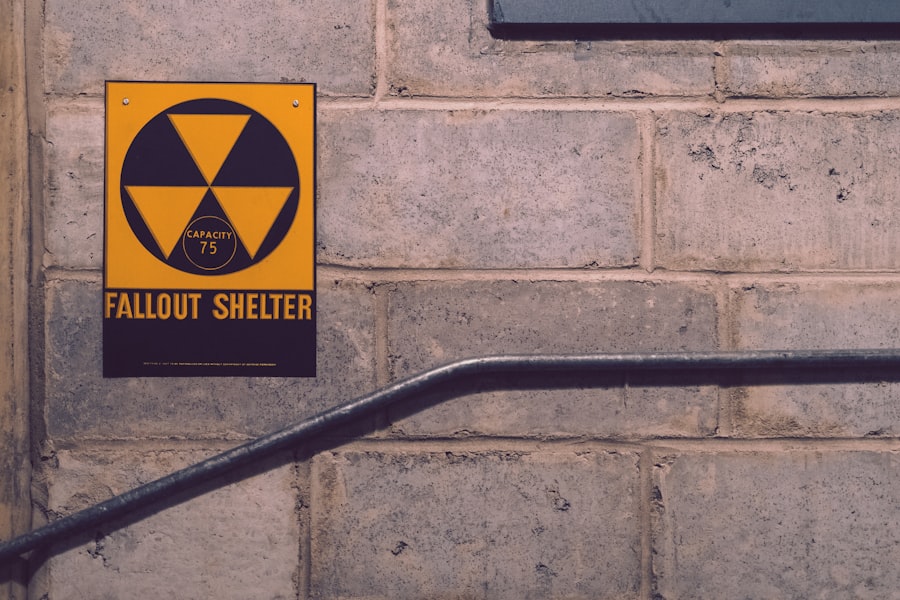
The health effects of nuclear testing are a critical concern that has emerged from decades of detonations. Populations living near test sites have experienced increased rates of cancer and other serious health issues attributed to radiation exposure. Studies have shown that individuals who were present during tests or lived in proximity to contaminated areas are at a higher risk for developing various illnesses, including thyroid cancer and leukemia.
The psychological toll on these communities is also significant, as fear and uncertainty about health outcomes persist long after the tests have concluded. In addition to direct exposure, the effects of nuclear testing extend to generations born after the detonations. The phenomenon known as “transgenerational effects” suggests that radiation exposure can lead to genetic mutations that may affect offspring.
This has raised ethical questions about the responsibility of governments to provide care and compensation for affected individuals and their families. As research continues to uncover the long-term health implications of nuclear testing, it becomes increasingly clear that the human cost is far greater than initially understood.
Economic Impact of Nuclear Testing
| Country | Cost of nuclear testing | Environmental impact | Health impact |
|---|---|---|---|
| United States | Billions of dollars | Contamination of land and water | Increased cancer rates |
| Russia | Millions of dollars | Radioactive pollution | Health issues in nearby communities |
| China | Unknown | Damage to ecosystems | Health risks for local populations |
The economic ramifications of nuclear testing are multifaceted and often detrimental to affected regions. While some nations may have initially viewed testing as a means to bolster national security and assert global power, the long-term costs associated with environmental cleanup and health care for affected populations can be staggering. In many cases, governments have had to allocate significant resources to address the fallout from their nuclear programs, diverting funds from other critical areas such as education and infrastructure.
Communities near test sites often face economic challenges stemming from contamination and displacement. Agriculture and fishing industries can suffer due to fears of radiation exposure, leading to decreased productivity and loss of livelihoods. Additionally, tourism in affected areas may decline as potential visitors become aware of the historical significance of nuclear testing and its associated risks.
The economic burden on these communities can perpetuate cycles of poverty and hinder recovery efforts, making it difficult for them to rebuild in the aftermath of nuclear testing.
Political Fallout from Nuclear Testing
The political consequences of nuclear testing are profound and far-reaching. Nations that engage in testing often face international condemnation and sanctions from other countries concerned about proliferation and global security. The tests can exacerbate tensions between nations, leading to an arms race as rival states seek to develop their own nuclear capabilities in response.
This cycle of escalation can destabilize entire regions and complicate diplomatic relations. Furthermore, domestic politics within countries that conduct nuclear tests can be influenced by public opinion regarding these actions. Citizens may express outrage over environmental degradation or health impacts resulting from testing, leading to calls for accountability and change in government policy.
In some cases, this has resulted in movements advocating for disarmament or stricter regulations on nuclear weapons development. The political fallout from nuclear testing thus extends beyond immediate international relations, shaping domestic agendas and influencing public discourse on security and ethics.
Cultural and Social Impacts of Nuclear Testing

The cultural and social impacts of nuclear testing are deeply intertwined with the experiences of affected communities. For many indigenous populations who were displaced or directly impacted by tests, the legacy is one of trauma and loss. Cultural practices tied to land and environment have been disrupted, leading to a disconnection from traditional ways of life.
The psychological scars left by nuclear testing can manifest in various forms, including intergenerational trauma that affects community cohesion and identity. Moreover, narratives surrounding nuclear testing often reflect broader societal attitudes toward science, technology, and military power. In some cultures, there is a sense of pride associated with national achievements in nuclear capability; in others, there is a deep-seated fear of the consequences that such power entails.
These contrasting perspectives can lead to divisions within societies as individuals grapple with their beliefs about safety, security, and ethical responsibility in relation to nuclear weapons.
International Relations and Nuclear Testing
Nuclear testing has played a pivotal role in shaping international relations since its inception. The Cold War era was marked by a series of tests that not only demonstrated military might but also served as a tool for political signaling between superpowers. Countries engaged in testing often sought to assert their dominance on the global stage while simultaneously deterring adversaries through displays of strength.
This dynamic has led to complex diplomatic negotiations aimed at curbing proliferation and establishing treaties such as the Comprehensive Nuclear-Test-Ban Treaty (CTBT). However, despite efforts to promote disarmament and non-proliferation, some nations continue to conduct tests in defiance of international norms. This behavior can strain relationships between countries and undermine trust in diplomatic agreements.
As nations navigate the delicate balance between security interests and global stability, the legacy of past nuclear tests looms large over contemporary international relations.
Nuclear Testing and Global Security
The implications of nuclear testing extend beyond national borders, impacting global security dynamics in profound ways. The proliferation of nuclear weapons poses a significant threat not only to regional stability but also to international peace as a whole. As more countries develop or enhance their nuclear capabilities through testing, the risk of conflict escalates, raising concerns about potential use or miscalculation during crises.
Efforts to mitigate these risks have led to various international frameworks aimed at promoting disarmament and preventing further testing. Organizations such as the United Nations play a crucial role in facilitating dialogue among nations while advocating for policies that prioritize global security over individual state interests. However, achieving consensus on disarmament remains a formidable challenge as geopolitical tensions persist.
Legacy of Nuclear Testing on Indigenous Communities
Indigenous communities have borne a disproportionate burden from nuclear testing activities conducted by various governments throughout history. Many indigenous peoples were subjected to tests without their consent or knowledge, resulting in devastating consequences for their health, environment, and cultural heritage. The legacy of these actions is one marked by loss—loss of land, loss of traditional practices, and loss of life due to radiation exposure.
The struggle for recognition and justice continues as indigenous groups advocate for reparations and acknowledgment of their suffering. Efforts to reclaim cultural identity often intersect with calls for environmental restoration in areas affected by testing. As these communities work toward healing and resilience, they also seek to educate broader society about their experiences and advocate for policies that prioritize their rights.
Efforts to Address the Lingering Impact of Nuclear Testing
In response to the enduring impacts of nuclear testing, various initiatives have emerged aimed at addressing the needs of affected communities and promoting healing. Governments have established compensation programs for individuals suffering from health issues related to radiation exposure; however, these efforts are often met with criticism regarding their adequacy and accessibility. Advocacy groups continue to push for more comprehensive support systems that recognize both immediate health needs and long-term community recovery.
Additionally, scientific research plays a vital role in understanding the full extent of contamination resulting from nuclear tests. Environmental monitoring programs aim to assess ongoing risks while informing remediation efforts in affected areas. Collaborative initiatives involving local communities can empower individuals to take an active role in restoring their environments while fostering resilience against future challenges.
Moving Forward from Nuclear Testing
As society reflects on the legacy of nuclear testing, it becomes evident that moving forward requires a multifaceted approach that prioritizes healing, justice, and prevention. Acknowledging past harms is essential for fostering reconciliation between governments and affected communities while ensuring that lessons learned inform future policies regarding disarmament and non-proliferation. Global cooperation will be crucial in addressing the ongoing challenges posed by nuclear weapons development while promoting peace and security worldwide.
By engaging in open dialogue about the impacts of nuclear testing—both past and present—nations can work together toward a future free from the specter of nuclear conflict. Ultimately, it is through collective action that society can hope to overcome the shadows cast by nuclear testing and build a safer world for generations to come.
Nuclear testing has long been a subject of intense debate due to its profound long-term effects on the environment and human health. The radioactive fallout from these tests can lead to increased cancer rates, genetic mutations, and environmental degradation, impacting ecosystems and communities for generations. For a deeper understanding of the environmental implications of nuclear testing, you can explore a related article on this topic by visiting this page. This resource provides valuable insights into the historical context and ongoing consequences of nuclear testing, highlighting the need for continued research and policy measures to mitigate its adverse effects.
FAQs
What are the long-term effects of nuclear testing?
Nuclear testing can have long-term effects on the environment, including soil and water contamination, as well as on human health, such as increased risk of cancer and genetic mutations.
How does nuclear testing affect the environment?
Nuclear testing can lead to soil and water contamination due to the release of radioactive materials. This contamination can persist for many years and have detrimental effects on ecosystems and wildlife.
What are the health risks associated with nuclear testing?
Exposure to radiation from nuclear testing can increase the risk of cancer, particularly thyroid cancer, leukemia, and other solid tumors. It can also lead to genetic mutations and birth defects in future generations.
Are there any international regulations on nuclear testing?
The Comprehensive Nuclear-Test-Ban Treaty (CTBT) is an international treaty that bans all nuclear explosions, for both civilian and military purposes, in all environments. However, not all countries have ratified the treaty.
What measures can be taken to mitigate the long-term effects of nuclear testing?
Efforts to clean up and remediate contaminated areas, as well as monitoring and regulating radiation exposure, can help mitigate the long-term effects of nuclear testing. Additionally, promoting nuclear disarmament and non-proliferation can prevent further testing and reduce the risks associated with nuclear weapons.