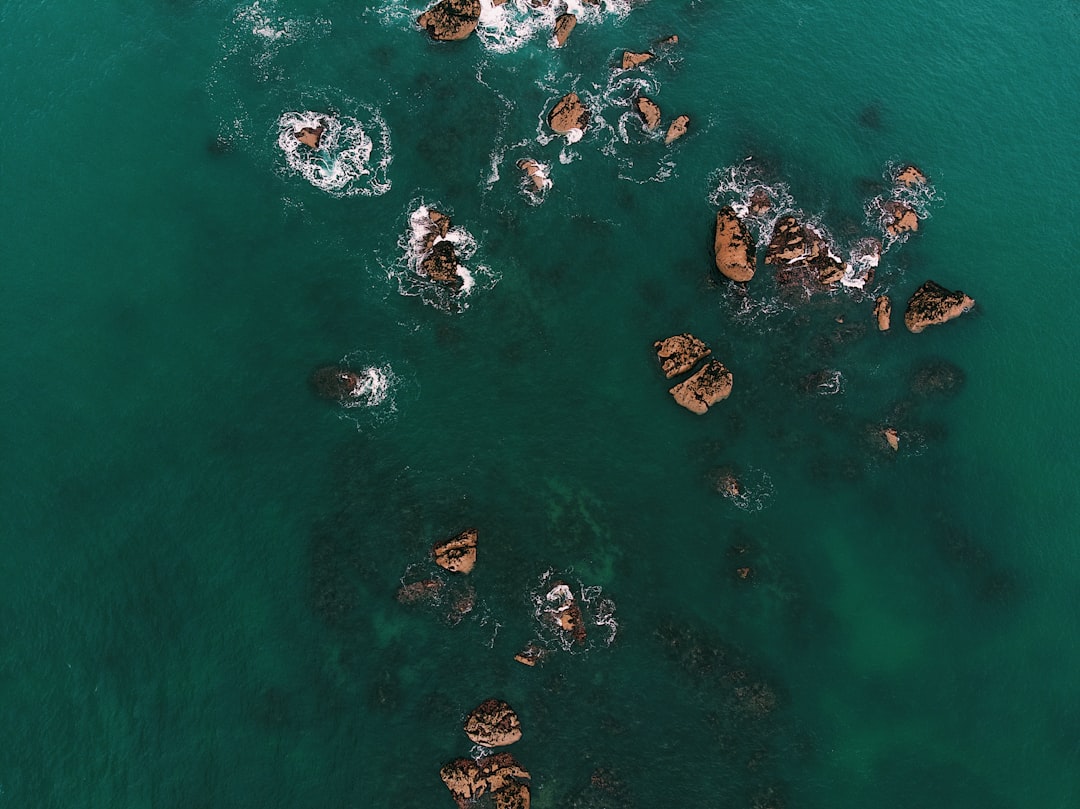
Bikini Atoll, a remote group of islands in the Marshall Islands, is a place steeped in both natural beauty and historical significance. Known for its stunning turquoise waters and vibrant coral reefs, the atoll is part of a larger chain of islands that make up the Marshall Islands in the central Pacific Ocean. However, beneath its picturesque surface lies a complex narrative of human intervention and environmental consequence.
The atoll has become synonymous with the nuclear age, serving as a stark reminder of the destructive power of atomic weapons and the long-lasting effects of nuclear testing. The name “Bikini” itself has become a symbol of both the allure of tropical paradise and the darker legacy of nuclear experimentation.
This duality encapsulates the essence of Bikini Atoll, where beauty and devastation coexist, prompting ongoing discussions about environmental stewardship, human rights, and the responsibilities of nations in the wake of their historical actions.
Key Takeaways
- Bikini Atoll is a remote island in the Pacific Ocean that was used for nuclear testing by the United States in the mid-20th century.
- The history of nuclear testing on Bikini Atoll has had devastating effects on the environment, marine life, and the health of the indigenous population.
- The impact of nuclear testing on the environment has led to long-term contamination of the land, water, and food sources in the area.
- The effects of nuclear testing on marine life have resulted in the destruction of coral reefs and the contamination of fish and other sea creatures.
- The health effects on the indigenous population have been severe, leading to high rates of cancer, birth defects, and other health issues.
History of Nuclear Testing on Bikini Atoll
The history of nuclear testing on Bikini Atoll began in the early 1940s when the United States government sought a remote location for its atomic bomb tests following World War
In 1946, the U.S. military conducted Operation Crossroads, which involved two significant nuclear detonations—Able and Baker—aimed at assessing the effects of atomic bombs on naval vessels.
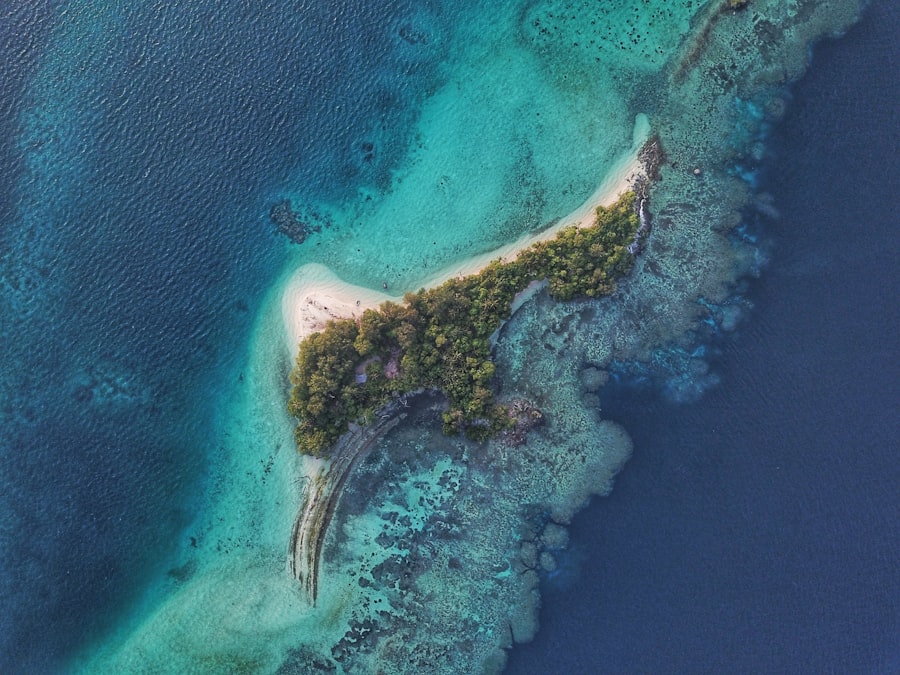
As the tests progressed, more than 23 nuclear detonations were conducted in and around Bikini Atoll, culminating in some of the most powerful explosions ever recorded. The sheer scale of these tests not only obliterated parts of the atoll but also displaced its indigenous population, who were relocated to other islands under promises of eventual return. However, the reality was far more complex, as the long-term consequences of radiation exposure and environmental degradation rendered their homeland uninhabitable for generations.
Impact of Nuclear Testing on the Environment
| Impact | Details |
|---|---|
| Radioactive Contamination | Release of radioactive materials into the environment |
| Soil and Water Pollution | Contamination of soil and water with radioactive isotopes |
| Health Effects | Increased risk of cancer and other health issues |
| Ecosystem Disruption | Damage to plant and animal life in affected areas |
| Long-term Environmental Damage | Continued impact on the environment for many years |
The environmental impact of nuclear testing on Bikini Atoll has been profound and enduring. The detonation of nuclear devices released vast amounts of radioactive materials into the atmosphere and surrounding waters, leading to contamination that persists to this day. The once-thriving ecosystems that characterized Bikini Atoll were irrevocably altered, with soil and water sources becoming tainted by radioactive isotopes.
This contamination has had cascading effects on both terrestrial and marine environments. In addition to immediate destruction caused by explosions, the long-term ecological consequences have been equally alarming. The delicate balance of marine life was disrupted as radiation seeped into the ocean, affecting coral reefs and fish populations.
The atoll’s unique biodiversity faced unprecedented challenges, with many species struggling to adapt to their new reality. The environmental degradation serves as a cautionary tale about the potential consequences of human actions on fragile ecosystems.
Effects of Nuclear Testing on Marine Life
The effects of nuclear testing on marine life around Bikini Atoll have been particularly alarming. The underwater detonations released shockwaves that not only destroyed marine habitats but also caused significant changes in water chemistry. Fish populations were severely impacted, with many species experiencing mutations or declines in numbers due to radiation exposure.
The once-abundant marine life that thrived in the clear waters surrounding Bikini Atoll has been drastically altered, leading to concerns about food security for local communities. Research conducted in subsequent decades has revealed alarming levels of radioactive isotopes in fish and other marine organisms. These findings raised serious questions about the safety of consuming seafood from contaminated waters, posing risks not only to local populations but also to those who rely on these resources for sustenance.
The long-term implications for marine ecosystems are still being studied, as scientists work to understand how radiation affects various species and their ability to recover from such catastrophic events.
Health Effects on the Indigenous Population
The indigenous population of Bikini Atoll has borne the brunt of the health effects resulting from nuclear testing. After being forcibly relocated in 1946, many residents experienced significant health issues linked to radiation exposure. Studies have shown elevated rates of cancer and other illnesses among those who lived near or returned to contaminated areas.
The psychological toll of displacement and loss of homeland further compounded these health challenges, creating a complex web of physical and emotional suffering. Efforts to monitor and address these health issues have been ongoing, but challenges remain in providing adequate healthcare and support for affected individuals. Many survivors continue to advocate for recognition and compensation for their suffering, seeking acknowledgment from governments responsible for their displacement and health crises.
The legacy of nuclear testing on Bikini Atoll serves as a poignant reminder of the human cost associated with military experimentation and environmental negligence.
Cleanup and Restoration Efforts
In response to the devastating impact of nuclear testing, various cleanup and restoration efforts have been initiated over the years. The U.S. government has undertaken several projects aimed at decontaminating parts of Bikini Atoll, including soil removal and monitoring radiation levels.
However, these efforts have often been met with criticism regarding their effectiveness and transparency. Many residents feel that cleanup initiatives have not gone far enough to restore their homeland or ensure their safety. Despite these challenges, there have been some successes in restoring certain areas of Bikini Atoll.
Scientists and environmentalists have worked collaboratively to rehabilitate ecosystems affected by radiation, focusing on reintroducing native plant species and monitoring wildlife populations. While progress has been made, the journey toward full restoration remains fraught with obstacles, as both environmental degradation and historical injustices continue to shape the narrative surrounding Bikini Atoll.
Current Status of Bikini Atoll
Today, Bikini Atoll remains largely uninhabited, serving as a stark reminder of its tumultuous past. While some areas have been deemed safe for limited visitation, many parts remain off-limits due to lingering radiation concerns. The atoll has become a site for scientific research and environmental monitoring, attracting attention from researchers interested in studying the long-term effects of nuclear testing on ecosystems.
Tourism has also emerged as a potential avenue for economic development, with some operators offering guided tours to educate visitors about the history and environmental challenges faced by Bikini Atoll. However, this development raises ethical questions about how best to balance tourism with respect for the indigenous population’s history and ongoing struggles. As discussions continue about the future of Bikini Atoll, it remains essential to consider both its ecological significance and its cultural heritage.
International Efforts to Address Nuclear Testing Legacy
International efforts to address the legacy of nuclear testing at Bikini Atoll have gained momentum in recent years. Various organizations and advocacy groups have worked tirelessly to raise awareness about the consequences faced by affected communities and ecosystems. These efforts have included calls for reparations, environmental restoration initiatives, and increased support for health monitoring programs for those impacted by radiation exposure.
The United Nations has also played a role in addressing these issues through resolutions aimed at promoting disarmament and preventing future nuclear testing worldwide. By highlighting Bikini Atoll’s story as part of a broader narrative about nuclear weapons’ impact on humanity, international bodies seek to foster dialogue about accountability and justice for affected populations. These efforts underscore the importance of collective action in addressing historical injustices while promoting peace and environmental sustainability.
Cultural and Historical Significance of Bikini Atoll
Bikini Atoll holds immense cultural and historical significance for its indigenous population and beyond. For the Marshallese people, it represents not only their ancestral homeland but also a symbol of resilience in the face of adversity. The stories passed down through generations reflect a deep connection to the land and sea, emphasizing traditional practices that have sustained their communities for centuries.
Moreover, Bikini Atoll’s history serves as a cautionary tale about the consequences of colonialism and militarization. It highlights the need for greater respect for indigenous rights and environmental stewardship in decision-making processes that affect vulnerable communities worldwide. As discussions about cultural preservation continue, it is crucial to recognize Bikini Atoll’s role as both a historical site and a living testament to human endurance.
Future Prospects for Bikini Atoll
Looking ahead, the future prospects for Bikini Atoll remain uncertain yet hopeful. Ongoing research into environmental restoration offers potential pathways toward healing both ecosystems and communities affected by nuclear testing. As awareness grows about the importance of preserving cultural heritage alongside ecological integrity, there may be opportunities for collaborative efforts that honor both aspects.
Additionally, advancements in technology may provide new tools for monitoring radiation levels and assessing ecological recovery over time. By fostering partnerships between scientists, indigenous communities, and policymakers, there is potential for innovative solutions that prioritize sustainability while addressing historical injustices. Ultimately, the future of Bikini Atoll will depend on collective commitment to learning from past mistakes while striving toward a more equitable and sustainable world.
Lessons Learned from Bikini Atoll
The story of Bikini Atoll offers profound lessons about humanity’s relationship with nature and the consequences of unchecked ambition. It serves as a reminder that actions taken in pursuit of progress can have far-reaching implications for both people and ecosystems. The legacy left behind by nuclear testing underscores the importance of accountability, transparency, and respect for indigenous rights in decision-making processes.
Furthermore, Bikini Atoll highlights the need for ongoing dialogue about disarmament and environmental protection on a global scale. As nations grapple with complex issues related to military power and ecological sustainability, it is essential to prioritize collaboration over conflict while learning from past mistakes. By embracing these lessons, there is hope for building a future that honors both human dignity and environmental integrity—a future where places like Bikini Atoll can reclaim their beauty while serving as symbols of resilience rather than devastation.
Bikini Atoll remains uninhabited primarily due to the lingering effects of nuclear testing conducted by the United States during the mid-20th century. The atoll was the site of numerous nuclear detonations, which resulted in significant radioactive contamination, rendering it unsafe for human habitation. For those interested in exploring more about the history and impact of nuclear testing in the Pacific, a related article can be found on MyGeoQuest. This article delves into the broader implications of nuclear testing in the region and its lasting effects on the environment and local communities. You can read more about it by visiting this link.
FAQs
What is Bikini Atoll?
Bikini Atoll is a coral reef in the Marshall Islands consisting of 23 islands surrounding a central lagoon. It is located in the Pacific Ocean and is part of the larger island group of Micronesia.
Why is Bikini Atoll uninhabited?
Bikini Atoll is uninhabited due to the extensive nuclear testing conducted by the United States government between 1946 and 1958. The atoll was used as a testing site for nuclear weapons, leading to widespread contamination of the land and water.
What impact did the nuclear testing have on Bikini Atoll?
The nuclear testing at Bikini Atoll resulted in the displacement of the local population and widespread radioactive contamination of the environment. The atoll remains uninhabited due to the high levels of radiation, which pose a significant health risk to any potential residents.
Is it safe to visit Bikini Atoll?
Due to the lingering effects of nuclear testing, Bikini Atoll is not considered safe for human habitation or tourism. The area remains highly contaminated with radiation, and access is restricted by the government of the Marshall Islands.