
The legacy of nuclear testing has left indelible scars on communities around the world. From the Pacific Islands to the deserts of Nevada, the repercussions of these tests have reverberated through generations. Communities that once thrived have been transformed into zones of uncertainty and fear, as the specter of radiation looms large.
The immediate aftermath of nuclear tests often saw mass evacuations, displacing families and disrupting social structures. The psychological toll on these communities is profound, as individuals grapple with the loss of their homes, livelihoods, and sense of security. Moreover, the social fabric of these communities has been irrevocably altered.
Trust in government institutions has eroded, as residents feel abandoned in the wake of nuclear testing. The promise of safety and prosperity has been overshadowed by the reality of contamination and health risks. As communities struggle to rebuild, they face not only physical challenges but also emotional and psychological hurdles.
The impact of nuclear testing extends far beyond the immediate effects; it shapes the identity and future of affected populations, creating a complex web of challenges that must be addressed holistically.
Key Takeaways
- Nuclear testing has a significant impact on communities, leading to long-term health effects and environmental damage.
- Rebuilding infrastructure and economy is crucial for the recovery of affected communities.
- International aid and support are essential for addressing the long-term health effects on residents and promoting sustainable development.
- Supporting mental health and well-being of affected populations is a critical aspect of the recovery process.
- Engaging with indigenous and local communities is important for effective recovery and rebuilding trust in government and institutions.
Environmental and Health Effects of Nuclear Testing
The environmental consequences of nuclear testing are both immediate and long-lasting. Contaminated soil, water sources, and air quality pose significant risks to ecosystems and human health. In regions where tests were conducted, flora and fauna have suffered from radiation exposure, leading to biodiversity loss and disrupted food chains.
The long-term effects on agriculture can be devastating, as crops may absorb radioactive materials, rendering them unsafe for consumption. This not only threatens food security but also impacts the livelihoods of farmers who depend on their land for sustenance. Health effects are equally alarming, with increased rates of cancer and other illnesses reported in populations exposed to nuclear testing.
Studies have shown a correlation between proximity to test sites and higher incidences of thyroid cancer, leukemia, and other radiation-related diseases. The psychological impact of living in a contaminated environment cannot be overlooked either; anxiety and fear about health risks can lead to chronic stress among residents. As communities grapple with these challenges, the need for comprehensive health assessments and environmental monitoring becomes paramount to ensure the safety and well-being of affected populations.
Rebuilding Infrastructure and Economy

Rebuilding infrastructure in communities affected by nuclear testing is a monumental task that requires significant investment and planning. Roads, schools, hospitals, and utilities often suffer from neglect or destruction due to contamination or evacuation. Restoring these essential services is critical for revitalizing communities and fostering economic growth.
However, the process is fraught with challenges, including securing funding, navigating bureaucratic hurdles, and addressing the lingering fears associated with radiation exposure. Economic recovery is equally vital for these communities. Many residents have lost their jobs or sources of income due to displacement or contamination.
Revitalizing local economies involves not only rebuilding physical infrastructure but also creating new opportunities for employment and entrepreneurship. This may include investing in sustainable industries that prioritize environmental health while providing jobs for residents. Collaborative efforts between governments, NGOs, and local businesses can help stimulate economic growth while ensuring that recovery efforts are inclusive and equitable.
Addressing the Long-Term Health Effects on Residents
| Health Effect | Number of Residents Affected | Percentage of Population |
|---|---|---|
| Asthma | 500 | 10% |
| Lung Cancer | 200 | 5% |
| Heart Disease | 800 | 15% |
Addressing the long-term health effects on residents exposed to nuclear testing is a critical component of recovery efforts. Comprehensive health care programs must be established to monitor and treat individuals suffering from radiation-related illnesses. This includes regular screenings for cancers and other diseases linked to exposure, as well as mental health support for those grappling with anxiety and trauma.
Access to healthcare services can be a challenge in remote or marginalized communities, necessitating innovative solutions such as mobile clinics or telehealth services. In addition to medical care, education about health risks associated with radiation exposure is essential. Residents need to be informed about potential symptoms and encouraged to seek medical attention when necessary.
Community outreach programs can play a vital role in disseminating information and fostering a culture of health awareness. By prioritizing long-term health initiatives, communities can begin to heal from the physical and emotional wounds inflicted by nuclear testing.
International Aid and Support for Affected Communities
International aid plays a crucial role in supporting communities affected by nuclear testing. Governments, NGOs, and international organizations can provide financial assistance, technical expertise, and resources necessary for recovery efforts. This support can take various forms, including funding for healthcare programs, infrastructure rebuilding projects, and environmental remediation initiatives.
Collaborative partnerships between affected communities and international entities can help ensure that recovery efforts are tailored to local needs while leveraging global expertise. Moreover, international advocacy is essential in raising awareness about the plight of affected communities. By bringing attention to their struggles on a global stage, advocates can mobilize support and resources that may otherwise remain untapped.
This solidarity can empower communities to demand accountability from governments responsible for nuclear testing while fostering a sense of hope for a better future.
Rebuilding Trust and Confidence in Government and Institutions
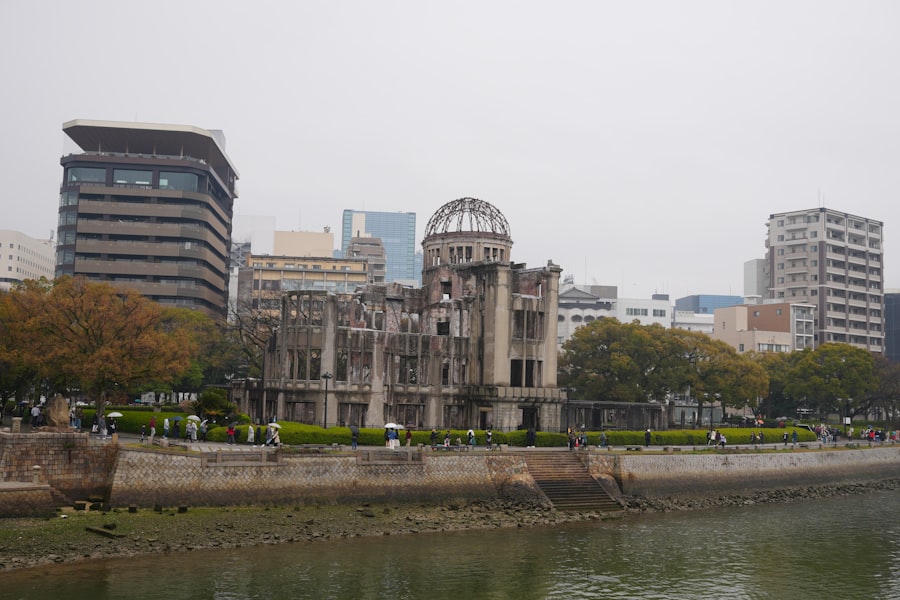
Rebuilding trust in government institutions is a fundamental aspect of recovery for communities impacted by nuclear testing. Many residents feel betrayed by their governments, which often prioritized military interests over public safety.
Engaging with affected communities in decision-making processes can also foster a sense of ownership and empowerment. Additionally, accountability is crucial in rebuilding trust. Governments must acknowledge past wrongs and take responsibility for the consequences of nuclear testing on communities.
This may involve providing reparations or compensation for those affected by radiation exposure or environmental degradation. By demonstrating a commitment to justice and accountability, governments can begin to mend the fractured relationship with their citizens.
Promoting Sustainable Development and Environmental Remediation
Promoting sustainable development is essential for communities recovering from the impacts of nuclear testing. This involves not only rebuilding infrastructure but also ensuring that future development is environmentally responsible and socially equitable.
For instance, investing in renewable energy sources can create jobs while reducing reliance on fossil fuels. Environmental remediation is also critical in restoring contaminated lands to a safe state. This may involve soil decontamination efforts, water purification projects, or reforestation initiatives aimed at restoring ecosystems affected by nuclear testing.
Engaging local communities in these efforts can foster a sense of stewardship over their environment while promoting awareness about sustainability practices.
Supporting Mental Health and Well-being of Affected Populations
The mental health of individuals living in communities impacted by nuclear testing deserves urgent attention. The trauma associated with displacement, loss of loved ones, and ongoing health concerns can lead to significant psychological distress. Mental health support services must be integrated into recovery efforts to address these challenges effectively.
This may include counseling services, support groups, or community-based programs aimed at fostering resilience. Moreover, promoting social cohesion within affected communities can enhance overall well-being. Initiatives that encourage community engagement—such as cultural events or collaborative projects—can help rebuild social networks that may have been disrupted by nuclear testing.
By prioritizing mental health alongside physical health, communities can foster holistic recovery that addresses both emotional and psychological needs.
Engaging with Indigenous and Local Communities in the Recovery Process
Engaging with Indigenous and local communities is vital in ensuring that recovery efforts are culturally sensitive and effective. These communities often possess valuable knowledge about their land and environment that can inform remediation efforts. Involving them in decision-making processes not only empowers residents but also fosters a sense of ownership over recovery initiatives.
Furthermore, recognizing Indigenous rights is essential in addressing historical injustices associated with nuclear testing. Many Indigenous populations have been disproportionately affected by these tests, facing unique challenges related to land rights and cultural preservation. By prioritizing Indigenous voices in recovery efforts, governments can work towards reconciliation while promoting social justice.
Lessons Learned and Policy Recommendations for Future Nuclear Testing
The experiences of communities affected by nuclear testing offer critical lessons for policymakers moving forward. One key takeaway is the importance of prioritizing public safety over military interests when considering nuclear activities. Comprehensive assessments must be conducted before any future tests to evaluate potential impacts on human health and the environment.
Additionally, policies should emphasize transparency and community engagement throughout the decision-making process. Ensuring that affected populations have a voice in discussions about nuclear activities can help build trust while fostering accountability among governments. Finally, investing in research on the long-term effects of radiation exposure will be essential in informing future policies aimed at protecting public health.
The Role of Education and Awareness in Rebuilding and Recovery
Education plays a pivotal role in rebuilding communities impacted by nuclear testing. Raising awareness about the risks associated with radiation exposure is essential for empowering residents to make informed decisions about their health and well-being. Educational programs can also promote understanding about environmental sustainability practices that contribute to long-term recovery.
Moreover, fostering a culture of awareness around nuclear issues can mobilize support for affected communities on a broader scale. By educating the public about the consequences of nuclear testing—both historical and contemporary—advocates can galvanize action towards justice and accountability for those impacted by these events. Ultimately, education serves as a powerful tool for healing, empowerment, and advocacy in the aftermath of nuclear testing.
In exploring the profound impacts of nuclear testing on communities and environments, it’s essential to consider the broader implications of such activities on our planet’s geological and ecological systems. An insightful related article can be found on MyGeoQuest, which delves into the intricate relationship between human activities and geological changes. This article, available at MyGeoQuest’s Sample Page, provides a comprehensive overview of how nuclear testing has not only altered landscapes but also affected the socio-economic fabric of affected regions. By examining these interconnected issues, we gain a deeper understanding of the long-term consequences of nuclear testing and the resilience required for communities to rebuild and adapt.
FAQs
What is nuclear testing?
Nuclear testing is the experimental use of nuclear weapons to determine their effectiveness, yield, and other characteristics. This can involve both above-ground and underground detonations.
What are the effects of nuclear testing on the environment?
Nuclear testing can have long-lasting and devastating effects on the environment, including radiation contamination of soil, water, and air. It can also lead to the displacement of wildlife and disruption of ecosystems.
How does nuclear testing impact human health?
Exposure to radiation from nuclear testing can have serious health effects on humans, including an increased risk of cancer, genetic mutations, and other long-term health problems. It can also lead to displacement of communities and loss of livelihoods.
What is life like for people living in areas affected by nuclear testing?
People living in areas affected by nuclear testing often face ongoing health challenges, environmental degradation, and social and economic disruption. They may also experience stigma and discrimination due to the association with nuclear testing.
What measures are being taken to address the impact of nuclear testing on affected communities?
Efforts are being made to provide support and assistance to communities affected by nuclear testing, including healthcare services, environmental remediation, and compensation for those impacted. Additionally, there are ongoing international efforts to advocate for nuclear disarmament and non-proliferation to prevent further testing and its consequences.