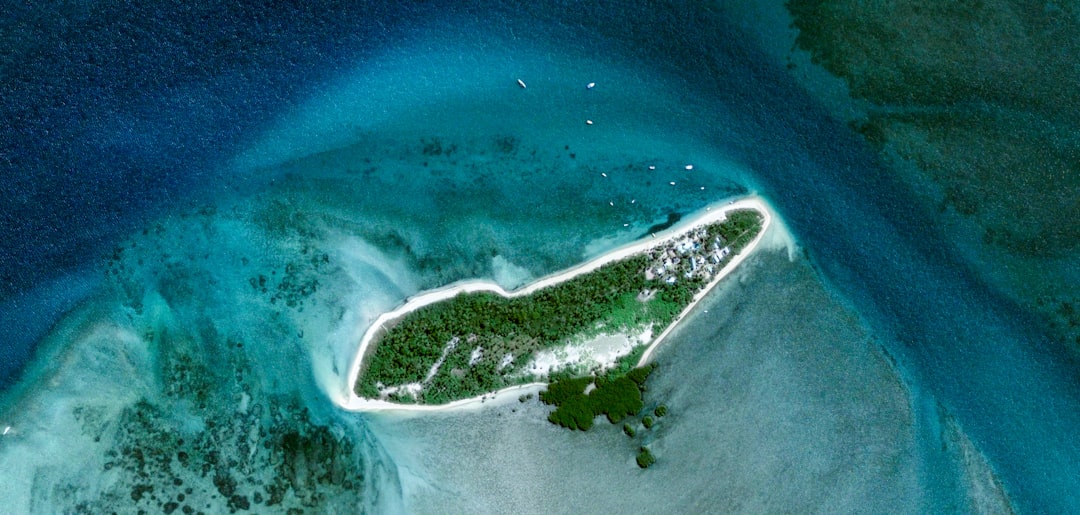
The resettlement of Bikini Atoll has emerged as a complex and multifaceted issue, intertwining environmental, health, cultural, and political dimensions. Located in the Marshall Islands, Bikini Atoll is infamous for its role in nuclear testing during the mid-20th century, which has left a lasting impact on its ecosystem and the lives of its indigenous people. The Bikini Islanders, who were forcibly relocated in the 1940s, have long sought to return to their ancestral home.
However, the path to resettlement is fraught with challenges that must be navigated carefully. This article delves into the historical context, environmental concerns, health implications, and the socio-political landscape surrounding the resettlement efforts. As the world grapples with the consequences of nuclear testing and its aftermath, the plight of the Bikini Islanders serves as a poignant reminder of the human cost of such actions.
The desire to return to their homeland is not merely a quest for physical space but also a deep-seated yearning for cultural identity and connection to their heritage. The complexities of resettlement are compounded by various factors, including environmental degradation, health risks, and socio-economic barriers. Understanding these elements is crucial for any meaningful discussion about the future of Bikini Atoll and its people.
Key Takeaways
- Bikini Atoll was the site of nuclear testing and the resettlement of its displaced residents is a complex and challenging issue.
- The historical background of Bikini Atoll includes the forced relocation of its residents in 1946 to make way for nuclear testing by the United States.
- Environmental challenges such as radiation contamination and the presence of unexploded ordnance pose significant obstacles to resettlement efforts.
- Health and safety concerns for potential residents include the risk of radiation exposure and the need for adequate healthcare infrastructure.
- The cultural and social displacement of the Bikinian people has had a profound impact on their identity and way of life, creating significant psychological and emotional challenges.
Historical Background of Bikini Atoll
Bikini Atoll’s history is marked by a series of significant events that have shaped its current status.
The initial relocation was presented as a temporary measure, with promises that the islanders would be able to return once testing concluded.
However, this promise was never fulfilled, and the residents found themselves exiled from their ancestral lands for decades. The nuclear tests conducted at Bikini Atoll included some of the most powerful bombs ever detonated, resulting in widespread contamination of the environment. The fallout from these tests not only affected the immediate area but also had far-reaching consequences for the surrounding islands and their inhabitants.
As a result, the Bikini Islanders were forced to adapt to life in new locations, often facing challenges related to cultural assimilation and loss of identity. The historical narrative of Bikini Atoll is thus one of resilience in the face of adversity, as the islanders have fought for recognition and justice over the years.
Environmental Challenges
The environmental challenges facing Bikini Atoll are profound and multifaceted. Decades of nuclear testing have left behind a legacy of radioactive contamination that poses significant risks to both human health and the ecosystem. Soil and water sources remain tainted, making it difficult for any potential resettlement efforts to ensure safety for returning residents.
The presence of radioactive isotopes in the environment raises concerns about long-term exposure and its implications for future generations. In addition to contamination issues, climate change poses an existential threat to Bikini Atoll. Rising sea levels and increasing storm intensity threaten to submerge low-lying islands in the Pacific.
The combination of environmental degradation from nuclear testing and the impacts of climate change creates a precarious situation for any plans to resettle the islanders. Addressing these environmental challenges requires comprehensive scientific assessments and innovative solutions that prioritize both safety and sustainability.
Health and Safety Concerns
| Category | Metrics |
|---|---|
| Incidents | Number of reported incidents |
| Accidents | Number of workplace accidents |
| Injuries | Number of reported injuries |
| Illnesses | Number of work-related illnesses |
| Compliance | Percentage of compliance with safety regulations |
Health and safety concerns are paramount when considering the resettlement of Bikini Atoll’s indigenous population. The legacy of nuclear testing has resulted in increased rates of cancer and other health issues among those exposed to radiation. Studies have shown that individuals who lived on or near the atoll during testing periods experienced higher incidences of thyroid cancer and other ailments linked to radiation exposure.
These health risks create a significant barrier to resettlement, as returning residents may face ongoing medical challenges. Moreover, the psychological impact of displacement cannot be overlooked. Many Bikini Islanders have experienced trauma related to their forced relocation and the loss of their homeland.
The prospect of returning to an environment still marred by contamination raises fears about potential health repercussions, further complicating their desire to return. Addressing these health concerns requires not only medical interventions but also a comprehensive understanding of the psychological toll that displacement has taken on this community.
Cultural and Social Displacement
The cultural and social displacement experienced by the Bikini Islanders is a critical aspect of their narrative. For generations, they have been separated from their ancestral lands, leading to a disconnection from their cultural practices, traditions, and identity. The loss of land is not merely a physical displacement; it represents a severing of ties to history, spirituality, and community cohesion.
The islanders have had to navigate life in new environments while grappling with feelings of loss and longing for their homeland. Efforts to preserve cultural heritage have been ongoing, but they often fall short in fully addressing the needs of those who have been displaced. The challenge lies in finding ways to honor traditional practices while adapting to new realities.
As discussions about resettlement continue, it is essential to prioritize cultural revitalization alongside physical relocation. This means creating spaces where traditional knowledge can be shared and practiced, ensuring that future generations remain connected to their roots.
Legal and Political Hurdles
The legal and political hurdles surrounding Bikini Atoll’s resettlement are complex and multifaceted. The United States government has historically played a significant role in shaping policies related to nuclear testing and its aftermath. While there have been efforts to provide compensation and support for affected communities, many islanders feel that these measures have been inadequate.
Legal battles over land rights, compensation claims, and environmental remediation continue to pose challenges for those seeking justice. Furthermore, international relations play a crucial role in shaping the future of Bikini Atoll’s resettlement efforts. The geopolitical landscape in the Pacific region is influenced by various factors, including military interests and environmental agreements.
Navigating these political dynamics requires careful diplomacy and collaboration among stakeholders at local, national, and international levels. Achieving meaningful progress will depend on addressing both legal rights and broader political considerations.
Economic Obstacles
Economic obstacles present another significant barrier to resettlement efforts at Bikini Atoll. The islanders have faced economic hardships since their displacement, often struggling to secure stable livelihoods in new locations. Limited access to resources and opportunities has hindered their ability to thrive outside their homeland.
As discussions about returning to Bikini Atoll gain momentum, economic viability becomes a critical consideration. The potential for sustainable economic development on Bikini Atoll must be explored thoroughly before any resettlement can occur. This includes assessing available resources, infrastructure needs, and opportunities for sustainable livelihoods that align with traditional practices.
Engaging with experts in sustainable development can help identify pathways for economic revitalization that honor both cultural heritage and environmental stewardship.
Infrastructure and Resources
The state of infrastructure on Bikini Atoll poses significant challenges for any potential resettlement efforts. Years of neglect following nuclear testing have left much of the atoll’s infrastructure in disrepair or entirely absent. Basic necessities such as clean water supply systems, sanitation facilities, and housing must be addressed before any return can be considered safe or viable.
Additionally, resource availability is a critical factor in determining whether resettlement can be successful. The atoll’s ecosystem has been severely impacted by contamination, raising questions about food security and access to clean water sources. Comprehensive assessments are needed to evaluate whether the land can support sustainable living conditions for returning residents.
Without adequate infrastructure and resources in place, any attempts at resettlement may face insurmountable obstacles.
Psychological and Emotional Impact
The psychological and emotional impact of displacement on Bikini Islanders cannot be overstated. For many individuals, being uprooted from their homeland has led to feelings of grief, loss, and disconnection from their cultural identity. The longing for home is often accompanied by trauma related to their experiences during nuclear testing and subsequent relocation efforts.
These emotional scars can manifest in various ways, affecting mental health and overall well-being. As discussions about resettlement progress, it is essential to prioritize mental health support for those affected by displacement. Providing access to counseling services, community support networks, and culturally relevant healing practices can help individuals navigate their emotional challenges.
Acknowledging the psychological toll of displacement is crucial for fostering resilience within the community as they consider returning to their ancestral lands.
International Support and Aid
International support plays a vital role in addressing the challenges faced by Bikini Islanders seeking resettlement. Various organizations and governments have expressed solidarity with the islanders’ plight, advocating for justice and assistance in rebuilding their lives. Humanitarian aid can provide essential resources for health care, education, infrastructure development, and environmental remediation efforts.
However, international support must be sustained over time to ensure meaningful progress toward resettlement goals. Collaborative partnerships between local communities, governments, NGOs, and international organizations are essential for creating comprehensive strategies that address both immediate needs and long-term sustainability. Engaging with global networks can amplify voices advocating for justice while fostering solidarity among those working toward a common goal.
Future Prospects for Resettlement
The future prospects for resettlement at Bikini Atoll remain uncertain but hold potential for positive change if approached thoughtfully. Acknowledging the historical injustices faced by the islanders is crucial in shaping policies that prioritize their rights and well-being. Collaborative efforts involving local communities, scientists, policymakers, and international partners can pave the way for sustainable solutions that honor both cultural heritage and environmental integrity.
By fostering an inclusive dialogue that prioritizes the voices of those most affected by displacement, there is hope for a future where Bikini Islanders can reclaim their homeland while ensuring safety and sustainability for generations to come. In conclusion, while significant challenges lie ahead in the quest for resettlement at Bikini Atoll, there exists an opportunity for healing and renewal if approached with care and compassion.
The journey toward returning home is not merely about physical relocation; it encompasses a broader vision of justice, cultural revitalization, environmental stewardship, and community resilience that can ultimately lead to a brighter future for all involved.
Bikini Atoll, a site of numerous nuclear tests during the mid-20th century, has been the focus of various resettlement attempts over the years. These efforts have faced significant challenges due to lingering radiation and environmental concerns. An interesting related article discusses the broader implications of nuclear testing on island communities and the ongoing struggles faced by displaced populations. For more insights into the historical and environmental context of Bikini Atoll and similar locations, you can explore this article that delves into the complexities of resettlement and the resilience of affected communities.
FAQs
What is Bikini Atoll?
Bikini Atoll is a coral reef in the Marshall Islands consisting of 23 islands surrounding a central lagoon. It is known for being the site of nuclear testing by the United States between 1946 and 1958.
Why were the residents of Bikini Atoll relocated?
The residents of Bikini Atoll were relocated in 1946 to allow for nuclear testing by the United States. The testing rendered the atoll uninhabitable due to high levels of radiation.
Have there been attempts to resettle Bikini Atoll?
Yes, there have been several attempts to resettle Bikini Atoll since the 1970s. However, these attempts have been hindered by high levels of radiation in the environment, making it unsafe for human habitation.
What are the challenges of resettling Bikini Atoll?
The main challenge of resettling Bikini Atoll is the high levels of radiation in the environment, which pose a significant health risk to potential residents. Additionally, the atoll’s remote location and limited infrastructure present logistical challenges for resettlement efforts.
What is the current status of Bikini Atoll?
Bikini Atoll remains uninhabited due to the lingering effects of nuclear testing. The atoll is now a UNESCO World Heritage site and is primarily used for scientific research and limited tourism.