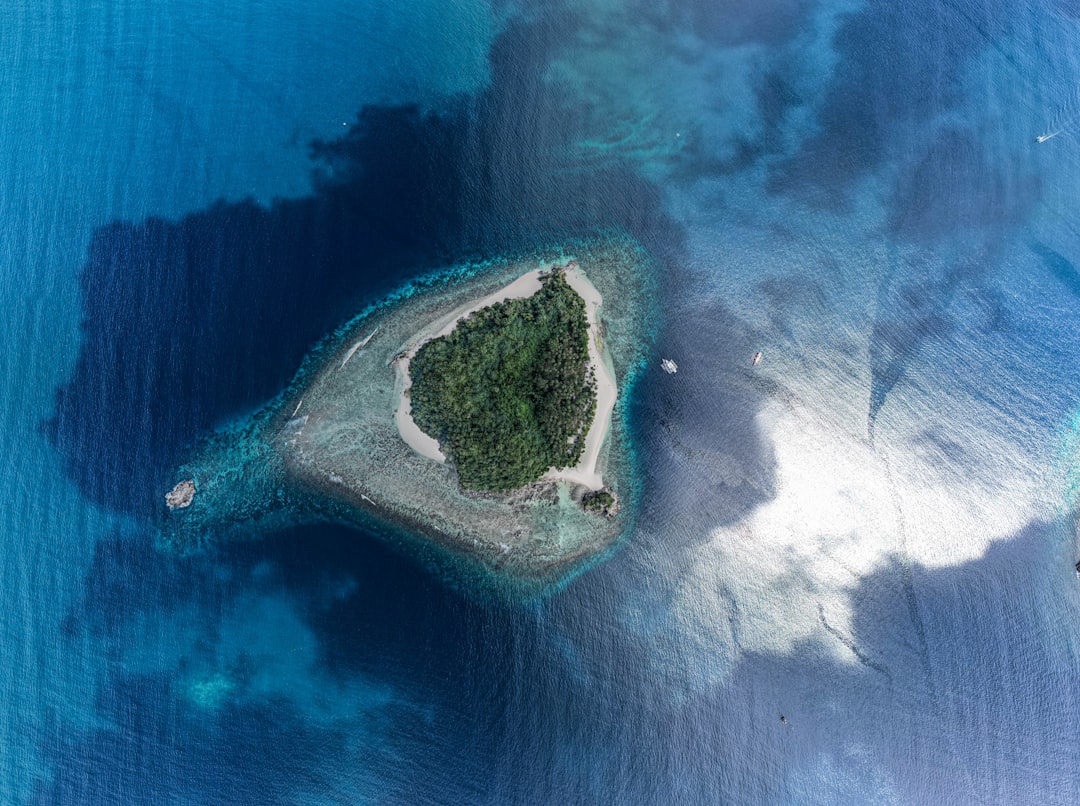
The Marshall Islands, a sprawling archipelago located in the central Pacific Ocean, is composed of 29 atolls and 5 individual islands, spread over an area of approximately 750,000 square miles. This nation, with a population of around 58,000, is known for its rich cultural heritage and stunning natural beauty. The islands are home to vibrant marine life and pristine coral reefs, making them a paradise for divers and nature enthusiasts.
The Marshallese culture is deeply rooted in traditions that have been passed down through generations. The people of the Marshall Islands have a unique way of life that revolves around the ocean, which provides sustenance and serves as a vital part of their identity.
Despite their small size and remote location, the Marshall Islands have played a significant role in global history, particularly during the 20th century when they became a focal point for geopolitical tensions and military activities.
Key Takeaways
- The Marshall Islands is a Pacific island nation with a complex history of colonialism and nuclear testing.
- Colonialism had a significant impact on the culture, economy, and health of the Marshall Islands, leading to lasting consequences.
- The United States conducted extensive nuclear testing in the Marshall Islands, causing widespread environmental and health damage.
- The Bikini Atoll nuclear tests, in particular, had devastating effects on the local population and ecosystem.
- The Marshall Islands continues to seek justice and compensation for the damages caused by nuclear testing, while also advocating for nuclear non-proliferation and disarmament.
Early impact of colonialism on the Marshall Islands
The early impact of colonialism on the Marshall Islands can be traced back to the late 19th century when European powers began to assert control over the Pacific region. Initially claimed by Germany in 1885, the islands were later seized by Japan during World War
Under Japanese rule, the Marshall Islands experienced further transformation as the Japanese government sought to exploit the islands’ resources. The introduction of new agricultural practices and infrastructure development altered the landscape and traditional ways of life. While some Marshallese benefited from employment opportunities in these new industries, many others faced exploitation and harsh working conditions.
The colonial legacy left deep-rooted challenges that would continue to affect the islands long after they gained independence.
The United States’ nuclear testing program in the Marshall Islands
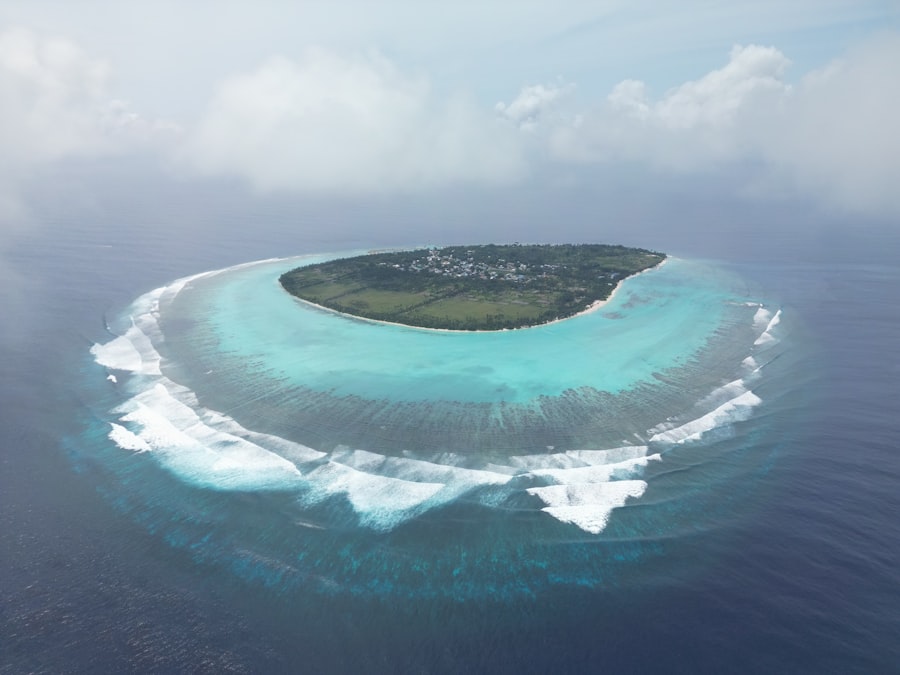
Following World War II, the United States took control of the Marshall Islands under a United Nations trusteeship agreement. This marked the beginning of a new chapter in the islands’ history, one that would be defined by nuclear testing. Between 1946 and 1958, the U.S.
conducted a series of nuclear tests in the region, with Bikini Atoll and Enewetak Atoll serving as primary sites for these experiments. The tests were part of a broader strategy during the Cold War to develop and demonstrate nuclear capabilities. The decision to conduct nuclear tests in the Marshall Islands was met with little regard for the local population.
Inhabitants were forcibly relocated from their homes, often with little warning or compensation. The U.S. government assured them that their safety was a priority; however, many Marshallese were left unaware of the long-term consequences that would follow.
The tests not only altered the physical landscape but also had profound implications for the health and well-being of those who lived in proximity to the blast sites.
Environmental and health impacts of nuclear testing on the Marshall Islands
| Impact | Details |
|---|---|
| Radioactive Contamination | High levels of radiation in soil, water, and food sources |
| Health Effects | Increased rates of cancer, birth defects, and thyroid disorders |
| Displacement | Forced relocation of indigenous people from contaminated areas |
| Ecosystem Damage | Loss of biodiversity and disruption of marine and terrestrial ecosystems |
| Cultural Impact | Loss of traditional lands and disruption of cultural practices |
The environmental and health impacts of nuclear testing in the Marshall Islands have been catastrophic and far-reaching. The detonation of nuclear devices resulted in widespread contamination of land and water sources, rendering many areas uninhabitable. Radioactive fallout spread across vast distances, affecting not only those living near the test sites but also communities on other islands.
The long-term effects of this contamination continue to pose significant challenges for the Marshallese people. Health issues stemming from exposure to radiation have been documented extensively among the Marshallese population. Increased rates of cancer, thyroid disorders, and other serious health conditions have been reported in individuals who lived in or near affected areas.
The psychological toll on communities has also been profound, as families grapple with loss, trauma, and uncertainty about their future.
The Bikini Atoll nuclear tests
Bikini Atoll stands as one of the most infamous sites of nuclear testing in history. In 1946, the U.S. conducted Operation Crossroads at Bikini, which involved two major detonations designed to assess the effects of nuclear weapons on naval vessels.
The first test, codenamed “Able,” was an aerial bomb dropped on a fleet of ships, while “Baker,” the second test, involved an underwater explosion that created a massive radioactive plume. These tests not only demonstrated the destructive power of nuclear weapons but also had devastating consequences for the local population. The residents of Bikini Atoll were evacuated prior to the tests, but many were later allowed to return under assurances that their home was safe.
Unfortunately, this was not the case; upon their return, they discovered that their land was contaminated and unfit for habitation. The U.S. government eventually relocated them again, but many Bikini Islanders have since struggled with displacement and loss of cultural identity.
The Bikini Atoll tests serve as a stark reminder of the human cost associated with military experimentation and geopolitical ambitions.
The aftermath of nuclear testing on the Marshall Islands
The aftermath of nuclear testing in the Marshall Islands has been characterized by ongoing struggles for justice and recognition. Many communities continue to face displacement due to contamination and health issues resulting from exposure to radiation. The U.S. government has provided some compensation through various agreements; however, many Marshallese feel that these measures fall short of addressing their needs adequately. In addition to health concerns, there are significant challenges related to land use and environmental restoration. Efforts to clean up contaminated sites have been met with limited success, leaving many areas still unsafe for habitation or agriculture. The psychological impact on communities has also been profound; feelings of loss and betrayal linger as residents confront a future marked by uncertainty. The legacy of nuclear testing continues to shape social dynamics within the islands as they navigate their path toward recovery.
The Marshall Islands’ quest for justice and compensation
The quest for justice and compensation has been a central theme in the narrative of the Marshall Islands since nuclear testing began. Over the years, various legal battles have been waged against the U.S. government as Marshallese leaders seek accountability for the harms inflicted upon their people.
While some settlements have been reached, many argue that these agreements do not adequately reflect the extent of suffering experienced by those affected. In recent years, advocacy groups have emerged to amplify the voices of those impacted by nuclear testing. These organizations work tirelessly to raise awareness about ongoing health issues and environmental degradation while pushing for more comprehensive reparations from the U.S.
government. The struggle for justice is not just about financial compensation; it is also about recognition and validation of experiences that have often been overlooked or dismissed by larger political narratives.
International response to the Marshall Islands’ nuclear testing history
The international response to the history of nuclear testing in the Marshall Islands has been mixed. While some nations have expressed solidarity with the Marshallese people and acknowledged their suffering, others remain silent or disengaged from discussions surrounding reparations and accountability. International organizations have occasionally intervened to provide humanitarian assistance; however, sustained efforts toward justice have been limited.
The United Nations has played a role in addressing issues related to nuclear disarmament and non-proliferation globally, yet specific attention to the plight of the Marshall Islands has often been overshadowed by broader geopolitical concerns. As global awareness grows regarding historical injustices related to colonialism and military experimentation, there is hope that more nations will recognize their responsibility to support affected communities like those in the Marshall Islands.
The legacy of nuclear testing on the Marshall Islands
The legacy of nuclear testing on the Marshall Islands is one marked by resilience amid adversity. Despite facing numerous challenges stemming from decades of exploitation and environmental degradation, the people of the Marshall Islands continue to advocate for their rights and preserve their cultural heritage. Their story serves as a powerful reminder of human endurance in the face of overwhelming odds.
Moreover, this legacy has sparked important conversations about nuclear disarmament and non-proliferation worldwide. As nations grapple with their own histories related to nuclear weapons development and testing, lessons learned from the experiences of the Marshall Islands can inform future policies aimed at preventing similar injustices from occurring elsewhere.
Efforts towards nuclear non-proliferation and disarmament in the Marshall Islands
Efforts toward nuclear non-proliferation and disarmament in the Marshall Islands are driven by a desire to ensure that future generations do not suffer from similar fates as those who lived through nuclear testing. Local leaders have actively participated in international forums advocating for disarmament while sharing their experiences as a cautionary tale against further proliferation. The Marshall Islands has also taken legal action on an international scale by filing lawsuits against nuclear-armed states at institutions like the International Court of Justice (ICJ).
These actions aim not only to seek justice for past wrongs but also to promote global awareness about disarmament issues that affect all nations.
The future of the Marshall Islands in the context of nuclear testing
The future of the Marshall Islands remains uncertain as it grapples with both its historical legacy and contemporary challenges related to climate change and environmental degradation. As rising sea levels threaten low-lying atolls, there is an urgent need for sustainable development strategies that prioritize resilience while addressing past injustices stemming from nuclear testing. In navigating this complex landscape, it is crucial for both local leaders and international partners to work collaboratively toward solutions that honor cultural heritage while ensuring safety and well-being for all residents.
By fostering dialogue around these pressing issues, there is hope that future generations will inherit a more just world—one where lessons learned from history guide efforts toward peace and reconciliation rather than conflict and division.
The Marshall Islands have a complex and poignant history related to nuclear testing, which has had lasting impacts on its environment and people. An insightful article that delves into this history can be found on MyGeoQuest, providing a comprehensive overview of the events and their consequences. For more detailed information, you can read the article by visiting this page. This resource offers valuable context and analysis, shedding light on the enduring legacy of nuclear testing in the Marshall Islands.
FAQs
What is the Marshall Islands nuclear history?
The Marshall Islands nuclear history refers to the period between 1946 and 1958 when the United States conducted 67 nuclear tests in the Marshall Islands, which had been a part of the Trust Territory of the Pacific Islands administered by the United States.
How did the nuclear testing impact the Marshall Islands?
The nuclear testing had devastating effects on the environment and the health of the Marshallese people. The tests resulted in widespread radioactive contamination, leading to long-term health issues and displacement of local communities.
What is the current status of the nuclear testing sites in the Marshall Islands?
The nuclear testing sites in the Marshall Islands remain contaminated with radioactive materials, posing ongoing environmental and health risks. Efforts to clean up and mitigate the effects of the nuclear testing continue to be a priority for the Marshallese government and the international community.
What is the legal status of the Marshall Islands nuclear history?
The Marshall Islands has sought legal recourse for the damages caused by the nuclear testing, including filing lawsuits against the United States and other nuclear-armed nations for their failure to uphold disarmament obligations under international law.
What efforts are being made to address the legacy of nuclear testing in the Marshall Islands?
The Marshallese government, with support from the international community, is working to address the legacy of nuclear testing through initiatives such as environmental remediation, healthcare assistance for affected communities, and advocacy for nuclear disarmament.