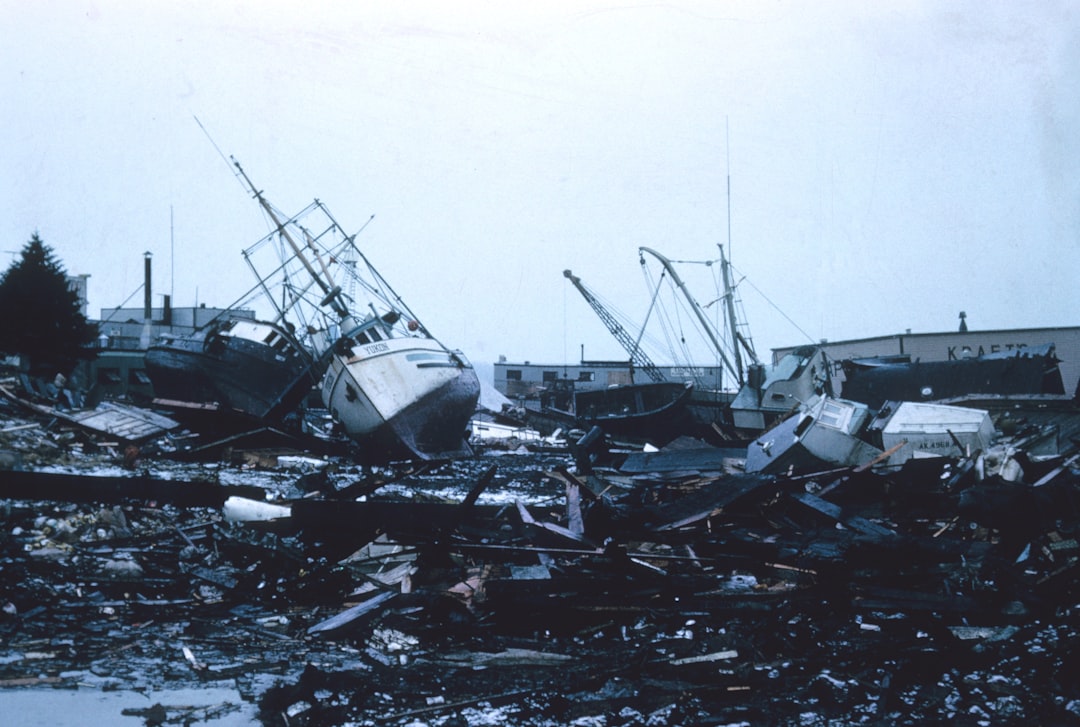
Nuclear disasters represent some of the most catastrophic events in modern history, characterized by the release of radioactive materials into the environment. These incidents can arise from a variety of causes, including equipment failure, human error, or natural disasters. The consequences of such events are profound, affecting not only the immediate vicinity but also extending their impact across regions and generations.
As societies increasingly rely on nuclear energy for power generation, understanding the implications of nuclear disasters becomes crucial for ensuring safety and sustainability. The fear surrounding nuclear disasters is often rooted in their potential for widespread devastation. The aftermath of such events can lead to long-lasting environmental damage, health crises, and significant socio-economic challenges.
As the world grapples with the dual demands of energy security and environmental stewardship, the lessons learned from past nuclear disasters serve as a critical guide for future energy policies and disaster preparedness strategies.
Key Takeaways
- Nuclear disasters have long-lasting and far-reaching impacts on the environment, wildlife, human health, and the economy.
- The Chernobyl disaster serves as a case study for understanding the immediate and long-term effects of a nuclear disaster on the environment and human health.
- The Fukushima disaster highlights the importance of preparedness and response in mitigating the impact of nuclear disasters on communities and the environment.
- Nuclear disasters have a significant impact on wildlife, leading to genetic mutations, population decline, and changes in ecosystem dynamics.
- The contamination of soil and water sources by radioactive materials from nuclear disasters poses a threat to agriculture, food safety, and human health.
The Chernobyl Disaster: A Case Study
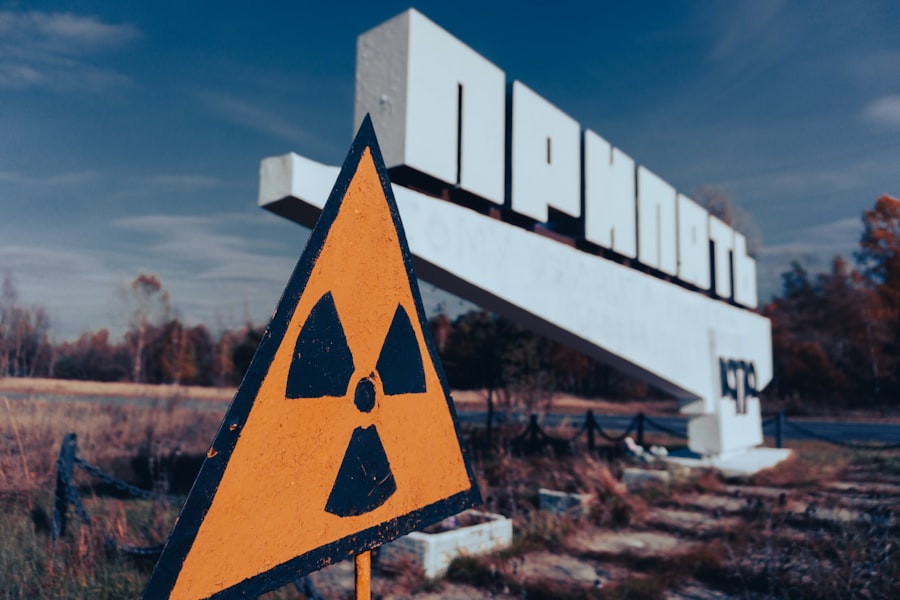
The Chernobyl disaster, which occurred on April 26, 1986, in Ukraine, stands as one of the most infamous nuclear accidents in history. A reactor at the Chernobyl Nuclear Power Plant exploded during a late-night safety test, releasing a massive amount of radioactive particles into the atmosphere. The immediate response was chaotic; firefighters and plant workers rushed to contain the blaze without fully understanding the extent of the radiation exposure they faced.
In the days that followed, thousands of people were evacuated from nearby Pripyat, but many remained unaware of the true danger posed by the radiation. The long-term consequences of the Chernobyl disaster have been staggering. An exclusion zone was established around the site, which remains largely uninhabited to this day.
The surrounding environment was heavily contaminated, leading to significant ecological changes. Wildlife populations initially declined due to radiation exposure, but over time, some species have begun to thrive in the absence of human activity. The disaster also prompted a reevaluation of nuclear safety protocols worldwide, highlighting the need for stringent regulations and emergency preparedness.
The Fukushima Disaster: A Case Study
The Fukushima disaster, which unfolded in March 2011 following a massive earthquake and tsunami in Japan, serves as another critical case study in nuclear safety. The natural disaster disabled the power supply and cooling systems of three reactors at the Fukushima Daiichi Nuclear Power Plant, leading to core meltdowns and the release of radioactive materials. Unlike Chernobyl, where human error played a significant role, Fukushima illustrated how external factors could precipitate a nuclear crisis.
In the wake of the Fukushima disaster, Japan faced immense challenges in managing the aftermath. Evacuations were ordered for tens of thousands of residents living near the plant, and extensive decontamination efforts were initiated. The incident raised global awareness about the vulnerabilities of nuclear power plants to natural disasters and sparked debates about the future of nuclear energy in Japan and beyond.
Environmental Impact on Wildlife
| Species | Population | Threat Level |
|---|---|---|
| Tigers | 3,900 | Endangered |
| Polar Bears | 22,000-31,000 | Vulnerable |
| Elephants | 415,000 | Endangered |
The environmental impact of nuclear disasters extends far beyond human populations; wildlife is also significantly affected by radiation exposure. In the wake of both Chernobyl and Fukushima, studies have shown that various species experience alterations in behavior, reproduction, and overall health due to radioactive contamination. In Chernobyl’s exclusion zone, researchers have observed changes in animal populations, with some species thriving in areas devoid of human presence while others struggle to survive.
In contrast to initial fears that radiation would decimate wildlife populations, some studies indicate that certain species have adapted to their new environment. For instance, populations of wolves, deer, and other animals have been observed to flourish in areas previously inhabited by humans. However, this apparent resilience does not negate the long-term genetic effects that radiation can have on these populations.
The complex interplay between radiation exposure and wildlife health continues to be a subject of ongoing research.
Impact on Soil and Agriculture
The impact of nuclear disasters on soil and agriculture is profound and multifaceted. Following events like Chernobyl and Fukushima, large areas of land become contaminated with radioactive isotopes, rendering them unsuitable for farming and habitation. In Chernobyl’s case, agricultural production plummeted as farmers were forced to abandon their fields due to contamination fears.
The long-term effects on soil quality can persist for decades, complicating recovery efforts and agricultural practices. In regions affected by nuclear disasters, soil remediation becomes a critical concern. Efforts to decontaminate agricultural land often involve complex processes that can be costly and time-consuming.
Farmers may face restrictions on crop production due to safety regulations, leading to economic hardships for communities reliant on agriculture. The psychological impact on farmers and their families cannot be overlooked either; the fear of radiation contamination can lead to a loss of confidence in food safety and agricultural viability.
Long-term Effects on Human Health

The long-term effects of nuclear disasters on human health are a significant concern for affected populations. Following Chernobyl, there was a marked increase in thyroid cancer cases among those exposed to radioactive iodine released during the accident. Children were particularly vulnerable due to their developing bodies and higher rates of cellular division.
Similarly, studies following Fukushima have indicated potential increases in psychological distress among evacuees and those living near contaminated areas. Beyond cancer rates, mental health issues have emerged as a critical aspect of post-disaster recovery. The stress associated with evacuation, loss of homes, and uncertainty about future health can lead to anxiety and depression among affected individuals.
Longitudinal studies are essential for understanding these health impacts over time and for developing effective support systems for those living in the shadow of nuclear disasters.
Radioactive Contamination of Water Sources
Radioactive contamination of water sources is another grave consequence of nuclear disasters that poses risks to both human health and ecosystems. Following Chernobyl, radioactive isotopes were detected in rivers and groundwater systems surrounding the plant. Similarly, after Fukushima, concerns arose regarding the release of contaminated water into the Pacific Ocean as plant operators struggled to manage water used for cooling reactors.
The implications of contaminated water sources are far-reaching. For communities relying on local water supplies for drinking and irrigation, exposure to radioactive materials can lead to serious health issues over time. Additionally, aquatic ecosystems suffer as fish and other marine life absorb these contaminants, potentially entering the food chain and affecting broader ecological dynamics.
Addressing water contamination requires comprehensive monitoring and remediation efforts to safeguard public health.
Displacement of Communities
Displacement is one of the most immediate and visible impacts of nuclear disasters on communities. In both Chernobyl and Fukushima, thousands were forced to evacuate their homes due to radiation exposure risks. This sudden displacement disrupts lives and livelihoods, leading to long-term social and economic challenges for affected individuals and families.
The psychological toll of displacement can be profound; individuals may experience grief over lost homes and communities while grappling with uncertainty about their future. Rebuilding lives after such an event is not merely a matter of physical relocation; it involves addressing emotional scars and fostering social cohesion among displaced populations. Governments and organizations must prioritize support systems that facilitate recovery and reintegration into society.
Economic Impact of Nuclear Disasters
The economic impact of nuclear disasters extends beyond immediate cleanup costs; it encompasses long-term repercussions for local economies and industries reliant on stable environments. In regions affected by Chernobyl, agricultural production plummeted as farmers abandoned their fields due to contamination fears. Similarly, tourism industries suffered as areas became synonymous with disaster rather than natural beauty.
In addition to direct economic losses, there are broader implications for energy policy and investment in nuclear technology. The Fukushima disaster led many countries to reconsider their reliance on nuclear power, resulting in shifts toward alternative energy sources. This transition can create both challenges and opportunities as nations seek to balance energy needs with safety concerns.
Efforts to Mitigate Environmental Damage
Efforts to mitigate environmental damage following nuclear disasters are complex and multifaceted. In both Chernobyl and Fukushima, extensive decontamination efforts were initiated to address soil contamination and restore affected ecosystems. These efforts often involve collaboration between governments, scientists, and local communities working together toward recovery.
Innovative technologies are being explored to enhance remediation processes. For instance, bioremediation techniques that utilize microorganisms to break down radioactive materials are gaining attention as potential solutions for contaminated sites. Additionally, ongoing research into understanding radiation’s effects on ecosystems informs strategies for rehabilitation and conservation efforts in affected areas.
Lessons Learned and the Future of Nuclear Energy
The lessons learned from past nuclear disasters are invaluable for shaping the future of nuclear energy policy worldwide. Both Chernobyl and Fukushima underscored the importance of rigorous safety protocols, emergency preparedness plans, and transparent communication with affected communities. As nations continue to explore nuclear energy as a viable power source amid climate change concerns, these lessons must inform decision-making processes.
Looking ahead, there is potential for advancements in nuclear technology that prioritize safety and sustainability. Innovations such as small modular reactors (SMRs) promise enhanced safety features while reducing waste generation. However, public perception remains a significant barrier; rebuilding trust in nuclear energy will require transparent dialogue about risks and benefits alongside robust regulatory frameworks that prioritize safety above all else.
In conclusion, nuclear disasters serve as stark reminders of the potential consequences associated with reliance on nuclear energy. The experiences from Chernobyl and Fukushima highlight not only the immediate impacts but also the long-term challenges faced by affected communities and ecosystems. As society navigates its energy future, it is imperative that lessons learned from these tragedies guide policies aimed at ensuring safety while addressing environmental concerns.
The environmental impact of nuclear disasters is a topic of significant concern, as these events can lead to long-lasting contamination of ecosystems and pose serious health risks to humans and wildlife.
This article provides insights into how nuclear disasters affect the environment and the measures that can be taken to mitigate these impacts. For more detailed information, you can read the article by visiting this link.
FAQs
What is a nuclear disaster?
A nuclear disaster refers to an event in which a significant release of radioactive material occurs from a nuclear power plant, nuclear waste storage facility, or other nuclear facility, leading to widespread environmental and health impacts.
What are the environmental impacts of a nuclear disaster?
The environmental impacts of a nuclear disaster can include contamination of air, water, and soil with radioactive materials, which can persist for many years. This can lead to long-term damage to ecosystems, including effects on plant and animal life.
How does a nuclear disaster affect human health?
Exposure to radioactive materials released during a nuclear disaster can have serious health effects on humans, including an increased risk of cancer, genetic mutations, and other radiation-related illnesses. Immediate effects can include radiation sickness and burns.
What are the long-term consequences of a nuclear disaster on the environment?
The long-term consequences of a nuclear disaster on the environment can include the persistence of radioactive contamination in the affected area, which can continue to pose risks to ecosystems and human health for many years. This can also lead to restrictions on land use and economic activities in the affected area.
How do authorities mitigate the environmental impact of a nuclear disaster?
Authorities mitigate the environmental impact of a nuclear disaster through measures such as decontamination of affected areas, monitoring of environmental radiation levels, and implementing restrictions on the consumption of contaminated food and water. Additionally, efforts are made to contain and manage the release of radioactive materials to prevent further environmental contamination.