
Bikini Atoll, a remote group of islands in the Marshall Islands, is a name that resonates with both beauty and tragedy. Known for its stunning turquoise waters and vibrant coral reefs, this atoll is part of a larger archipelago in the central Pacific Ocean. However, beneath its picturesque surface lies a complex history marked by nuclear testing and environmental degradation.
The atoll consists of 36 islands and islets, with a total land area of approximately 6.3 square miles, surrounded by a lagoon that is rich in marine biodiversity. Despite its natural allure, Bikini Atoll serves as a stark reminder of the consequences of human intervention in nature. The atoll’s significance extends beyond its geographical beauty; it has become a symbol of the nuclear age and the impact of military activities on indigenous populations and ecosystems.
The story of Bikini Atoll is one of resilience and recovery, as it has faced numerous challenges over the decades. As the world grapples with the legacy of nuclear weapons, Bikini Atoll stands as a testament to the need for environmental stewardship and the importance of understanding the past to protect the future.
Key Takeaways
- Bikini Atoll, located in the Pacific Ocean, is known for its history of nuclear testing by the United States during the mid-20th century.
- The nuclear testing at Bikini Atoll had devastating environmental and health impacts, displacing the local residents and contaminating the area with radiation.
- Efforts to restore and clean up Bikini Atoll are ongoing, with initiatives to monitor radiation levels and restore the marine life and ecosystems in the area.
- Residents of Bikini Atoll continue to face health and safety concerns due to the lingering effects of radiation, posing challenges for their return and resettlement.
- Bikini Atoll holds cultural and historical significance for its indigenous people, and future plans aim to preserve its heritage while promoting environmental restoration.
History of Bikini Atoll and the Nuclear Testing
The history of Bikini Atoll is inextricably linked to the United States’ nuclear testing program during the mid-20th century. In 1946, the U.S. government selected Bikini Atoll as the site for a series of nuclear tests, believing that its remote location would minimize risks to populated areas.
The first test, known as Operation Crossroads, took place in July 1946 and involved detonating two atomic bombs in the lagoon. These tests were intended to assess the effects of nuclear weapons on naval vessels and military equipment, but they also had devastating consequences for the local population and environment. The indigenous people of Bikini, who had lived on the atoll for generations, were forcibly relocated to other islands, primarily to Kili Island, where they faced numerous challenges adapting to their new environment.
The tests continued throughout the 1950s, culminating in the infamous Castle Bravo test in 1954, which was the largest nuclear detonation ever conducted by the United States. This explosion not only contaminated the atoll but also affected nearby islands and even U.S. servicemen involved in the tests.
The legacy of these nuclear tests has left an indelible mark on Bikini Atoll, shaping its history and influencing its future.
Current Status of Bikini Atoll
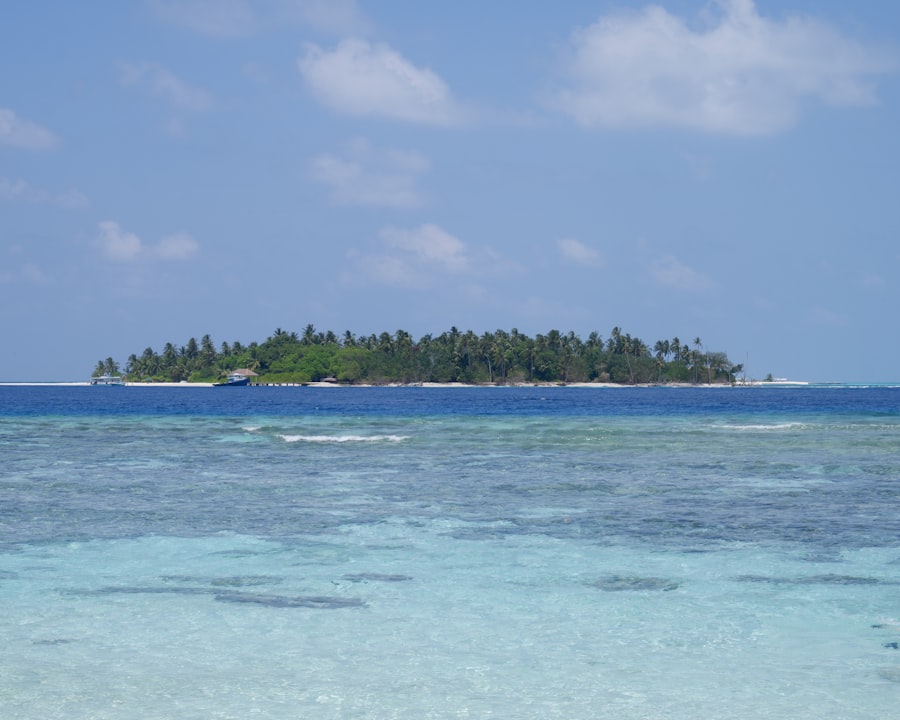
Today, Bikini Atoll remains largely uninhabited, with only a small number of researchers and environmentalists visiting periodically. The local population has been displaced for decades, living in exile while their homeland remains contaminated. The U.S. government has made efforts to address some of the consequences of nuclear testing, including providing compensation to affected residents and funding for health care and education. However, many former residents feel that these measures have been insufficient to address their needs and restore their homeland. In recent years, there has been a growing interest in the atoll’s potential for ecological restoration and sustainable development.
The current status of Bikini Atoll reflects a delicate balance between acknowledging its troubled past and envisioning a future that honors both its cultural heritage and environmental potential.
Environmental Impact of Nuclear Testing
| Event | Impact |
|---|---|
| Radioactive Fallout | Contamination of air, water, and soil |
| Displacement of Indigenous Peoples | Forced relocation due to testing sites |
| Ecological Damage | Loss of biodiversity and habitat destruction |
| Health Effects | Increased cancer rates and genetic mutations |
The environmental impact of nuclear testing at Bikini Atoll has been profound and far-reaching. The detonation of atomic bombs released vast amounts of radioactive materials into the atmosphere and surrounding waters, leading to long-term contamination of soil and marine ecosystems.
The tests not only altered the physical landscape but also disrupted the delicate balance of marine life that had thrived in these waters for centuries. In addition to direct destruction, the nuclear tests have had lasting effects on the atoll’s ecosystem. Studies have shown that radioactive isotopes remain present in soil and sediment, posing risks to any potential future inhabitants or visitors.
The contamination has also affected fish populations, which are vital for both local diets and economic activities such as fishing. As scientists continue to study the long-term ecological consequences of nuclear testing, it becomes increasingly clear that restoring Bikini Atoll’s environment will require significant effort and commitment.
Radiation Levels in Bikini Atoll
Radiation levels in Bikini Atoll have been a subject of extensive research since the conclusion of nuclear testing. While some areas have shown signs of recovery over time, others remain highly contaminated due to residual radioactive materials from past detonations. Monitoring programs have been established to assess radiation levels regularly, providing valuable data on the safety of the environment for potential human habitation or tourism.
Despite ongoing monitoring efforts, many areas within Bikini Atoll still exceed safety thresholds for radiation exposure. This has led to continued restrictions on access to certain parts of the atoll, particularly those that were directly impacted by nuclear detonations. The complexities surrounding radiation levels highlight the challenges faced by scientists and policymakers in determining when—or if—it will be safe for people to return to their ancestral lands.
As research continues, it is essential to prioritize transparency and communication with affected communities regarding radiation risks and safety measures.
Marine Life and Ecosystems in Bikini Atoll

Despite its troubled history, Bikini Atoll is home to a diverse array of marine life and ecosystems that have shown remarkable resilience in the face of adversity. The surrounding lagoon is teeming with various species of fish, coral reefs, and other marine organisms that contribute to its ecological richness. Researchers have documented over 400 species of fish and numerous coral species within the atoll’s waters, making it an important area for biodiversity conservation.
The unique marine ecosystems found in Bikini Atoll are not only vital for local wildlife but also hold significant potential for scientific research and education. As scientists study these ecosystems, they gain insights into how marine life adapts to changing environments and how ecosystems can recover from disturbances. Protecting these habitats is crucial not only for preserving biodiversity but also for understanding broader ecological processes that can inform conservation efforts worldwide.
Efforts to Restore and Clean Up Bikini Atoll
In recent years, there have been concerted efforts to restore and clean up Bikini Atoll following decades of nuclear testing. Various organizations, including governmental agencies and non-profit groups, have initiated projects aimed at assessing contamination levels and developing strategies for ecological restoration. These efforts often involve collaboration with local communities, ensuring that their voices are heard in discussions about their homeland’s future.
One significant aspect of restoration efforts is reintroducing native plant species to help stabilize soil and promote biodiversity recovery. Additionally, researchers are exploring innovative techniques for remediating contaminated areas while minimizing further environmental impact. While challenges remain—particularly concerning radiation levels—these initiatives represent a hopeful step toward healing both the land and its people.
Health and Safety Concerns for Bikini Atoll Residents
Health and safety concerns continue to loom large for former residents of Bikini Atoll who were displaced due to nuclear testing. Many individuals have reported health issues linked to radiation exposure, including increased rates of cancer and other illnesses. The psychological toll of displacement has also been significant, as many former residents grapple with feelings of loss regarding their homeland.
Efforts to address these health concerns have included medical monitoring programs funded by the U.S. government; however, many former residents feel that these initiatives do not adequately meet their needs or provide sufficient support for long-term health issues related to radiation exposure. As discussions about returning to Bikini Atoll continue, it is essential that health considerations remain at the forefront of any plans for resettlement or restoration.
Cultural and Historical Significance of Bikini Atoll
Bikini Atoll holds immense cultural and historical significance for its indigenous people, who have lived on these islands for generations before being forcibly relocated due to nuclear testing. The atoll is not just a geographical location; it represents a rich cultural heritage that includes traditional practices, stories, and connections to ancestral lands. For many former residents, returning to Bikini Atoll is not merely about reclaiming territory but about reconnecting with their identity and heritage.
The cultural significance extends beyond individual experiences; it encompasses collective memory and resilience in the face of adversity. Efforts to preserve this cultural heritage are crucial as discussions about restoration progress. Engaging with local communities in meaningful ways can help ensure that their voices are heard in shaping future plans for Bikini Atoll while honoring their history.
Future Plans for Bikini Atoll
Looking ahead, future plans for Bikini Atoll involve a multifaceted approach that balances environmental restoration with cultural preservation and community engagement. As scientists continue to monitor radiation levels and assess ecological recovery, there is hope that sustainable tourism could play a role in revitalizing the atoll’s economy while promoting awareness about its history. Additionally, discussions around potential resettlement options for former residents are ongoing; however, any plans must prioritize health safety and environmental considerations before allowing people to return home.
Engaging with local communities throughout this process will be essential in ensuring that their needs are met while fostering a sense of ownership over their homeland’s future.
Conclusion and Call to Action for Bikini Atoll’s Environmental Restoration
In conclusion, Bikini Atoll serves as both a cautionary tale about the consequences of nuclear testing and a beacon of hope for environmental restoration efforts. The legacy of this unique location underscores the importance of addressing past injustices while working toward a sustainable future that honors both cultural heritage and ecological integrity. As awareness grows about the challenges faced by Bikini Atoll’s environment and its people, there is an urgent need for collective action.
Restoring Bikini Atoll requires collaboration among governments, scientists, local communities, and environmental organizations committed to healing this scarred landscape. By prioritizing transparency, health considerations, cultural preservation, and ecological restoration efforts, stakeholders can work together toward a brighter future for Bikini Atoll—a future where its beauty can once again be celebrated without the shadow of its past looming overhead.
Bikini Atoll, a site of significant historical and environmental interest, continues to capture the attention of researchers and tourists alike. Despite its past as a nuclear testing ground, the atoll has shown remarkable ecological resilience, with coral reefs and marine life gradually recovering. For those interested in exploring the current status and historical context of Bikini Atoll, a related article can be found on MyGeoQuest. This article provides insights into the ongoing environmental recovery and the challenges faced by the atoll. You can read more about it by visiting this page.
FAQs
What is the current status of Bikini Atoll?
Bikini Atoll is currently uninhabited and remains a nuclear wasteland due to the extensive nuclear testing conducted by the United States from 1946 to 1958.
Is it safe to visit Bikini Atoll?
Due to the high levels of radiation, Bikini Atoll is not safe for human habitation or tourism. The area is still considered a nuclear danger zone.
What impact did the nuclear testing have on Bikini Atoll?
The nuclear testing conducted at Bikini Atoll resulted in widespread contamination of the land and surrounding waters, leading to long-term health and environmental consequences for the local population and ecosystem.
Are there any efforts to clean up Bikini Atoll?
Efforts have been made to decontaminate certain areas of Bikini Atoll, but the process has been challenging and costly. The area remains largely uninhabitable due to the lingering effects of the nuclear testing.
What is the current status of the displaced residents of Bikini Atoll?
The original residents of Bikini Atoll were relocated to other islands in the Marshall Islands, and many have been unable to return to their homeland due to the ongoing contamination. The United States has provided some compensation to the displaced residents.