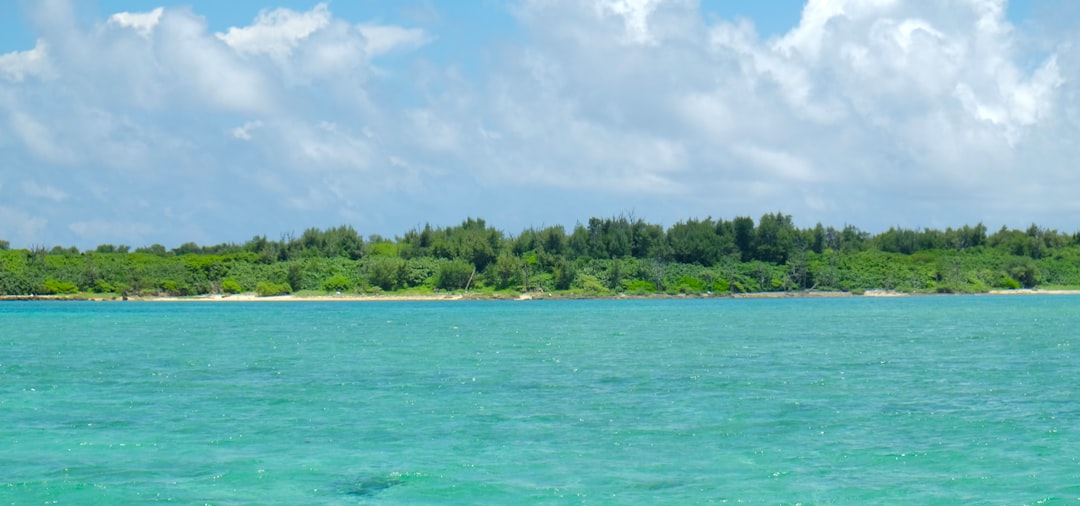
Bikini Atoll, a remote group of islands in the Marshall Islands, is a name that resonates with both beauty and tragedy. Known for its stunning turquoise waters and vibrant coral reefs, the atoll is a tropical paradise that belies its tumultuous history. Located in the central Pacific Ocean, Bikini Atoll is part of a larger chain of islands that make up the Marshall Islands, a nation that has become synonymous with the consequences of nuclear testing.
The atoll’s picturesque landscape stands in stark contrast to the events that unfolded there during the mid-20th century, events that would forever alter the lives of its indigenous people and leave an indelible mark on global history. The allure of Bikini Atoll extends beyond its natural beauty; it serves as a poignant reminder of the intersection between human ambition and environmental stewardship. As the world grapples with the legacy of nuclear power and its implications, Bikini Atoll remains a focal point for discussions about responsibility, justice, and the resilience of communities affected by such monumental decisions.
The story of Bikini Atoll is not just one of destruction; it is also one of survival, cultural identity, and the ongoing quest for recognition and reparations.
Key Takeaways
- Bikini Atoll is a small, remote island in the Pacific Ocean that has a rich cultural and spiritual significance to the Bikinian people.
- The Bikinian people were forcibly displaced from their homeland in 1946 to make way for nuclear testing by the United States.
- The nuclear testing on Bikini Atoll resulted in devastating health and environmental impacts, including radiation exposure and the destruction of the island’s ecosystem.
- The Bikinian people have been fighting for justice and compensation for decades, facing ongoing challenges in their struggle to reclaim their homeland.
- Despite the hardships they have faced, the Bikinian people have shown remarkable resilience and strength, and their story serves as a reminder of the forgotten people of Bikini Atoll.
The history of Bikini Atoll
The history of Bikini Atoll is steeped in rich cultural heritage, dating back thousands of years. The indigenous people, known as the Bikinian, inhabited the atoll for generations, developing a unique way of life that was intricately connected to their environment. They cultivated crops, fished in the surrounding waters, and maintained a deep spiritual relationship with their land and sea.
This harmonious existence was disrupted in the 1940s when geopolitical tensions following World War II led to a significant shift in the atoll’s fate. In 1946, the United States government selected Bikini Atoll as a site for nuclear testing, marking the beginning of a new chapter in its history. The decision was made without the consent or understanding of the Bikinian people, who were soon to be displaced from their ancestral home.
The U.S. military’s rationale was rooted in the desire to demonstrate military might during the Cold War era, but this ambition came at an enormous cost to the local population. The Bikinian people’s way of life was irrevocably altered as they were forced to leave their homes and traditions behind.
The nuclear testing on Bikini Atoll

The nuclear testing conducted on Bikini Atoll began with Operation Crossroads in 1946, which involved two significant detonations: Able and Baker. These tests were designed to assess the effects of nuclear weapons on naval vessels and military equipment. The first detonation, Able, took place on July 1, 1946, and was an aerial bomb dropped from a B-29 bomber.
The explosion created a massive fireball and a mushroom cloud that rose over 30,000 feet into the atmosphere. The second test, Baker, involved an underwater explosion that resulted in widespread contamination of the lagoon and surrounding areas. The impact of these tests was catastrophic, not only for the environment but also for the Bikinian people who had been evacuated to nearby islands.
The fallout from these nuclear detonations spread far beyond the immediate vicinity, affecting marine life and ecosystems that had sustained the Bikinian community for centuries. In total, over 60 nuclear tests were conducted in the Marshall Islands between 1946 and 1958, with Bikini Atoll serving as one of the primary sites. Each explosion left behind a legacy of destruction that would haunt both the land and its people for generations.
The displacement of the Bikinian people
| Year | Number of people displaced | Location of displacement |
|---|---|---|
| 1946 | 167 | Bikini Atoll |
| 1947 | 167 | Rongerik Atoll |
| 1948 | 167 | Kili Island |
| 1949 | 167 | Jaluit Atoll |
The forced displacement of the Bikinian people is one of the most tragic aspects of their history. When the U.S. government decided to conduct nuclear tests on Bikini Atoll, it did so without adequately informing or consulting the local population.
The Bikinian were relocated to other islands, such as Kili Island and Ejit Island, where they faced numerous challenges in adapting to new environments. Their traditional way of life was disrupted, and they struggled to maintain their cultural identity in unfamiliar surroundings. The relocation process was fraught with difficulties.
The Bikinian people were promised that they would eventually be able to return to their homeland once it was deemed safe; however, this promise remained unfulfilled for decades. As time passed, many Bikinian found themselves living in poverty and facing health issues related to radiation exposure from nuclear testing. The loss of their ancestral land not only affected their physical well-being but also severed their connection to their cultural heritage and spiritual beliefs tied to Bikini Atoll.
The health and environmental impact of nuclear testing
The health consequences of nuclear testing on Bikini Atoll have been profound and long-lasting. Many Bikinian people who were exposed to radiation during the tests have reported serious health issues, including cancers, thyroid disorders, and other illnesses linked to radiation exposure. The U.S. government initially downplayed these health risks, leading to years of suffering for those affected. It wasn’t until later that studies began to reveal the extent of the damage caused by nuclear fallout. In addition to health impacts, the environmental consequences have been equally devastating. The lagoon surrounding Bikini Atoll became heavily contaminated with radioactive materials, rendering it unsafe for fishing and other traditional practices that had sustained the Bikinian community for centuries. Marine life suffered as well; fish populations declined due to contamination, disrupting the delicate balance of the ecosystem. Efforts to monitor and remediate these environmental issues have been ongoing but remain challenging due to the complex nature of radioactive contamination.
The struggle for justice and compensation
In light of their suffering and displacement, the Bikinian people have engaged in a long struggle for justice and compensation from the U.S. government. Over the years, various legal battles have been fought to seek reparations for the damages inflicted upon their community.
In 1986, a settlement was reached between the U.S. government and the Marshall Islands, which included financial compensation for affected communities; however, many Bikinian felt that this settlement fell short of addressing their needs adequately. The quest for justice has been complicated by bureaucratic hurdles and ongoing disputes over compensation amounts.
Many Bikinian continue to advocate for recognition of their plight and seek additional support for health care services and environmental restoration efforts.
The ongoing challenges faced by the Bikinian people
Despite their resilience, the Bikinian people continue to face numerous challenges in their quest for justice and recovery. Many still live in substandard conditions on Kili Island and Ejit Island, where resources are limited and opportunities for economic development are scarce. Access to healthcare remains a pressing issue; many Bikinian struggle with chronic health problems resulting from radiation exposure but lack adequate medical facilities or support systems.
Additionally, there is an ongoing struggle to preserve their cultural identity amidst these challenges. As younger generations grow up away from Bikini Atoll, there is a risk that traditional practices and languages may fade away over time. Efforts are being made within the community to pass down cultural knowledge and maintain connections to their heritage; however, these efforts are often hindered by external pressures and limited resources.
The cultural and spiritual significance of Bikini Atoll
Bikini Atoll holds immense cultural and spiritual significance for the Bikinian people. For generations, it was not just a physical home but also a sacred space imbued with ancestral connections and traditions. The atoll’s natural beauty served as a backdrop for cultural practices, rituals, and communal gatherings that fostered a sense of belonging among its inhabitants.
The loss of Bikini Atoll has left a void in the lives of many Bikinian people who yearn for a return to their ancestral land. Their connection to Bikini is deeply rooted in their identity; it represents not only their past but also their hopes for future generations.
Efforts to restore and reclaim Bikini Atoll
In recent years, there have been concerted efforts aimed at restoring and reclaiming Bikini Atoll as part of a broader initiative to address historical injustices faced by its indigenous people. Environmental restoration projects have been initiated to clean up contaminated areas within the atoll’s lagoon and surrounding ecosystems. These efforts are crucial not only for ecological recovery but also for restoring hope among the Bikinian community.
Additionally, there have been discussions about potential resettlement options for those who wish to return to Bikini Atoll once it is deemed safe for habitation again. While challenges remain regarding land use rights and environmental safety assessments, these conversations represent a step toward acknowledging the rights of the Bikinian people to reclaim their homeland.
The resilience and strength of the Bikinian people
Throughout their tumultuous history, the Bikinian people have demonstrated remarkable resilience and strength in facing adversity. Despite being uprooted from their homes and enduring significant hardships due to nuclear testing, they have maintained a strong sense of community and cultural identity. Their ability to adapt while preserving their traditions speaks volumes about their determination to overcome challenges.
Community leaders have emerged as advocates for justice and recognition, working tirelessly to raise awareness about their plight on both national and international stages. This resilience is not just about survival; it embodies a commitment to ensuring that future generations understand their history while striving for a better future.
The importance of remembering the forgotten people of Bikini Atoll
As discussions around nuclear testing continue globally, it is essential not to forget the stories of those directly impacted by these events—the Bikinian people. Their experiences serve as powerful reminders of the human cost associated with military ambitions and technological advancements. By remembering Bikini Atoll’s history, society can foster greater awareness about issues related to environmental justice, indigenous rights, and accountability.
Honoring the legacy of Bikini Atoll means acknowledging both its beauty and its scars while advocating for justice on behalf of those who have suffered in silence for far too long. It is through remembrance that healing can begin—both for individuals affected by these events and for society as a whole as it grapples with its past while striving toward a more equitable future.
In exploring the poignant history of the Bikini Atoll, one cannot overlook the broader implications of nuclear testing in the Pacific and its enduring impact on indigenous populations. An insightful article that complements this narrative is available on MyGeoQuest, which delves into the geographical and cultural ramifications of such events. For a deeper understanding of these issues, you can read more about the topic by visiting this related article. This piece provides a comprehensive look at the environmental and societal challenges faced by the displaced communities, offering a broader context to the story of the forgotten people of Bikini Atoll.
FAQs
What is Bikini Atoll?
Bikini Atoll is a coral reef in the Marshall Islands consisting of 23 islands surrounding a central lagoon. It is located in the Pacific Ocean and is part of the larger island group of Micronesia.
Why are the people of Bikini Atoll considered “forgotten”?
The people of Bikini Atoll were relocated from their homeland in 1946 due to nuclear testing by the United States. Despite promises of a swift return, they have been unable to return to their homeland due to ongoing radiation contamination.
What impact did the nuclear testing have on the people of Bikini Atoll?
The nuclear testing conducted by the United States on Bikini Atoll resulted in the displacement of the local population and ongoing health issues due to radiation exposure. The atoll remains uninhabitable due to high levels of radiation.
What is being done to address the situation of the people of Bikini Atoll?
Efforts are being made to address the ongoing impact of the nuclear testing on the people of Bikini Atoll. This includes ongoing research into the health effects of radiation exposure and discussions about potential resettlement options. Additionally, the United States has provided financial compensation to the affected population.