
The Drake Passage, a body of water that separates South America from Antarctica, is renowned for its tumultuous seas and unpredictable weather. Stretching approximately 600 miles, this passage is often regarded as one of the most challenging maritime routes in the world. Sailors and adventurers alike have long been captivated by its fierce reputation, which stems from the confluence of the Atlantic and Pacific Oceans.
The waters here are notorious for their high waves and strong currents, making navigation a daunting task. For those who dare to traverse this passage, the experience can be both exhilarating and terrifying. Historically, the Drake Passage has been a significant route for explorers and researchers venturing to the Antarctic region.
The passage is named after Sir Francis Drake, the English sea captain who was one of the first to navigate these waters in the late 16th century. Today, it serves as a gateway for tourists seeking to experience the breathtaking landscapes and unique wildlife of Antarctica. However, the challenges posed by the Drake Passage cannot be understated; many travelers find themselves grappling with seasickness and anxiety as they embark on this journey.
As such, understanding the intricacies of this crossing is essential for anyone considering a trip to the southernmost continent.
Key Takeaways
- The Drake Passage is known for its challenging crossing due to rough seas and strong winds.
- Weather conditions in the Drake Passage can be unpredictable and extreme, with frequent storms and high waves.
- There are limited flight options for crossing the Drake Passage, with only a few airlines offering this route.
- Safety considerations for flying over the Drake Passage include the need for experienced pilots and well-maintained aircraft.
- The Drake Passage is home to diverse wildlife and stunning scenery, making it a unique experience for travelers.
Weather Conditions in the Drake Passage
The weather conditions in the Drake Passage are notoriously volatile, characterized by rapid changes that can occur within a matter of hours. The region is influenced by a variety of climatic factors, including strong winds, ocean currents, and the proximity to the Antarctic continent. As a result, travelers can expect a wide range of weather phenomena, from calm seas to violent storms.
The infamous “Drake Shake,” a term used to describe particularly rough seas, can turn an otherwise pleasant journey into a harrowing experience. During the summer months, which typically span from November to March, conditions in the Drake Passage tend to be more favorable for crossing. However, even during this period, travelers should remain vigilant and prepared for sudden shifts in weather.
The temperature can fluctuate dramatically, and fog can obscure visibility, complicating navigation for vessels. Those planning to cross the Drake Passage should be aware of these unpredictable weather patterns and take appropriate precautions to ensure their safety and comfort throughout the journey.
Flight Options for Crossing the Drake Passage
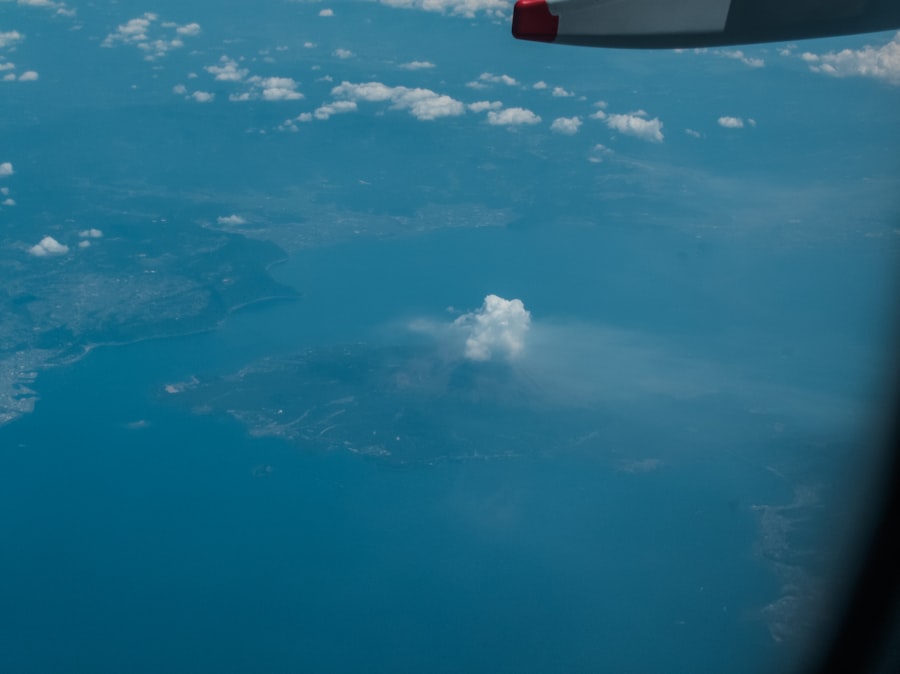
For those who wish to avoid the tumultuous waters of the Drake Passage, flying offers a viable alternative. Several airlines operate flights between Punta Arenas in Chile and King George Island in Antarctica, providing travelers with a quicker and more comfortable means of crossing this challenging expanse. These flights typically take around two hours and allow passengers to bypass the often-turbulent sea journey altogether.
This option has gained popularity among tourists who prefer to minimize their exposure to rough seas while still experiencing the wonders of Antarctica. In addition to commercial flights, charter services are also available for those seeking a more personalized travel experience. These flights can accommodate smaller groups and offer flexibility in scheduling, making them an attractive choice for adventurers looking to explore specific areas of Antarctica.
However, travelers should be aware that flight availability may vary depending on weather conditions and demand, so planning ahead is crucial for securing a spot on these flights.
Safety Considerations for Flying Over the Drake Passage
| Consideration | Details |
|---|---|
| Weather | Unpredictable and severe weather conditions can impact flight safety. |
| Turbulence | Strong winds and turbulent air can create challenging flying conditions. |
| Remote Location | The Drake Passage is a remote area with limited access to emergency services. |
| Icebergs | Potential presence of icebergs in the area poses a risk to aircraft safety. |
| Altitude | Flying at high altitudes over the passage requires careful consideration of oxygen levels. |
While flying over the Drake Passage may seem like a safer alternative to sailing, it is not without its own set of safety considerations. Pilots operating in this region must be well-trained and experienced in navigating the unique challenges posed by the weather and terrain. The flight path often requires careful monitoring of atmospheric conditions, as sudden changes can impact visibility and flight stability.
Travelers should ensure that they are flying with reputable airlines that prioritize safety and adhere to strict operational standards. Additionally, passengers should be prepared for potential delays or cancellations due to adverse weather conditions. The unpredictable nature of the Drake Passage means that flights may be rerouted or postponed at a moment’s notice.
Travelers should remain flexible and patient, understanding that safety is always the top priority when flying in this region. By staying informed and prepared, passengers can help ensure a smooth and enjoyable flight experience.
Wildlife and Scenery in the Drake Passage
One of the most compelling reasons to traverse the Drake Passage—whether by sea or air—is the opportunity to witness its stunning wildlife and breathtaking scenery. The waters are teeming with marine life, including various species of whales, seals, and seabirds. Travelers may be fortunate enough to spot majestic humpback whales breaching the surface or playful sea lions basking on ice floes.
The rich biodiversity of this region makes it a paradise for wildlife enthusiasts and photographers alike. In addition to its vibrant marine life, the Drake Passage offers awe-inspiring views of icebergs and glaciers that dot the landscape. The stark contrast between the deep blue waters and the brilliant white ice creates a mesmerizing visual spectacle that captivates all who venture here.
Whether viewed from a ship or an aircraft, the scenery is nothing short of breathtaking. For many travelers, these natural wonders serve as a reminder of the raw beauty and power of nature, making the journey across or over the Drake Passage an unforgettable experience.
Alternatives to Flying Over the Drake Passage

While flying over the Drake Passage is an appealing option for many travelers, there are several alternatives worth considering. For those who still wish to experience the thrill of sailing but want to minimize their time spent in rough waters, some cruise lines offer itineraries that include longer stays in calmer coastal areas before crossing into more turbulent waters. This approach allows passengers to enjoy both the adventure of sailing and the comfort of smoother seas.
Another alternative is to embark on an expedition cruise that includes stops at various points along the Antarctic Peninsula. These cruises often feature smaller vessels designed for navigating icy waters, providing a more intimate experience with nature while still allowing travelers to explore remote locations. By choosing this option, adventurers can immerse themselves in the beauty of Antarctica without having to endure extended periods of rough sailing across the Drake Passage.
Advantages of Flying Over the Drake Passage
Flying over the Drake Passage presents several advantages that appeal to many travelers. One of the most significant benefits is time efficiency; flights typically take only about two hours compared to several days spent at sea.
Additionally, flying offers a level of comfort that many find appealing. Passengers can avoid seasickness and anxiety associated with turbulent waters while enjoying stunning aerial views of icebergs and glaciers below. The convenience of flying also allows travelers to arrive at their destination feeling refreshed and ready to embark on their Antarctic adventures without the fatigue that often accompanies long sea voyages.
Disadvantages of Flying Over the Drake Passage
Despite its many advantages, flying over the Drake Passage does come with certain disadvantages that travelers should consider before making their decision. One notable drawback is that flights are subject to weather-related cancellations or delays due to rapidly changing conditions in this region. This unpredictability can lead to frustration for travelers who have tight schedules or specific plans upon arrival.
Moreover, while flying provides a quick way to reach Antarctica, it may limit some aspects of the overall experience. Many adventurers cherish the opportunity to sail through the Drake Passage as part of their journey; it offers a sense of connection with nature and an appreciation for the challenges faced by early explorers. By opting for a flight instead of a sea voyage, travelers may miss out on this unique aspect of their Antarctic adventure.
Tips for Flying Over the Drake Passage
For those who decide to fly over the Drake Passage, several tips can help ensure a smooth experience. First and foremost, travelers should book their flights well in advance to secure their desired travel dates and avoid last-minute complications. Additionally, it is advisable to keep an eye on weather forecasts leading up to departure day; being informed about potential delays can help manage expectations.
Packing appropriately is also crucial; layers are recommended due to fluctuating temperatures both on board and upon arrival in Antarctica. Travelers should also consider bringing motion sickness medication just in case they experience discomfort during takeoff or landing. Finally, maintaining flexibility in travel plans will allow passengers to adapt easily if changes arise due to weather conditions or other unforeseen circumstances.
Cost of Flying Over the Drake Passage
The cost of flying over the Drake Passage varies depending on several factors, including airline choice, time of booking, and seasonal demand. Generally speaking, flights tend to be more expensive than traditional ferry crossings due to their convenience and speed. Travelers should expect prices ranging from several hundred to over a thousand dollars per person for round-trip tickets.
While this may seem steep compared to sailing options, many find that the benefits—such as reduced travel time and increased comfort—justify the expense. Additionally, travelers should consider any additional costs associated with their overall trip budget when evaluating whether flying is worth it for their Antarctic adventure.
Is Flying Over the Drake Passage Worth It?
Ultimately, whether flying over the Drake Passage is worth it depends on individual preferences and priorities. For those who prioritize time efficiency and comfort while minimizing exposure to rough seas, flying presents an attractive option that allows for quick access to Antarctica’s stunning landscapes and wildlife. However, adventurers who value the experience of sailing through these historic waters may find greater fulfillment in enduring the challenges posed by this iconic passage.
In conclusion, both flying and sailing offer unique experiences when crossing the Drake Passage. Each method has its own set of advantages and disadvantages that cater to different types of travelers. By carefully considering personal preferences, budget constraints, and desired experiences, individuals can make informed decisions about how best to embark on their journey into one of Earth’s most remote regions.
Flying over the Drake Passage is a topic of interest for many travelers and adventurers due to the challenging weather conditions and the remote nature of the region. For those curious about the geographical and navigational aspects of such a journey, a related article can be found on MyGeoQuest. This article delves into the intricacies of navigating this treacherous stretch of water and offers insights into the experiences of those who have undertaken the journey. To learn more, you can visit the article by clicking on this link: MyGeoQuest Article on the Drake Passage.
WATCH NOW! Drake Passage: Earth’s Deadliest Waters Revealed
FAQs
What is the Drake Passage?
The Drake Passage is the body of water between the southern tip of South America and the northern tip of the Antarctic Peninsula. It is known for its rough seas and strong winds.
Can you fly over the Drake Passage?
No, it is not possible to fly over the Drake Passage as it is a body of water. However, there are flights that can take you to the Antarctic Peninsula from South America, bypassing the need to cross the Drake Passage by boat.
Why is the Drake Passage difficult to cross by boat?
The Drake Passage is known for its rough seas and strong winds, making it one of the most challenging maritime routes in the world. The convergence of the Atlantic, Pacific, and Southern oceans also contributes to the turbulent conditions.
Are there any alternatives to crossing the Drake Passage by boat?
Yes, there are alternatives such as taking a flight from South America to the Antarctic Peninsula. Additionally, some cruises offer the option to fly one way and sail the other to avoid the rough seas of the Drake Passage.
What is the best time of year to cross the Drake Passage?
The best time to cross the Drake Passage is during the austral summer, from November to March, when the weather is relatively milder and the sea conditions are less severe.