
Drake’s Passage, a stretch of water that separates South America from Antarctica, is renowned for its treacherous conditions and unpredictable weather. This body of water is often regarded as one of the most challenging maritime routes in the world, notorious for its fierce winds, towering waves, and icy temperatures. For those daring enough to consider swimming across this formidable passage, the challenge is not merely physical but also mental.
The sheer scale of the undertaking looms large, as swimmers must contend with the relentless forces of nature that have thwarted many adventurers before them. The passage is a test of endurance and resilience, where the elements can shift from calm to chaos in a matter of moments. Swimmers face not only the cold waters but also the psychological strain of isolation and uncertainty.
The vast expanse of the ocean can evoke feelings of vulnerability, making it imperative for anyone attempting this feat to possess an unwavering determination and a robust mental fortitude. The challenge of Drake’s Passage is not just about crossing a distance; it is about confronting the raw power of nature and pushing the limits of human capability.
Key Takeaways
- Drake’s Passage presents a significant challenge for swimmers due to its strong currents, cold temperatures, and unpredictable weather conditions.
- The geography and climate of Drake’s Passage are characterized by rough seas, strong winds, and frigid waters, making it a daunting task for swimmers to cross.
- Several attempts have been made to swim across Drake’s Passage, with only a few successful completions due to the extreme dangers and difficulties involved.
- The dangers of swimming across Drake’s Passage include hypothermia, strong currents, marine life encounters, and the risk of becoming disoriented in the open water.
- Physical and mental preparation, as well as specialized equipment and gear, are essential for swimmers attempting to cross Drake’s Passage successfully.
The Geography and Climate of Drake’s Passage
Drake’s Passage spans approximately 800 kilometers (500 miles) between Cape Horn at the southern tip of South America and Antarctica. This geographical feature is characterized by its deep waters and strong currents, which are influenced by the confluence of the Atlantic and Pacific Oceans. The passage is not only a critical route for maritime navigation but also a unique ecological zone where diverse marine life thrives.
However, its beauty is often overshadowed by the harsh climatic conditions that prevail in the region. The climate in Drake’s Passage is notoriously volatile, with temperatures frequently hovering around freezing. Storms can arise with little warning, bringing fierce winds that can reach speeds of over 100 kilometers per hour (62 miles per hour).
These conditions create massive swells and choppy waters, making swimming an exceptionally perilous endeavor. The combination of frigid temperatures and turbulent seas means that even the most experienced swimmers must approach this challenge with extreme caution and respect for the environment.
The History of Attempts to Swim Across Drake’s Passage
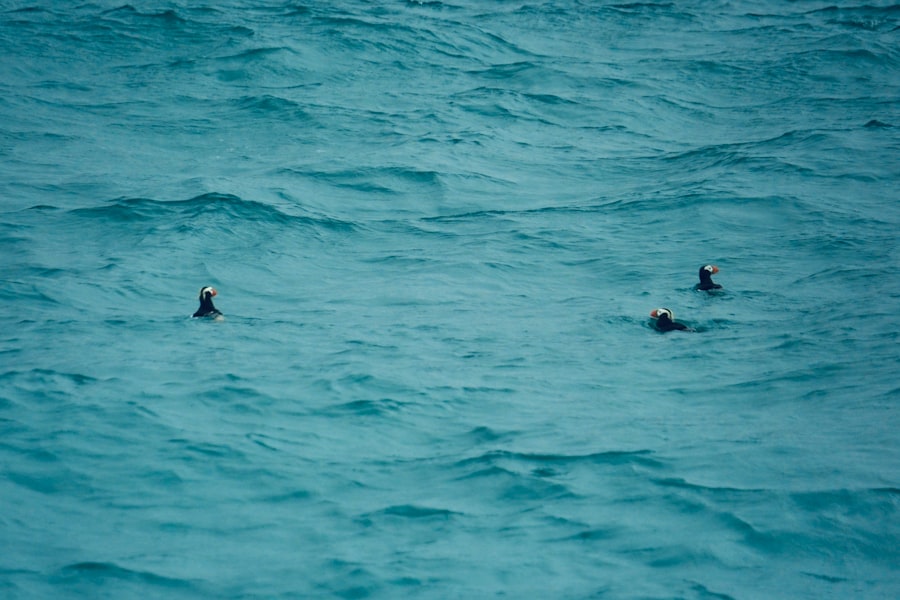
The history of attempts to swim across Drake’s Passage is marked by both ambition and tragedy. Over the years, numerous adventurers have sought to conquer this daunting challenge, each driven by a desire to test their limits and achieve something extraordinary. The first recorded attempt to swim across the passage was made in 1987 by a British swimmer who faced insurmountable obstacles, including hypothermia and rough seas, ultimately leading to a failed attempt.
This initial endeavor set the stage for future attempts, highlighting both the allure and danger of this aquatic frontier. As time progressed, more swimmers began to take on the challenge, each bringing their own unique strategies and training regimens. Some sought to raise awareness for environmental issues or charitable causes, while others were motivated purely by personal achievement.
Despite their varying motivations, all faced similar challenges: the unpredictable weather, freezing temperatures, and the psychological toll of swimming in such an isolated and unforgiving environment. Each attempt added to the lore of Drake’s Passage, creating a narrative filled with both triumphs and failures that continues to inspire new generations of adventurers.
The Dangers of Swimming Across Drake’s Passage
| Category | Metrics |
|---|---|
| Distance | 800 kilometers |
| Water Temperature | 1 to 2 degrees Celsius |
| Currents | Strong and unpredictable |
| Waves | Up to 15 meters high |
| Wildlife | Potential encounters with seals, whales, and sharks |
| Survival Rate | Extremely low |
Swimming across Drake’s Passage is fraught with dangers that extend beyond mere physical exertion.
The risk of drowning is ever-present due to the powerful currents and unpredictable waves that can easily overwhelm even the most skilled swimmers.
Additionally, marine life in the area includes not only majestic creatures like whales and seals but also potential threats such as jellyfish and other organisms that could pose risks to an unprotected swimmer. Moreover, the psychological dangers cannot be overlooked. The isolation experienced in such a vast expanse of water can lead to feelings of despair or panic, particularly when faced with adverse conditions.
Swimmers must maintain focus and composure amidst the chaos, as losing mental clarity can have dire consequences. The combination of physical hazards and psychological challenges makes swimming across Drake’s Passage one of the most daunting feats imaginable.
Physical and Mental Preparation for Swimming Across Drake’s Passage
Preparing for a swim across Drake’s Passage requires an extensive regimen that encompasses both physical conditioning and mental fortitude. Physically, swimmers must build endurance through rigorous training that includes long-distance swimming in cold water environments. This preparation often involves acclimatization to lower temperatures, allowing the body to adapt to the chilling conditions that await in the passage.
Strength training is also crucial, as swimmers need to develop core stability and upper body strength to navigate through turbulent waters effectively. On the mental side, preparation is equally vital. Swimmers must cultivate resilience and focus through techniques such as visualization and mindfulness practices.
These strategies help them manage anxiety and maintain concentration during their swim. Mental preparation also involves setting realistic goals and developing coping mechanisms for dealing with unexpected challenges that may arise during the journey.
Equipment and Gear Needed for Swimming Across Drake’s Passage

The right equipment is essential for anyone attempting to swim across Drake’s Passage. Swimmers must invest in specialized gear designed to withstand extreme conditions while providing adequate protection against the cold. A high-quality wetsuit or drysuit is crucial for insulation, allowing swimmers to maintain body heat in frigid waters.
Additionally, neoprene gloves and booties can help protect extremities from the biting cold while providing grip and dexterity. Beyond thermal protection, swimmers should also consider safety equipment such as buoyancy aids or flotation devices that can assist in emergencies. A GPS device or waterproof communication system is vital for navigation and maintaining contact with support teams during the swim.
Furthermore, hydration packs or energy gels are essential for maintaining energy levels throughout the arduous journey. The right combination of equipment not only enhances performance but also significantly increases safety during this perilous undertaking.
Training and Endurance for Swimming Across Drake’s Passage
Training for a swim across Drake’s Passage demands a comprehensive approach that emphasizes endurance building and skill development. Swimmers typically engage in a structured training program that includes long-distance swims in various conditions to simulate what they might encounter during their crossing. This training often takes place in open water rather than pools, allowing swimmers to adapt to waves, currents, and temperature fluctuations.
Endurance training is complemented by interval workouts designed to improve speed and efficiency in the water. Swimmers may also incorporate cross-training activities such as running or cycling to enhance overall fitness levels while reducing the risk of injury from repetitive strain. Mental endurance training is equally important; swimmers often practice techniques such as meditation or visualization to prepare themselves psychologically for the challenges they will face during their swim across this formidable passage.
Navigation and Route Planning for Swimming Across Drake’s Passage
Effective navigation and route planning are critical components of any successful attempt to swim across Drake’s Passage. Given the unpredictable nature of weather patterns in this region, swimmers must stay informed about current conditions and potential hazards along their route. Utilizing advanced navigation tools such as GPS devices can help swimmers track their progress while ensuring they remain on course amidst shifting currents.
Route planning also involves selecting optimal times for departure based on tidal patterns and weather forecasts. Swimmers often collaborate with experienced navigators or local experts who understand the intricacies of the passage’s geography and climate. By carefully considering these factors, swimmers can enhance their chances of completing their journey safely while minimizing exposure to dangerous conditions.
Support Team and Safety Measures for Swimming Across Drake’s Passage
A robust support team is indispensable for anyone attempting to swim across Drake’s Passage. This team typically includes experienced boat crew members who can provide assistance during emergencies or adverse conditions. They are responsible for monitoring weather patterns, offering guidance on navigation, and ensuring that swimmers remain safe throughout their journey.
Safety measures are paramount when undertaking such a perilous swim. Support teams often carry emergency supplies such as first aid kits, signaling devices, and communication tools to facilitate quick responses in case of emergencies. Regular check-ins between swimmers and their support teams are essential for maintaining situational awareness and ensuring that all parties are aligned on safety protocols throughout the swim.
Successful and Unsuccessful Attempts to Swim Across Drake’s Passage
The annals of history are filled with both successful and unsuccessful attempts to swim across Drake’s Passage, each contributing to the rich tapestry of adventure lore surrounding this formidable challenge. Successful swims have often been celebrated as monumental achievements in endurance sports, showcasing human determination against nature’s might. These individuals have inspired countless others with their stories of perseverance, often using their platforms to raise awareness about environmental issues or charitable causes.
Conversely, unsuccessful attempts serve as sobering reminders of the passage’s dangers. Many adventurers have faced insurmountable challenges that led them to abandon their efforts or resulted in tragic outcomes. These stories highlight not only the physical demands of swimming across such a treacherous body of water but also underscore the importance of preparation, respect for nature’s power, and understanding one’s limits.
The Future of Swimming Across Drake’s Passage
As interest in extreme sports continues to grow, so too does fascination with swimming across Drake’s Passage. Future attempts may benefit from advancements in technology that enhance safety measures or improve training methodologies. Innovations in wetsuit design could provide better insulation against cold temperatures while allowing greater freedom of movement in turbulent waters.
Moreover, increased awareness about environmental conservation may inspire more swimmers to undertake this challenge with a focus on raising awareness about climate change and its impact on polar regions. As more adventurers set their sights on this daunting goal, they will undoubtedly contribute new chapters to the ongoing narrative surrounding Drake’s Passage—one filled with courage, resilience, and an enduring spirit of exploration against nature’s formidable backdrop.
Swimming across Drake’s Passage is an extraordinary feat that challenges even the most seasoned adventurers due to its treacherous conditions and frigid waters. For those interested in exploring more about extreme swimming challenges and the geographical wonders of our world, you might find the article on MyGeoQuest intriguing. This article delves into various geographical quests and adventures, offering insights into the challenges and triumphs faced by explorers in some of the most remote and challenging environments on Earth.
WATCH NOW! Drake Passage: Earth’s Deadliest Waters Revealed
FAQs
What is Drake’s Passage?
Drake’s Passage is a body of water located between South America’s Cape Horn and the South Shetland Islands of Antarctica. It is known for its rough and unpredictable seas, strong winds, and cold temperatures.
Can you swim across Drake’s Passage?
Swimming across Drake’s Passage is not recommended due to its extreme conditions, including frigid waters, strong currents, and the presence of icebergs. The water temperature in the passage averages around 2°C (35.6°F), making it extremely dangerous for swimmers.
Has anyone successfully swum across Drake’s Passage?
As of now, there are no documented cases of anyone successfully swimming across Drake’s Passage. The extreme conditions and dangers posed by the passage make it an impractical and risky endeavor for swimmers.
What are the dangers of swimming across Drake’s Passage?
The dangers of swimming across Drake’s Passage include hypothermia from the frigid waters, strong currents that can pull swimmers off course, the presence of icebergs, and the potential for encountering extreme weather conditions such as high winds and rough seas. These factors make it an extremely hazardous and potentially life-threatening undertaking.