Riverbank filtration (RBF) stands as a well-established and cost-effective method for producing drinking water, particularly in areas abundant with surface water sources like rivers and lakes. This natural purification process involves drawing water through the porous banks of a river or lake, relying on the soil and sand layers to filter out suspended solids, pathogens, and certain dissolved contaminants. While RBF offers significant advantages, its efficacy and long-term sustainability are intrinsically linked to the geological and hydrological characteristics of the riverbank, and the engineering principles applied to its design and operation. Understanding the engineering limits of RBF and implementing effective stabilization techniques are crucial for ensuring consistent water quality and preventing system failure.
Fundamental Principles and Engineering Constraints
Riverbank filtration operates on the principle of subsurface flow and natural attenuation. Water from a surface source, such as a river, is drawn into a well or infiltration gallery strategically located adjacent to the bank. As the water percolates through the saturated soil and sand strata, a series of physical, chemical, and biological processes contribute to its purification. Suspended particles are physically removed by straining and sedimentation. Organic matter is biodegraded by naturally occurring microorganisms within the soil matrix. Adsorption plays a vital role in removing dissolved contaminants, including heavy metals and certain organic compounds, by binding them to the surface of soil particles. The effectiveness of these processes is directly dependent on the properties of the aquifer material, the depth and configuration of the RBF system, and the hydrological conditions of the river.
Aquifer Characteristics and Filtration Efficiency
The success of RBF is profoundly influenced by the grain size distribution, permeability, and thickness of the aquifer material. Coarser grained soils, such as clean sands and gravels, offer higher permeability, facilitating greater water flow and thus higher extraction rates. However, very coarse materials might not provide sufficient contact time or surface area for effective adsorption and biological degradation of contaminants. Conversely, fine-grained soils, like silts and clays, can exhibit excellent filtration capabilities due to their smaller pore sizes, effectively straining out smaller particles and pathogens. Nevertheless, low permeability in these finer materials can severely limit the yield of the RBF system, making it economically unviable. The presence of a well-developed organic layer at the surface of the riverbank, often referred to as the “biologically active layer” or “schmutzdecke,” is critical for removing dissolved organic matter and some micropollutants. However, excessive accumulation of this layer can lead to clogging, reducing infiltration rates. Therefore, a careful balance between permeability for yield and pore structure for filtration is essential, necessitating thorough geotechnical investigations to characterize the aquifer’s properties.
Hydrological Dynamics and Flow Path Control
The hydrological interaction between the river and the groundwater is a critical factor in RBF performance. The hydraulic gradient driving flow from the river through the bank to the extraction wells must be maintained at optimal levels. A gradient that is too low may result in insufficient flow and inadequate purification, while an excessively steep gradient can lead to rapid infiltration and reduced contact time, potentially bypassing effective filtration. Fluctuations in river water levels, driven by rainfall, snowmelt, or reservoir operations, directly impact the hydraulic gradient and thus the RBF system’s yield and performance. Changes in groundwater levels in the surrounding area can also influence the flow dynamics. Managing these hydrological variations is paramount. The design of the RBF system, including the placement and spacing of wells or infiltration galleries relative to the river, directly influences the flow paths and the residence time of water within the aquifer. Optimizing these parameters ensures that the water traverses a sufficient length of the aquifer to achieve the desired level of purification before reaching the extraction points.
Riverbank filtration is a crucial process in water resource management, providing a natural means of water purification while also stabilizing riverbanks to prevent erosion. The engineering limits of this method are essential to understand, as they dictate the effectiveness and sustainability of the filtration process. For a deeper insight into the challenges and advancements in riverbank filtration and stabilization engineering, you can refer to a related article that discusses various techniques and their implications in detail. For more information, visit this article.
Challenges and Degradation Mechanisms
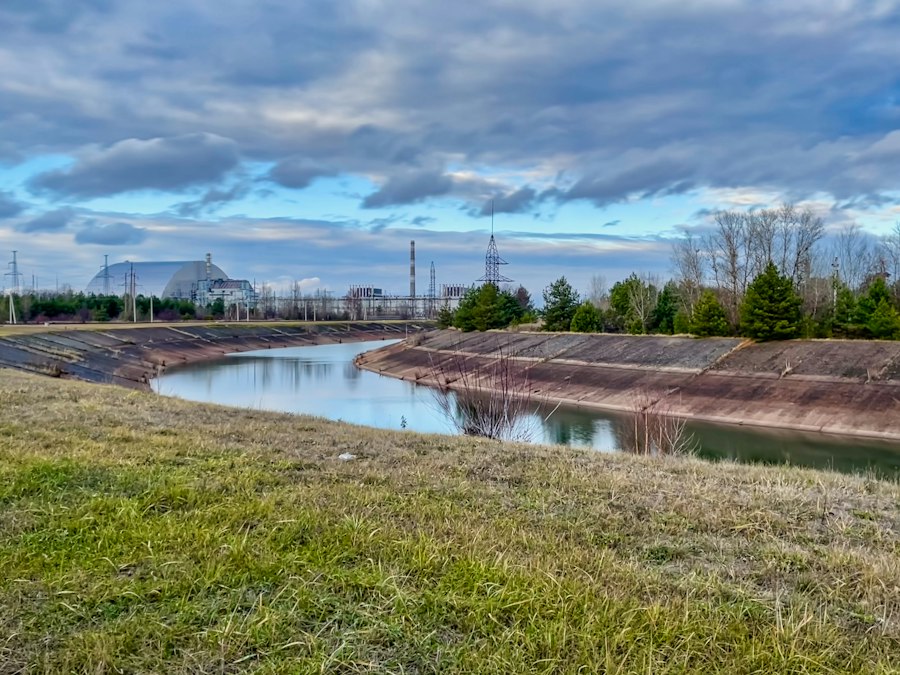
Despite its inherent advantages, RBF systems are susceptible to performance degradation over time due to several factors. These challenges can compromise the quality of the treated water, reduce the system’s yield, and necessitate costly interventions. Understanding these degradation mechanisms is the first step towards developing effective stabilization strategies.
Clogging and Permeability Reduction
One of the most prevalent issues in RBF is clogging, which leads to a significant reduction in the aquifer’s permeability. This can occur at different levels within the RBF system. Surface clogging, often caused by the accumulation of fine sediments, organic debris, and biological growth at the river-water interface or within infiltration galleries, is a common problem. This layer impedes the entry of water into the aquifer. Subsurface clogging can also occur within the aquifer pores due to the deposition of fine particles carried by the infiltrating water, or through the formation of biofilms. Biofilms, microbial communities that form on surfaces, can create a physical barrier, increase head loss, and even contribute to the clogging process through the secretion of extracellular polymeric substances. The chemical composition of the river water also plays a role; high concentrations of dissolved iron and manganese can lead to precipitation of these metals within the aquifer pores, further reducing permeability and potentially discoloring the treated water.
Contaminant Breakthrough and Undesirable Adsorption
While RBF is effective in removing many contaminants, there are instances where breakthrough can occur, allowing certain pollutants to pass through the filtration barrier. This is particularly concerning for recalcitrant organic micropollutants, such as pharmaceuticals, pesticides, and industrial chemicals, which may not be readily degraded or adsorbed by the soil matrix. The effectiveness of adsorption is dependent on the surface chemistry of the aquifer materials, the concentration of the contaminant, and the contact time. If the flow rate is too high, or if the aquifer material lacks the appropriate adsorptive properties, these contaminants may not be removed sufficiently. Furthermore, in some cases, the aquifer material itself can become a source of contamination. For example, if the aquifer contains naturally occurring high levels of arsenic, iron, or manganese, these can be mobilized and co-extracted with the treated water, especially under changing hydrological conditions or if the RBF is over-exploited.
Biological Fouling and Changes in Microbial Communities
The porous media of the RBF system provides a habitat for a diverse range of microorganisms. While beneficial for the natural purification processes, these microbial communities can also contribute to degradation. As mentioned, the formation of biofilms can lead to clogging. Additionally, changes in the redox conditions within the aquifer, influenced by variations in water flow and oxygen availability, can alter the composition and activity of the microbial populations. For instance, under anaerobic conditions, sulfate-reducing bacteria can become active, potentially leading to the production of hydrogen sulfide, which causes odor and taste problems in the treated water. The introduction of excessive organic matter from the river can also fuel rapid microbial growth, exacerbating fouling issues.
Stabilization Techniques for Enhanced Performance
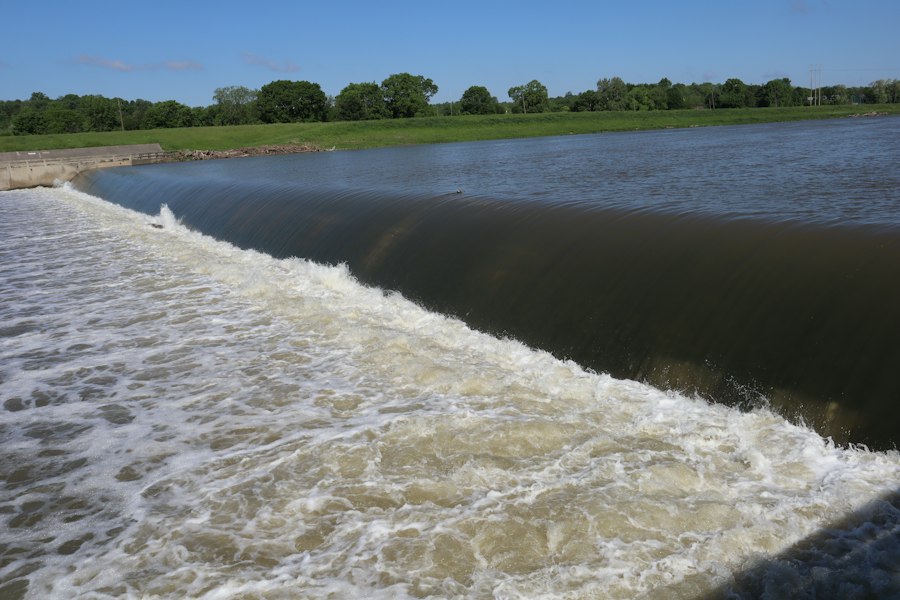
To mitigate the challenges posed by degradation mechanisms, various stabilization techniques are employed to maintain and enhance the performance of RBF systems. These techniques aim to prevent or reverse clogging, optimize contaminant removal, and ensure a consistent yield of high-quality water.
Managed Recharge and Flow Rate Optimization
Managing the rate at which water is introduced into the aquifer is a crucial stabilization technique. Managed recharge involves controlling the flow of river water into the RBF system to avoid excessive pressure or hydraulic loading that could lead to rapid clogging. This can involve adjusting the operation of intake structures or employing pre-treatment at the intake point to remove larger debris. Optimizing the extraction rate from the wells is equally important. Operating RBF systems at a consistent and optimal withdrawal rate ensures adequate contact time for purification and prevents excessive drawdown, which can alter flow paths and draw in less-treated water. Techniques such as pulsed pumping, where extraction is intermittent, can help to break up biofilms and prevent sustained clogging. Monitoring the hydraulic head within the aquifer allows for real-time adjustments to extraction rates to maintain desired flow regimes.
Bio-Augmentation and Nutrient Control
In some cases, the natural microbial communities within the aquifer may not be optimal for contaminant removal. Bio-augmentation, the intentional introduction of specific microbial strains known for their contaminant-degrading capabilities, can be considered. This is a more advanced technique and requires careful selection of the microbial consortia and understanding of the in-situ environmental conditions to ensure successful integration. More commonly, nutrient control strategies are employed. This can involve managing the organic load from the river source, if possible, or implementing pre-treatment steps to reduce the amount of biodegradable organic matter entering the aquifer. Maintaining appropriate redox conditions through controlled aeration or hydraulic management can also favor beneficial microbial activity and suppress the growth of undesirable microorganisms.
Physical Cleaning and Rehabilitation Methods
When clogging becomes severe, physical cleaning and rehabilitation methods are necessary. For surface clogging, mechanical scraping or backwashing of infiltration galleries can be effective. For subsurface clogging, techniques such as hydro-flushing, which involves injecting water at high pressure into the wells or galleries to dislodge accumulated deposits, are commonly used. Air-lifting, where compressed air is injected to create an upward flow and suspend settled particles, is another rehabilitation method. Chemical cleaning, using dilute acids or oxidizing agents, can also be employed to dissolve precipitated metals or break down organic matter. However, chemical cleaning requires careful consideration of potential impacts on the aquifer’s chemistry and the environment, and it should be followed by thorough flushing to remove any residual chemicals. Regular maintenance and preventative cleaning schedules are more effective and less disruptive than reactive rehabilitation efforts.
Monitoring and Predictive Modeling
Effective long-term management of RBF systems relies heavily on continuous monitoring of key parameters and the application of predictive modeling tools. This proactive approach allows for early detection of potential issues, informed decision-making, and optimization of operational strategies.
Water Quality and Hydraulic Parameter Monitoring
Comprehensive monitoring programs are essential for understanding the performance of RBF systems. This includes regular sampling and analysis of both source water and treated water for a wide range of parameters. Key water quality indicators include turbidity, pH, temperature, dissolved oxygen, and concentrations of specific contaminants of concern (e.g., pathogens, heavy metals, organic micropollutants). Monitoring hydraulic parameters, such as water levels in the river and wells, flow rates, and hydraulic gradients, provides insights into the system’s operational status and potential clogging issues. Changes in these parameters over time can signal the onset of degradation mechanisms, allowing for timely intervention. In-situ sensors can provide continuous real-time data, enabling rapid responses to dynamic changes in system performance.
Predictive Modeling for Performance Optimization
Predictive modeling plays a crucial role in optimizing RBF operations and anticipating future challenges. Hydrogeological models can simulate groundwater flow and contaminant transport within the aquifer, helping to understand the complex interactions between the river and the RBF system. These models can be used to assess the impact of different operational scenarios, such as varying extraction rates or the effects of changes in river flow, on water quality and yield. Reactive transport models can simulate the fate of contaminants within the aquifer, including biodegradation and adsorption processes, thereby predicting breakthrough times and identifying areas of concern. Machine learning and artificial intelligence techniques are increasingly being applied to analyze large datasets from monitoring programs, enabling the development of more sophisticated predictive models that can forecast system performance, identify anomalies, and recommend optimal operational strategies for enhanced efficiency and reliability.
Riverbank filtration is a crucial process in water treatment that involves the natural filtration of surface water as it passes through riverbanks and into groundwater. However, the engineering limits of this method can pose challenges in maintaining water quality and supply. For a deeper understanding of the complexities involved in riverbank filtration and its stabilization engineering limits, you can refer to a related article that discusses these issues in detail. To explore this further, visit this resource which provides valuable insights into the topic.
Future Directions and Innovations
| Parameter | Typical Range | Engineering Limit | Unit | Notes |
|---|---|---|---|---|
| Filtration Rate | 0.1 – 1.0 | 1.2 | m/day | Depends on sediment permeability and river stage |
| Hydraulic Gradient | 0.001 – 0.01 | 0.02 | dimensionless | Higher gradients may cause bank erosion |
| Bank Storage Volume | 10,000 – 100,000 | 120,000 | m³ per km of riverbank | Depends on sediment porosity and thickness |
| Particle Size Distribution | 0.1 – 2.0 | 2.5 | mm | Coarser sediments reduce filtration efficiency |
| Bank Slope Stability | 30 – 45 | 50 | degrees | Steeper slopes increase risk of failure |
| Organic Matter Content | 1 – 5 | 7 | % by weight | High organic content may reduce water quality |
| Residence Time | 5 – 20 | 25 | days | Longer residence time improves filtration |
| Maximum Drawdown | 0.5 – 2.0 | 2.5 | m | Exceeding limits may cause bank collapse |
The field of riverbank filtration continues to evolve, with ongoing research and development focused on improving its efficacy, expanding its applicability, and addressing emerging contaminants. Innovations in materials science, monitoring technology, and treatment processes promise to enhance the sustainability and robustness of RBF systems.
Advanced Materials and Engineered Aquifers
Research into advanced materials for enhanced filtration and adsorption is a promising area. This includes the development of novel sorbent materials that can be integrated into RBF systems to target specific recalcitrant contaminants, such as per- and polyfluoroalkyl substances (PFAS) or pharmaceuticals. The concept of “engineered aquifers” is also gaining traction, where the natural aquifer material is amended or replaced with engineered media exhibiting specific filtration and adsorption properties. This could involve introducing layers of activated carbon, zeolites, or other advanced filtration media into infiltration galleries or the aquifer itself. Furthermore, advancements in porous concrete and other permeable materials could lead to the development of more robust and controllable infiltration structures that are less prone to clogging and offer tailored filtration characteristics.
Integrated Treatment Systems and Smart Operations
The future of RBF likely involves its integration with other treatment technologies to create comprehensive and resilient water treatment systems. This could include pre-treatment steps at the river intake to remove larger solids and reduce organic load, or post-treatment processes to address any residual contaminants that may break through the RBF barrier. The development of “smart” RBF systems, leveraging advanced sensor networks, real-time data analytics, and artificial intelligence, will enable highly optimized and autonomous operation. These systems will be capable of dynamically adjusting operational parameters based on source water quality, environmental conditions, and treated water demand, ensuring consistent water quality and maximizing system efficiency with minimal human intervention. The focus will be on creating highly adaptive and self-optimizing RBF systems that can reliably deliver safe drinking water in an increasingly complex and challenging environment.

This River is Literally Erasing Islands
FAQs
What is riverbank filtration?
Riverbank filtration is a process where water is extracted from a river or a stream by pumping it through the ground, allowing the soil and sediments to act as a natural filter before the water is collected for treatment.
How does riverbank filtration help in water treatment?
Riverbank filtration helps in water treatment by removing impurities and contaminants from the water as it passes through the soil, reducing the need for extensive chemical treatment and improving the overall water quality.
What are the engineering limits of riverbank filtration and stabilization?
The engineering limits of riverbank filtration and stabilization include factors such as the permeability of the soil, the depth of the water table, the flow rate of the river, and the potential for erosion or collapse of the riverbank.
How can engineering techniques be used to overcome the limits of riverbank filtration?
Engineering techniques such as installing permeable barriers, using geotextiles, constructing retaining walls, and implementing bioengineering methods can help overcome the limits of riverbank filtration and stabilization by enhancing the stability and filtration capacity of the riverbank.
What are the environmental benefits of riverbank filtration and stabilization?
The environmental benefits of riverbank filtration and stabilization include reducing the energy consumption and carbon footprint associated with traditional water treatment methods, preserving natural habitats, improving water quality, and promoting sustainable water management practices.