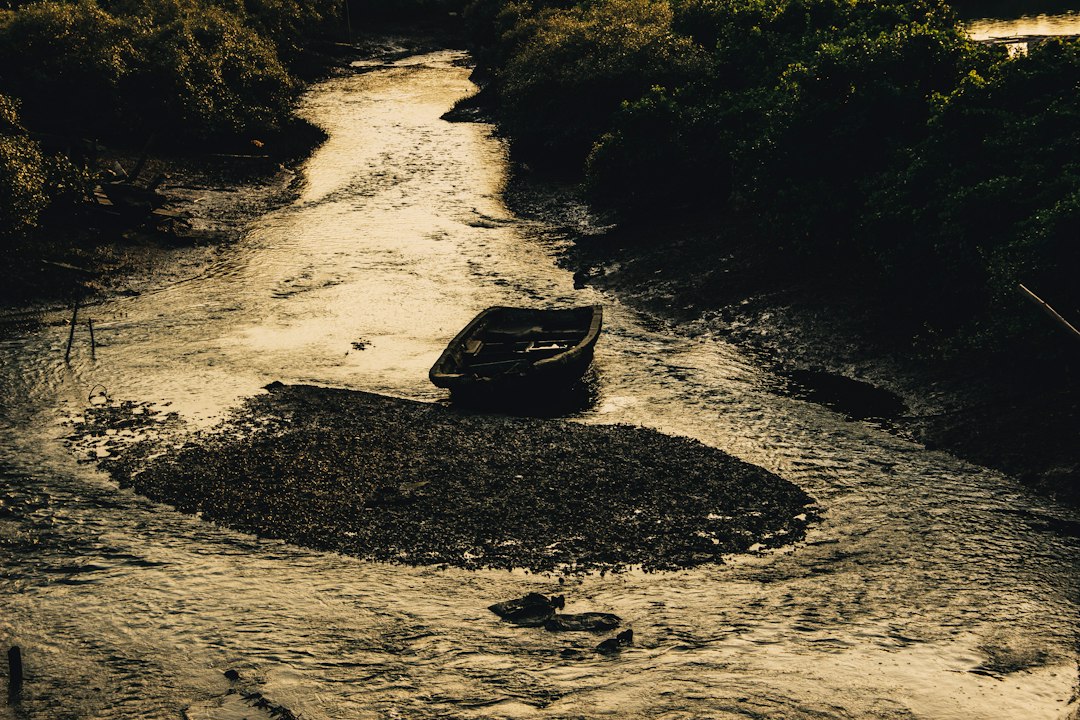
Understanding Braided Rivers and Their Unique Vulnerabilities
Braided rivers, characterized by their intricate network of shallow, interlacing channels separated by ephemeral islands of sediment known as bars, are dynamic and fascinating geomorphic features. These rivers are typically found in environments with high sediment loads, steep gradients, and fluctuating flow regimes, often associated with mountainous regions and glacial meltwater. The constant interplay between water and sediment creates a constantly evolving landscape, with channels migrating, bars forming and eroding, and the overall river morphology adapting to prevailing hydrological conditions. This inherent dynamism, while a hallmark of braided river systems, also makes them particularly susceptible to the impacts of extreme hydrological events, most notably monsoon floods.
The formation of braided channels is a complex process driven by several factors. High sediment supply is paramount; glaciers and steep mountain slopes are prolific sources of gravel, sand, and silt. When these materials are transported by a river, they can be deposited in areas of reduced flow velocity. In a braided river, the shallow depth and wide width of the channel, combined with the presence of these deposited sediments, create conditions ripe for channel bifurcation. As water encounters an obstacle, such as a developing bar, it splits, forming new channels that weave around the sediment accumulation. These newly formed channels can then become dominant, further contributing to the braiding pattern. The sinuosity of braided rivers is generally low compared to meandering rivers, reflecting a more direct and less confined flow path.
The ephemeral nature of the bars within a braided river is crucial to understanding their vulnerability. These bars are not permanent structures but are built and dismantled by the forces of the river. During periods of low flow, vegetation may begin to colonize the bars, stabilizing them to some extent. However, these established plant communities are often fragile and easily overwhelmed by increased discharge. The constant shifting and resuspension of sediment are defining characteristics, making braided riverbeds highly mobile. This mobility means that the physical infrastructure and ecological habitats within and adjacent to these rivers are constantly subject to change, even under normal flow conditions.
The sensitivity of braided rivers to flood events is amplified by their morphology. The wide, shallow nature of the channels means that even a moderate increase in discharge can lead to significant inundation across a broad area. Furthermore, the abundance of loose sediment makes them prone to rapid erosion and deposition during high-water events. The intricate network of channels can become choked with debris, or individual channels can be completely scoured out and replaced by new ones. This lack of a stable, defined channel makes prediction of flood impacts and the implementation of effective mitigation strategies a significant challenge for braided river systems. The inherent resilience of these systems is in their ability to adapt and reform, but this adaptation comes at a cost to human activities and ecosystems that depend on a degree of stability.
The introduction of monsoon systems significantly exacerbates the inherent vulnerabilities of braided rivers. Monsoon rainfall, by its nature, is characterized by intense, prolonged periods of high precipitation, leading to substantial increases in river discharge. This dramatic shift from arid or semi-arid conditions to waterlogged environments places immense stress on the delicate equilibrium of braided river systems. The sheer volume of water and sediment transported during a monsoon flood can overwhelm the natural adaptive mechanisms of the river, leading to widespread and often catastrophic impacts. Understanding these specific vulnerabilities is the first step in developing strategies to mitigate the destructive consequences of monsoon floods on these unique riverine landscapes.
The impacts of monsoon floods on braided rivers can be profound, affecting both the ecosystem and local communities. For a deeper understanding of these effects, you can explore the article titled “Monsoon Flood Dynamics and Their Influence on Braided River Systems,” which provides valuable insights into how seasonal flooding reshapes river morphology and influences biodiversity. To read more about this topic, visit the article here: Monsoon Flood Dynamics and Their Influence on Braided River Systems.
Monsoon Flood Dynamics in Braided River Systems

Monsoon floods in braided rivers are distinct from those in other river types due to the interplay of intense rainfall, high sediment loads, and the specific geomorphology of the river. The onset of the monsoon season signifies a dramatic increase in precipitation over a vast geographical area, leading to rapid and substantial runoff into river systems. For braided rivers, this translates into a swift and often overwhelming surge of water. The shallow, wide channels are quickly inundated, and the increased flow velocity exerts significant erosive power on the riverbed and banks.
Rapid Discharge Increase and Channel Overtopping
The monsoon rainfall regime is typically characterized by intense downpours that can occur for extended periods. This concentrated precipitation leads to a rapid increase in discharge within the river basin. Unlike rivers with deep, well-defined channels that can absorb and convey higher flows more efficiently, braided rivers, with their multitude of shallow channels, are quickly overwhelmed. The water level rises rapidly, and the lateral extent of inundation expands significantly. This overtopping of existing channels is a primary driver of flood damage, as water spreads out across the floodplain, impacting areas not typically submerged during normal flow. The transition from low flow to flood can be remarkably abrupt, leaving little time for natural systems or human infrastructure to adapt.
Enhanced Sediment Transport and Bar Dynamics
One of the defining characteristics of braided rivers is their high sediment load. Monsoon floods dramatically amplify this process. The intense rainfall erodes vast quantities of soil and rock from the surrounding catchment, which is then transported into the river. This increased sediment influx, combined with the higher flow velocities, leads to significant sediment transport. Bars, which are the defining features of braided rivers, are particularly affected. During flood events, existing bars can be rapidly eroded, their material contributing to the overall sediment load downstream. Simultaneously, new bars can be formed through deposition in areas where the flow velocity decreases. This constant reshaping of the riverbed is a hallmark of braided river flood dynamics, making the river’s course highly unpredictable during these events. The interplay between erosion and deposition can lead to the complete reconfiguration of the braided network, with channels being scoured out and new ones forming in their place.
Debris Accumulation and Flow Obstruction
The intense rainfall and strong winds associated with monsoon weather can dislodge vegetation, trees, and other debris from the riverbanks and surrounding landscape. During flood events, this debris is carried downstream and can accumulate at constrictions within the braided river system, such as at channel confluences or around existing bars. This accumulation of debris acts as a natural dam, further obstructing the flow of water. Such obstructions can cause localized flooding upstream of the debris jam and can also lead to the redirection of floodwaters into new, potentially more damaging paths. The sheer force of the floodwaters can also lead to the entrainment and transport of large boulders and sediment masses, further contributing to the dynamic and destructive nature of these events.
Channel Shifting and Avulsion Potential
The highly mobile nature of braided riverbeds makes them prone to significant channel shifts and avulsions during flood events. An avulsion is a sudden and often dramatic change in the course of a river, where a new channel is formed and the old one is abandoned. During a monsoon flood, the increased flow energy and the disruption of existing channel patterns can initiate avulsions. If a major channel becomes blocked by sediment or debris, or if the water finds a new, lower-lying path, a substantial portion of the flow can divert into this new course. This can lead to devastating consequences for communities and ecosystems located in the path of the new channel, as they are suddenly subjected to intense flooding. The unpredictable nature of these shifts makes long-term planning and infrastructure development in these areas incredibly challenging.
Devastating Consequences of Monsoon Floods on Braided Rivers

The impacts of monsoon floods on braided rivers are far-reaching, affecting not only the natural environment but also human settlements, infrastructure, and economies. The dynamic and often unpredictable nature of these floods, combined with the inherent vulnerabilities of braided river systems, amplifies the severity of these consequences.
Environmental Degradation and Habitat Loss
Monsoon floods can cause significant environmental degradation in braided river systems. The intense erosion during flood events can strip away fertile topsoil from riverbanks and floodplains, leading to land degradation and loss of agricultural productivity. The mobilization of vast quantities of sediment can smother aquatic habitats, burying fish spawning grounds, insect larvae, and other benthic organisms. This can lead to significant declines in biodiversity within the river ecosystem. Furthermore, the scouring and reshaping of the riverbed can destroy existing riparian vegetation, which plays a crucial role in stabilizing the riverbanks and providing habitat for a wide range of wildlife. The long-term recovery of these ecosystems can be a slow and arduous process, with some species being permanently displaced or lost. The inundation of floodplains can also lead to the salinization of soils if the floodwaters are brackish, further impacting plant life.
Infrastructure Damage and Displacement of Communities
Human infrastructure is particularly vulnerable to the destructive power of monsoon floods in braided rivers. Bridges, roads, and buildings located in close proximity to these rivers are often directly impacted by the rising water levels and the strong currents. The erosive forces can undermine bridge foundations, leading to their collapse, and can inundate and damage road networks, disrupting transportation and access. Settlements located on floodplains are at high risk of inundation, leading to widespread property damage and the displacement of communities. The suddenness and intensity of monsoon floods can leave little time for evacuation, leading to loss of life and significant humanitarian crises. The rebuilding of damaged infrastructure and the resettlement of displaced populations are often costly and time-consuming endeavors, placing a heavy burden on local and national economies.
Economic Disruption and Agricultural Losses
The economic consequences of monsoon floods on braided rivers are substantial. Agriculture, which is often the backbone of economies in regions prone to these floods, is particularly hard hit. Standing crops are submerged and destroyed, leading to significant losses for farmers. The fertile topsoil, essential for agricultural productivity, can be eroded or buried under layers of sediment and debris. This can lead to reduced yields in subsequent seasons, even after the floodwaters have receded. Beyond agriculture, floods can disrupt local businesses, damage markets, and impact tourism. The cost of disaster relief, rebuilding efforts, and the long-term economic recovery can be immense, diverting resources that could otherwise be used for development. The loss of livelihoods and the increased poverty can have cascading effects on social stability and well-being.
Water Quality Contamination and Health Risks
Monsoon floods can have severe implications for water quality and public health. Floodwaters often pick up contaminants from urban and rural areas, including sewage, industrial waste, pesticides, and fertilizers. This contaminated water can then spread across the floodplain, polluting water sources used for drinking, irrigation, and recreation. The presence of pathogens in floodwaters can lead to outbreaks of waterborne diseases such as cholera, typhoid, and dysentery, posing significant health risks to affected populations. The disruption of water and sanitation infrastructure during floods further exacerbates these health challenges. Long-term impacts can include chronic health issues and increased healthcare burdens.
Mitigation and Adaptation Strategies for Braided Rivers
Addressing the impacts of monsoon floods on braided rivers requires a multi-faceted approach that combines traditional engineering solutions with nature-based strategies and robust community engagement. The inherent dynamism of these systems necessitates adaptive management approaches that acknowledge and work with, rather than against, the natural processes at play.
Integrated Flood Management and Early Warning Systems
A cornerstone of effective flood management in braided river systems is the implementation of integrated flood management plans. This involves a holistic approach that considers the entire river basin, from headwaters to the sea, and incorporates various strategies for flood mitigation, preparedness, and response. Crucially, early warning systems are vital. These systems, utilizing hydrological monitoring, meteorological data, and advanced forecasting models, can provide timely alerts to communities at risk, allowing for evacuation and protective measures. The effectiveness of these systems relies on their accuracy, timeliness, and the ability to effectively communicate warnings to vulnerable populations through accessible channels. Regular drills and public awareness campaigns are essential to ensure that warnings are understood and acted upon.
Nature-Based Solutions and Ecosystem Restoration
Increasingly, nature-based solutions are being recognized for their efficacy in managing flood risks in braided river systems. These approaches leverage the power of natural processes to attenuate floodwaters and reduce erosion. Reforestation and afforestation of upstream catchment areas can help to slow down runoff and reduce sediment loads entering the river. Restoring riparian vegetation along the riverbanks can enhance their stability, absorb flood energy, and provide valuable habitat. The creation of wetlands and flood retention areas within the floodplain can act as natural sponges, absorbing excess water during flood events and releasing it slowly. While these solutions may not eliminate flood risk entirely, they can significantly reduce its severity and provide ecological co-benefits. The integration of these natural elements with traditional engineering can lead to more resilient and sustainable flood management.
Community Engagement and Participatory Planning
The successful implementation of any flood management strategy in braided river systems hinges on the active participation and engagement of the communities living within these flood-prone areas. Participatory planning processes ensure that local knowledge and needs are incorporated into the design and implementation of mitigation measures. This can involve community-led initiatives for building flood defenses, developing evacuation plans, and maintaining natural flood management features. Empowering local communities to take ownership of flood risk reduction efforts fosters a sense of responsibility and improves the long-term sustainability of these strategies. Furthermore, fostering strong communication channels between authorities and communities is vital for effective preparedness and response during flood events.
Resilient Infrastructure Design and Land-Use Planning
Designing and constructing infrastructure with resilience to flood impacts in mind is paramount for braided river systems. This includes elevating critical infrastructure such as hospitals and power stations, using flood-resistant building materials, and designing bridges and roads to withstand inundation and erosive forces. Strict land-use planning regulations are also essential to prevent development in high-risk flood zones. This may involve designating floodplains as green spaces, agricultural land with appropriate flood-tolerant crops, or areas for controlled inundation. The relocation of existing settlements from particularly vulnerable areas, while challenging, can be a necessary long-term strategy to reduce risk and protect lives. A proactive approach to land-use planning can significantly reduce the economic and social costs associated with flood damage.
The impacts of monsoon floods on braided rivers are significant, as they can alter the river’s morphology and affect the surrounding ecosystems. A related article that delves deeper into this topic can be found at My Geo Quest, where you can explore how these natural events reshape landscapes and influence biodiversity. Understanding these dynamics is crucial for effective river management and conservation efforts.
Future Perspectives and Research Directions
| Metric | Description | Typical Range/Value | Impact on Braided Rivers |
|---|---|---|---|
| Flood Discharge (m³/s) | Volume of water flowing during monsoon floods | 5,000 – 50,000 | Increases channel capacity and causes channel migration |
| Sediment Load (tons/day) | Amount of sediment transported during floods | 10,000 – 100,000 | Leads to deposition and formation of new braided bars |
| Channel Width (m) | Width of the river channel during flood peak | 500 – 2,000 | Expands due to overflow and bank erosion |
| Bank Erosion Rate (m/year) | Rate at which river banks erode during floods | 10 – 50 | Causes loss of land and changes in river course |
| Flood Duration (days) | Length of time the river remains in flood stage | 5 – 20 | Prolonged flooding increases sediment redistribution |
| Number of Braided Channels | Count of active channels during monsoon floods | 3 – 15 | Increases as new channels form and old ones shift |
The ongoing challenges posed by monsoon floods in braided rivers necessitate a continuous evolution of our understanding and our management strategies. Future research must focus on refining predictive models, understanding the long-term ecological consequences, and developing more innovative and adaptive solutions that acknowledge the inherent dynamism of these complex systems.
Advanced Modeling and Prediction of Flood Behavior
The complex and often chaotic nature of braided river systems presents a significant challenge for accurate flood modeling and prediction. Future research should focus on developing more sophisticated hydrological and geomorphological models that can better capture the intricate dynamics of channel migration, bar formation and erosion, and debris accumulation during flood events. The integration of real-time data from remote sensing technologies, such as satellite imagery and drone surveys, can provide crucial inputs for these models, allowing for more precise and timely flood forecasts. Understanding the feedback loops between water flow, sediment transport, and channel morphology is essential for improving the accuracy of predictions and for developing more effective mitigation strategies. The development of coupled hydrodynamic and sediment transport models, incorporating probabilistic approaches, will be key to this advancement.
Long-Term Ecological Monitoring and Restoration Strategies
The long-term ecological consequences of repeated monsoon floods on braided river ecosystems require more extensive monitoring and research. Understanding how different species and habitats respond to varying flood magnitudes and frequencies is crucial for developing effective restoration strategies. This includes studying the resilience of riparian vegetation, the recovery of aquatic biodiversity, and the impact of altered sediment regimes on ecosystem function. Research into the development of novel restoration techniques, such as using bioengineering methods to stabilize riverbanks and create diverse habitats, will be increasingly important. Furthermore, investigating the potential for braided rivers to act as carbon sinks and their role in nutrient cycling under different flood scenarios is an emerging area of ecological research.
Innovative Flood Control Technologies and Materials
The development of new technologies and materials for flood control in braided river environments is a critical area for future innovation. This could include the design of more flexible and adaptable flood defenses that can withstand the dynamic forces of braided rivers, as well as the development of advanced monitoring systems for early detection of channel instability and potential avulsions. Research into the use of self-healing materials for infrastructure and flood defenses could also offer long-term benefits. Furthermore, exploring the potential of artificial intelligence and machine learning for real-time flood management and decision-making in these complex systems holds significant promise. The aim should be to develop solutions that are not only effective but also sustainable and environmentally sensitive.
Socio-economic Resilience and Climate Change Adaptation
Given the increasing frequency and intensity of extreme weather events due to climate change, research into building socio-economic resilience in communities living in braided river floodplains is paramount. This involves understanding the adaptive capacities of different communities, identifying barriers to adaptation, and developing strategies for effective livelihood diversification and disaster preparedness. Future research should also focus on the intersection of climate change projections with braided river dynamics, understanding how altered precipitation patterns and glacier melt will influence flood regimes in these systems. Developing robust adaptation pathways that integrate both biophysical and socio-economic considerations will be crucial for ensuring the long-term safety and prosperity of communities in these vulnerable landscapes. The focus needs to shift from purely reactive disaster response to proactive resilience building.
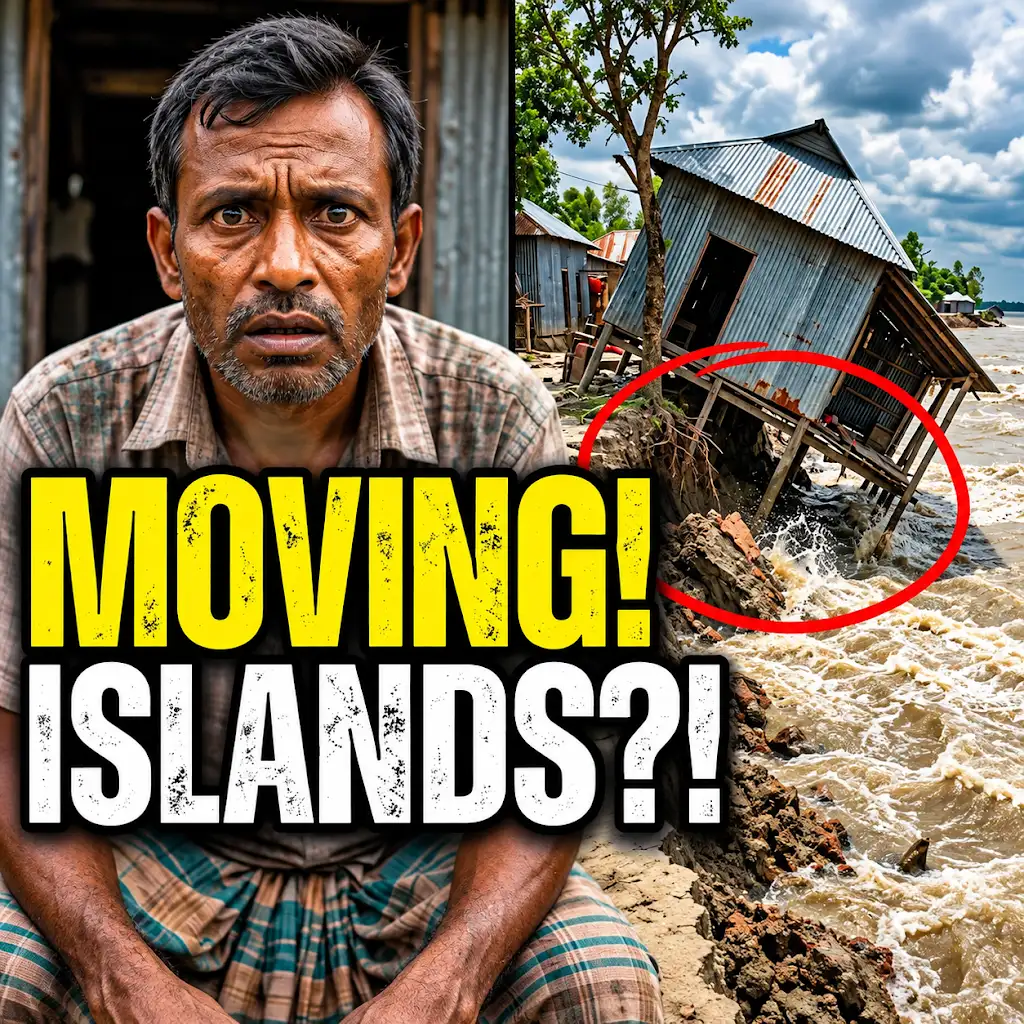
This River is Literally Erasing Islands
FAQs
What are braided rivers?
Braided rivers are rivers with multiple interconnected channels that split and rejoin around small islands of sediment. They are characterized by a network of channels that constantly shift and change due to sediment transport and deposition.
How do monsoon floods impact braided rivers?
Monsoon floods can have a significant impact on braided rivers by increasing the volume and velocity of water flow, leading to erosion of riverbanks, sediment transport, and changes in channel morphology. These floods can alter the course of the river channels and redistribute sediment throughout the river system.
What are the environmental consequences of monsoon flood impacts on braided rivers?
The environmental consequences of monsoon flood impacts on braided rivers can include habitat destruction for aquatic and terrestrial species, changes in water quality due to sediment transport, and alterations in the overall ecosystem dynamics of the river system. These impacts can have long-lasting effects on the biodiversity and ecological balance of the area.
How do communities living near braided rivers cope with monsoon flood impacts?
Communities living near braided rivers often cope with monsoon flood impacts by implementing flood preparedness measures such as building embankments, relocating settlements to higher ground, and developing early warning systems. They may also engage in sustainable land use practices to minimize the impact of floods on their livelihoods.
Can human activities exacerbate the impacts of monsoon floods on braided rivers?
Yes, human activities such as deforestation, urbanization, and agriculture can exacerbate the impacts of monsoon floods on braided rivers. These activities can increase sedimentation, alter natural drainage patterns, and reduce the river’s capacity to handle increased water flow, leading to more severe flooding and erosion in the river system.