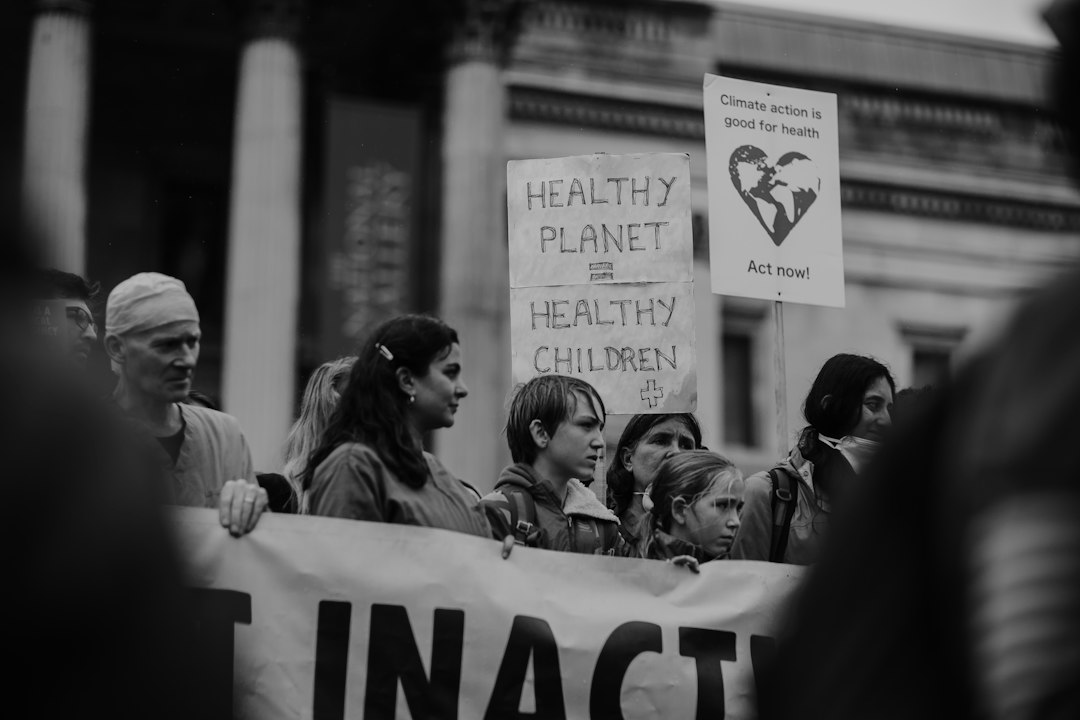
The relentless march of climate change is not a distant threat whispered in scientific journals; it is a palpable reality for millions, a force actively reshaping landscapes and shattering lives. While discussions often center on rising sea levels, melting glaciers, and extreme weather events, the most profound and immediate human consequence is displacement. This article delves into the devastating human cost of climate displacement, exploring the narratives of those forced to abandon their homes, the intricate web of challenges they face, and the urgent need for global action. It is a story of resilience, loss, and the profound injustice of a crisis that disproportionately impacts those least responsible for its creation.
The Shifting Sands of Home: Understanding Climate-Induced Displacement
Climate displacement is the forced movement of people from their homes due to the impacts of climate change. Unlike traditional refugee crises, which are often driven by political conflict or persecution, climate displacement is a consequence of environmental degradation. These movements can be internal, within national borders, or international, crossing sovereign territories. The causes are multifaceted, ranging from slow-onset events like sea-level rise and desertification to rapid-onset disasters such as hurricanes, floods, and wildfires. The distinction between these types of events is crucial, as they often necessitate different forms of response and support.
Slow-Onset Disasters: The Ebbing Tide of Livelihoods
Slow-onset environmental changes, though less dramatic than sudden catastrophes, are equally devastating in their capacity to erode livelihoods and render places uninhabitable over time. Sea-level rise is a prime example. Coastal communities, particularly those in low-lying island nations and delta regions, are facing the existential threat of inundation. Saltwater intrusion contaminates freshwater sources, making agriculture unsustainable and potable water scarce. The land itself, once fertile and life-sustaining, becomes saline and unproductive. This gradual encroachment forces families to make agonizing decisions about whether to stay and witness the slow death of their ancestral lands or to embark on uncertain journeys in search of new opportunities.
Desertification, driven by rising temperatures and altered rainfall patterns, paints a similar picture of slow decline. Arable land shrinks, pastures wither, and water sources evaporate. Pastoral communities, whose lives and economies are intrinsically linked to the land’s bounty, find their traditional ways of life becoming impossible. The loss of livestock, the bedrock of their wealth and sustenance, leads to food insecurity and economic collapse. These protracted environmental shifts create a pervasive sense of insecurity, a constant worry about the future, and a growing realization that home is no longer a viable sanctuary. The decision to leave is not impulsive but a last resort, born out of desperation and the fading hope of survival.
Rapid-Onset Catastrophes: The Sudden Scars of Destruction
The sudden and violent force of rapid-onset climate disasters leaves an immediate and indelible mark on human lives. Hurricanes, typhoons, and cyclones unleash winds of unimaginable ferocity, tearing apart homes, infrastructure, and entire communities. Flash floods can sweep away everything in their path, leaving behind only mud and devastation. Wildfires, intensified by drought and heat, consume forests, homes, and livelihoods with terrifying speed. In the aftermath of such events, the scale of destruction is overwhelming. Survivors emerge from shelters to find their familiar landscapes transformed into scenes of chaos and loss. The immediate need for shelter, food, and medical assistance is paramount, but the long-term trauma and the challenge of rebuilding often dwarf the immediate crisis.
These rapid-onset events often lead to sudden and massive displacements. Entire villages can be rendered uninhabitable overnight, forcing thousands to seek refuge. The disruption to social networks, educational systems, and healthcare facilities is profound. Families are separated, and the psychological toll of witnessing such destruction and losing loved ones can be immense. The rebuilding process is not merely about physical structures; it is about restoring a sense of normalcy and security in the wake of unimaginable trauma. Yet, for many, the threat of future disasters looms large, casting a shadow of uncertainty over any attempts to rebuild or resettle.
The human cost of climate displacement is a pressing issue that affects millions around the globe, as rising sea levels and extreme weather events force communities to abandon their homes. A related article that delves deeper into this critical topic can be found at MyGeoQuest, where the complexities of climate-induced migration and its impact on vulnerable populations are explored in detail. This resource highlights the urgent need for comprehensive policies to address the challenges faced by those displaced by climate change.
The Interconnected Web of Challenges: Navigating Life Beyond Borders

For those forced to flee their homes due to climate change, the journey is rarely a simple relocation. It is a descent into a complex web of challenges that test their resilience at every turn. These challenges are not only material but also social, psychological, and political. Understanding these interconnected struggles is crucial to appreciating the full human cost of climate displacement.
Loss of Livelihoods and Economic Vulnerability
The most immediate consequence of displacement is the loss of established livelihoods. Farmers lose their land, fishermen lose their fishing grounds, and artisans lose their workshops. Their skills, honed over generations, may be rendered obsolete in new environments. This economic vulnerability is compounded by the fact that displaced individuals often arrive in new communities with limited resources, facing competition for scarce jobs and housing. They are frequently relegated to low-wage, precarious employment, struggling to meet basic needs. The cycle of poverty can be difficult to break, especially when coupled with the stigma often associated with being displaced.
Furthermore, the economic disruption extends beyond the individual. When communities are emptied, local economies collapse, affecting not only those who leave but also those who remain. The loss of skilled labor and consumer demand can have ripple effects that destabilize entire regions. The ability of displaced individuals to rebuild their economic lives is intrinsically linked to their access to education, vocational training, and opportunities for entrepreneurship. Without these, they remain trapped in a state of perpetual dependency and vulnerability.
Social Disruption and Cultural Erosion
The fabric of society is deeply interwoven with place. Displacement severs these ties, leading to profound social disruption. Families are often scattered, with members ending up in different locations, straining familial bonds and support systems. The loss of community spaces, cultural landmarks, and shared traditions can lead to a sense of rootlessness and alienation. For indigenous communities, whose cultures are intrinsically linked to specific ancestral lands, displacement can be particularly devastating, threatening the very survival of their unique identities.
In new environments, displaced populations may face discrimination and marginalization from host communities. This can manifest in various ways, from social exclusion and prejudice to unequal access to services and resources. The erosion of cultural heritage, the loss of language, and the struggle to maintain traditions can lead to intergenerational trauma and a deep sense of loss. Rebuilding a sense of belonging and identity in an unfamiliar setting is a monumental task, requiring not only individual resilience but also the support and understanding of host societies.
Psychological Trauma and Mental Health Strain
The emotional and psychological toll of climate displacement is often overlooked but is a critical component of the human cost. The experience of losing one’s home, possessions, and sense of security can be deeply traumatizing. Witnessing destruction, enduring hardship, and facing an uncertain future can lead to anxiety, depression, post-traumatic stress disorder (PTSD), and other mental health challenges. The stress of adapting to a new environment, coupled with the grief of loss and the ongoing struggle for survival, can place an immense burden on individuals’ mental well-being.
Children, in particular, are vulnerable to the psychological impacts of displacement. Disruptions to their education, separation from familiar surroundings, and exposure to traumatic events can have long-lasting effects on their development and emotional health. Providing adequate mental health support, counseling services, and a stable environment is crucial for the healing and recovery of displaced individuals and families. However, such services are often scarce in the very regions most affected by climate displacement.
The Invisible Borders: Addressing the Legal and Political Vacuum
The current international legal framework is ill-equipped to adequately address the unique challenges posed by climate displacement. Unlike refugees fleeing persecution, individuals displaced by climate change often fall into a legal grey area, lacking formal recognition and protection. This vacuum creates significant hurdles in accessing assistance and securing durable solutions.
The Absence of Legal Recognition and Protection
The 1951 Refugee Convention, the cornerstone of international refugee law, defines a refugee as someone fleeing persecution based on race, religion, nationality, membership of a particular social group, or political opinion. Climate change does not fit neatly into these categories. As a result, individuals displaced by rising sea levels, desertification, or extreme weather events are often not recognized as refugees and therefore do not have access to the protections and rights afforded to them. This lack of legal status can make them vulnerable to exploitation, detention, and forced return to dangerous conditions.
This legal ambiguity forces many climate migrants to undertake perilous journeys, relying on smugglers and informal networks, further increasing their risks. The absence of a clear legal pathway means that their appeals for protection often go unanswered, leaving them in a state of limbo. The international community grapples with how to categorize and assist these individuals, reflecting a fundamental gap in our global governance structures.
The Challenge of Durable Solutions: Resettlement and Adaptation
Finding durable solutions for climate-displaced populations is a complex undertaking. While resettlement in new locations is an option, it is fraught with challenges. Identifying suitable and safe areas for resettlement, ensuring adequate infrastructure and services, and fostering integration with host communities are all significant hurdles. Moreover, the concept of “resettlement” can be controversial, evoking past injustices and raising questions about who decides where people go and who bears the costs.
Adaptation in situ, where possible, is another approach. This involves investing in measures that help communities cope with the changing environment, such as building sea walls, developing drought-resistant crops, and improving water management systems. However, for some regions, the scale of environmental degradation is so severe that adaptation is no longer a viable option, making relocation the only recourse. The pursuit of durable solutions requires a multi-pronged approach, combining international cooperation, national policies, and community-led initiatives, all while prioritizing the agency and rights of the displaced.
The Global Inequality of Climate Displacement: A Burden Unequally Shared
The human cost of climate displacement is not distributed equally. The nations and communities most vulnerable to the impacts of climate change are often those that have contributed the least to its causes. This stark reality highlights the profound injustice at the heart of the climate crisis.
The Disproportionate Impact on Vulnerable Nations
Developing countries, small island developing states (SIDS), and low-income communities are on the front lines of climate change. They often lack the resources, infrastructure, and adaptive capacity to cope with its impacts. Their economies are frequently reliant on climate-sensitive sectors like agriculture and tourism, making them particularly susceptible to environmental shocks. Consequently, these are the regions where climate displacement is most prevalent and where the human cost is most acutely felt.
The lack of financial and technological support from developed nations, which have historically been the largest emitters of greenhouse gases, exacerbates this vulnerability. This creates a cycle of injustice where those least responsible for the problem bear the heaviest burden of its consequences. The concept of “climate justice” is central to any meaningful discussion about climate displacement, demanding that those who have benefited from polluting activities take responsibility for supporting those who are suffering from its effects.
The Intergenerational and Intersectional Dimensions of Vulnerability
The vulnerability to climate displacement is not static; it is shaped by intergenerational and intersectional factors. Future generations will inherit a planet profoundly altered by climate change, facing an increasingly uncertain future. Moreover, within displaced populations, certain groups are more vulnerable than others. Women, children, the elderly, indigenous peoples, and people with disabilities often face heightened risks and unique challenges.
Women, for example, are frequently responsible for fetching water and food, tasks that become more arduous and dangerous as environments degrade. They may also face increased risks of sexual violence and exploitation during displacement. Children are vulnerable to malnutrition, disease, and the disruption of their education. Addressing these intersectional vulnerabilities requires tailored interventions and a commitment to ensuring that no one is left behind in the efforts to respond to climate displacement.
The human cost of climate displacement is a pressing issue that affects millions around the globe, as communities are forced to leave their homes due to rising sea levels, extreme weather events, and other climate-related challenges. For a deeper understanding of this crisis, you can explore a related article that discusses the various dimensions of climate-induced migration and its impact on vulnerable populations. This insightful piece sheds light on the urgent need for policy responses and support systems to address the challenges faced by displaced individuals. To read more about this critical topic, visit this article.
The Path Forward: Solidarity, Justice, and Urgent Action
| Metric | Value | Description |
|---|---|---|
| Number of Climate Displaced People (2023) | 30 million | Estimated people displaced annually due to climate-related events |
| Projected Displacement by 2050 | 200 million | Estimated cumulative number of people displaced by climate change impacts |
| Primary Causes of Displacement | Floods, Droughts, Storms, Sea Level Rise | Leading climate events forcing human migration |
| Percentage of Displaced Who Are Women and Children | 70% | Vulnerable groups disproportionately affected by displacement |
| Average Duration of Displacement | 5-10 years | Typical length of time people remain displaced due to climate factors |
| Health Impacts | Increased Malnutrition, Mental Health Issues, Infectious Diseases | Common health challenges faced by displaced populations |
| Economic Impact on Displaced Families | Loss of Livelihoods and Assets | Financial hardships resulting from forced migration |
| Regions Most Affected | South Asia, Sub-Saharan Africa, Small Island States | Areas with highest rates of climate displacement |
The escalating crisis of climate displacement demands a paradigm shift in our collective response. It requires moving beyond piecemeal solutions to embrace a framework of solidarity, justice, and urgent, transformative action. The human cost is too great to permit inaction.
Strengthening International Cooperation and Policy Frameworks
Addressing climate displacement effectively necessitates robust international cooperation. This includes developing new legal instruments or adapting existing ones to provide a framework for the protection and assistance of climate-displaced persons. It means establishing clear pathways for safe and dignified relocation when necessary, and investing in adaptation measures to prevent displacement where possible. Furthermore, developed nations must fulfill their commitments to climate finance, providing developing countries with the resources they need to build resilience and cope with the impacts of climate change.
The role of international organizations, such as the United Nations, is critical in coordinating efforts, advocating for the rights of displaced persons, and mobilizing resources. However, their effectiveness hinges on the political will and commitment of member states. A global summit dedicated to climate displacement, with a focus on concrete commitments and actionable strategies, is urgently needed. This would signal a collective recognition of the problem and a shared responsibility to find solutions.
Investing in Climate Resilience and Sustainable Futures
Ultimately, the most effective way to address climate displacement is to mitigate climate change itself and invest in building resilient communities. This means transitioning away from fossil fuels and embracing renewable energy sources. It involves implementing sustainable land management practices, protecting vital ecosystems, and investing in climate-smart agriculture. For communities at risk of displacement, investing in adaptation measures can help them withstand environmental shocks and maintain their livelihoods.
However, it is also crucial to recognize that for some, displacement is no longer avoidable. In these cases, the focus must shift to ensuring that any relocation or resettlement is conducted in a manner that respects human dignity, preserves cultural heritage, and provides genuine opportunities for a better future. This requires empowering affected communities, listening to their voices, and ensuring their active participation in decision-making processes that affect their lives. The challenge of climate displacement is not merely an environmental issue; it is a humanitarian crisis that demands a comprehensive and compassionate response rooted in justice and solidarity. The stories of those uprooted by this crisis are a stark reminder of our shared responsibility to act.
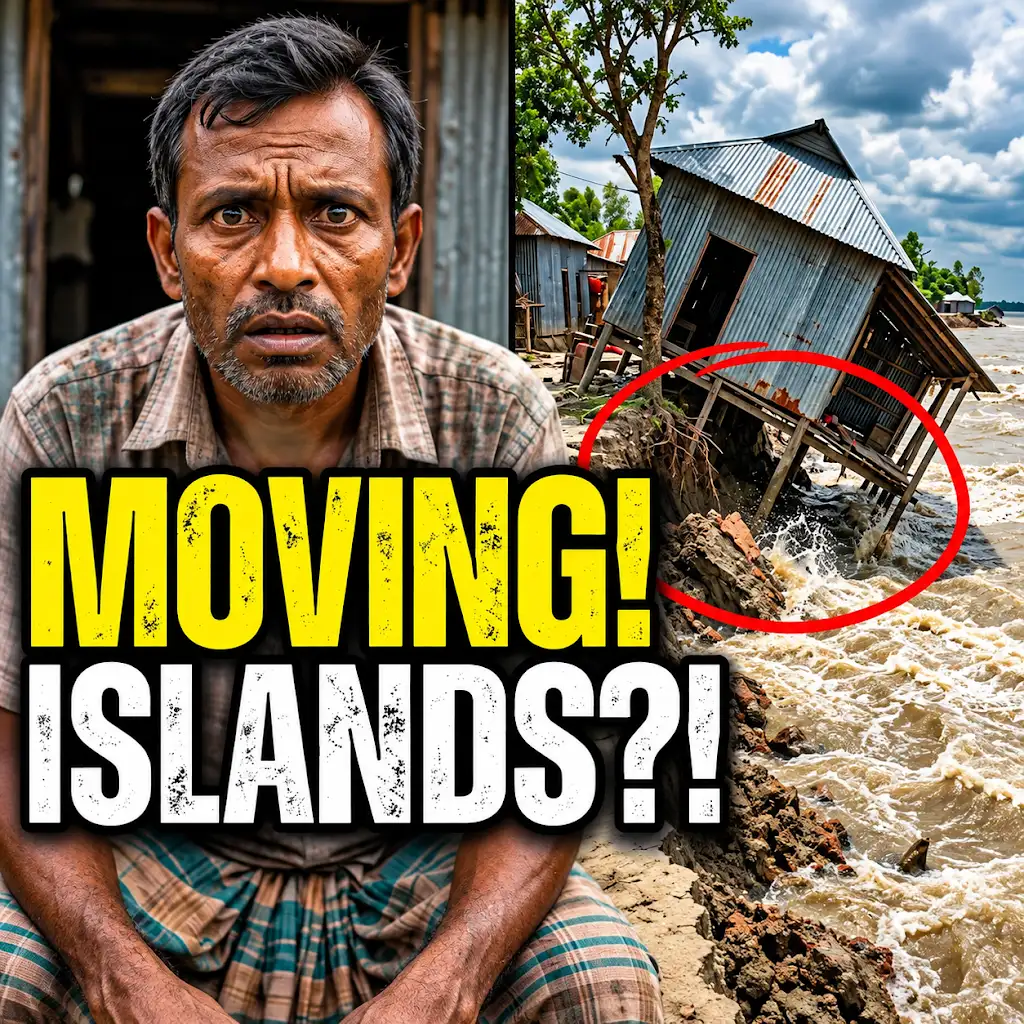
This River is Literally Erasing Islands
FAQs
What is climate displacement?
Climate displacement refers to the forced movement of people from their homes or communities due to the impacts of climate change, such as rising sea levels, extreme weather events, and droughts.
How many people are estimated to be displaced due to climate change?
According to the Internal Displacement Monitoring Centre, an estimated 22.5 million people were displaced by climate-related events in 2020 alone.
What are some of the human costs of climate displacement?
The human costs of climate displacement include loss of homes, livelihoods, cultural heritage, community ties, and increased vulnerability to poverty, exploitation, and health risks.
Which regions are most affected by climate displacement?
Regions such as the Pacific Islands, sub-Saharan Africa, South Asia, and parts of Latin America are among the most affected by climate displacement due to their vulnerability to climate change impacts.
What are some challenges faced by climate-displaced populations?
Climate-displaced populations often face challenges such as lack of legal recognition, limited access to resources and services, discrimination, social stigma, and difficulties in finding new homes or livelihood opportunities.