The relentless force of flowing water presents a persistent challenge to human civilization, particularly for communities and infrastructure situated along riverbanks. Over centuries, engineers have developed a diverse array of methods to protect these vulnerable areas from erosion, inundation, and the destructive power of floods. This discipline, known as riverbank protection engineering, seeks to create a symbiotic relationship between humanity and the natural dynamism of rivers, balancing the need for safety and development with the ecological integrity of the riparian zone. The effectiveness of any given method is intricately tied to the specific geomorphological characteristics of the river, the hydrological regime, the local climate, and the economic and environmental considerations of the project. Understanding both the ingenuity of these methods and their inherent limitations is crucial for sustainable river management.
Understanding the Forces at Play
Before delving into specific protective measures, it is essential to comprehend the natural processes that necessitate riverbank protection. Rivers are dynamic systems, constantly shaping their channels through erosion and deposition. The velocity and volume of water are the primary drivers of these processes. During periods of high flow, such as floods, the increased energy of the water can scour the riverbed and bank, leading to significant erosion and potential bank collapse. Sediment transport, the movement of sand, silt, and gravel, also plays a critical role. Excessive sediment load can lead to deposition in unintended areas, altering flow patterns and increasing pressure on certain sections of the bank. Furthermore, the composition of the riverbank itself—whether it is composed of cohesive clay, granular sand, or a mixture—dictates its susceptibility to erosion. Plant root systems, for instance, can bind soil particles, offering natural resistance, while exposed or unstable bank materials are far more vulnerable.
Erosion Mechanisms
The erosion of riverbanks is a complex process driven by several interconnected mechanisms. Surface erosion, also known as rill and gully erosion, occurs when rainfall or overland flow detaches soil particles from the bank surface. This is particularly problematic on less vegetated or artificially steepened banks. Toe erosion, arguably the most critical factor in bank failure, happens at the base of the bank. This is often caused by the scouring action of fast-flowing water, especially during floods, which removes supporting material and can lead to undercutting. When the toe is eroded, the upper portion of the bank loses its support and can collapse. Mass failure, a more dramatic form of erosion, involves the detachment and movement of large sections of the bank. This can occur through rotational slips, where a mass of soil pivots along a curved failure surface, or translational slides, where a block of soil moves along a relatively planar surface. Factors contributing to mass failure include high pore water pressure within the bank material, which reduces soil strength, and the undercutting caused by toe erosion.
Hydrological and Hydraulic Factors
The flow characteristics of a river are paramount in determining its erosive potential. Discharge, the volume of water passing a specific point per unit of time, directly influences flow velocity. Higher discharges generally lead to higher velocities and greater erosive power. Velocity, in turn, is influenced by the river’s gradient (slope), its cross-sectional shape, and the roughness of its bed and banks. Steep gradients and narrow, deep channels tend to have higher velocities. Turbulence, the chaotic and irregular motion of water, also plays a significant role in erosion. Turbulent eddies can exert significant forces on the bank, dislodging soil particles. Wave action, generated by wind or boat traffic, can also contribute to bank erosion, particularly in wider sections of rivers or lakes. The frequency and magnitude of flood events are critical considerations; a river that experiences frequent, high-magnitude floods will pose a greater challenge to bank protection efforts.
Riverbank protection engineering options are essential for mitigating erosion and protecting ecosystems, yet they come with various limitations that must be considered. For a deeper understanding of these challenges, you can refer to a related article that discusses the effectiveness and drawbacks of different engineering solutions. This article provides insights into the environmental impacts, cost implications, and long-term sustainability of riverbank protection methods. To read more, visit this link.
Bioengineering Approaches to Riverbank Stabilization
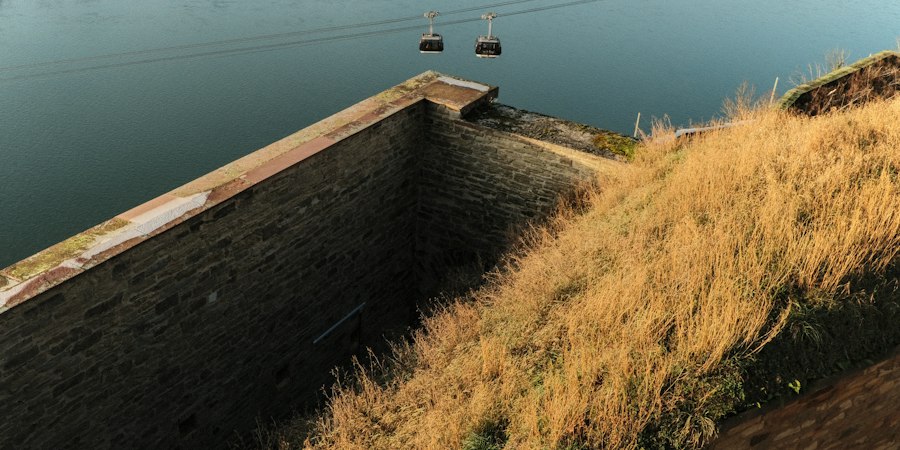
Bioengineering, a sustainable and environmentally sensitive approach, harnesses the power of vegetation and natural materials to protect riverbanks. These methods often aim to mimic natural processes, promoting ecological resilience while simultaneously providing structural stability. The use of plants, in particular, offers a multi-faceted solution, as their roots bind soil, their stems and leaves dissipate flow energy, and their presence enhances biodiversity and riparian habitat. Bioengineering is often most effective on moderate slopes and in areas where flow velocities are not excessively high, making it an ideal solution for many smaller streams and urban river corridors.
Vegetative Stabilization Techniques
Vegetative stabilization encompasses a range of techniques that utilize living plants to reinforce riverbanks. Live staking involves inserting cuttings of woody plants, such as willows and cottonwoods, directly into the bank soil. These stakes, if successful, will root and grow into mature shrubs or trees, providing root reinforcement and bank cover. Brush layering involves placing layers of brushwood and topsoil on a gently sloping bank, with live stakes or fascines (bundles of live branches) interwoven throughout. This creates a stable, vegetated mat. Hydroseeding and hydromulching are methods used to establish a dense vegetative cover on bare soil. Hydroseeding involves spraying a mixture of seed, mulch, water, and fertilizer onto the bank, while hydromulching adds a thicker layer of mulch for greater erosion control and moisture retention. The selection of appropriate plant species is crucial, favoring those that are native to the region, tolerant of wet conditions, and possess robust root systems.
Coir and Brushwood Structures
Coir, a natural fiber derived from coconut husks, is increasingly used in riverbank protection due to its biodegradability, high tensile strength, and ability to support vegetation establishment. Coir logs, also known as erosion control logs or bio-logs, are cylindrical structures filled with coir fiber and encased in netting. These logs are typically placed at the toe of the bank to intercept wave action and scour, and as vegetation establishes, they become integrated into the bank. Coir blankets and mats provide a temporary erosion control cover, especially on newly established or re-vegetated slopes, and can be pinned in place to prevent dislodgement. Brushwood fascines, similar to those used in brush layering, are bundles of live or dormant woody branches tied together. These are often installed along the bank toe or incorporated into revetments to provide toe protection and encourage sediment deposition, which in turn helps to establish vegetation.
Hard Engineering Solutions for Robust Protection
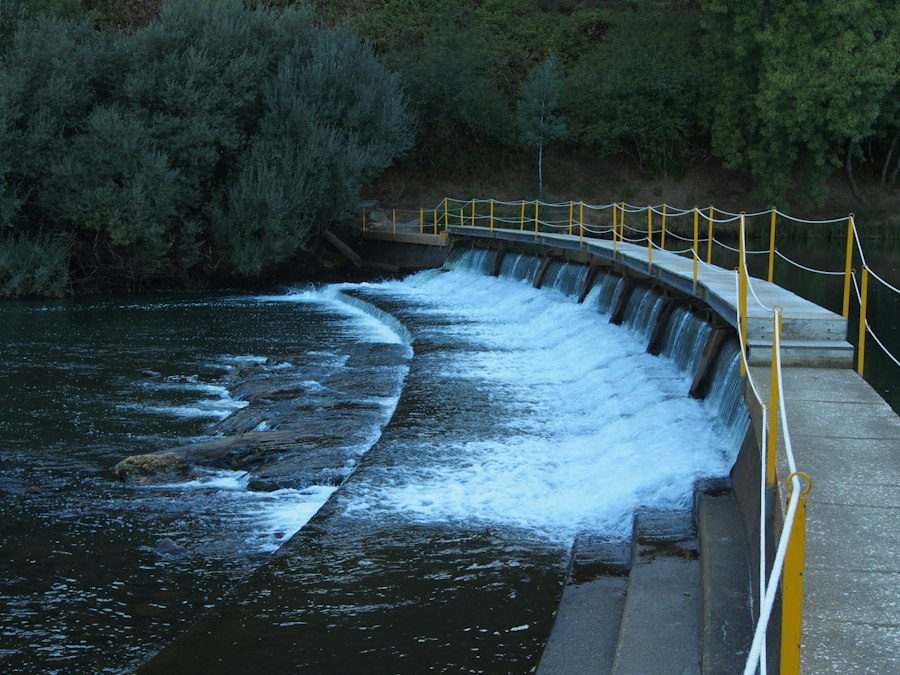
When facing more severe hydraulic forces, steeper slopes, or critical infrastructure, hard engineering methods are often employed. These techniques involve the use of durable, inert materials such as rock, concrete, and steel to create physical barriers against erosion and inundation. While offering significant strength and longevity, hard engineering solutions can be more expensive to construct and can have a greater impact on the river’s natural ecosystem, potentially altering flow patterns and reducing habitat diversity. The design and implementation of these methods require careful consideration of the river’s hydrological regime and the potential for downstream impacts.
Riprap and Rock Armor
Riprap consists of a layer of large, angular rocks or stones placed on the riverbank to protect it from erosion. The size and gradation of the rock are critical; larger rocks are used in areas with higher flow velocities and greater erosive forces. The rocks are carefully selected to be dense and durable, resistant to weathering and abrasion. Riprap can be placed directly on the bank, or more commonly, on a filter layer of gravel or geotextile fabric. The filter layer prevents finer bank material from being washed through the gaps between the rocks, which could lead to instability. Rock armor is a more substantial form of riprap, employing larger, specially shaped stones or pre-cast concrete units designed to interlock and form a stable armor layer. Rock armor is typically used on the outer banks of meanders or in areas exposed to extreme hydraulic energy.
Gabions and Mattresses
Gabions are wire-mesh cages filled with rocks. They are modular and flexible, allowing them to adapt to ground settlement. Gabions are often used to construct retaining walls or revetments along riverbanks, providing a robust barrier against erosion. The wire mesh is typically made of galvanized steel to resist corrosion, and sometimes PVC-coated for added durability. Gabion mattresses are shallow, rectangular wire-mesh boxes that are laid flat and filled with rocks. They are used to protect larger areas of the riverbed or bank, particularly in areas prone to scour. The flexibility of gabions makes them advantageous in areas with potentially unstable foundation soils, as they can deform without catastrophic failure.
Concrete Revetments and Structures
Concrete revetments involve pouring concrete directly onto the riverbank, creating a solid, impermeable barrier. This can take various forms, from articulated concrete block mats to solid concrete facings. Articulated concrete blocks are individual concrete blocks connected by flexible joints, allowing for some degree of movement and preventing cracking. This method offers good protection against erosion and wave action. Solid concrete revetments, while providing excellent protection, are less permeable and can create a hard edge that is detrimental to riparian vegetation and aquatic habitats. Other concrete structures, such as retaining walls and groynes (structures built out into the river perpendicular to the bank), can also be used to direct flow, reduce erosion on specific bank sections, and create protected zones.
Integrated and Hybrid Approaches
Recognizing the limitations of purely hard or soft engineering solutions, modern riverbank protection often employs integrated or hybrid approaches. These strategies combine elements from both bioengineering and hard engineering to leverage the strengths of each while mitigating their weaknesses. The goal is to create robust, sustainable, and ecologically sound riverbank protection systems that can withstand the dynamic forces of the river. This often involves tailoring the approach to the specific site conditions, considering factors such as flow velocity, bank material, flood frequency, and ecological objectives.
Combining Bioengineering and Hard Structures
A common hybrid approach involves using hard engineering elements at the toe of the bank to provide immediate protection against scour and high flow velocities, while employing bioengineering techniques on the upper bank to provide a vegetated cover. For instance, a line of riprap or gabions might be installed at the base of the bank, with the upper slopes then being stabilized using live staking, brush layering, or hydroseeding. This provides a robust foundation while allowing for the development of ecological habitat and improving the aesthetic quality of the riverbank. In some cases, permeable geotextile fabrics are used as a separator between riprap and bank material, facilitating drainage and encouraging vegetation establishment within the riprap matrix.
Engineered Log Structures and Nature-Based Solutions
Engineered log structures, such as large woody debris arranged in specific configurations, can mimic natural processes of sediment deposition and bank stabilization. These structures, when strategically placed, can deflect flow away from the bank, promote sediment accumulation, and create habitat for aquatic organisms. They are often combined with vegetation planting to enhance their stability and ecological function. Nature-based solutions, a broader concept encompassing bioengineering and engineered log structures, aim to work with natural processes rather than against them. This might involve restoring natural floodplain connectivity, re-meandering straightened channels, or creating artificial wetlands to absorb floodwaters. These approaches often provide multiple benefits, including flood risk reduction, water quality improvement, and habitat enhancement, alongside riverbank stabilization.
Riverbank protection engineering options face various limitations that can impact their effectiveness and sustainability. For a deeper understanding of these challenges, you can explore a related article that discusses the complexities involved in designing effective riverbank protection systems. This article highlights the importance of considering environmental factors and community needs in the planning process. To read more about these limitations, visit this insightful resource.
Challenges and Limitations in Practice
| Engineering Option | Limitations | Environmental Impact | Cost Considerations | Maintenance Requirements |
|---|---|---|---|---|
| Riprap (Rock Armour) | Can be displaced during high flow; limited effectiveness on very soft soils | May disrupt aquatic habitats; reduces natural bank vegetation | Moderate initial cost; cost varies with rock size and transport | Periodic inspection and replacement of displaced rocks |
| Gabion Walls | Susceptible to corrosion and wire failure; not suitable for very high flow velocities | Can alter natural river aesthetics; may impact local fauna | Moderate to high cost depending on size and materials | Requires regular inspection and repair of wire mesh |
| Concrete Retaining Walls | High rigidity can cause downstream erosion; expensive and time-consuming to construct | Highly disruptive to natural river processes and habitats | High initial cost | Low maintenance but costly repairs if damaged |
| Vegetative Bank Stabilization | Less effective during extreme flood events; slow to establish | Enhances habitat and biodiversity; promotes natural aesthetics | Low to moderate cost | Requires ongoing vegetation management and replanting |
| Geotextile Tubes | Can be punctured or damaged by debris; limited lifespan | Minimal impact if properly installed; may affect sediment transport | Moderate cost | Regular inspection and potential replacement needed |
Despite the array of sophisticated methods available, riverbank protection engineering faces numerous challenges and inherent limitations. The dynamic nature of rivers means that any protective measure must be able to adapt to changing conditions. Furthermore, the effectiveness of a solution is often constrained by economic realities, available technology, and the complex interplay of environmental factors. Understanding these limitations is crucial for setting realistic expectations and for developing long-term, sustainable strategies for river management.
Cost, Maintenance, and Longevity
The economic feasibility of riverbank protection is a significant consideration. Hard engineering solutions, while robust, can be extremely expensive to construct, particularly for large-scale projects. The ongoing costs of maintenance are also substantial, with regular inspections and repairs often required to ensure the continued effectiveness of the protective measures. Bioengineering approaches, while often less expensive initially, may require more intensive establishment periods and ongoing vegetation management. The longevity of any protection scheme is also a critical factor. While concrete structures may last for decades, their effectiveness can be compromised by unforeseen environmental changes or extreme events. Bioengineered solutions, if well-established, can become increasingly resilient over time, but they are susceptible to damage from prolonged drought, disease, or extreme floods that exceed their design capacity.
Environmental Impacts and Ecological Considerations
Even the most well-intentioned riverbank protection projects can have unintended environmental consequences. Hard engineering structures can alter flow regimes, leading to increased erosion downstream and the loss of valuable riparian habitats. They can also create barriers to fish migration and impact the overall biodiversity of the river ecosystem. While bioengineering aims to be more environmentally friendly, poorly designed or implemented vegetation projects can still lead to issues. For example, introducing non-native or invasive plant species can disrupt the local ecosystem. Moreover, the very act of stabilizing a riverbank can prevent the natural processes of channel migration and floodplain development, which are essential for maintaining healthy riverine ecosystems. Balancing the need for protection with the imperative of ecological preservation remains a central challenge in riverbank engineering.
Climate Change and Future Uncertainty
The accelerating impacts of climate change introduce a significant layer of uncertainty into riverbank protection engineering. Rising global temperatures are leading to more extreme weather events, including more intense rainfall and prolonged droughts, which can exacerbate erosion and flood risks. Changes in precipitation patterns can alter the hydrological regimes of rivers, potentially rendering existing protection measures inadequate. Sea-level rise, particularly in coastal areas, can increase the frequency and severity of tidal flooding and saltwater intrusion, further complicating riverbank management. Engineers must therefore develop adaptive strategies that can accommodate these future uncertainties, incorporating flexible designs and employing monitoring systems to assess performance and adapt measures as conditions evolve. This necessitates a proactive and forward-thinking approach to ensure the long-term resilience of riverbank protection efforts in a changing world.

This River is Literally Erasing Islands
FAQs
What are some common riverbank protection engineering options?
Common riverbank protection engineering options include riprap, gabions, retaining walls, and vegetation planting.
What are the limitations of using riprap for riverbank protection?
Riprap can be expensive to install and may not be aesthetically pleasing. It also requires regular maintenance to ensure its effectiveness in preventing erosion.
How do gabions compare to other riverbank protection options?
Gabions are cost-effective and environmentally friendly, but they may not be as durable as other options like concrete retaining walls.
What are the challenges associated with using vegetation for riverbank protection?
Vegetation planting can take time to establish and may not provide immediate protection against erosion. Additionally, certain plant species may not be suitable for all soil types or climate conditions.
Why are retaining walls considered a limited riverbank protection option?
Retaining walls can be expensive to construct and may require ongoing maintenance. They can also disrupt the natural flow of the river and impact the surrounding ecosystem.