
River erosion in Bangladesh represents a persistent and multifaceted crisis, deeply intertwined with the nation’s socio-economic fabric. Characterized by vast river systems and a low-lying deltaic plain, Bangladesh is particularly vulnerable to the relentless forces of fluvial erosion. This natural phenomenon, exacerbated by factors such as monsoon rainfall, upstream river management, and climate change, leads to the gradual or sudden disappearance of land, displacing countless communities and presenting immense challenges to their survival and well-being. The social impact of river erosion extends far beyond the loss of physical territory; it tears at the very roots of community life, dismantling established social structures, economic livelihoods, and cultural identities. Understanding these impacts is crucial for developing effective and sustainable mitigation and adaptation strategies.
The Eroding Landscape: Understanding the Phenomenon and its Drivers
River erosion is a natural process where the force of flowing water detaches and carries away soil and sediment from the banks of a river. In Bangladesh, this process is amplified by a confluence of geographical and anthropogenic factors. The country is crisscrossed by over 230 rivers, including some of the world’s largest, forming an intricate network that drains the Himalayas. The Ganges-Brahmaputra-Meghna (GBM) delta is characterized by loose alluvial soil, making its riverbanks particularly susceptible to erosion. Monsoon seasons bring torrential rains, swelling river flows and intensifying erosive forces.
Natural and Human-Induced Triggers of Erosion
Several natural processes contribute significantly to river erosion in Bangladesh. The annual monsoon deluge is perhaps the most potent driver, increasing water volume and velocity, leading to higher banks being undercut and collapsing. During floods, the sheer force of the water can reshape river channels, causing extensive damage. Natural meanders in river courses also contribute to erosion as the outer bends of curves experience higher water velocity and thus greater erosive power.
However, human activities have undeniably intensified the problem. Deforestation in upstream catchment areas, particularly in India and Nepal, has led to increased sediment load in rivers. This sediment can alter river flow dynamics, sometimes leading to more aggressive erosion patterns downstream. Construction of dams and embankments, while intended for water management and flood control, can inadvertently concentrate river flow in certain areas, leading to accelerated erosion along unprotected banks. Unplanned and unregulated sand mining from riverbeds can destabilize banks and alter river morphology, further exacerbating erosion. Furthermore, inadequate maintenance of existing embankments and spurs often leads to their failure, exposing vulnerable areas to erosion.
Geographical Vulnerability of the Bangladeshi Delta
The geographical makeup of Bangladesh renders it exceptionally vulnerable to river erosion. The country sits on the GBM delta, one of the largest and most fertile deltas in the world. This low-lying topography means that even minor changes in river behavior or sea-level rise can have significant consequences. The vast network of rivers and their tributaries act as conduits for water and sediment, but also as agents of constant geographical change. Areas characterized by soft alluvial soil, which constitutes much of the delta, are easily eroded. The dynamic nature of the delta means that land is constantly being created through sedimentation in some areas and lost through erosion in others, but the current balance is heavily skewed towards loss in many vulnerable regions.
River erosion in Bangladesh has profound social impacts, affecting the livelihoods and homes of millions. As communities are displaced, the struggle for resources intensifies, leading to increased poverty and social unrest. For a deeper understanding of the geographical challenges and social implications of river erosion in Bangladesh, you can read a related article at My Geo Quest. This resource provides valuable insights into how environmental changes are reshaping lives and communities in the region.
The Human Cost: Displacement and Livelihood Disruption

The most immediate and devastating social impact of river erosion is the displacement of communities. Homes, schools, markets, and places of worship are swallowed by the relentless currents, forcing people to abandon their ancestral lands and seek refuge elsewhere. This displacement is not merely a physical relocation; it is a profound disruption of lives, livelihoods, and social cohesion.
Forced Migration and the Emergence of “Climate Refugees”
River erosion forces millions of Bangladeshis to migrate annually, both internally and, in some cases, internationally. This is a form of environmental migration, often referred to as “climate refugees” or “river displaced persons.” Families are uprooted from their familiar surroundings, leaving behind everything they own. This displacement often leads to a loss of identity and belonging as they are forced to adapt to new, often unwelcoming, environments. Many displaced individuals find themselves in urban slums, struggling with poverty, lack of basic amenities, and limited employment opportunities. The sheer scale of this displacement puts immense pressure on urban infrastructure and social services.
The internal migration is often characterized by a movement from rural, erosion-prone areas to burgeoning urban centers like Dhaka and Chittagong. These cities are already grappling with overpopulation and inadequate resources, and the influx of displaced people intensifies these challenges. The lack of proper planning for these displaced populations results in informal settlements, often lacking sanitation, clean water, and healthcare, leading to further social marginalization and health crises.
Erosion of Economic Foundations: Agriculture and Fishery Losses
The primary economic activities in many riverine communities are agriculture and fishing, both of which are severely impacted by erosion. Fertile agricultural land is lost to the rivers, destroying crops and rendering land unusable for future cultivation. This loss of arable land directly translates to food insecurity and economic hardship for farming families. The disruption of agricultural cycles and the loss of seeds and livestock further compound their economic vulnerability.
Similarly, fishing communities suffer immensely. Erosion can destroy fishing villages, boats, nets, and other essential equipment. Changes in river morphology can alter fish habitats and migration patterns, leading to declining catches. The loss of these traditional livelihoods forces fishermen to seek alternative, often precarious, forms of employment, leading to a decline in their socio-economic status. The cumulative effect of these economic losses can trap families in a cycle of poverty and indebtedness, making it increasingly difficult to recover from the erosion events. The disruption to these primary sectors also has a ripple effect on local economies, impacting markets and ancillary businesses.
Social Fabric Under Strain: Community Cohesion and Vulnerable Groups

River erosion does not just damage property and livelihoods; it tears at the very fabric of community life. Established social structures are weakened, traditional support systems break down, and the most vulnerable segments of society bear the brunt of the disaster.
Breakdown of Social Capital and Traditional Support Networks
In traditional rural communities, strong social capital and mutual support networks are vital for resilience. River erosion, by displacing families and individuals, disrupts these networks. When a community is fragmented, the informal mechanisms of support – sharing resources, offering labor, providing emotional comfort – weaken. New arrivals in resettlement areas often struggle to integrate, facing suspicion and competition for limited resources. The loss of common spaces like village squares or community centers further erodes the sense of collective identity and belonging. This breakdown of social capital makes it harder for communities to organize collectively for recovery and adaptation efforts.
Disproportionate Impact on Women, Children, and the Elderly
River erosion disproportionately affects vulnerable groups within society. Women often bear a heavier burden during and after displacement. They are responsible for caring for children, the elderly, and the sick, tasks that become significantly more challenging amidst the chaos of relocation. Women may also face increased risks of exploitation and violence during migration. Loss of property and economic assets can further disempower women, limiting their access to resources and decision-making power within their families and communities.
Children suffer from the disruption of their education and the psychological trauma of losing their homes and familiar surroundings. They may be exposed to new health risks in resettlement areas and face challenges in adapting to new schooling systems. The elderly, often with limited mobility and fewer opportunities to find new employment, struggle to cope with the loss of their homes and the disruption of their routines. They may also face difficulties in accessing healthcare and social support in unfamiliar environments. The erosion of their familiar social networks and the loss of their lifelong possessions can lead to profound feelings of isolation and despair.
Adaptation and Resilience: Strategies for Survival and Recovery
Despite the overwhelming challenges posed by river erosion, communities in Bangladesh have demonstrated remarkable resilience. Various strategies, both traditional and modern, are being employed to adapt to the changing landscape and mitigate the impacts of erosion. However, these efforts often require significant external support and policy interventions.
Traditional Coping Mechanisms and Community-Based Initiatives
For generations, communities living along rivers have developed indigenous knowledge and coping mechanisms to deal with erosion. These include building temporary shelters that can be easily dismantled and moved, planting specific types of trees along riverbanks to stabilize soil, and engaging in community-based embankment repair. In some areas, communities have developed intricate systems of mutual aid, pooling resources and labor to rebuild homes and reclaim land after erosion events. These community-led initiatives, while often localized, highlight the inherent strength and adaptability of the people.
However, these traditional methods are often insufficient to combat the scale and intensity of erosion in the face of climate change and increased anthropogenic pressures. They are more effective in dealing with gradual erosion rather than sudden bank collapses.
Government and NGO Interventions: Infrastructure and Livelihood Support
The Bangladeshi government, in collaboration with national and international non-governmental organizations (NGOs), has implemented various programs to address river erosion. These include constructing permanent and semi-permanent embankments, spurs, and guide banks to protect vulnerable areas. River dredging and desiltation projects are undertaken to improve river flow and reduce erosive forces.
Beyond infrastructure development, efforts are focused on providing livelihood support to displaced populations. This includes providing access to microfinance for starting small businesses, offering skills training for alternative employment, and promoting climate-resilient agricultural practices. Resettlement programs, though often fraught with challenges, aim to provide land and housing for displaced families. However, the effectiveness of these interventions is often limited by funding constraints, bureaucratic inefficiencies, and the sheer magnitude of the problem. Ensuring the sustainability and long-term impact of these programs remains a critical challenge.
River erosion in Bangladesh has profound social implications, affecting the livelihoods and homes of countless communities. As families are displaced and agricultural land is lost, the struggle for survival intensifies, leading to increased poverty and social unrest. For a deeper understanding of these challenges and their impact on local populations, you can explore a related article that discusses the broader consequences of environmental changes in the region. This insightful piece can be found here.
The Path Forward: Policy, Planning, and Global Cooperation
| Metric | Description | Impact on Communities | Estimated Data/Value |
|---|---|---|---|
| Land Loss | Area of agricultural and residential land lost annually due to river erosion | Displacement of families, loss of livelihoods | Approximately 20,000 hectares per year |
| Population Displaced | Number of people forced to relocate due to riverbank erosion | Increased migration to urban areas, social instability | Over 50,000 people annually |
| Economic Loss | Value of lost agricultural production and property damage | Reduced income, increased poverty levels | Significant but varies regionally; estimated in millions of local currency |
| Education Disruption | Number of schools damaged or lost due to erosion | Interruption in children’s education, increased dropout rates | Dozens of schools annually in affected districts |
| Health Impact | Increase in waterborne diseases due to displacement and poor sanitation | Higher incidence of illness, strain on healthcare services | Reported spikes in diarrheal diseases during peak erosion seasons |
| Gender Impact | Effect on women and children in displaced communities | Increased vulnerability, reduced access to resources and safety | Higher rates of early marriage and child labor reported |
Addressing river erosion in Bangladesh requires a comprehensive, multi-pronged approach that integrates policy, planning, and international cooperation. It is a challenge that extends beyond national borders, demanding a global understanding of climate change and its far-reaching consequences.
Integrated River Basin Management and Climate Change Adaptation
A crucial element in tackling river erosion is the adoption of Integrated River Basin Management (IRBM) principles. This approach emphasizes a holistic view of river systems, considering the interconnectedness of upstream and downstream areas, as well as the environmental, social, and economic aspects of water management. Effective IRBM would involve coordinated efforts with neighboring countries to manage water flow and sediment load, particularly in the GBM basin.
Furthermore, robust climate change adaptation strategies are essential. This includes investing in early warning systems for erosion and flood events, promoting climate-resilient infrastructure design, and developing long-term land-use planning that accounts for erosion vulnerability. Embracing nature-based solutions, such as wetland restoration and mangrove afforestation, can also play a significant role in stabilizing riverbanks and protecting coastal areas.
International Cooperation and Funding for Mitigation Efforts
Given the scale of the challenge and the limited resources of Bangladesh, international cooperation is indispensable. Developed nations have a responsibility to support developing countries like Bangladesh in their efforts to mitigate and adapt to climate change impacts, which they have historically contributed to. This support should come in the form of financial aid, technological transfer, and capacity building.
Multilateral organizations and international financial institutions need to prioritize funding for long-term river erosion control projects and sustainable livelihood programs for affected communities. Sharing best practices and research findings on erosion control and adaptation strategies can also foster a more effective global response. Acknowledging the plight of “river displaced persons” and developing international frameworks for their protection and assistance is also a critical step towards a more just and equitable future. The interconnectedness of global environmental issues means that inaction in one region can have repercussions elsewhere, making collaborative action on river erosion in Bangladesh a matter of global importance.
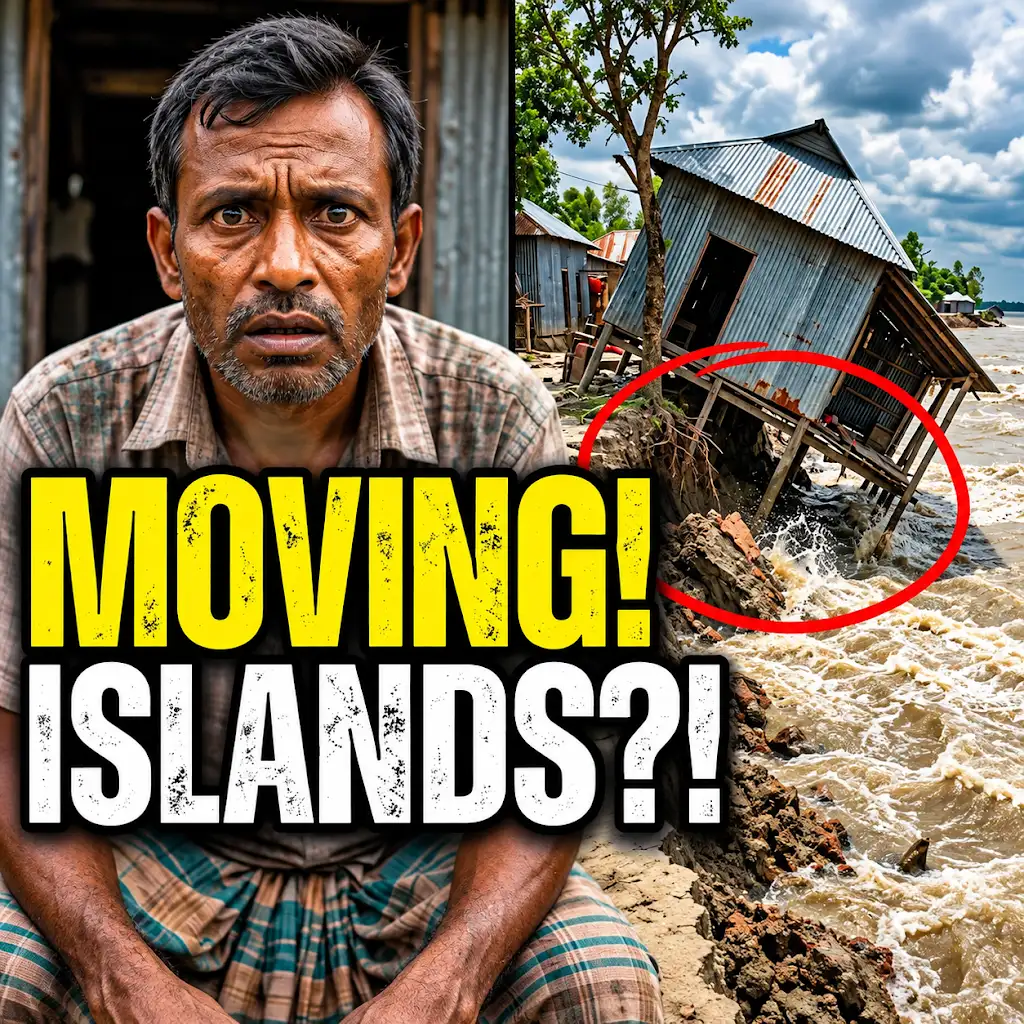
This River is Literally Erasing Islands
FAQs
What is the social impact of river erosion in Bangladesh?
River erosion in Bangladesh leads to displacement of communities, loss of homes, destruction of infrastructure, disruption of livelihoods, and increased poverty among affected populations.
How does river erosion affect the lives of people in Bangladesh?
River erosion in Bangladesh results in loss of agricultural land, scarcity of safe drinking water, spread of waterborne diseases, psychological trauma, and heightened vulnerability to natural disasters.
What are the challenges faced by communities affected by river erosion in Bangladesh?
Communities affected by river erosion in Bangladesh struggle with inadequate government support, lack of proper relocation assistance, limited access to healthcare and education, and social stigma associated with being displaced.
How does river erosion impact the economy of Bangladesh?
River erosion in Bangladesh causes economic losses due to damage to crops, disruption of transportation networks, increased cost of rebuilding infrastructure, reduced productivity, and hindrance to overall development efforts.
What measures are being taken to address the social impact of river erosion in Bangladesh?
Efforts to address the social impact of river erosion in Bangladesh include building embankments, implementing early warning systems, providing livelihood support to affected communities, promoting community-based adaptation strategies, and advocating for sustainable river management practices.