
The advent of heavy machinery marked a paradigm shift in nearly every aspect of human endeavor, and nowhere was this transformation more profound than in the realm of excavation. Before the roar of engines and the gleam of steel, the creation of dugouts, essential for shelter, storage, and defense, was a laborious and time-consuming undertaking, largely reliant on human strength and rudimentary tools. The introduction of powerful, mechanized equipment did not merely accelerate the process; it fundamentally redefined the scale, precision, and efficiency with which these subterranean spaces could be engineered. This article delves into the revolutionary impact of heavy machinery on dugout excavation techniques, exploring the evolution of tools, the enhanced capabilities they conferred, and the lasting legacy they left on construction and land modification.
The Era of Manual Labor: Before the Machines
The history of human civilization is inextricably linked with the practice of digging. From the earliest cave dwellings, which often required only minor modifications to existing geological formations, to the more elaborate subterranean structures of ancient societies, the process was dictated by the limitations of human physical capacity. Dugouts, as a specific form of excavated dwelling or storage space, were no exception. These subterranean shelters, offering protection from extreme weather, predators, and the elements, were typically constructed in areas with soft soil or loose rock, allowing for easier manipulation.
Tools of the Trade: Primitive but Effective
The primary tools employed in manual excavation were an extension of the human body. Shovels, spades, and picks were the workhorses, their sharpened edges designed to break up earth and rock. For larger debris, rudimentary levers and pry bars were utilized to dislodge and move heavier materials. In some cases, baskets or simple carts were used to transport the excavated soil away from the site. The process was often undertaken by a collective effort, with groups of individuals working in unison to clear the site. The depth and complexity of a dugout were directly proportional to the time and manpower invested. The construction of a substantial dugout could take weeks, even months, and was physically exhausting for all involved. Erosion control and structural integrity were often basic, relying on the natural properties of the soil and simple bracing techniques.
Limitations of Human Strength and Scale
The sheer physical limitations of manual labor imposed a strict ceiling on the size and depth of dugouts that could be realistically excavated. Complex interior layouts, the creation of multiple chambers, or the construction of truly deep and stable shelters were often beyond the practical reach of these methods. Moreover, the consistency and uniformity of the excavated space were difficult to achieve. The work was inherently uneven, leading to irregular shapes and potentially weaker structural points. The removal of large volumes of earth was a particularly arduous task, often requiring significant effort for minimal progress. The environment itself presented further challenges; working in confined, unventilated spaces for extended periods could be dangerous due to dust inhalation and the risk of cave-ins. The introduction of any mechanical aid, no matter how simple, was a welcome step forward, but it was the advent of powered heavy machinery that truly unlocked the potential for significant advancements in dugout excavation.
The evolution of heavy machinery has significantly transformed the process of dugout excavation, enhancing efficiency and precision in construction projects. For a deeper understanding of this topic, you can explore the article that discusses the impact of modern equipment on excavation techniques and the overall benefits it brings to the industry. To read more about this fascinating subject, visit this article.
The Dawn of Mechanization: Introducing Powered Excavators
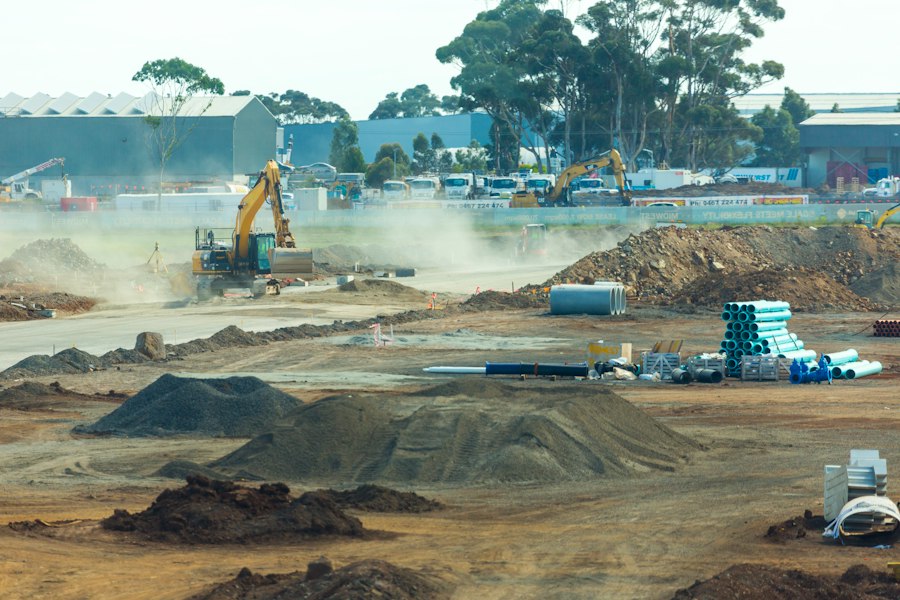
The late 19th and early 20th centuries witnessed a surge of innovation in mechanical engineering, leading to the development of machines that could perform tasks previously thought impossible for anything other than brute human force. This period marked the genesis of heavy machinery, and its application to excavation was revolutionary. The core principle behind these new machines was the application of powered mechanical advantage, amplifying human effort to an unprecedented degree.
The Rise of the Steam Shovel and Early Excavators
The steam shovel, a precursor to modern excavators, was one of the first significant breakthroughs. Powered by steam engines, these machines could lift and move vastly larger quantities of earth than any team of laborers. Their articulated arms and buckets allowed for more controlled excavation, and their robust construction enabled them to tackle harder soils and even some rock formations. Early excavators, though less sophisticated than their contemporary counterparts, provided a crucial step up from manual methods. They could dig deeper, wider, and more rapidly, dramatically reducing the time and labor required for even substantial excavation projects. The introduction of these machines allowed for the creation of larger and more uniformly shaped dugouts, paving the way for more complex designs and applications. The sound of their engines became synonymous with progress and increased productivity in construction and land management.
Power and Precision: The Key Advantages
The primary advantage conferred by early excavators was an exponential increase in power. A single steam shovel could outperform dozens, if not hundreds, of manual laborers in terms of volume moved per unit of time. This power allowed for excavations that were previously impractical due to the sheer effort involved. Furthermore, these machines brought a nascent form of precision to the excavation process. While not as finely tuned as modern GPS-guided equipment, the controlled movements of the boom, dipper, and bucket allowed for more defined edges and consistent depths than could be achieved with hand tools. This improved control translated into safer and more structurally sound dugouts, as well as the ability to create more complex interior configurations. The ability to quickly remove large volumes of spoil was particularly transformative, enabling the rapid clearing of sites and the efficient creation of the desired subterranean void.
Modern Marvels: The Evolution of Excavators and Their Impact
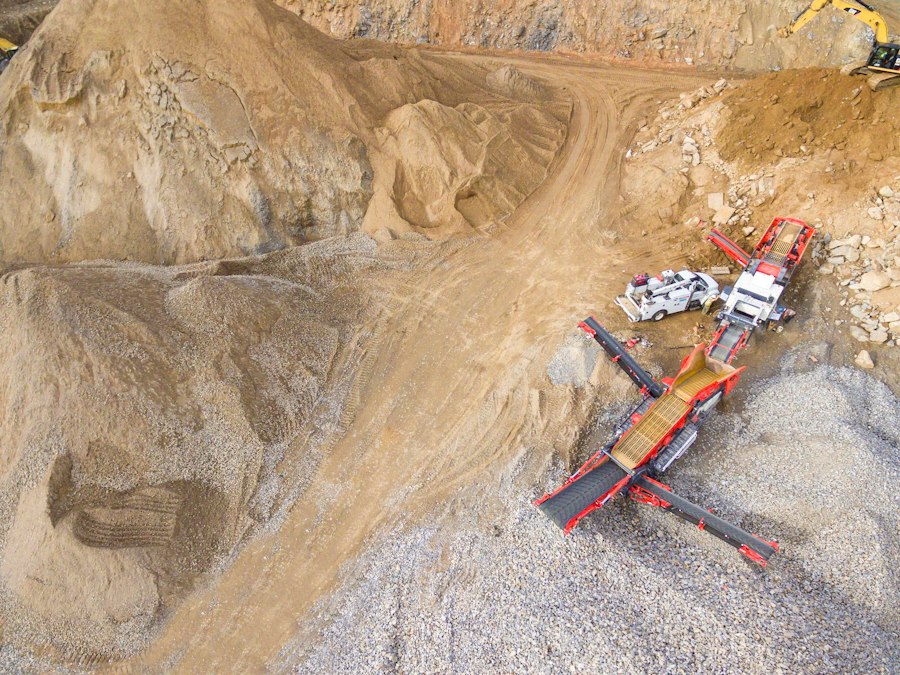
The progression of technology did not cease with steam power. The advent of internal combustion engines, followed by hydraulics and advanced control systems, led to the development of excavators that are vastly more powerful, versatile, and precise than their ancestors. These modern machines have become indispensable tools in all forms of excavation, including the creation of dugouts for a multitude of purposes.
Hydraulic Excavators: Power, Control, and Versatility
The introduction of hydraulic systems revolutionized excavator design and capability. Hydraulics provide immense power while allowing for incredibly precise control over boom, stick (or arm), and bucket movements. This combination of brute force and delicate manipulation makes modern hydraulic excavators exceptionally versatile. They can be fitted with a variety of attachments, including different types of buckets (e.g., general-purpose, rock, grading), hydraulic hammers for breaking rock, augers for drilling holes, and even grapples for moving large objects. This adaptability means that a single excavator can perform a wide range of tasks, from bulk excavation to fine grading and specialized demolition. For dugout excavation, this translates to the ability to dig with remarkable speed and accuracy, even in challenging soil conditions. The operator can precisely define the shape and depth of the dugout, ensuring optimal structural integrity and functional design.
Specialized Attachments and Techniques
Beyond the standard bucket, a plethora of specialized attachments further enhance the capabilities of modern excavators for dugout construction. For instance, hydraulic breakers are essential for excavating in rocky terrain, allowing for the efficient fragmentation of boulders and bedrock that would otherwise halt progress. Augers can be used to create post holes for structural supports or to bore drainage channels. Grading buckets and laser guidance systems enable the creation of perfectly level floors and smooth, consistent walls, crucial for modern dugout designs that might incorporate living spaces or specialized storage. The ability to precisely control the excavation depth is paramount, preventing over-digging and ensuring that the dugout meets its intended specifications. Furthermore, these machines can efficiently manage spoil removal, either by loading trucks for off-site disposal or by stockpiling material for later use in landscaping or backfilling.
Redefining Dugout Applications: From Basic Shelters to Multi-Purpose Structures
The enhanced capabilities afforded by heavy machinery have not only improved the efficiency of digging but have also fundamentally broadened the scope of what can be achieved with dugout excavation. What was once primarily a method for creating basic, often crude, shelters has evolved into a technique capable of producing sophisticated, multi-purpose subterranean spaces.
Beyond Basic Shelters: Modern Subterranean Design
The precision and scale of excavation enabled by modern machinery have opened doors to a new era of dugout design. No longer limited by the constraints of manual labor, architects and engineers can envision and construct dugouts that are far more complex and functional. This includes residential dugouts designed for energy efficiency, temperature stability, and a unique living experience. These modern dwellings often feature multiple rooms, intricate interior layouts, and integrated utility systems, all made possible by the ability to precisely excavate and shape the subterranean environment. Furthermore, commercial and industrial applications have emerged, such as underground storage facilities for sensitive goods, wineries requiring stable temperatures, or even data centers seeking protection from surface-level threats and temperature fluctuations. The ability to create large, uniformly shaped voids with smooth, consistent walls is a direct consequence of mechanized excavation.
Efficiency and Cost-Effectiveness in Large-Scale Projects
While the initial investment in heavy machinery might seem substantial, its ability to significantly reduce labor time and increase output makes it remarkably cost-effective for larger dugout projects. The speed at which modern excavators can complete excavation tasks drastically cuts down on project timelines, saving on labor costs and reducing the overall duration of disruption to the land. The efficiency of spoil removal also contributes to cost savings, as less manual effort is required for this often time-consuming aspect of excavation. For projects requiring the creation of multiple dugouts, or very large ones, the use of heavy machinery is not just advantageous; it is practically essential for economic viability. The ability to dig deeper and wider also means that fewer individual dugouts might be needed to achieve a desired storage capacity or living area, further enhancing cost-effectiveness. The controlled nature of mechanized excavation also minimizes the risk of costly errors or structural failures that could require expensive remediation.
The evolution of heavy machinery has significantly transformed the process of dugout excavation, allowing for greater efficiency and precision in construction projects. Traditional methods often relied on manual labor and rudimentary tools, which could be time-consuming and labor-intensive. However, with the advent of advanced machinery, such as excavators and backhoes, the excavation process has become faster and more effective. For a deeper understanding of how these innovations have impacted the field, you can read more in this insightful article on mygeoquest.com. This shift not only enhances productivity but also improves safety for workers involved in excavation tasks.
The Enduring Legacy and Future of Mechanized Excavation
| Metric | Before Heavy Machinery | After Heavy Machinery | Change |
|---|---|---|---|
| Excavation Speed (cubic meters per hour) | 1-2 | 20-50 | 10x to 25x increase |
| Labor Required (workers per project) | 10-20 | 2-5 | 75%-90% reduction |
| Project Duration (days) | 30-60 | 5-15 | 70%-90% reduction |
| Depth Capability (meters) | Up to 3 | Up to 15+ | 5x increase |
| Safety Incidents (per 100 projects) | 15-20 | 5-8 | 60%-75% reduction |
| Cost Efficiency (excavation cost per cubic meter) | High | Low | Significant cost savings |
The impact of heavy machinery on dugout excavation techniques has been profound and enduring. It has not only reshaped the present but also laid the groundwork for future innovations in subterranean construction and land modification. The lessons learned and the capabilities developed continue to inform and drive progress.
Continued Technological Advancement and Automation
The evolution of excavation machinery is far from over. Advancements in robotics, artificial intelligence, and sensor technology are leading to increasingly automated and intelligent excavators. These machines can perform tasks with even greater precision, efficiency, and safety, often operating with minimal human intervention. For dugout excavation, this could mean autonomous machines capable of perfectly sculpting subterranean spaces based on digital designs, minimizing human error and optimizing material usage. The integration of GPS and laser surveying technologies allows for real-time monitoring and adjustment of excavation depth and alignment, ensuring unparalleled accuracy. The development of more fuel-efficient and environmentally friendly power sources for these machines is also a significant area of ongoing research and development, aiming to reduce the ecological footprint of excavation projects.
Environmental Considerations and Sustainable Practices
As the understanding of environmental impact grows, so too does the focus on sustainable excavation practices. Heavy machinery, while powerful, can also have significant environmental consequences if not operated responsibly. The industry is increasingly focused on minimizing soil disturbance, optimizing spoil management to reduce waste, and preventing erosion. Techniques such as careful site planning, controlled excavation methods, and prompt revegetation of disturbed areas are becoming standard practice. The use of GPS-guided machinery allows for precise excavation, minimizing unnecessary digging and material removal. Furthermore, the development of more compact and specialized excavators can allow for less intrusive access to sensitive sites, reducing overall land impact. The future of mechanized excavation for dugouts will undoubtedly involve a greater emphasis on integrating ecological considerations into every stage of the process, ensuring that the benefits of subterranean construction are achieved with minimal harm to the environment.

Why 50% of This Town Lives Underground
FAQs
1. How has heavy machinery improved efficiency in dugout excavation?
Heavy machinery such as excavators and bulldozers have significantly increased the speed and precision of dugout excavation. These machines can quickly remove large amounts of soil and debris, allowing for faster progress on construction projects.
2. What safety considerations are important when using heavy machinery for dugout excavation?
When using heavy machinery for dugout excavation, it is crucial to ensure that operators are properly trained and certified. Safety protocols should be followed at all times, including wearing appropriate protective gear and conducting regular maintenance checks on the equipment.
3. How has heavy machinery impacted the cost of dugout excavation projects?
While heavy machinery can be expensive to purchase or rent, it has ultimately reduced the overall cost of dugout excavation projects. The increased efficiency and speed of these machines can lead to savings in labor costs and shorter project timelines.
4. What are some common types of heavy machinery used for dugout excavation?
Some common types of heavy machinery used for dugout excavation include excavators, backhoes, bulldozers, and trenchers. Each of these machines has specific capabilities that make them well-suited for different aspects of the excavation process.
5. How has heavy machinery improved the accuracy of dugout excavation?
Heavy machinery is equipped with advanced technology such as GPS systems and laser guidance, which have greatly improved the accuracy of dugout excavation. These tools help operators precisely control the depth and shape of the excavation, resulting in more precise and consistent results.