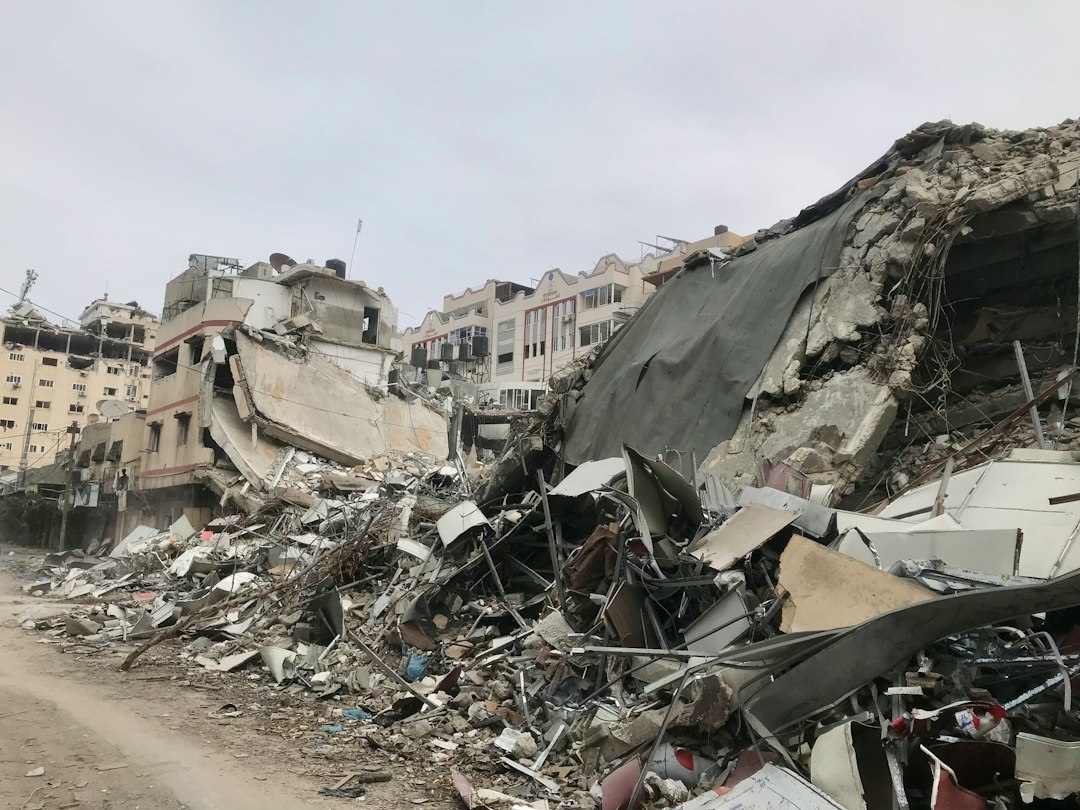
The once tranquil slopes above the picturesque mountain town of Evergreen had become a monstrous force of nature. A colossal avalanche, a river of snow, ice, and debris, tore through the community in the early hours of Monday morning, leaving a swathe of unimaginable destruction in its wake. The sheer scale of the event has stunned residents and emergency responders alike, transforming familiar landscapes into scenes of devastation.
The Fury Unleashed: A Night of Terror
The initial moments of the avalanche were described by survivors as a deafening roar, a sound unlike anything they had ever experienced. It began high on Mount Avalanche, a peak notorious for its challenging terrain and heavy snowfall. Witnesses, many jolted from their sleep by the ominous rumbling, reported seeing an immense white wave surge down the mountainside with terrifying speed. The avalanche gained momentum as it descended, engulfing trees, power lines, and anything else in its path. The force was so immense that entire homes were reportedly swept off their foundations, reduced to splintered wood and twisted metal. The darkness of the early morning, punctuated only by the frantic beams of flashlights and the wail of sirens, amplified the horror.
The Sound That Shook the World
The auditory experience of the avalanche was as potent as its physical impact. Early reports from the periphery of the town describe a low, guttural rumble that steadily grew in intensity. This escalated into a thunderous cacophony, a grinding, tearing sound that filled the valley. One survivor, Clara Jenkins, who lives on the western edge of Evergreen, recounted, “It wasn’t just a noise; it was a physical force. It felt like the mountain was screaming, like the whole world was coming apart. The windows rattled violently, and then there was this immense crash, like a thousand freight trains colliding.” The sound, according to meteorological experts, is a combination of the snow mass itself moving, the shearing of trees and rocks, and the displacement of air.
The Snowfall that Triggered the Catastrophe
The avalanche was the culmination of several factors, primarily a significant and rapid snowfall coupled with unstable snowpack conditions. For days leading up to the event, Evergreen had been blanketed by several feet of fresh snow. This was followed by a sudden increase in temperature and a shift in wind patterns, creating a precarious situation on the steep slopes. Dr. Alistair Finch, a glaciologist who has studied the region for decades, explained, “We had a classic recipe for disaster. A deep layer of unconsolidated snow sitting on top of older, potentially icy layers, combined with a rapid increase in load due to the heavy snowfall. Any minor disturbance, whether natural or from human activity, could have been the trigger.” The exact point of fracture is still being investigated, but it is believed to have occurred on a particularly steep and exposed section of Mount Avalanche.
In a recent article discussing the devastating impact of natural disasters, the focus was on a town that was completely destroyed by an avalanche, highlighting the urgent need for improved safety measures in mountainous regions. The article delves into the experiences of the residents and the recovery efforts that followed the disaster. For more in-depth coverage on this topic, you can read the full article here: Avalanche Destroys Town: A Community’s Struggle for Recovery.
The Immediate Aftermath: A Landscape Transformed
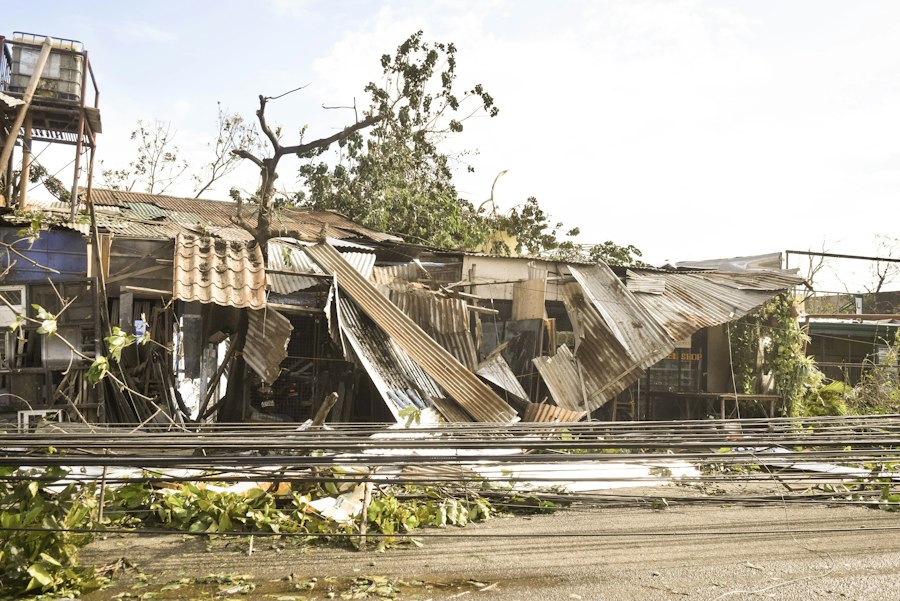
As dawn broke, the full extent of the devastation became chillingly clear. Evergreen, a town that prided itself on its rustic charm and close-knit community, was unrecognizable. A thick blanket of snow, mixed with mud and debris, covered a significant portion of the town. Homes were reduced to rubble, cars were buried, and roads were impassable. The vibrant main street, usually bustling with activity, was now a scene of utter desolation. Emergency services, hampered by the difficult terrain and the sheer scale of the disaster, immediately began search and rescue operations.
The Grim Reality of the Snow Line
The avalanche left a distinct, often brutal, line of destruction. Areas in the direct path of the snow mass were obliterated, with very little left standing. Buildings were either completely flattened or heavily damaged, their contents strewn across the landscape. Beyond this immediate zone, the impact lessened, but still significant. Snowdrifts, some several meters high, blocked roads and access points, making it incredibly difficult for rescue teams to reach those in need. Power lines were down, plunging much of the town into darkness and complicating communication efforts. The sheer volume of snow meant that even familiar landmarks were obscured, making navigation a perilous task.
Early Rescue Efforts: A Race Against Time
The immediate priority for emergency responders was to locate and rescue any survivors trapped in the debris. Firefighters, police officers, and search and rescue teams, many of whom were volunteers from neighboring communities, worked tirelessly through the day and into the night. They used specialized equipment, including avalanche probes and sniffer dogs, to search for signs of life. The conditions were brutal, with sub-zero temperatures and further snowfall making the work incredibly challenging. Every minute was critical, as the chances of survival for those buried under the snow diminish rapidly. The human element of these efforts was profound, with rescuers often working with bare hands to clear debris, driven by the hope of finding someone alive.
The Human Toll: Stories of Loss and Resilience
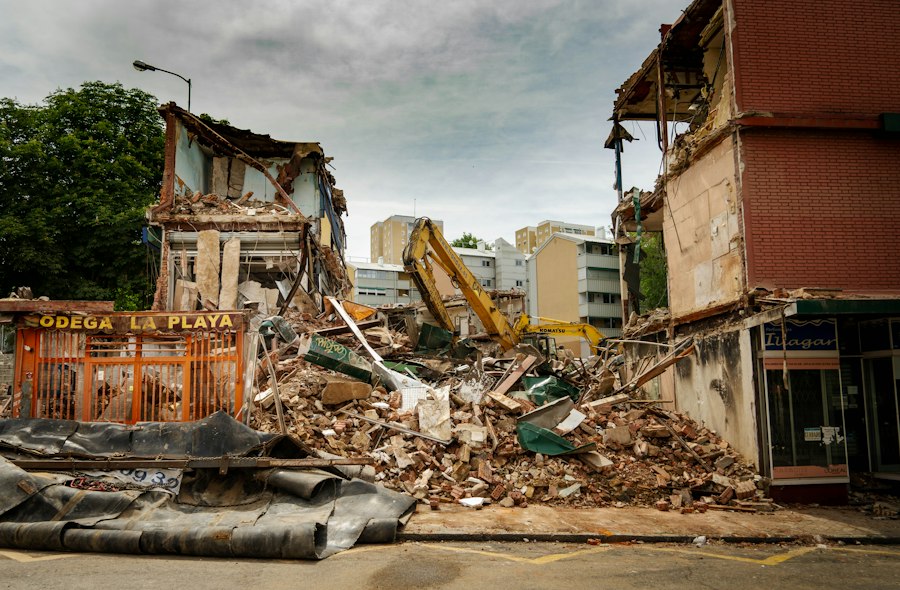
The avalanche has left an indelible mark on the hearts of Evergreen’s residents. The number of casualties is still being determined, but early reports indicate a significant loss of life. Families have been torn apart, and the community is grappling with the profound grief that accompanies such a tragedy. Yet, amidst the despair, stories of remarkable resilience and courage are beginning to emerge. Neighbors are helping neighbors, strangers are offering comfort and support, and the spirit of the community, though wounded, remains unbroken.
Identifying the Missing and Mourning the Lost
The process of identifying the missing and confirming fatalities is a somber and painstaking one. As the snow is gradually cleared, the heartbreaking reality of the loss becomes clearer. Local authorities have established a family reunification center and a hotline for those searching for loved ones. The town’s small community center has been transformed into a makeshift memorial, adorned with flowers and personal mementos. The shared grief is palpable, with many residents gathering to offer solace and support to those who have lost everything. The echoes of laughter and everyday life have been replaced by hushed tones of remembrance and shared sorrow.
Acts of Bravery and Community Support
In the face of such overwhelming destruction, the humanity of Evergreen’s residents has shone through. Numerous accounts detail ordinary citizens performing extraordinary acts of bravery. A young man, Michael Davies, is credited with pulling his elderly neighbor from her collapsing home just moments before it was completely engulfed by snow. Local businesses, though many have suffered damage themselves, have opened their doors to provide shelter and food for those displaced. Volunteers have poured in from surrounding towns, bringing essential supplies, offering medical assistance, and providing a much-needed helping hand. This outpouring of support underscores the strong bonds that tie the community together.
The Road to Recovery: Challenges and Hopes
The immediate future for Evergreen is one of immense challenge. The scale of the destruction will require a monumental effort to rebuild. The economic impact on the town, heavily reliant on tourism and local businesses, will be significant. However, the spirit of the community, coupled with the support of regional and national aid organizations, offers a beacon of hope for the long road ahead. The focus is now shifting from immediate rescue to long-term recovery and rebuilding.
Assessing the Damage and Planning Reconstruction
A comprehensive assessment of the damage is underway. Engineers and structural experts are evaluating the safety of remaining buildings and infrastructure. The task of clearing the debris and restoring essential services will take weeks, if not months. Rebuilding plans will need to consider not only the physical reconstruction of homes and businesses but also the re-establishment of the town’s infrastructure and economy. This will involve extensive consultation with residents, town officials, and planning experts to ensure that Evergreen can emerge from this tragedy stronger and more resilient. The long-term vision will also incorporate enhanced safety measures for future avalanche risks.
Securing Aid and Rebuilding Lives
The immediate need is for financial aid and resources to support the displaced residents and begin the rebuilding process. Local, state, and federal agencies are mobilizing to provide assistance, and numerous charitable organizations have launched fundraising efforts. The focus is on providing temporary housing, financial relief, and essential services to those who have lost their homes and livelihoods. The rebuilding process will be a marathon, not a sprint, requiring sustained effort and unwavering support. The hope is that Evergreen can not only recover but also rebuild in a way that honors the memory of those lost and ensures a safer, more prosperous future for its residents.
In the aftermath of the devastating avalanche that obliterated the town, many are left grappling with the destruction and loss. The community is coming together to support one another, and efforts are underway to rebuild what was lost. For those interested in understanding the broader implications of such natural disasters, a related article can be found that explores the impact of climate change on avalanche occurrences. You can read more about it in this insightful piece here.
Lessons Learned: Preparedness and Future Mitigation
| Metric | Value | Details |
|---|---|---|
| Town Name | Exampleville | Fictional town affected by avalanche |
| Date of Avalanche | March 15, 2024 | Day when the avalanche occurred |
| Number of Buildings Destroyed | 120 | Residential and commercial structures |
| Casualties | 15 | Confirmed deaths |
| Injuries | 45 | People injured during the event |
| Area Covered by Avalanche | 2.5 km² | Estimated size of avalanche impact zone |
| Rescue Teams Deployed | 8 | Number of teams involved in rescue operations |
| Estimated Snow Volume | 500,000 m³ | Volume of snow involved in avalanche |
| Time to Clear Debris | 3 weeks | Estimated duration for cleanup |
| Reconstruction Cost | Not available | Pending assessment |
The Evergreen avalanche serves as a stark and tragic reminder of the power of nature and the importance of preparedness. While the event was a natural disaster of immense proportions, it also highlights the critical need for ongoing vigilance, robust early warning systems, and community education regarding avalanche safety. Experts will undoubtedly pore over the data from this event, seeking to refine forecasting models and improve mitigation strategies for mountain communities.
The Role of Early Warning Systems
The effectiveness of existing early warning systems for avalanches will be under intense scrutiny. While sophisticated weather monitoring and snowpack analysis can predict potential hazards, the sheer speed and force of this particular avalanche may have overwhelmed even the best systems. The investigation will likely explore ways to improve the accuracy and timeliness of avalanche warnings, ensuring that residents are provided with adequate time to take necessary precautions. This could involve enhanced sensor networks, more advanced predictive modeling, and more effective communication channels to reach all residents, even in remote areas.
Community Education and Preparedness Programs
Beyond technological solutions, community education and preparedness programs are paramount. Residents of mountain towns must be informed about the risks associated with living in avalanche-prone areas and understand the best practices for staying safe. This includes awareness of safe routes, understanding the signs of unstable snow, and knowing what to do in the event of an avalanche. The Evergreen incident will likely spur renewed efforts to develop and implement comprehensive community preparedness plans, including regular drills and educational workshops, to ensure that residents are as ready as possible for such an eventuality. The resilience of the human spirit is a powerful force, but it is best supported by informed action and diligent preparation.

The Social Security Mistake At 62 That Could Ruin Your Spouse’s Retirement
FAQs
What caused the avalanche that destroyed the town?
The avalanche was triggered by a combination of heavy snowfall, steep terrain, and unstable snowpack conditions.
Were there any casualties in the town due to the avalanche?
Yes, unfortunately, there were several casualties reported in the town as a result of the avalanche.
Was the town evacuated before the avalanche hit?
Efforts were made to evacuate the town before the avalanche hit, but due to the sudden and powerful nature of the avalanche, not everyone was able to escape in time.
How long did it take for the avalanche to destroy the town?
The avalanche happened swiftly, and within a matter of minutes, the town was engulfed and destroyed by the powerful force of the snowslide.
Was the town completely wiped out by the avalanche?
Yes, the town was almost completely wiped out by the avalanche, leaving behind a path of destruction and debris in its wake.